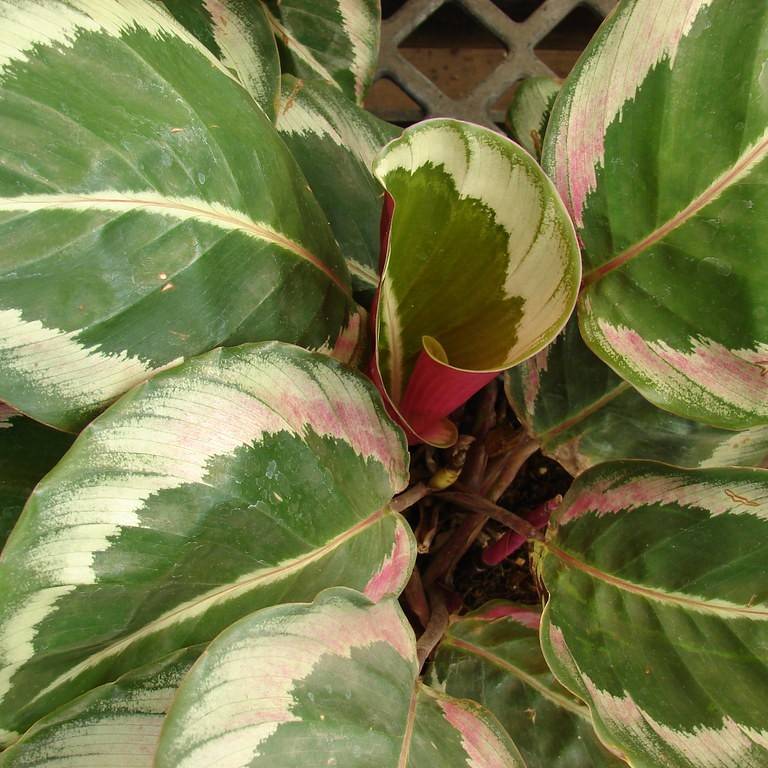
Calathea
Calathea spp.
Overview
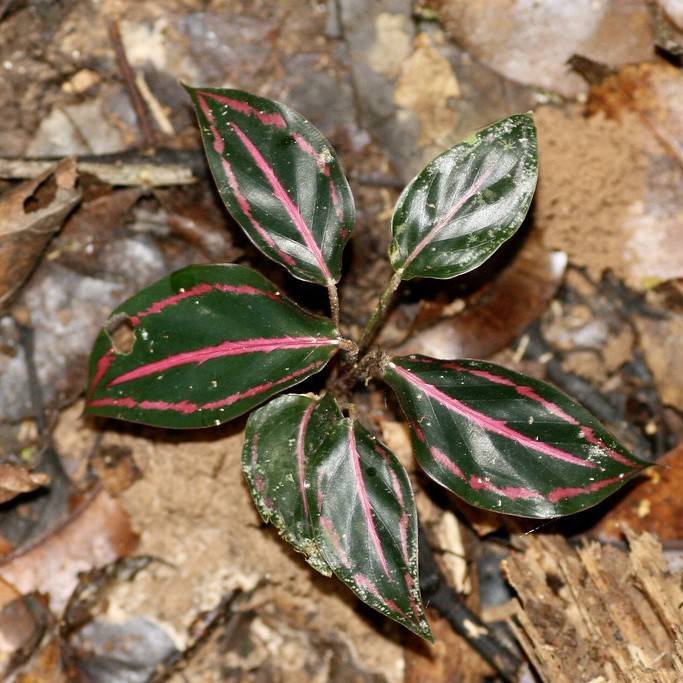
Calathea is a diverse genus of flowering tropical perennials in the prayer plant family, beloved for its strikingly patterned leaves that come in shades of green, purple, pink, and silver, often with intricate veining or marbling. Like other marantaceae, it exhibits nyctinasty: leaves fold upward at night as if in prayer, unfurling again at dawn to capture sunlight. Though it rarely blooms indoors, its foliage alone makes it a staple of tropical houseplant collections.
Care Guide
Watering
Water calathea when the top 1-2 inches of soil feels dry, using filtered, rain, or distilled water to avoid leaf tip burn from fluoride and chlorine in tap water. Avoid overwatering, which can lead to root rot, and never let the plant sit in standing water in its saucer. Reduce watering frequency slightly in the winter when growth slows.
Light
Calathea thrives in bright, indirect light, such as that from a north or east-facing window, to preserve its vibrant leaf patterns. Avoid direct sunlight, which will scorch its delicate leaves, cause fading, and lead to unsightly brown patches. It can tolerate lower light conditions, but growth may slow and leaf variegation may become less prominent.
Soil
Use a well-draining, lightweight, peat-free potting mix rich in organic matter, such as a blend of coco coir, perlite, orchid bark, and worm castings. The soil should retain gentle moisture without becoming waterlogged, and have a slightly acidic pH between 6.0 and 6.5 to support healthy root growth. Avoid heavy, compacted garden soils that restrict air flow to the roots.
Fertilizer
Feed calathea once a month during the spring and summer growing season with a balanced, water-soluble houseplant fertilizer diluted to half the recommended strength. Do not fertilize in fall and winter, when the plant is dormant, as this can cause salt buildup in the soil that burns leaf tips. Flush the soil every 3-4 months during active growth to remove excess fertilizer salts.
Temperature
Calathea prefers consistent warm temperatures between 65-85°F (18-29°C), which mimics its native tropical habitat. Avoid exposing it to temperatures below 60°F (15°C), as cold drafts from windows, doors, or air conditioning units can cause leaf drooping, browning, and permanent damage. Keep it away from heating vents in winter, which dry out the air and foliage.
Pruning
Prune calathea as needed by removing yellowed, brown, or damaged leaves at the base of their stems using clean, sharp scissors or pruning shears. Regular pruning improves air circulation around the plant, reduces the risk of fungal diseases, and redirects energy to new, healthy growth. You can also trim away unsightly leaf tip browning with clean scissors, cutting just above the damaged edge to follow the leaf’s natural shape.
Propagation
The easiest and most reliable way to propagate calathea is through division during repotting in the spring, gently separating the root ball into smaller clumps with at least 2-3 healthy leaves each before planting in individual pots. It can also be grown from stem cuttings, though this method has a lower success rate, as cuttings need consistent high humidity and warm temperatures to root. Avoid propagating from leaf cuttings, as calathea cannot produce new growth from leaf tissue alone.
Humidity
Calathea requires high humidity between 50-70% to thrive, as it is native to moist tropical understories. Low humidity will cause brown leaf tips, curling foliage, and stunted growth, so boost moisture by placing the plant on a pebble tray filled with water, grouping it with other humidity-loving plants, or using a room humidifier. Avoid misting directly on the leaves, as prolonged moisture on the foliage can increase the risk of fungal leaf spot diseases.
Repotting
Repot calathea every 1-2 years in the spring, or when you see roots growing out of the drainage holes at the bottom of the pot, indicating it has become root-bound. Choose a pot that is only 1-2 inches larger in diameter than the current one, as an overly large pot will hold excess moisture that can cause root rot. Gently loosen the root ball before placing it in fresh potting mix, and water thoroughly after repotting to help the plant adjust.
Uses & Symbolism
Calathea is primarily grown as an ornamental houseplant for its striking, colorful foliage, adding tropical flair to indoor spaces and working well in low-light areas where many other flowering plants cannot thrive. In its native range, some calathea species have traditional cultural uses, including their large, durable leaves being used to wrap food for transport and cooking. It is also a non-toxic plant, making it a safe choice for households with pets and young children.
Diseases & Pests
Calathea is susceptible to common houseplant pests including spider mites, aphids, mealybugs, and fungus gnats, which thrive in overly moist soil or low humidity conditions, so inspect the undersides of leaves regularly for signs of infestation. Overwatering and poor drainage often lead to root rot, the most common fungal disease affecting the genus, which presents as yellowing, wilting leaves and a foul odor from the soil. Leaf spot diseases can also occur from prolonged moisture on foliage, overfertilization, or exposure to cold drafts, causing brown or yellow spots on leaf surfaces.
Guides that mention Calathea
Calathea Watering & Repotting: No-Fuss Care Guide for Healthy Patterned Foliage
Learn how to water calathea correctly, plus simple repotting steps to keep your tropical houseplant lush, happy, and free of root rot.
How Often to Water ZZ Plants, Rubber Plants, Philodendrons, and Calatheas: A Low-Fuss Houseplant Guide
Learn how often to water ZZ plants, rubber plants, philodendrons, and calatheas to keep your popular houseplants happy, healthy, and free of root rot.
Related plants
Other plants you might like if you grow Calathea.