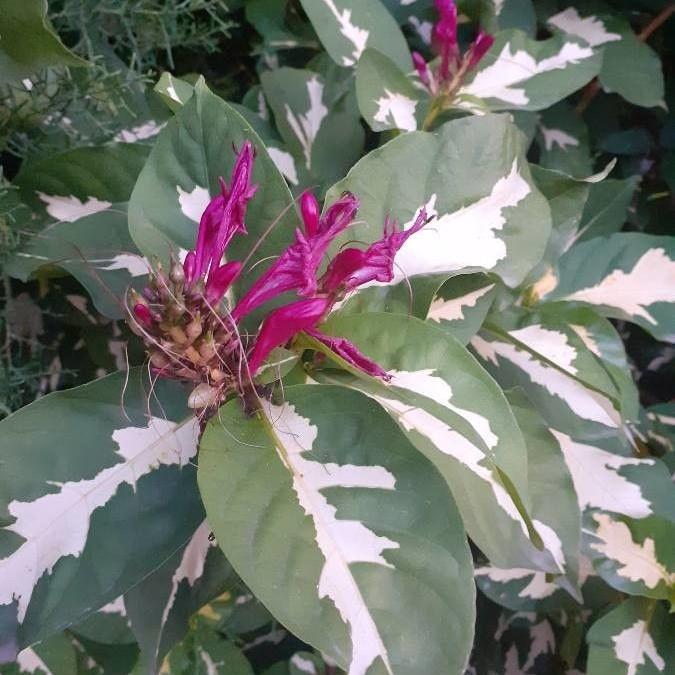
Caricature Plant
Graptophyllum pictum
Overview
The caricature plant is a lush evergreen shrub named for its uniquely patterned foliage, where irregular splotches of contrasting color on dark green leaves look like crude caricature drawings. It produces small, tubular purple or pink flowers in ideal growing conditions, though foliage is the primary ornamental feature. In its native tropical habitat, it grows as an understory shrub, and it is widely cultivated as a houseplant or outdoor ornamental in warm, frost-free regions.
Care Guide
Watering
Water the caricature plant when the top 1-2 inches of soil feel dry to the touch, reducing frequency in the winter months when growth slows. Avoid overwatering and soggy soil, as this can lead to root rot, but do not let the root ball dry out completely for extended periods. Use room-temperature, filtered water if possible to prevent leaf tip browning from chlorine or fluoride.
Light
Provide bright, indirect light for the most vibrant leaf variegation; direct midday sun will scorch the leaves, while too little light will cause the variegation to fade and growth to become leggy. A spot near an east-facing window, or a west or south window filtered with a sheer curtain, is ideal for indoor plants. Outdoors, it thrives in partial shade away from harsh, direct afternoon sunlight.
Soil
Plant in a well-draining, peat-based potting mix with added perlite or orchid bark to improve aeration and drainage. The ideal soil pH is slightly acidic, between 5.5 and 6.5, to support healthy nutrient uptake. Avoid heavy, clay-heavy soils that retain excess moisture for long periods.
Fertilizer
Feed with a balanced, water-soluble houseplant fertilizer diluted to half strength every 4-6 weeks during the spring and summer active growing season. Do not fertilize in fall and winter, when the plant enters a period of slower growth and excess nutrients can build up in the soil and damage roots. Flush the soil every 3-4 months during the growing season to remove any accumulated fertilizer salts.
Temperature
Caricature plants prefer consistent temperatures between 65-80°F (18-27°C) for optimal growth. They are highly frost-sensitive, and temperatures below 50°F (10°C) will cause leaf drop and potential plant death, so they must be brought indoors in cool climates before the first frost. Avoid placing them near cold drafts, heating vents, or air conditioning units that cause sudden temperature fluctuations.
Pruning
Prune in early spring before new growth begins to control size, remove leggy or damaged stems, and encourage bushier, more compact growth. Pinch off the growing tips of young stems regularly to promote branching and a fuller shape. Cut back any stems that have lost their variegation to encourage the growth of more vibrantly patterned foliage.
Propagation
The easiest method of propagation is stem cuttings, taken from 4-6 inch healthy stem tips in spring or early summer, with the lower leaves removed. Dip the cut end in rooting hormone powder, then place it in a moist, well-draining potting mix, keeping it warm and in bright indirect light until roots form in 2-4 weeks. It can also be propagated from seed, though this method is slower and less common for home growers, as seeds are rarely produced on indoor plants.
Humidity
Caricature plants thrive in moderate to high humidity levels between 50-70%, which mimics their native tropical understory habitat. Low indoor humidity, especially during winter heating months, can cause leaf tip browning; increase humidity by placing the plant on a pebble tray filled with water, using a room humidifier, or grouping it with other humidity-loving plants. Occasional misting with room-temperature water can also help, though avoid misting excessively if air circulation is poor to prevent fungal leaf spots.
Repotting
Repot young caricature plants every 1-2 years in spring, moving them to a pot one size larger than their current container when roots begin to grow out of the drainage holes. Mature plants only need repotting every 2-3 years, or when they show signs of being rootbound such as slowed growth or water draining straight through the pot immediately after watering. Always use a pot with drainage holes to prevent excess moisture buildup around the roots, and refresh the top inch of soil annually between repottings to replenish nutrients.
Uses & Symbolism
It is primarily grown as an ornamental houseplant for its striking, uniquely patterned foliage, adding vibrant color to indoor living spaces. In tropical and subtropical frost-free regions, it is used as a landscape shrub in shaded garden beds, borders, or as a low hedge. In some traditional medicinal practices in its native range, leaf extracts are used topically to treat minor skin irritations and wounds.
Diseases & Pests
Common pests include aphids, spider mites, and mealybugs, which tend to cluster on the undersides of leaves and along stems, sucking sap and causing leaf yellowing or stunted growth. Overwatering and poor drainage frequently lead to root rot, the most common fungal disease affecting caricature plants, which presents as wilting, yellow leaves and mushy, dark roots. Fungal leaf spot can also occur if foliage stays wet for extended periods with poor air circulation, presenting as small brown or black spots on the leaf surface.
Related plants
Other plants you might like if you grow Caricature Plant.
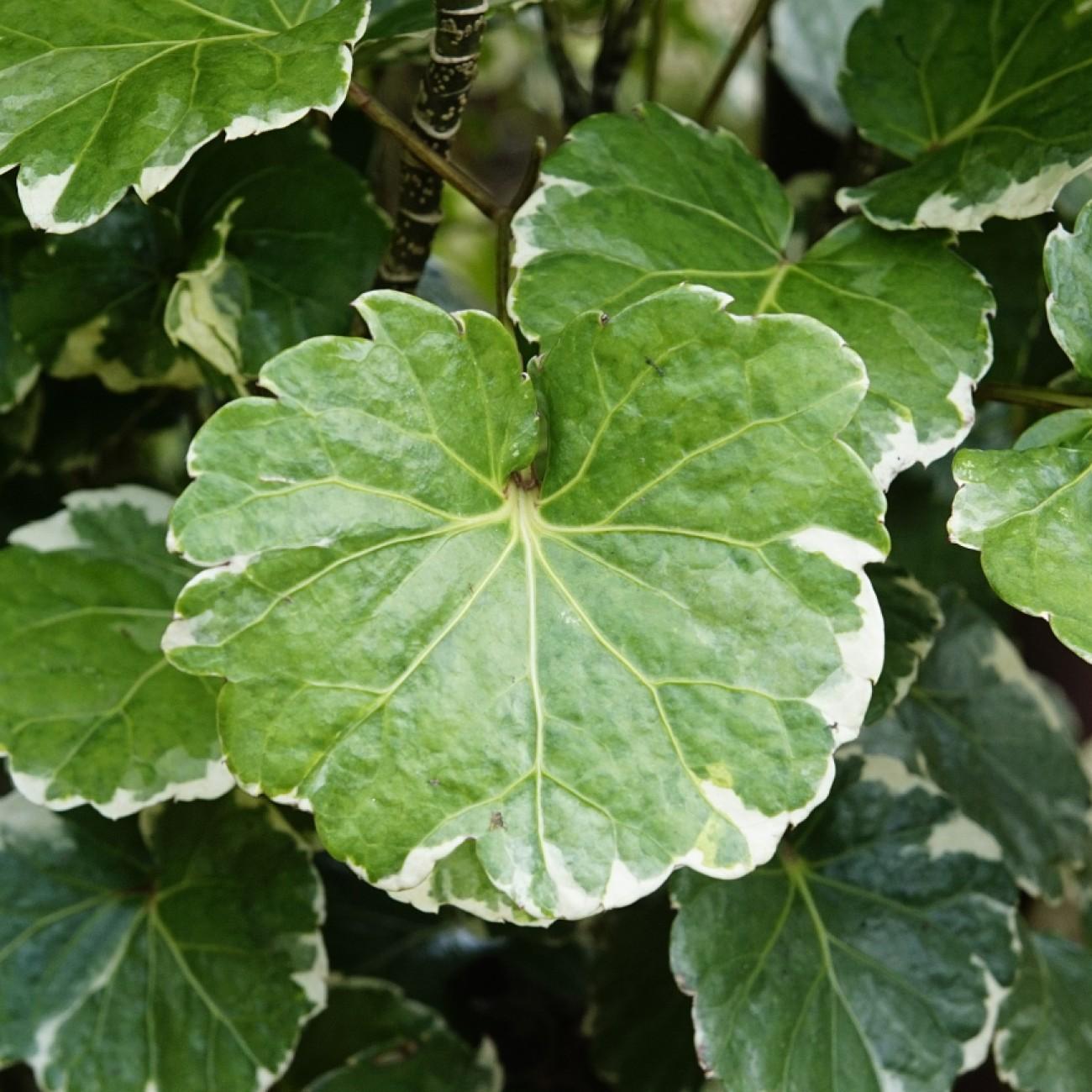
Balfour Aralia
Polyscias scutellaria 'Balfourii'
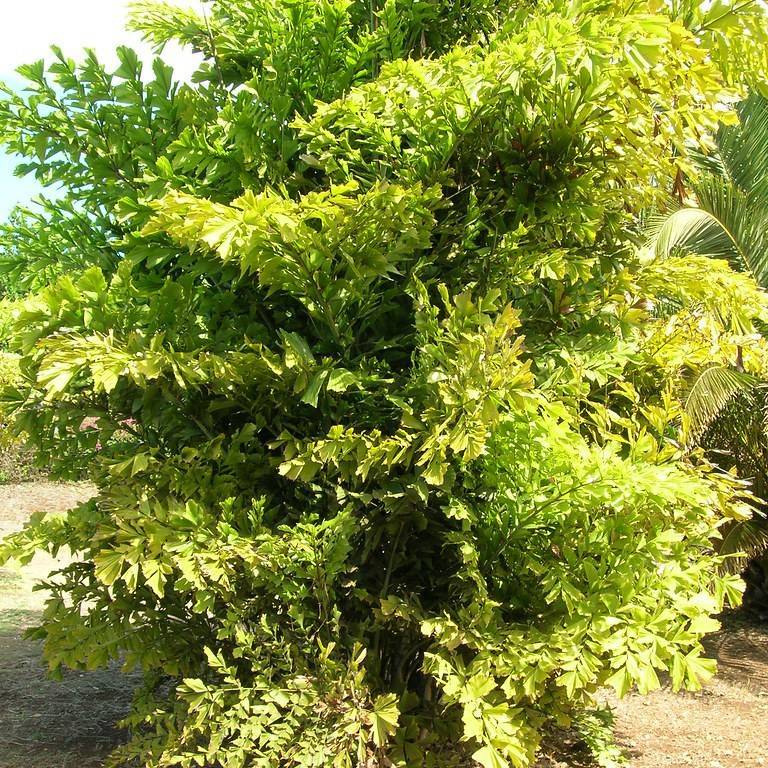
Fishtail Palm
Caryota mitis
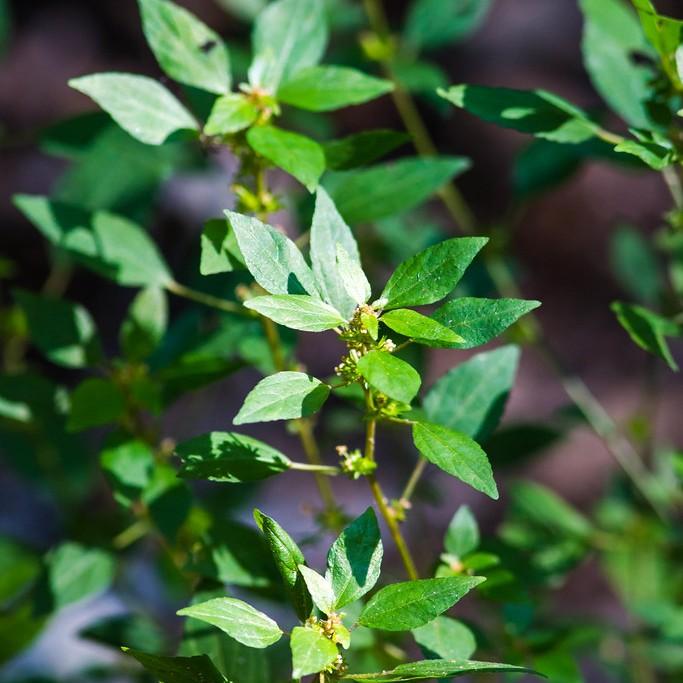
Common Copperleaf
Acalypha wilkesiana
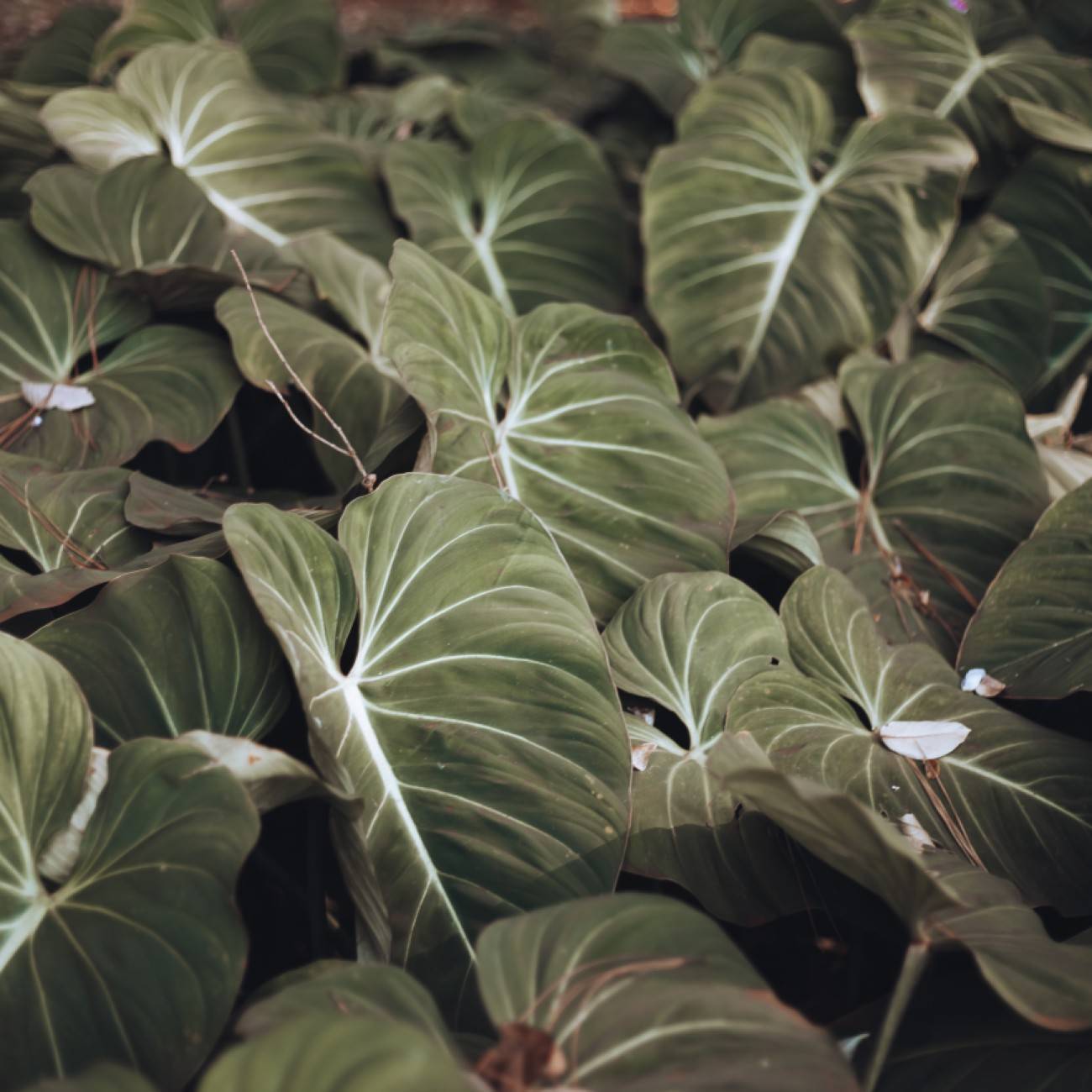
Hybrid Philodendron
Philodendron hybridum (group)
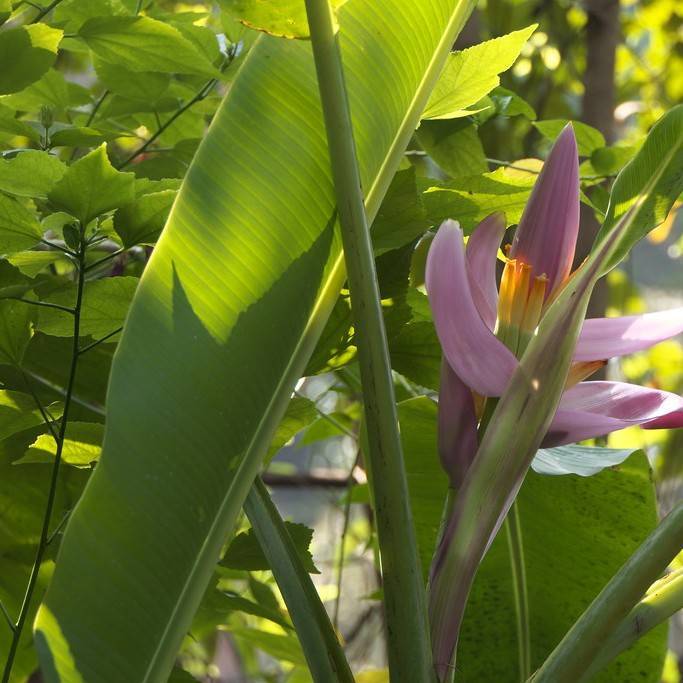
Flowering Banana
Musa ornata
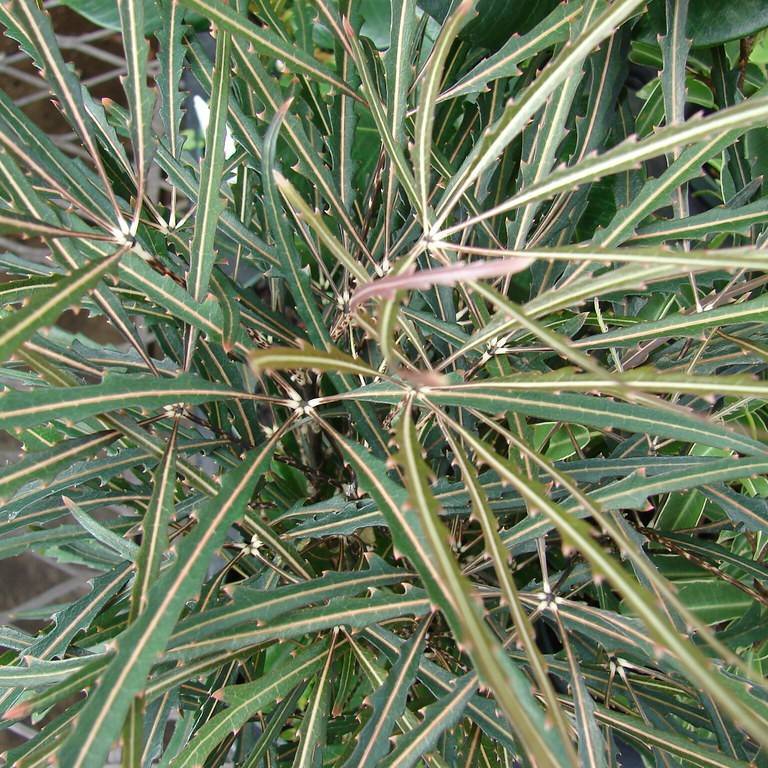
False Aralia
Plerandra elegantissima (syn. Schefflera elegantissima)
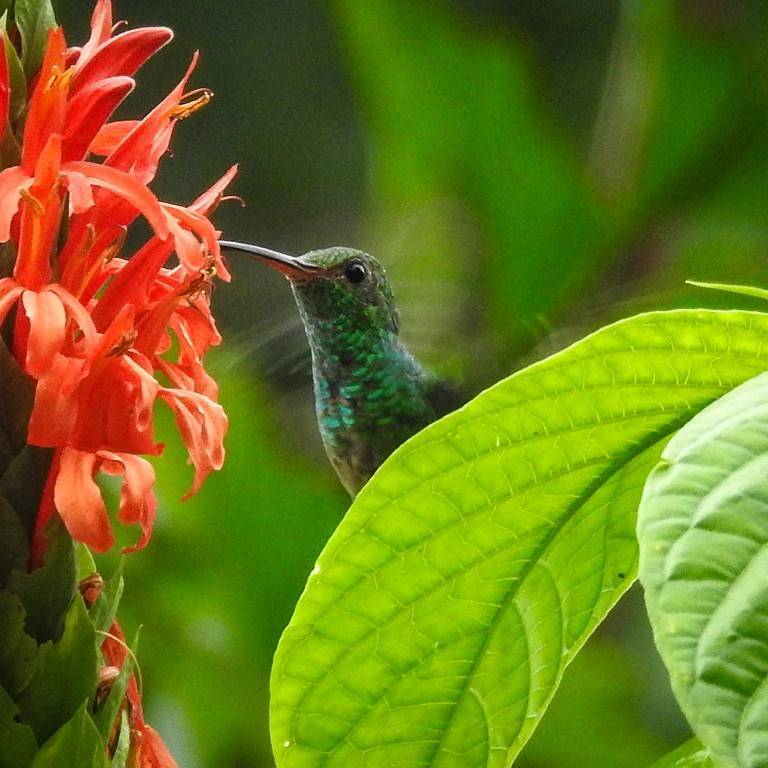
Cardinal's Guard
Pachystachys coccinea
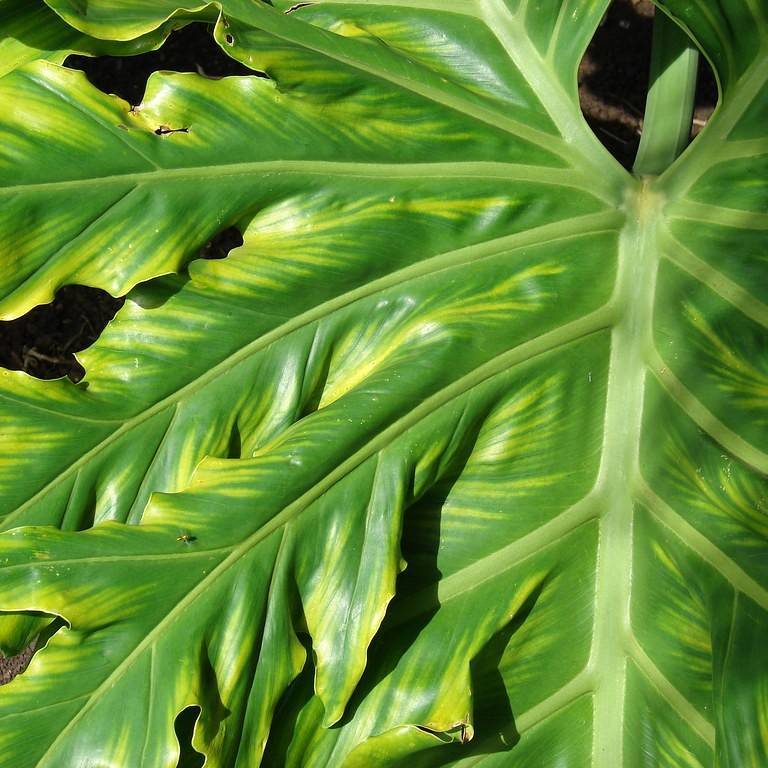
Horsehead Philodendron
Philodendron bipennifolium