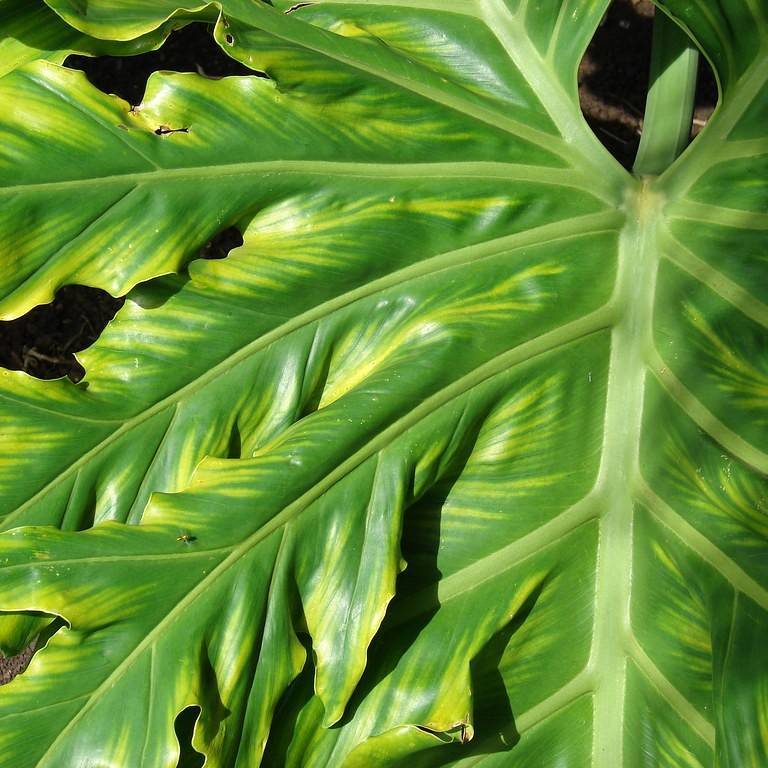
Horsehead Philodendron
Philodendron bipennifolium
Overview
The Horsehead Philodendron, also sometimes called Fiddleleaf Philodendron, is a climbing evergreen aroid that produces large, glossy, lobed leaves that mature to resemble the silhouette of a horse’s head. In its native habitat, it grows as an epiphyte, using aerial roots to cling to tree trunks and climb toward the forest canopy. It is a close relative of other popular philodendron species, valued for its striking foliage and adaptability to indoor growing conditions.
Care Guide
Watering
Water when the top 1-2 inches of soil feels dry to the touch, typically every 7-10 days during the growing season. Reduce watering frequency in winter to avoid overwatering and root rot, ensuring the pot has adequate drainage holes to expel excess moisture.
Light
Thrives in bright, indirect light, such as that filtered through a sheer curtain near an east or west-facing window. Avoid prolonged direct sunlight, which can scorch the leaves and cause unsightly brown patches, while too little light will lead to leggy growth and smaller, less defined foliage.
Soil
Requires a well-draining, nutrient-rich, slightly acidic potting mix with a pH between 5.5 and 6.5. A blend of standard potting soil, perlite, orchid bark, and peat moss or coco coir works well, as it retains enough moisture without becoming waterlogged and supports healthy root aeration.
Fertilizer
Feed once a month during the spring and summer growing season with a balanced, water-soluble houseplant fertilizer diluted to half the recommended strength. Do not fertilize in fall and winter, when the plant enters a period of slower growth and excess nutrients can build up in the soil and damage roots.
Temperature
Prefers consistent indoor temperatures between 65-80°F (18-27°C) for optimal growth. Avoid exposing the plant to temperatures below 55°F (13°C), as cold drafts from windows, doors, or air conditioning units can cause leaf drop and stunted growth.
Pruning
Prune away yellowed, damaged, or dead leaves at the base of their stems as needed to maintain the plant’s appearance and redirect energy to new growth. You can also trim back overlong vines in early spring to control the plant’s size and encourage a bushier, more compact growth habit, sterilizing pruning tools before use to prevent disease spread.
Propagation
Easiest to propagate via stem cuttings taken in spring or early summer, snipping a 4-6 inch section of healthy stem with at least 2-3 leaves and a few aerial roots. Place the cutting in a jar of clean water or directly into moist potting mix, keeping it in bright indirect light until roots form in 2-4 weeks, then transplant into a permanent pot.
Humidity
Thrives in moderate to high humidity levels between 50-70%, consistent with its native tropical rainforest environment. Boost humidity by placing the plant on a pebble tray filled with water, grouping it with other houseplants, or using a small room humidifier, as dry indoor air can lead to brown leaf tips.
Repotting
Repot every 2-3 years in early spring, or when the plant becomes root-bound and roots start growing out of the drainage holes. Choose a pot that is 1-2 inches larger in diameter than the current one, use fresh well-draining potting mix, and avoid burying the stem too deeply to prevent rot.
Uses & Symbolism
Primarily grown as an ornamental houseplant for its unique, eye-catching foliage, which adds a bold tropical touch to indoor spaces. It is also effective at filtering common indoor air pollutants including formaldehyde and benzene, improving indoor air quality. In its native range, it is sometimes used in traditional folk medicine for minor ailments, though it is toxic if ingested without proper preparation.
Diseases & Pests
Most common issues are root rot caused by overwatering and poor drainage, and bacterial leaf spot from overhead watering or high humidity paired with poor air circulation. Common pests include spider mites, mealybugs, and aphids, which can be controlled with regular neem oil applications, insecticidal soap, or wiping the leaves with a damp cloth to remove infestations early.
Related plants
Other plants you might like if you grow Horsehead Philodendron.
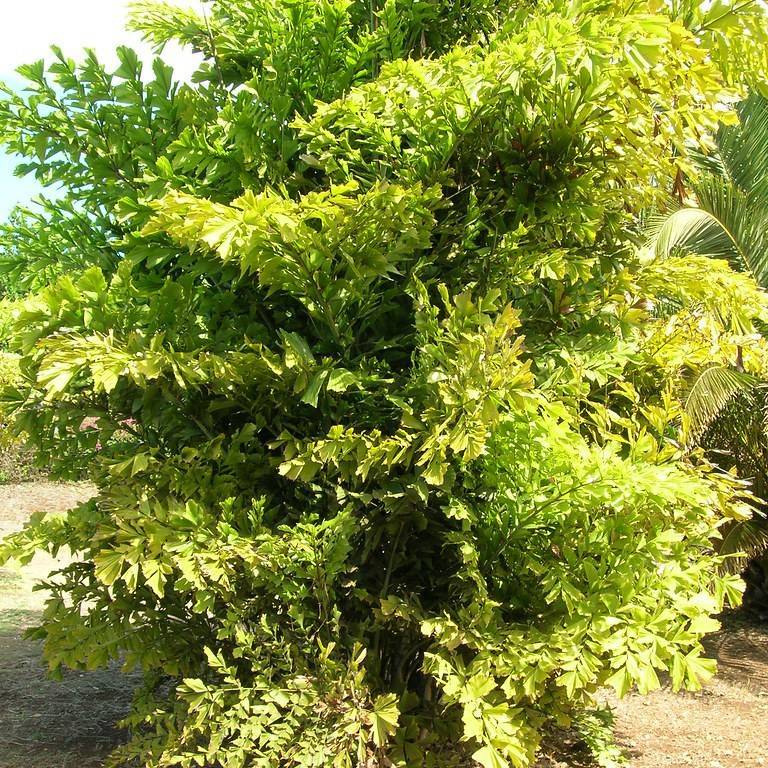
Fishtail Palm
Caryota mitis
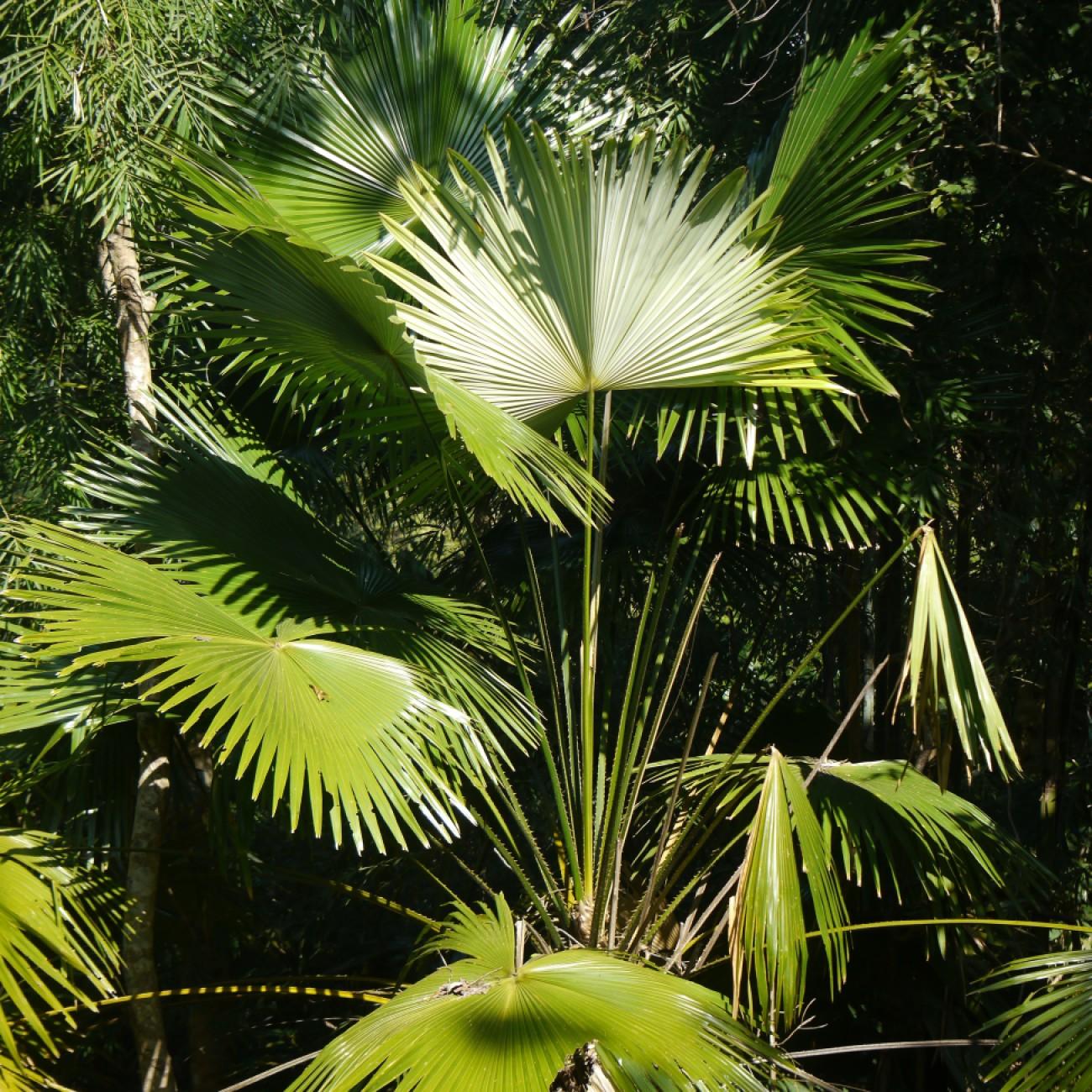
Fan Palm
Livistona chinensis
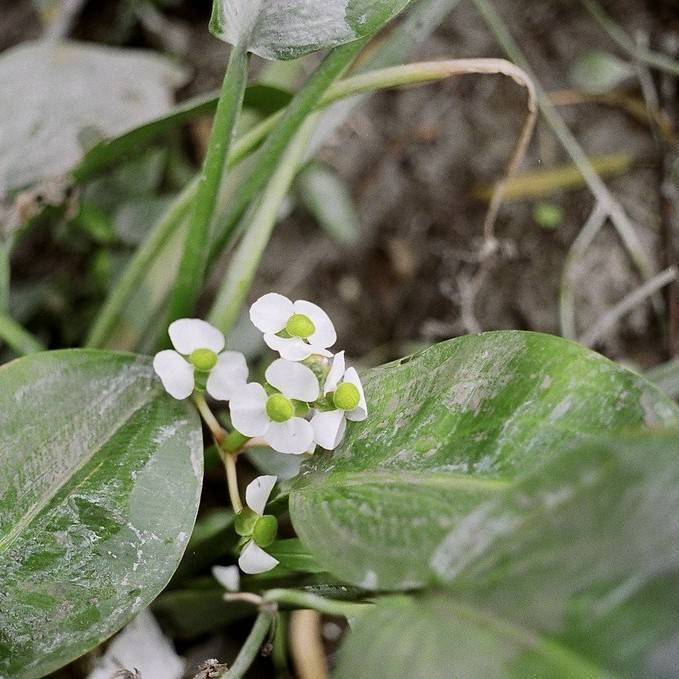
Arrowhead Plant
Syngonium podophyllum
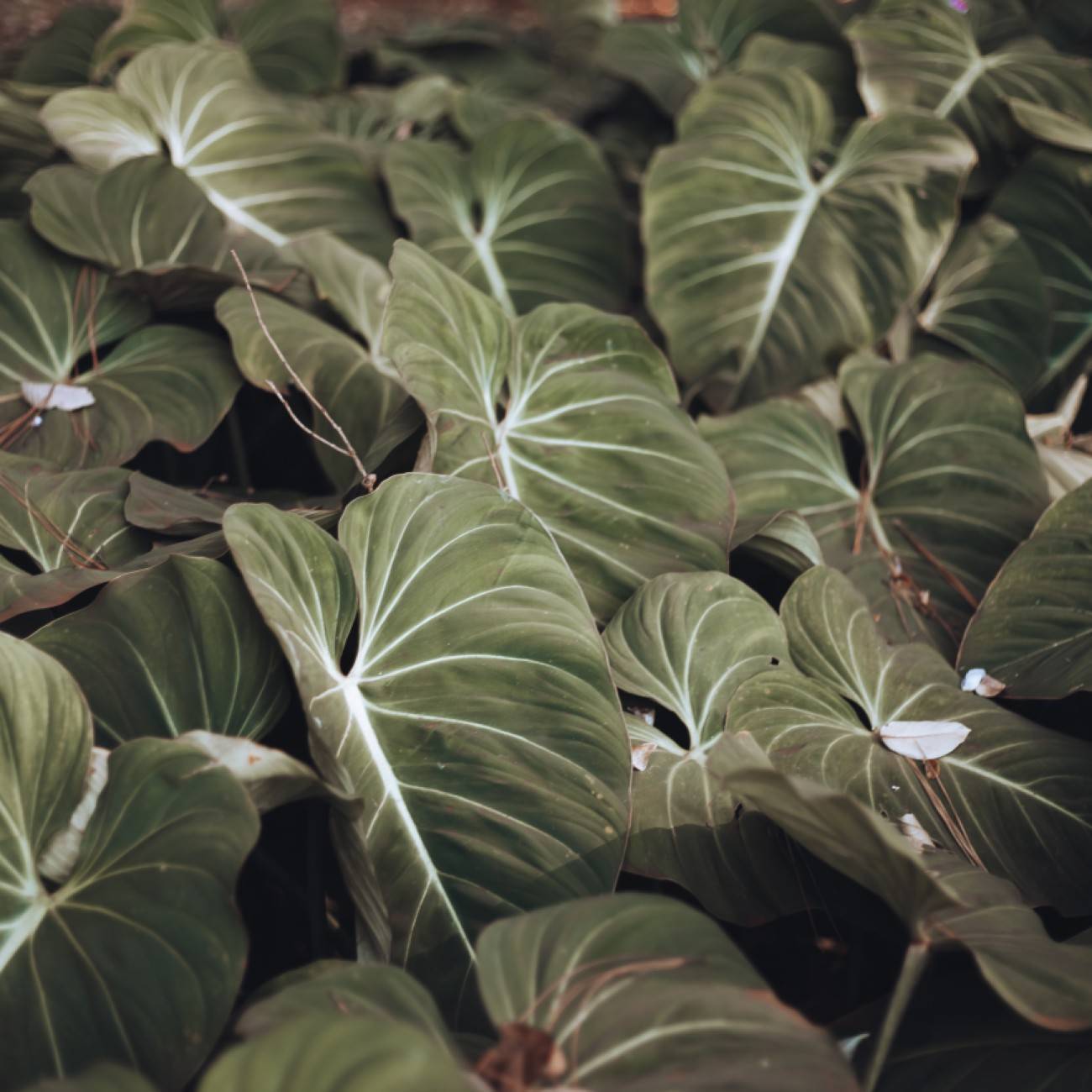
Hybrid Philodendron
Philodendron hybridum (group)
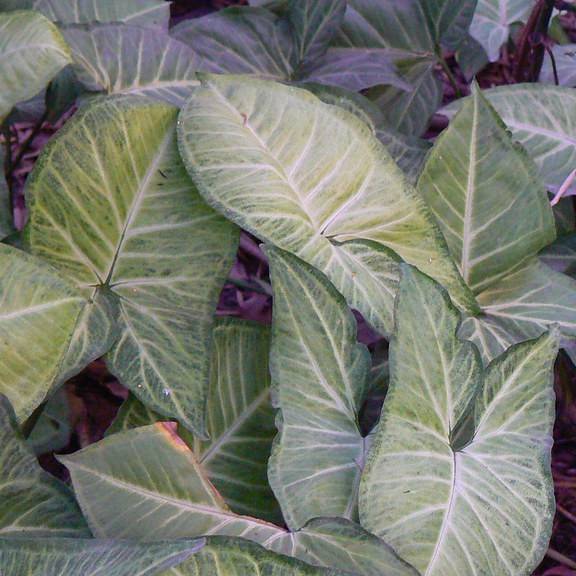
Arrowhead Plant
Syngonium podophyllum
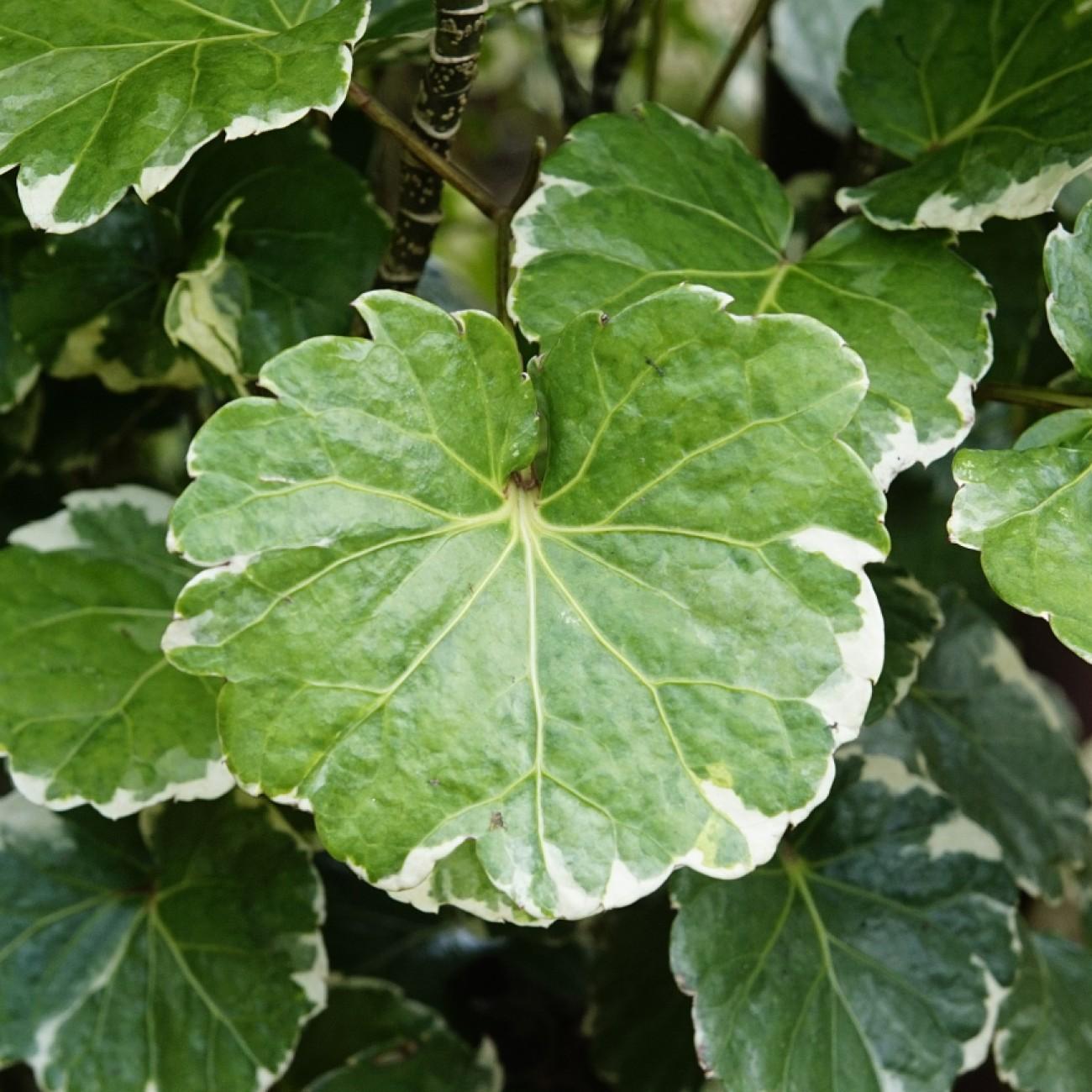
Balfour Aralia
Polyscias scutellaria 'Balfourii'
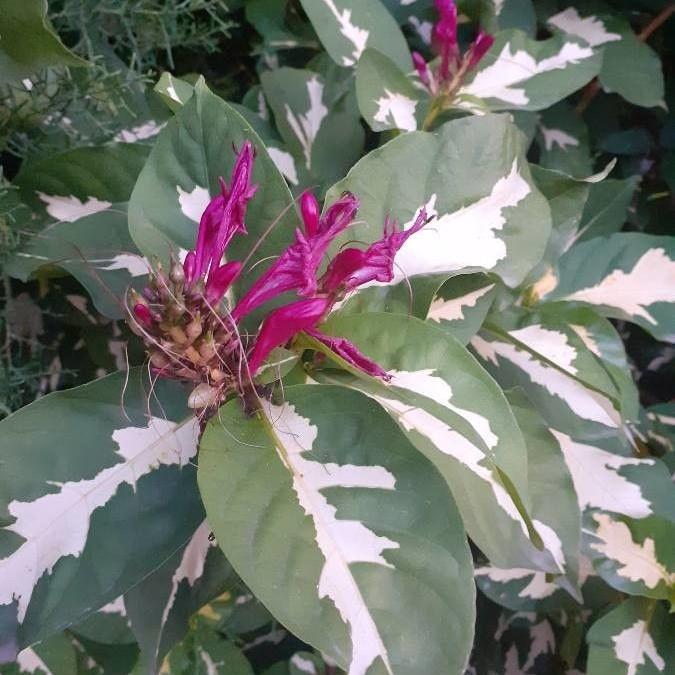
Caricature Plant
Graptophyllum pictum
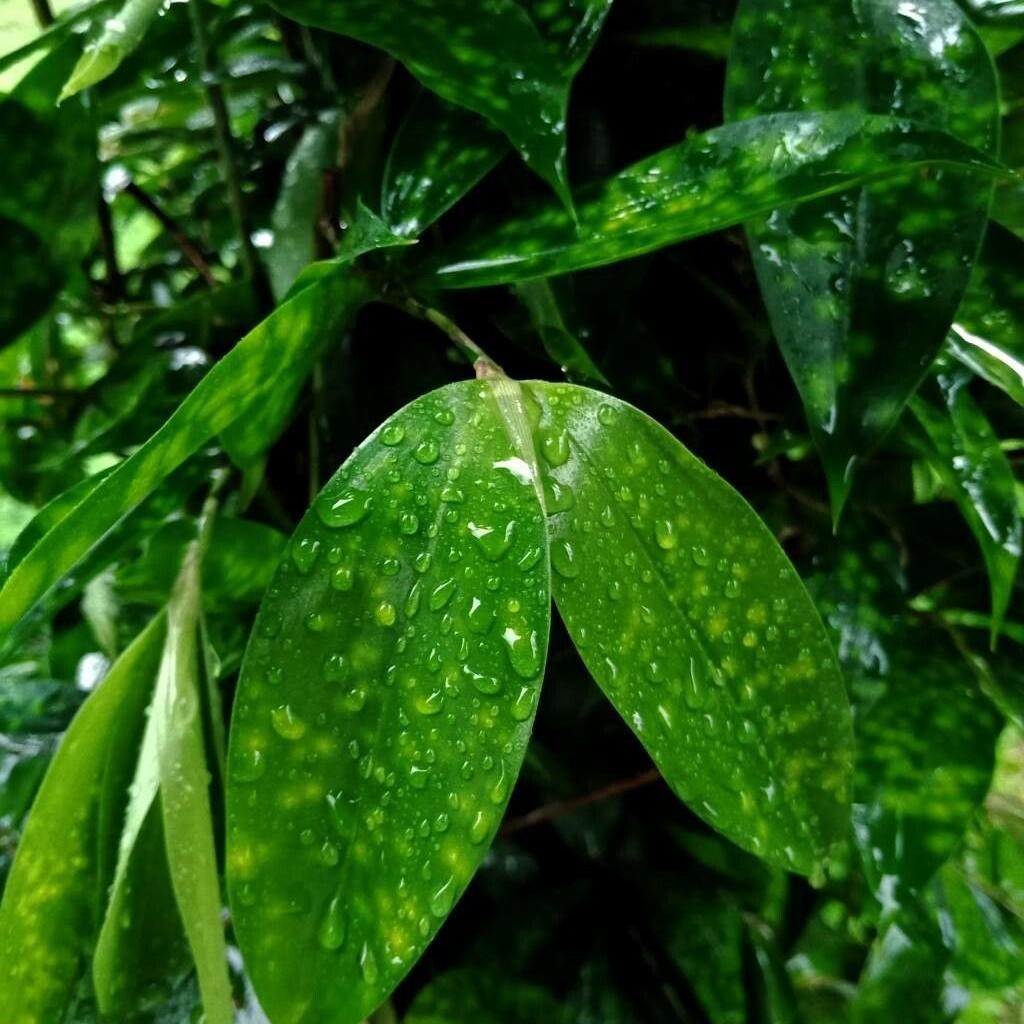
Gold Dust Dracaena
Dracaena surculosa 'Florida Beauty'