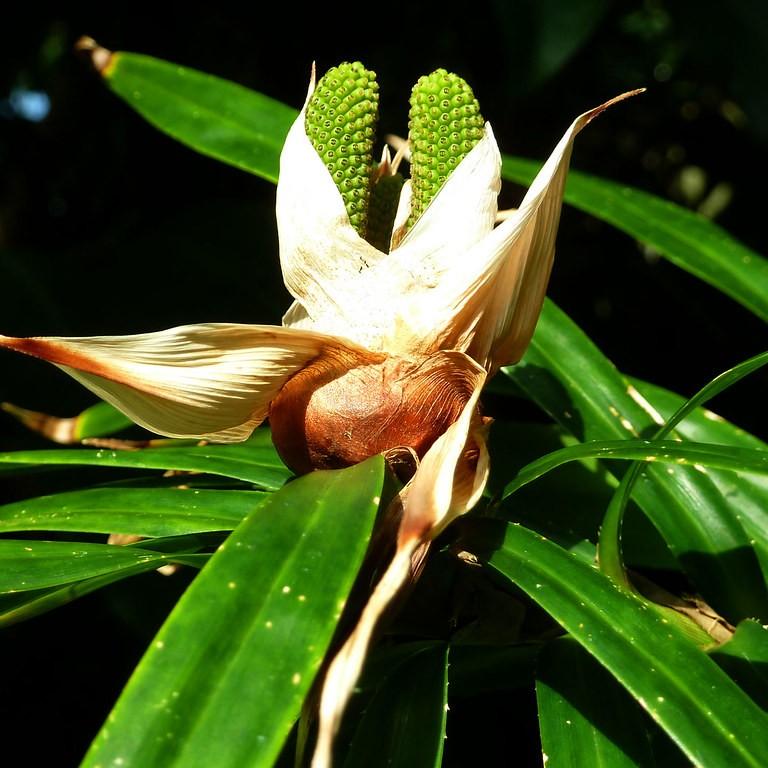
Climbing Pandanus
Freycinetia spp.
Overview
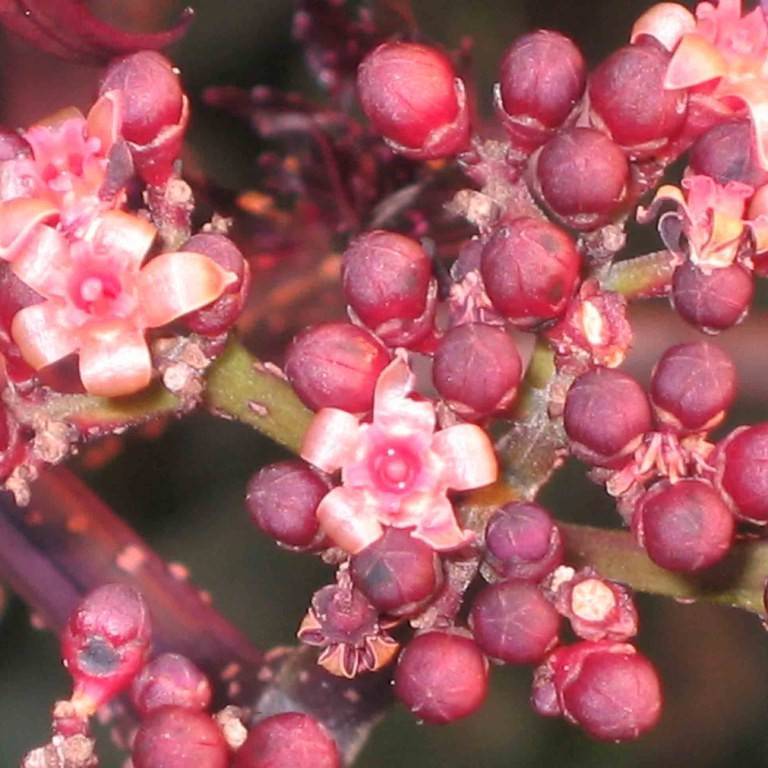
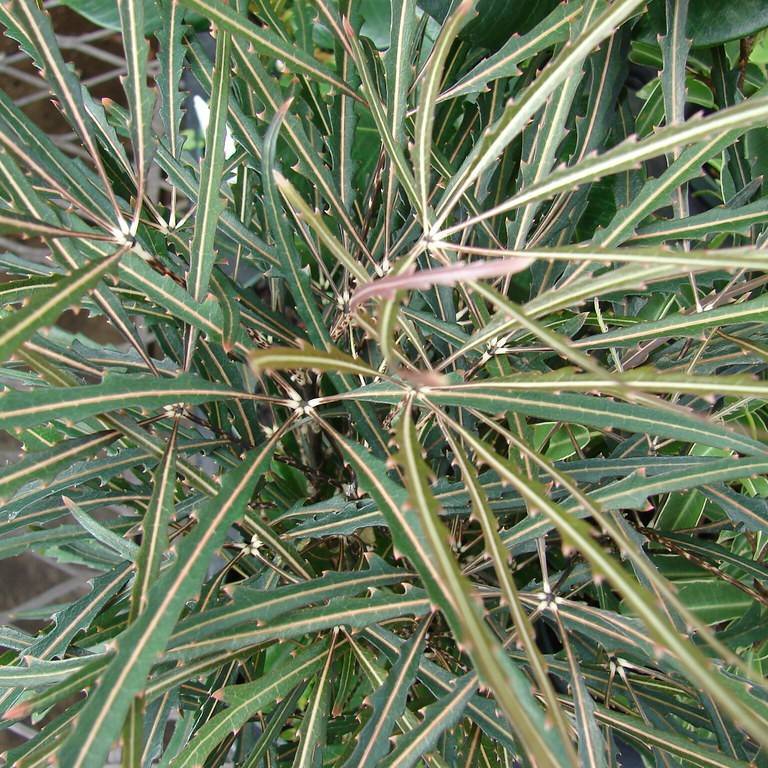
Freycinetia is a genus of over 180 climbing, scrambling, or epiphytic vines closely related to screw pines, featuring narrow, leathery, spirally arranged leaves with subtle serrated edges. Many species produce fragrant, colorful inflorescences surrounded by showy bracts, and some bear small, edible, berry-like fruits in their native habitats. Adapted to tropical forest understories, these vines use aerial rootlets to cling to tree trunks or supports, making them well-suited for trellis or moss pole cultivation in controlled environments.
Care Guide
Watering
Keep the soil consistently moist but not waterlogged year-round, allowing the top 1 inch of growing medium to dry out slightly between waterings to prevent root rot. Reduce watering frequency slightly in cooler winter months when the plant’s growth slows, avoiding extended dry periods that can cause leaf browning at the tips. Use rainwater or filtered water if possible, as Freycinetia can be sensitive to high levels of chlorine or fluoride in tap water.
Light
Thrives in bright, indirect light, similar to the dappled sunlight of its native tropical forest understory. Avoid prolonged direct midday sun, which can scorch the delicate leaf tissue, while too little light will lead to leggy, sparse growth and a lack of vibrant foliage color. Indoor plants do best near east or north-facing windows, or set back from south or west-facing windows with a sheer curtain to filter harsh light.
Soil
Requires a well-draining, rich, airy growing medium with high organic matter content to support its fine, fibrous root system. A mix of orchid bark, peat moss or coco coir, perlite, and a small amount of compost works well, with a slightly acidic to neutral pH between 5.5 and 7.0. For epiphytic varieties, the plant can also be grown mounted on a slab of cork or wood with sphagnum moss around the root ball instead of potted in soil.
Fertilizer
Feed with a balanced, diluted liquid houseplant fertilizer every 4 to 6 weeks during the active growing season from spring through early fall. Avoid over-fertilizing, which can cause salt buildup in the soil leading to brown leaf tips and root damage, and never apply fertilizer to dry soil to prevent root burn. Suspend fertilization entirely during the winter months when growth is dormant.
Temperature
Prefers consistent warm temperatures between 65°F and 85°F (18°C to 29°C), typical of its native tropical range. Avoid temperatures below 55°F (13°C) at all times, as cold drafts or sudden temperature drops can cause leaf drop and permanent damage to the plant. Keep indoor specimens away from air conditioning vents, exterior doors, and drafty windows during cooler months.
Pruning
Prune in early spring before new growth emerges to control the plant’s size, remove any yellowed, damaged, or dead foliage, and encourage bushier growth. Trim back overlong, unruly vines to the desired length, making clean cuts just above a leaf node to stimulate new branching from that point. Disinfect pruning tools before use to prevent the spread of fungal or bacterial pathogens to the plant.
Propagation
Most commonly propagated via stem cuttings taken during the active growing season, selecting 4 to 6 inch long sections of healthy, mature vine with at least 2 to 3 leaf nodes and a few aerial roots if present. Dip the cut end in rooting hormone, then plant it in a moist, well-draining propagation mix, keeping it in warm, high-humidity conditions with bright indirect light until roots develop in 4 to 8 weeks. Propagation from seed is rare in cultivation, as seeds are rarely produced on indoor-grown plants and have a very short viability period.
Humidity
Requires high humidity levels between 60% and 80% to thrive, mimicking its native tropical rainforest environment. Low indoor humidity will cause leaf tip browning and stunted growth, so regularly mist the foliage, place the plant on a pebble tray filled with water, or use a room humidifier to maintain adequate moisture levels. Grouping Freycinetia with other tropical plants will also help raise the surrounding ambient humidity naturally.
Repotting
Repot young, actively growing plants every 1 to 2 years in spring, moving them to a pot just 1 to 2 inches larger in diameter than the current one to avoid overpotting and excess soil moisture retention. Mature plants only need repotting every 3 to 4 years, or when roots begin to grow heavily out of the drainage holes or circle the inside of the pot. When repotting, handle the delicate root system gently to avoid damage, and refresh the growing medium entirely to provide new nutrients.
Uses & Symbolism
In its native range, some Freycinetia species produce edible fruits and fibrous leaves that are used for weaving mats, baskets, and traditional handicrafts, while the fragrant bracts of certain species are used in cultural ceremonies and floral arrangements. In temperate regions, it is primarily grown as a unique ornamental houseplant or greenhouse specimen, valued for its lush, vining foliage and ability to climb moss poles or trellises to add vertical greenery to interior spaces. Some species are also planted in tropical landscape gardens as groundcover or climbing vines for shaded, high-humidity garden areas.
Diseases & Pests
Freycinetia is relatively pest-resistant when grown in optimal conditions, but can be affected by common houseplant pests including spider mites, mealybugs, and scale insects, which thrive in low-humidity environments and can be treated with neem oil or insecticidal soap. Overwatering and poor drainage are the most common causes of root rot, a fungal condition that causes yellowing leaves, wilting, and eventual plant death if not addressed promptly by repotting in fresh, dry soil and adjusting watering practices. Low humidity and overexposure to direct sun can also cause cosmetic leaf damage including brown tips and scorched patches, which can be trimmed away while adjusting the plant’s growing conditions.
Related plants
Other plants you might like if you grow Climbing Pandanus.