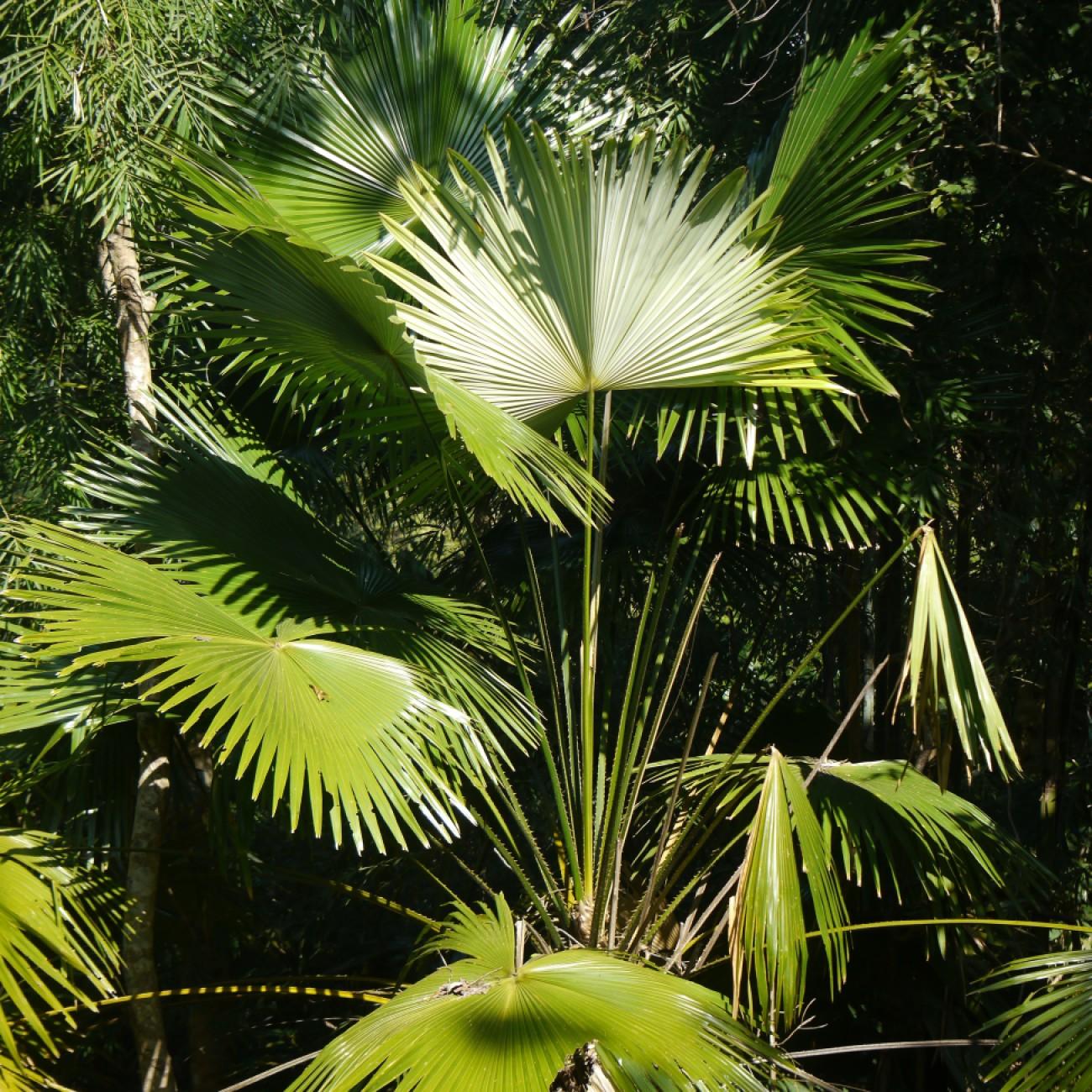
Fan Palm
Livistona chinensis
Overview
The Fan Palm, commonly referred to as the Chinese Fan Palm, is recognized for its large, pleated, fan-shaped green fronds that arch gently from thick, woody stems as the plant matures. Young plants have a compact, bushy form ideal for indoor display, while outdoor specimens develop a tall, slender trunk over time. This slow-growing palm is prized for its tolerance of lower light and occasional neglect compared to many other tropical palm species.
Care Guide
Watering
Allow the top 2 to 3 inches of soil to dry out completely between waterings to prevent root rot, reducing frequency significantly during the fall and winter months when growth slows. Use room-temperature, filtered water if possible to avoid leaf tip burn from chlorine or fluoride found in most tap water supplies.
Light
Thrives in bright, indirect light, though it can tolerate low to medium light conditions for extended periods, making it suitable for most indoor spaces. Avoid prolonged exposure to direct, intense midday sun, which can scorch its delicate fronds and cause unsightly brown patches.
Soil
Requires a well-draining, porous potting mix formulated for palms or a blend of regular potting soil, perlite, and peat moss to balance moisture retention and aeration. The ideal soil pH ranges from slightly acidic to neutral, between 6.0 and 7.5, to support optimal nutrient uptake.
Fertilizer
Feed once a month during the active spring and summer growing season with a balanced, slow-release palm fertilizer formulated to contain micronutrients including magnesium and manganese to prevent frond yellowing. Do not fertilize in fall or winter when the plant is dormant, as this can lead to salt buildup in the soil and root damage.
Temperature
Prefers average indoor temperatures between 65 and 80°F (18 to 27°C), and can tolerate brief dips down to 20°F (-7°C) for short periods when grown outdoors in USDA hardiness zones 9 through 11. Protect from cold drafts and sudden temperature swings indoors, which can cause leaf drop and stress the plant.
Pruning
Remove only fully brown, dead fronds at the base of the stem using clean, sharp pruning shears, as partially yellow fronds still provide the plant with valuable nutrients. Avoid over-pruning, as this can stunt growth and leave the palm vulnerable to pest infestations and disease.
Propagation
Most commonly propagated from fresh, ripe seeds, which require warm, consistently moist soil and temperatures above 75°F (24°C) to germinate, a process that can take several months to complete. Division of mature, clumping specimens is possible but less common, as fan palms typically grow from a single central stem.
Humidity
Adaptable to average household humidity levels between 40 and 60 percent, but will benefit from occasional misting or placement on a pebble tray filled with water during dry winter months to boost ambient moisture. Low humidity may cause brown leaf tips, though this is largely a cosmetic issue that does not harm the overall health of the plant.
Repotting
Repot young plants every 2 to 3 years in spring, moving to a pot just 1 to 2 inches larger in diameter than the current one to avoid excess soil that holds unnecessary moisture. Mature specimens only need repotting every 4 to 5 years, as they prefer being slightly root-bound to support healthy growth.
Uses & Symbolism
Widely grown as a decorative indoor houseplant for homes and offices, adding a lush, tropical aesthetic to interior spaces with minimal care requirements. In warm, frost-free climates, it is planted as a landscape specimen in gardens, parks, and along streets, where it provides light shade and visual interest. Its durable fronds are sometimes harvested for use in traditional weaving and craft projects in its native range.
Diseases & Pests
Susceptible to common houseplant pests including spider mites, mealybugs, and scale insects, which can be controlled with regular neem oil applications or insecticidal soap sprays. Overwatering and poorly draining soil frequently lead to root rot, the most common fungal disease affecting fan palms, which can be prevented by allowing the topsoil to dry between waterings. Potassium and magnesium deficiencies are also common, causing yellow or brown frond tips, which can be corrected with regular applications of specialized palm fertilizer.
Guides that mention Fan Palm
Related plants
Other plants you might like if you grow Fan Palm.
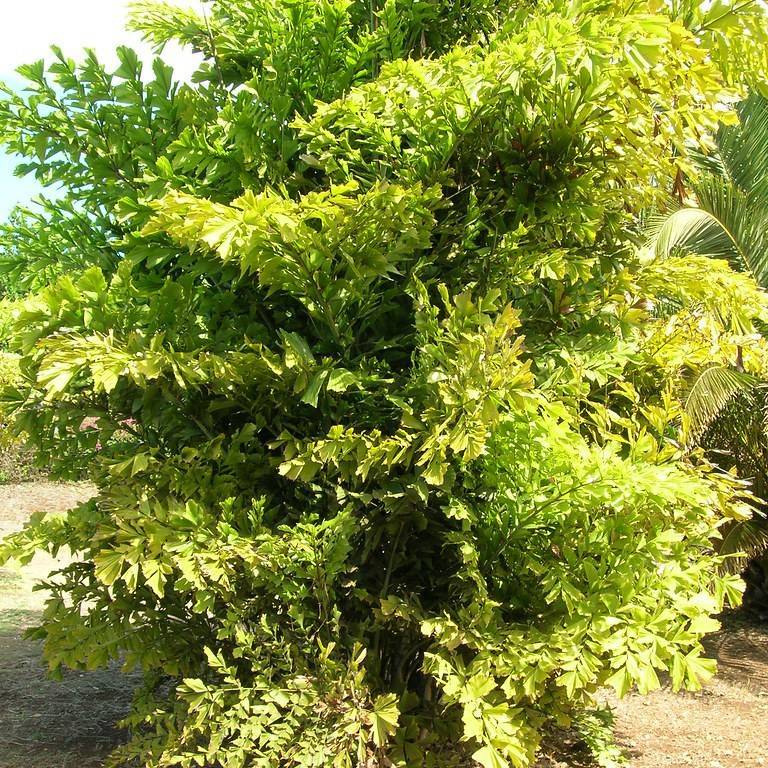
Fishtail Palm
Caryota mitis
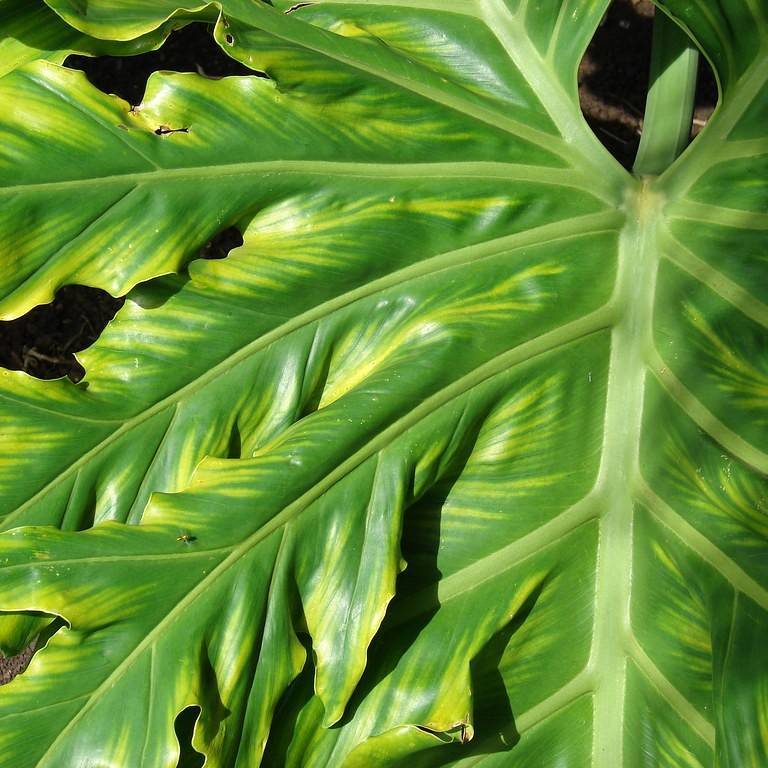
Horsehead Philodendron
Philodendron bipennifolium
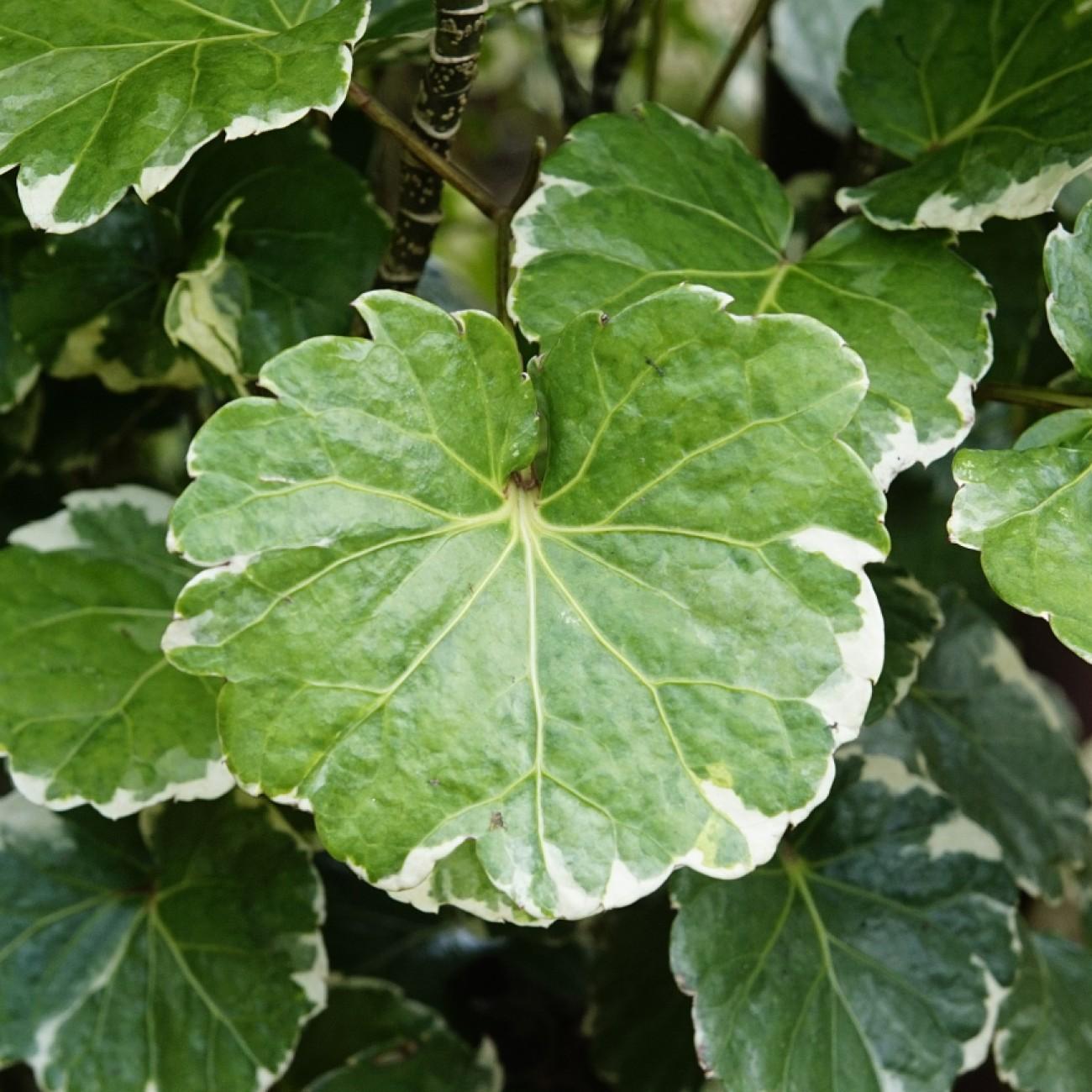
Balfour Aralia
Polyscias scutellaria 'Balfourii'
Caricature Plant
Graptophyllum pictum
Arrowhead Plant
Syngonium podophyllum
Gold Dust Dracaena
Dracaena surculosa 'Florida Beauty'
Hybrid Philodendron
Philodendron hybridum (group)
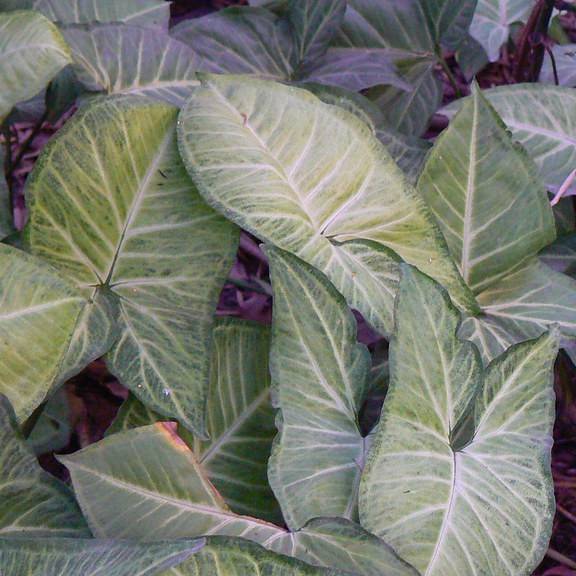
Arrowhead Plant
Syngonium podophyllum