Calathea Watering & Repotting: No-Fuss Care Guide for Healthy Patterned Foliage
Learn how to water calathea correctly, plus simple repotting steps to keep your tropical houseplant lush, happy, and free of root rot.
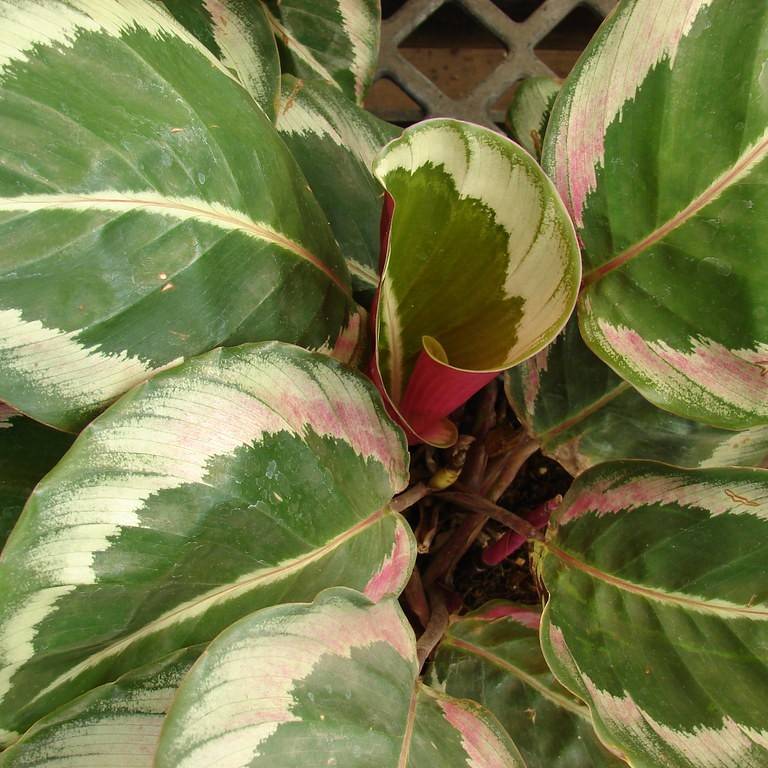
Calathea Watering & Repotting: No-Fuss Care Guide for Healthy Patterned Foliage
Calathea watering depends on soil moisture levels rather than a fixed schedule. Water your plant only when the top 2 inches of soil feel completely dry, typically every 1 to 2 weeks in growing seasons and every 3 to 4 weeks in fall and winter. Use room-temperature filtered water to avoid leaf damage, and always empty excess water from the saucer to prevent root rot.
Calatheas, including popular varieties like the peacock plant (Calathea makoyana) and rattlesnake plant (Calathea lancifolia), are beloved for their vivid, patterned foliage, but their tropical origins make them sensitive to inconsistent moisture and cramped root space. This guide combines calathea watering and calathea repotting guidance to help you avoid common, interconnected care mistakes that lead to yellow leaves, root rot, and stunted growth. For more general care tips for all varieties, see our full Calathea spp. care guide.
How to Tell If Your Calathea Needs Water
Check your calathea’s moisture levels first before watering, as frequency varies by season, humidity, and pot size. Stick your index finger 2 inches into the soil—water only if the top 2 inches feel completely dry. You can also lift the pot: if it feels unusually light, it’s time to hydrate your plant.
3 Quick Moisture Checks for Beginners
- Finger test: Insert 2 inches into soil, water if dry
- Pot weight check: Lift the pot, water if it feels significantly lighter than after a recent watering
- Bamboo skewer test: Stick a clean skewer into the soil, pull it out, and water if no damp soil clings to the bottom half
Seasonal Calathea Watering Adjustments
Water your calathea roughly once every 1 to 2 weeks in spring and summer when growth is active. In fall and winter, slow watering to once every 3 to 4 weeks, as lower light and cooler temperatures slow moisture evaporation from soil. Always test soil moisture first instead of following a strict schedule to avoid overwatering.
Best Practices for Watering Calathea
Calatheas are sensitive to harsh chemicals in tap water, so use filtered, distilled, or rainwater at room temperature to avoid brown leaf tips. Water thoroughly until excess moisture drains out the bottom of the pot, then empty the saucer immediately to prevent standing water around the roots.
Common Calathea Watering Mistakes to Avoid
- Using cold tap water: Can shock roots and cause leaf browning
- Letting the plant sit in standing water: Leads to root rot and yellowing leaves
- Watering on a fixed schedule instead of testing soil: Often leads to over or underwatering
- Misting as a replacement for deep watering: Misting boosts humidity but does not hydrate roots effectively
Fixing Overwatered or Underwatered Calathea
If your calathea has yellow, mushy leaves and soggy soil, it’s overwatered: hold off on watering until the soil dries fully, and repot if root rot has set in. If leaves are curling, crispy, or drooping, it’s underwatered: give it a deep, thorough soak, and consider adding a humidity tray nearby to support recovery. The Sproutly app can help you diagnose leaf issues and track your watering schedule to avoid repeat mistakes.
When to Repot Your Calathea
Repot your calathea every 1 to 2 years in early spring, right before its active growing season starts. You’ll know it’s time to repot if you see roots growing out of the drainage holes, the soil dries out much faster than usual, or the plant looks cramped in its current pot.
Signs Your Calathea Needs Repotting Immediately
- Roots poking out of the top of the soil or drainage holes
- Water runs straight through the pot without absorbing into soil
- Stunted growth even during spring and summer
- Foul, musty smell coming from the soil (a sign of root rot)
Step-by-Step Calathea Repotting Guide
Repot your calathea carefully to avoid stressing its delicate roots. Choose a pot that is 1 to 2 inches wider than its current container, with drainage holes to prevent water buildup. Use a well-draining, airy potting mix designed for tropical houseplants, such as a blend of peat moss, perlite, and orchid bark.
Simple Repotting Steps for Beginners
- Water your calathea 1 day before repotting to loosen the soil and reduce root stress
- Gently tip the pot on its side and slide the plant out, being careful not to tear the roots
- Shake off excess old soil from the root ball, and trim any mushy, brown, or rotten roots with clean scissors
- Add a 1-inch layer of fresh potting mix to the bottom of the new pot
- Set the calathea in the new pot so its root ball sits ½ inch below the pot rim, then fill in gaps with fresh soil
- Water lightly to settle the soil, and place the plant back in its usual partial-shade spot
Post-Repotting Watering Tips for Calathea
After repotting, give your calathea a light, even watering to settle the fresh soil around its roots. Avoid heavy watering for the first 2 weeks, as the plant will be adjusting to its new environment and its roots will absorb moisture more slowly while they recover from minor transplant stress.
How to Care for Your Calathea After Repotting
Keep your calathea in its usual partial-shade spot for 2 to 4 weeks after repotting, and avoid fertilizing for 1 month to prevent burning sensitive new roots. If you notice slight drooping after repotting, this is normal: maintain consistent humidity and only water when the top 2 inches of soil are dry, and the plant should recover within a week. You can log your repotting and watering dates in the Sproutly app to track your plant’s progress and get customized care reminders.
Frequently Asked Questions
Can I repot my calathea if it’s flowering?
It’s best to wait to repot a flowering calathea until after its blooms fade, as repotting during flowering can stress the plant and cause it to drop its blooms early. If your plant has root rot and needs immediate repotting, you can proceed, but expect some temporary bloom loss as it recovers.
What type of water is best for calathea?
Use filtered, distilled, or rainwater at room temperature for calathea. Tap water often contains chlorine, fluoride, and salt that can build up in soil and cause brown, crispy leaf tips over time. If you only have tap water, leave it out in an open container for 24 hours to let some chemicals evaporate before using.
Should I mist my calathea between waterings?
Misting can help boost humidity for your calathea, which thrives in 50-60% humidity levels, but it is not a replacement for regular deep watering. Mist the leaves 1-2 times a week if your home is dry, but always check soil moisture before watering the roots to avoid overwatering.
Try Sproutly
Tired of second-guessing when to water or repot your calathea? The Sproutly app offers instant plant identification, customized care reminders, and symptom diagnosis to help you keep your tropical houseplants happy and healthy. Get started today to take the guesswork out of plant care.
Related Reading
More guides you may like
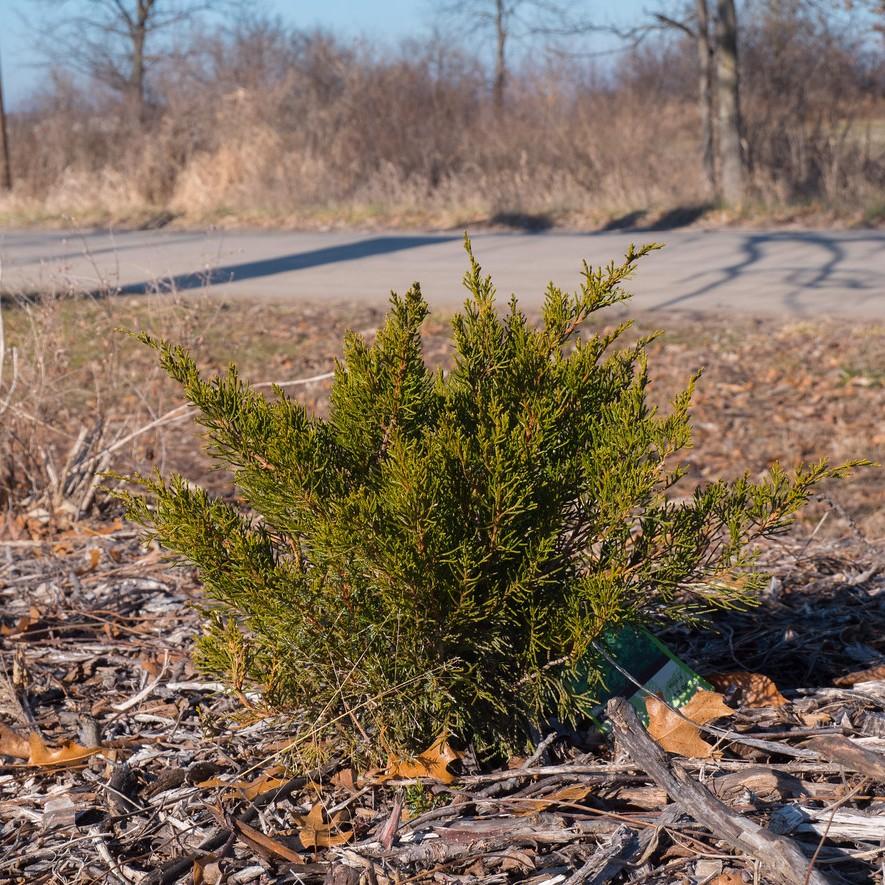
Dwarf Peach Tree: Complete Care, Growing Guide & Top Varieties for Small Spaces
Learn how to grow a dwarf peach tree in containers or small yards, get care tips, top variety picks, and solutions for common issues like brown rot and peach leaf curl.
2026-07-24 · 18 min read
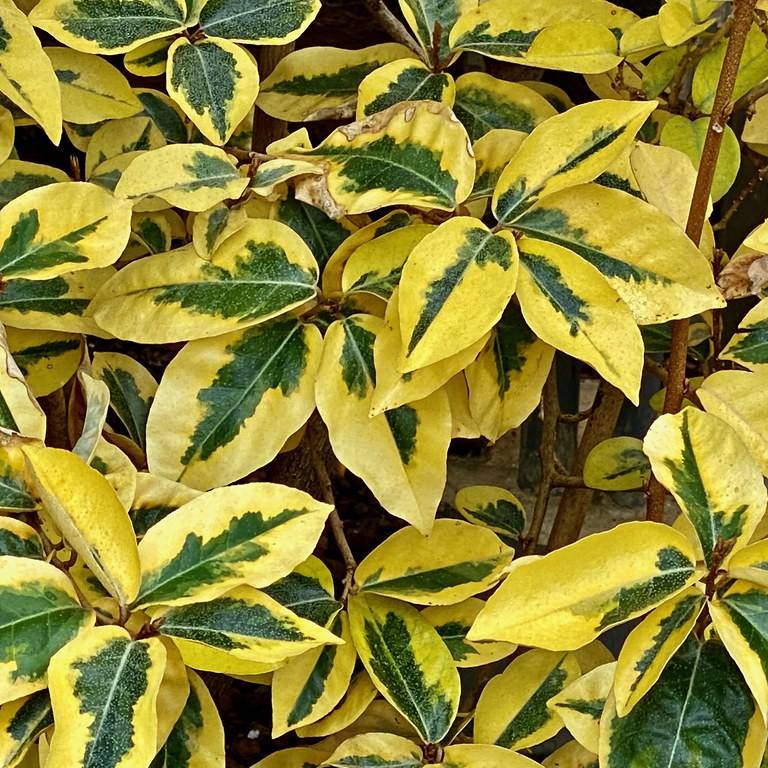
Elaeagnus ebbingei (Oleaster): Complete Care, Identification, and Growing Guide
Learn to grow, care for, and identify Elaeagnus ebbingei, a hardy, pet-safe evergreen shrub with silvery foliage, fragrant flowers, and edible berries.
2026-07-24 · 16 min read
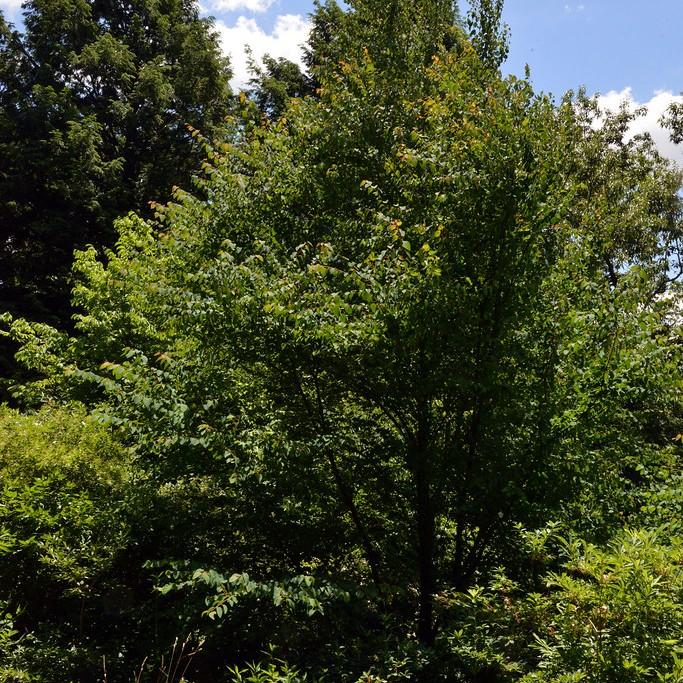
Cercidiphyllum japonicum Rotfuchs: Complete Care, Growth, and Identification Guide
Learn all about Cercidiphyllum japonicum Rotfuchs (Red Fox Katsura Tree), including its growth rate, care needs, planting tips, and unique foliage traits.
2026-07-23 · 10 min read