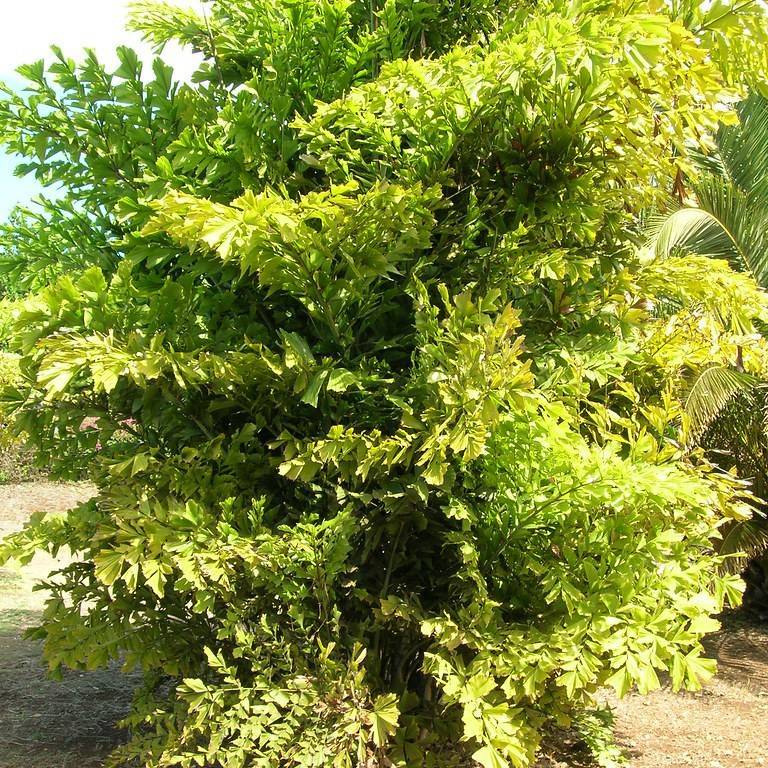
Fishtail Palm
Caryota mitis
Overview
The fishtail palm earns its common name from its unique bipinnate fronds, where individual leaflets have irregular, jagged edges that resemble the tail fin of a fish. It is a clustering palm, producing multiple slender, ringed trunks from its base rather than a single large trunk, creating a full, bushy appearance as it matures. In its native tropical habitat, it produces small, purple-black fruits after flowering, though fruiting is rare when grown indoors.
Care Guide
Watering
Water fishtail palms when the top 2-3 inches of soil feel dry to the touch, reducing frequency in the winter months when growth slows. Avoid overwatering, which can lead to root rot, and never allow the plant to sit in standing water in its saucer for extended periods. Use filtered or rainwater if possible, as this species is sensitive to high levels of chlorine and fluoride in tap water.
Light
Fishtail palms thrive in bright, indirect light, such as that from a south or east-facing window with a sheer curtain to filter harsh midday sun. They can tolerate lower light conditions for short periods, but prolonged low light will cause sparse growth and yellowing of lower fronds. Direct, unfiltered sunlight will scorch the delicate leaflets, leaving brown, unsightly patches on the fronds.
Soil
Plant fishtail palms in a well-draining, peat-based potting mix amended with perlite or orchid bark to improve aeration and drainage. The ideal soil pH is slightly acidic to neutral, ranging from 5.5 to 7.0, to support healthy nutrient uptake. Avoid heavy, compacted garden soils that retain excess moisture, as these will quickly cause root rot in this species.
Fertilizer
Feed fishtail palms with a balanced, slow-release palm fertilizer formulated for tropical plants once every 2-3 months during the active growing season (spring through summer). Avoid fertilizing in fall and winter, when the plant is dormant and new growth is minimal, as excess nutrients can build up in the soil and burn the roots. Look for a fertilizer with added micronutrients, especially magnesium and manganese, to prevent common nutrient deficiencies that cause yellowing fronds.
Temperature
Fishtail palms prefer consistent warm temperatures between 65-85°F (18-29°C) for optimal growth. They are not cold hardy, and temperatures below 55°F (13°C) will cause stunted growth and leaf damage, so keep them away from cold drafts from windows, doors, or air conditioning units. Outdoor specimens can only be grown year-round in USDA hardiness zones 10 through 12, as even light frost will kill the fronds and may damage the trunks.
Pruning
Prune fishtail palms only to remove completely brown, dead, or damaged fronds, cutting the stalk close to the trunk using clean, sharp pruning shears. Avoid removing partially yellow fronds, as the plant will reabsorb nutrients from these leaves as they die back. Never cut into the central growing tip of a trunk, as this will stop growth on that trunk entirely, and the trunk will eventually die back.
Propagation
Fishtail palms are most commonly propagated by dividing the small offshoots, or pups, that grow from the base of mature clustering plants. Carefully separate a pup with a small section of root attached during repotting in spring, plant it in a small pot with well-draining soil, and keep it warm and moist until new growth appears. Propagation from seed is possible but very slow, taking several months to germinate and years to produce a sizeable plant, so it is rarely done by home growers.
Humidity
Fishtail palms prefer moderate to high humidity levels between 50-70%, mimicking their native tropical rainforest habitat. Dry indoor air, common during winter heating months, will cause brown leaf tips and edges, so increase humidity by using a pebble tray, regular misting, or a room humidifier. Grouping it with other tropical plants will also raise the ambient humidity around the palm naturally.
Repotting
Repot young fishtail palms every 2-3 years in spring, moving them to a pot only 1-2 inches larger in diameter than their current container to avoid overpotting, which can lead to excess soil moisture and root rot. Mature plants only need repotting every 4-5 years, as they prefer being slightly root-bound, which also helps limit their size when grown indoors. When repotting, be careful not to damage the delicate, fleshy root system, and avoid burying the trunk deeper than it was planted in its original pot.
Uses & Symbolism
Fishtail palms are widely grown as ornamental houseplants, adding a lush, tropical feel to indoor spaces with their unique foliage and full, bushy growth habit. In warm, frost-free climates, they are planted as landscape specimens in gardens, patios, or as privacy screens, thanks to their clustering growth habit and dense fronds. In their native range, the trunks are sometimes harvested for their starchy pith, which is processed into sago, and the durable leaf fibers are used to make ropes and baskets.
Diseases & Pests
Fishtail palms are susceptible to common houseplant pests including spider mites, mealybugs, and scale insects, which thrive in dry, low-humidity conditions and can be treated with neem oil or insecticidal soap. Overwatering and poorly draining soil frequently cause root rot, the most serious disease for this species, which presents as yellowing, wilting fronds and a foul smell from the soil. Nutrient deficiencies, particularly of magnesium or manganese, are common in alkaline soils or when fertilization is insufficient, leading to yellowing between leaf veins and brown leaf edges.
Related plants
Other plants you might like if you grow Fishtail Palm.
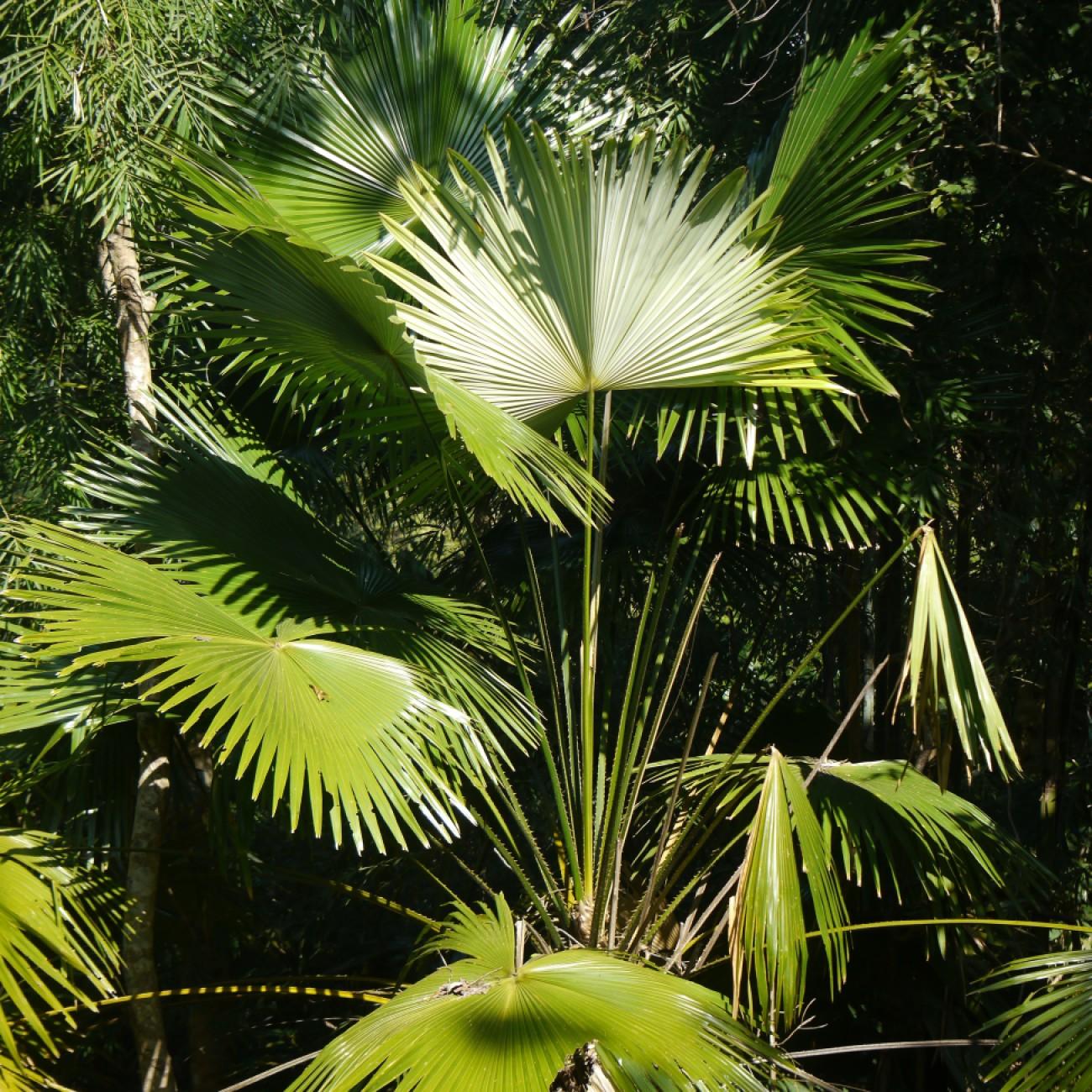
Fan Palm
Livistona chinensis
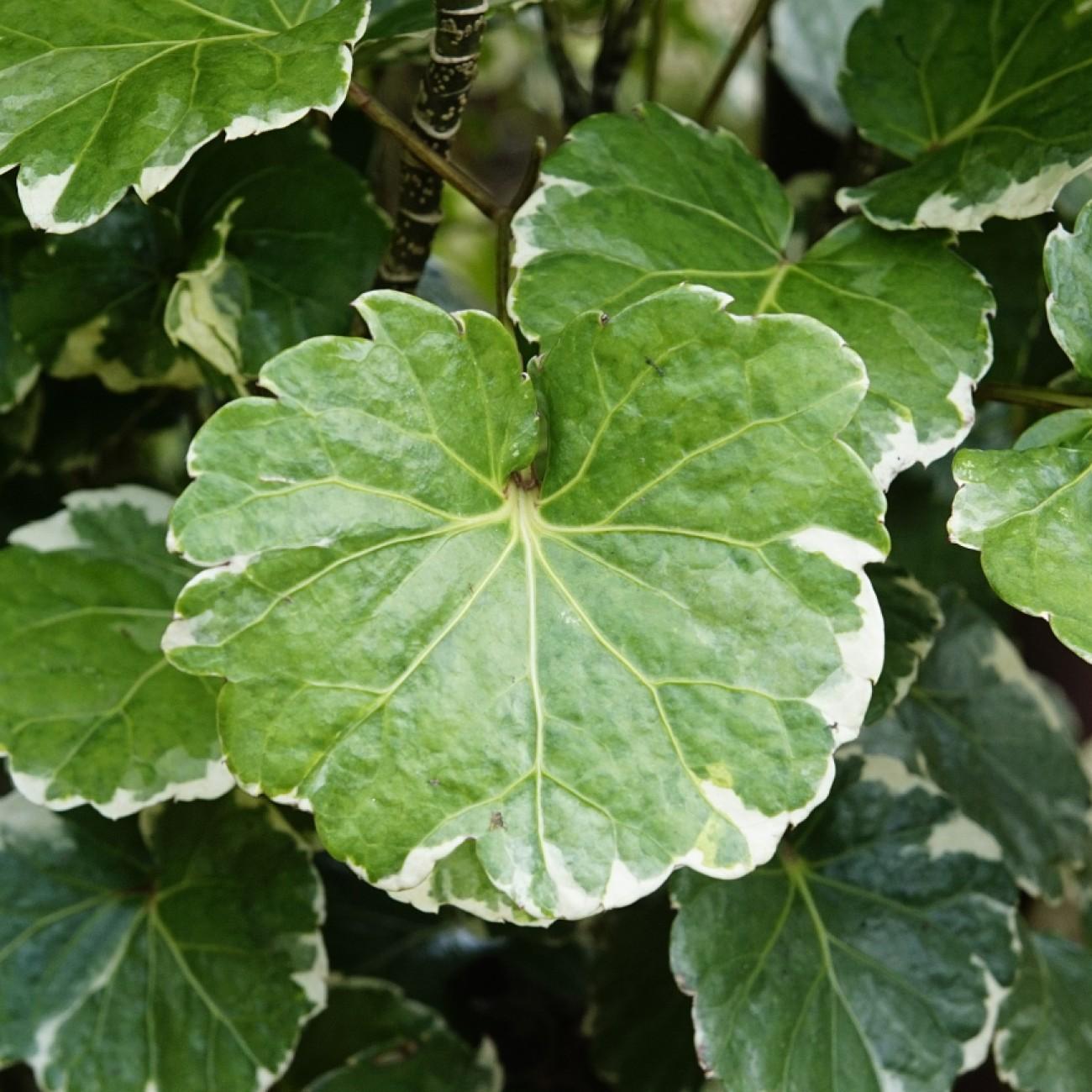
Balfour Aralia
Polyscias scutellaria 'Balfourii'
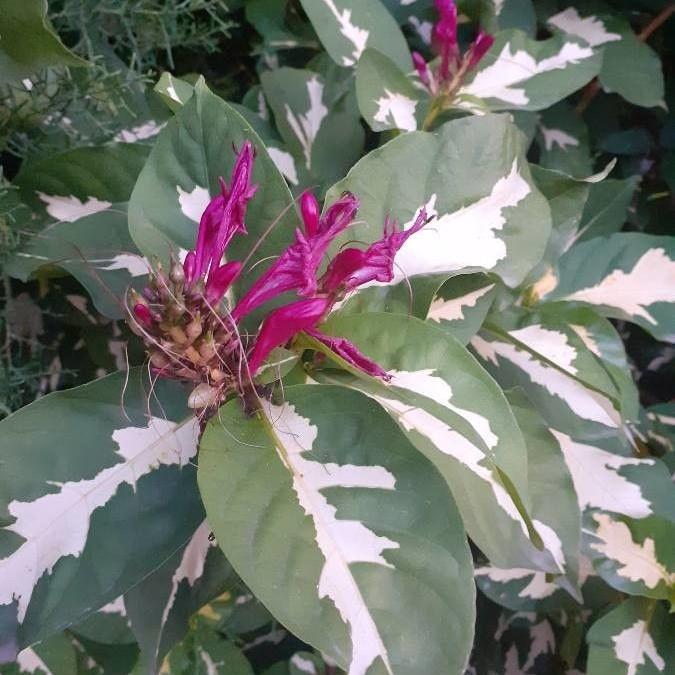
Caricature Plant
Graptophyllum pictum
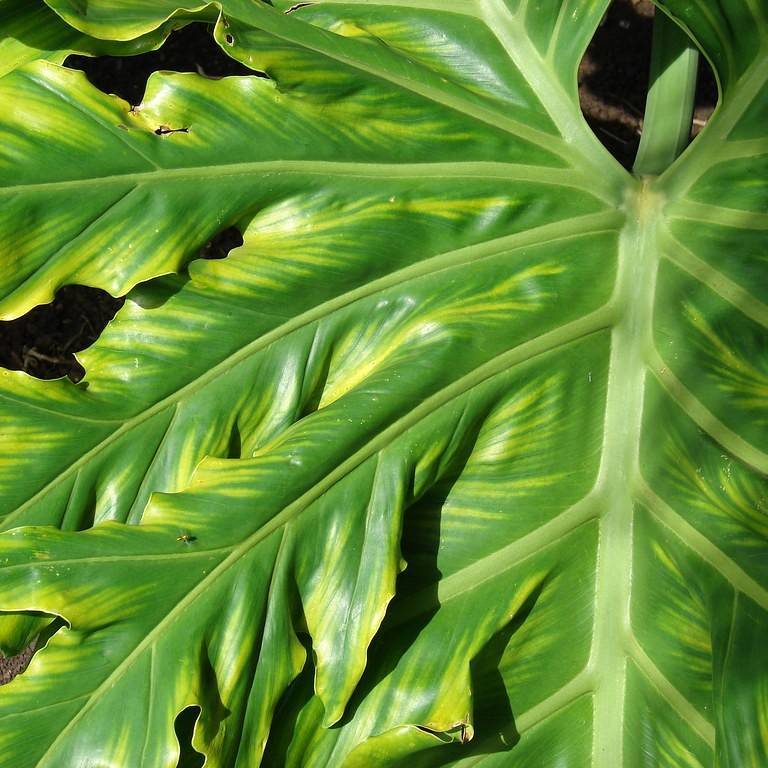
Horsehead Philodendron
Philodendron bipennifolium
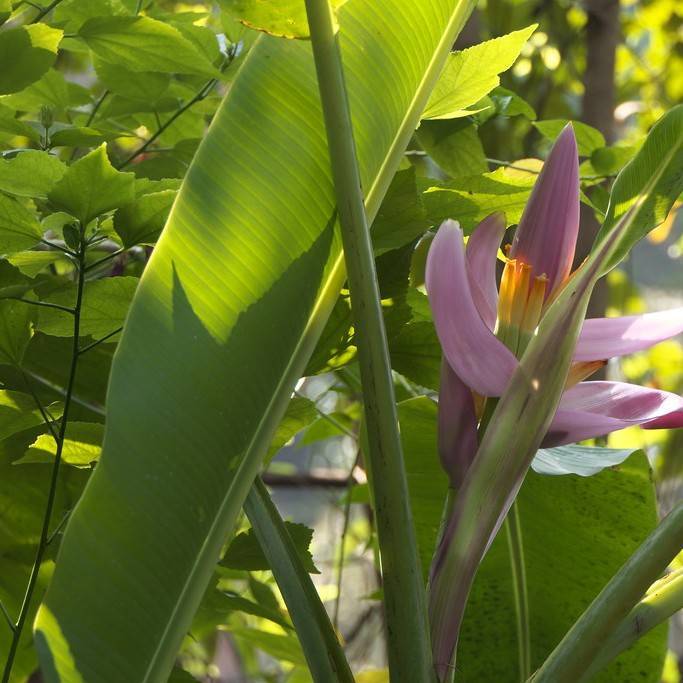
Flowering Banana
Musa ornata
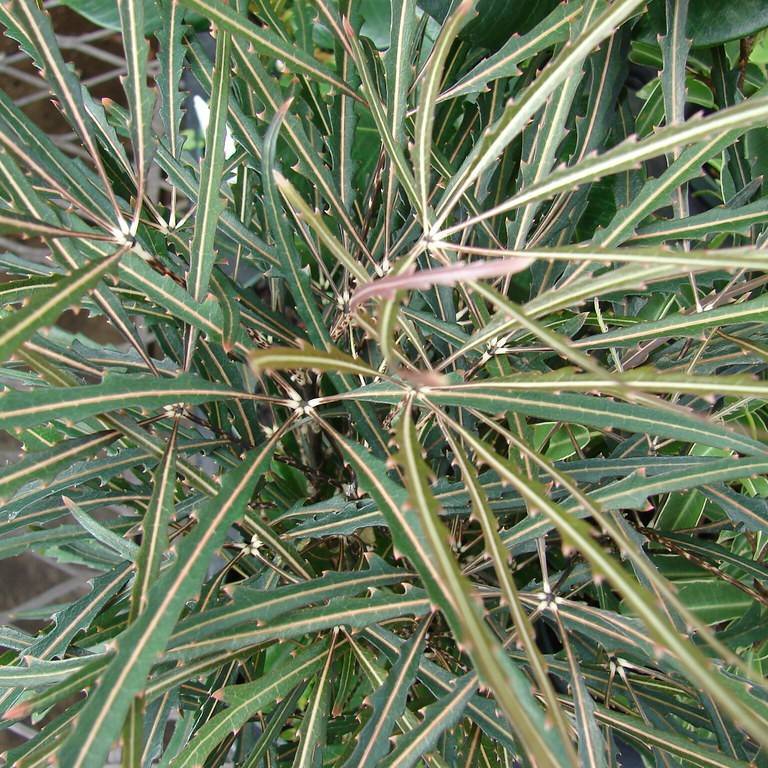
False Aralia
Plerandra elegantissima (syn. Schefflera elegantissima)
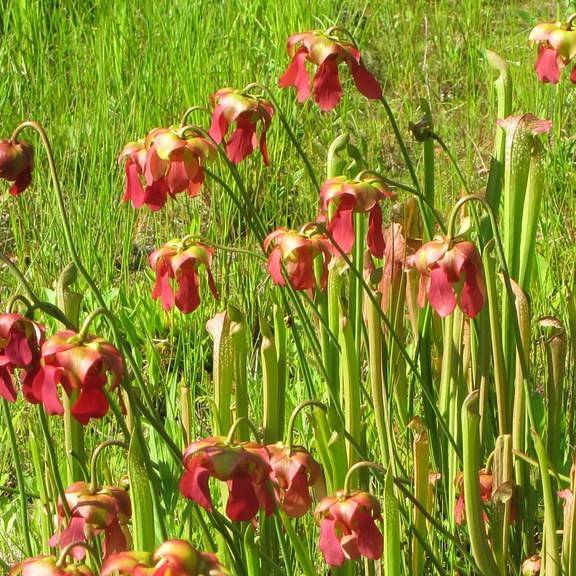
Hybrid Pitcher Plant
Nepenthes × hybrida
Arrowhead Plant
Syngonium podophyllum