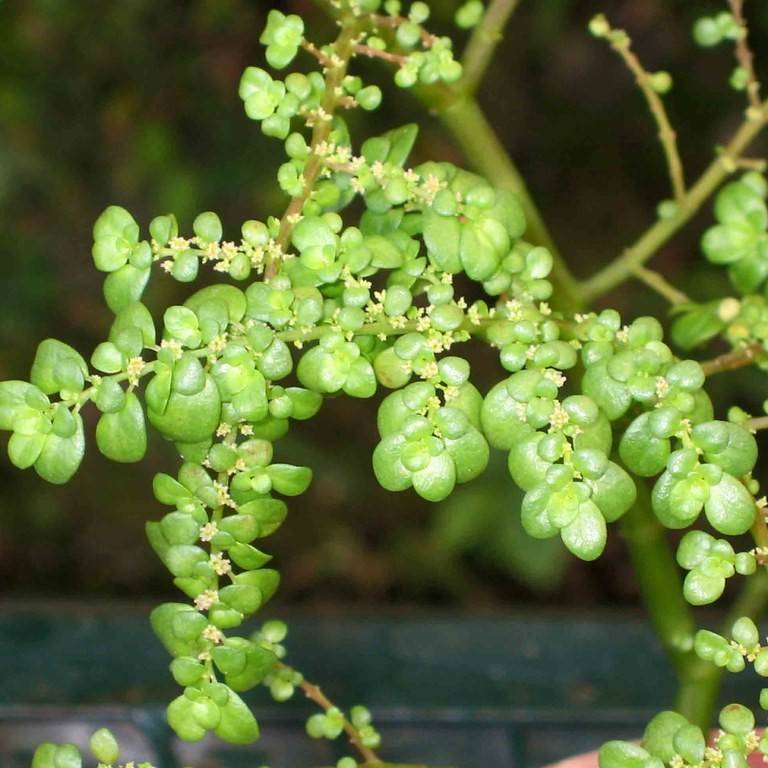
Artillery Plant
Pilea microphylla
Overview
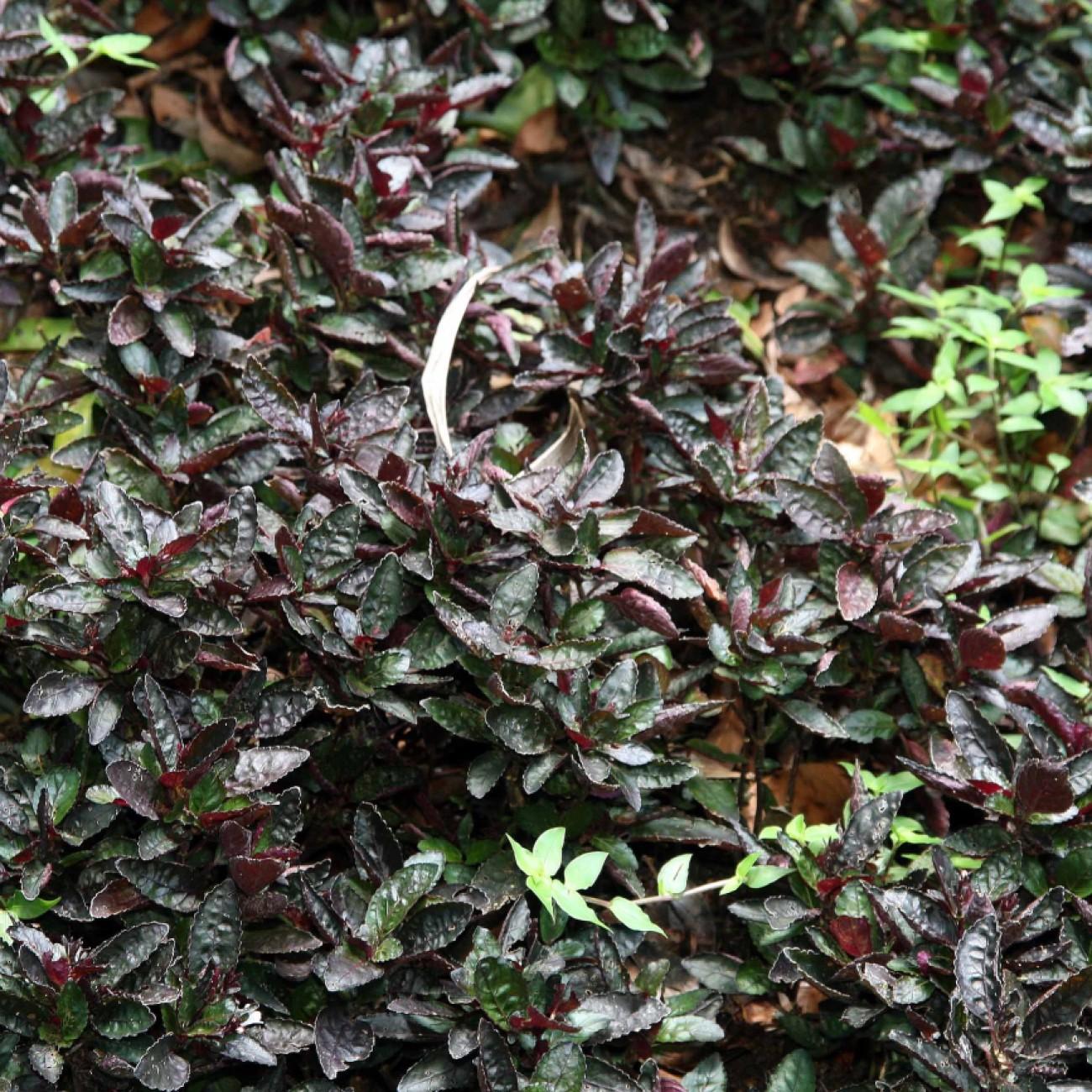
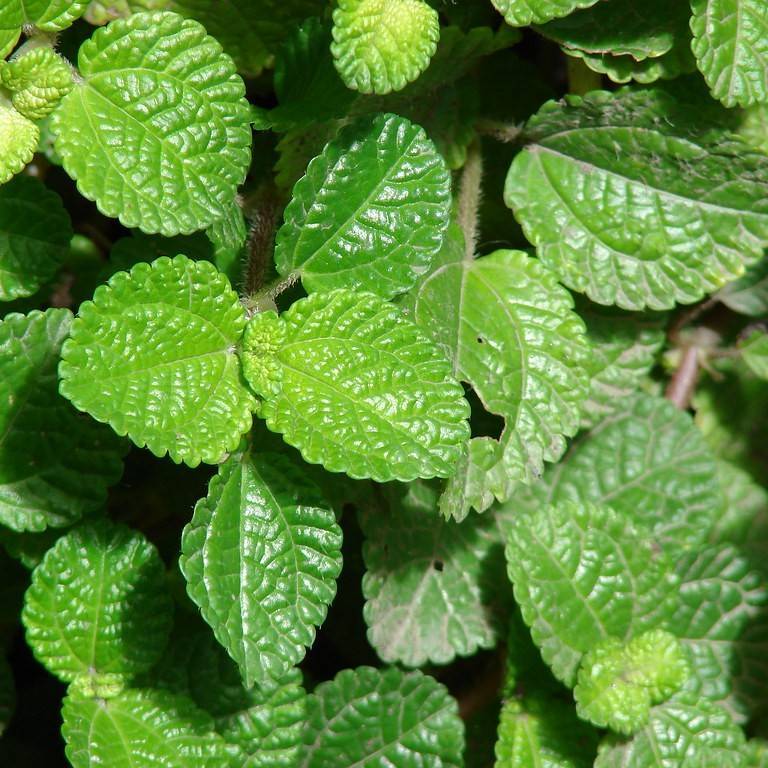
The Artillery Plant is a delicate, mat-forming member of the nettle family with soft, fern-like clusters of tiny round leaves that create a lush, dense ground cover. It earns its common name from the forceful, cannon-like discharge of pollen from male flowers when triggered by warm temperatures or high humidity. Though it naturally grows in moist, shaded tropical habitats, it adapts exceptionally well to indoor container cultivation or outdoor warm-climate landscaping.
Care Guide
Watering
Water thoroughly when the top 1 inch of soil feels dry to the touch, taking care not to overwater to avoid root rot. Reduce watering frequency slightly during the cooler winter months when the plant’s growth slows. Ensure containers have adequate drainage holes to prevent standing water around the root zone.
Light
Thrives in bright, indirect light, such as that filtered through a sheer curtain, but can tolerate low light conditions for short periods. Avoid prolonged exposure to direct, intense sunlight, which can scorch its delicate leaves and cause discoloration. Outdoor specimens grow best in partial to full shade, protected from midday sun.
Soil
Requires a well-draining, nutrient-rich potting mix with a slightly acidic to neutral pH between 6.0 and 7.0. A blend of standard houseplant soil with added perlite or peat moss works well to improve drainage and moisture retention. Avoid heavy, compacted soils that hold excess water around the roots.
Fertilizer
Feed once a month during the active spring and summer growing season with a balanced, water-soluble houseplant fertilizer diluted to half the recommended strength. Do not fertilize during fall and winter, when the plant is in its dormant phase and cannot utilize extra nutrients. Over-fertilization can cause leaf burn and leggy growth.
Temperature
Prefers consistent temperatures between 65–75°F (18–24°C), consistent with typical indoor household conditions. Avoid exposure to temperatures below 50°F (10°C), as cold drafts or sudden temperature drops can cause leaf drop and permanent damage. Outdoor plants are only hardy in USDA zones 11 and 12, requiring protection from cool weather.
Pruning
Trim back leggy or overgrown stems in early spring to encourage bushier, more compact growth and maintain the plant’s desired shape. Remove any yellowed, damaged, or dead leaves regularly to improve air circulation and reduce the risk of fungal disease. Pinch off the tips of new growth to promote denser foliage if desired.
Propagation
Easily propagates from stem cuttings taken in spring or summer; snip a 3–4 inch healthy stem, remove lower leaves, and place it in moist potting soil or a glass of water until roots form in 2–3 weeks. It can also be propagated by division during repotting, separating clumps of the plant and replanting each section in its own container. The Artillery Plant self-seeds readily in favorable conditions, often producing small volunteer seedlings nearby.
Humidity
Thrives in moderate to high humidity levels between 50–70%, mimicking its native tropical habitat. If indoor air is dry, boost humidity by placing the plant on a pebble tray filled with water, grouping it with other plants, or using a small room humidifier. Brown leaf tips are a common sign that humidity levels are too low.
Repotting
Repot every 1–2 years in spring, or when the plant becomes root-bound and roots start growing through the drainage holes of its current container. Choose a pot that is 1–2 inches larger in diameter than the existing one, and use fresh, well-draining potting mix to refresh the root environment. Take care not to damage the delicate, shallow root system during the repotting process.
Uses & Symbolism
Widely grown as a low-maintenance houseplant, often placed in hanging baskets, terrariums, or as a trailing accent in mixed container displays. In warm, frost-free climates, it is used as a dense, low-growing ground cover in shaded garden beds, rock gardens, or between stepping stones. It is also a popular choice for living walls and green roof installations due to its spreading habit and tolerance of shaded conditions.
Diseases & Pests
Susceptible to common houseplant pests including aphids, spider mites, and mealybugs, which can be treated with neem oil or insecticidal soap at the first sign of infestation. Overwatering or poor drainage often leads to root rot, a fungal condition that causes wilting, yellowing leaves, and eventual plant death if not addressed quickly. High humidity combined with poor air circulation can also trigger powdery mildew or leaf spot diseases, which can be prevented by avoiding overhead watering and spacing plants adequately.
Related plants
Other plants you might like if you grow Artillery Plant.