Bloody Geranium
Geranium sanguineum
Overview
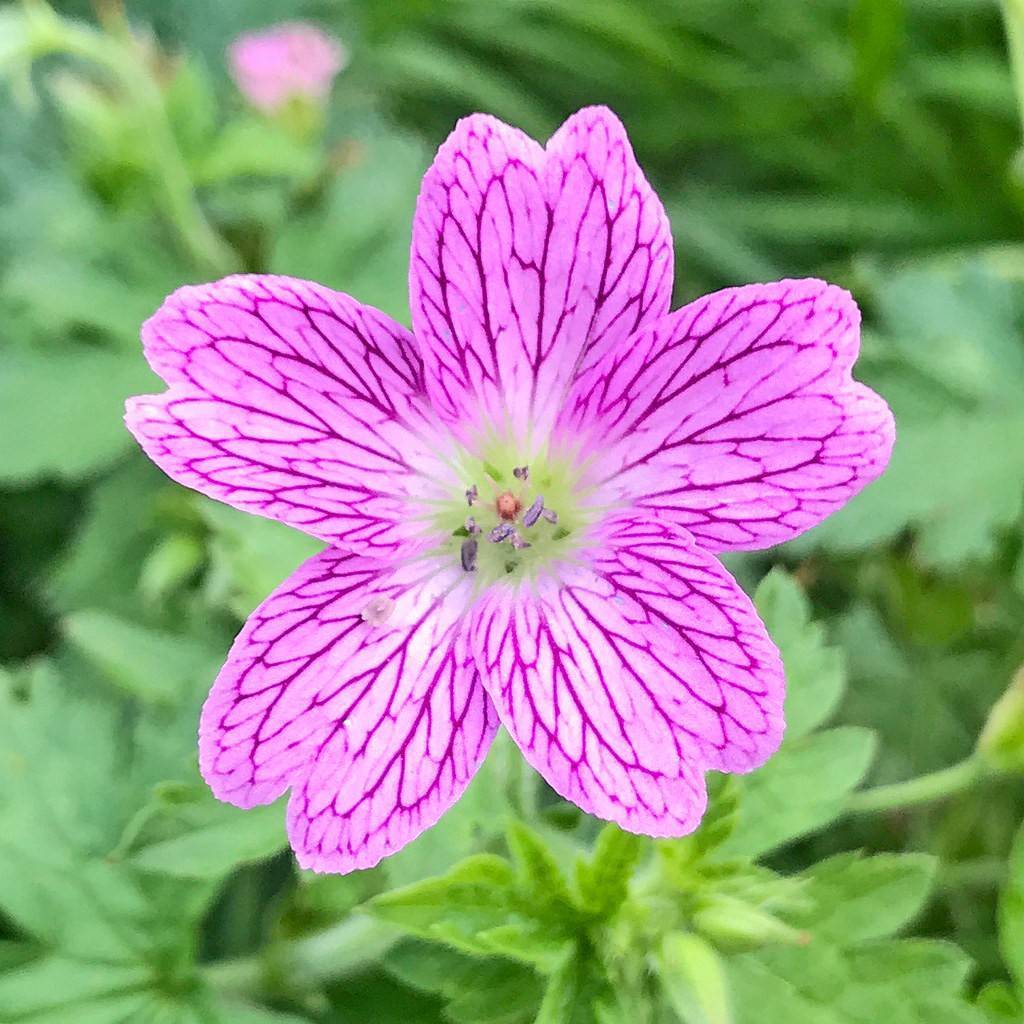
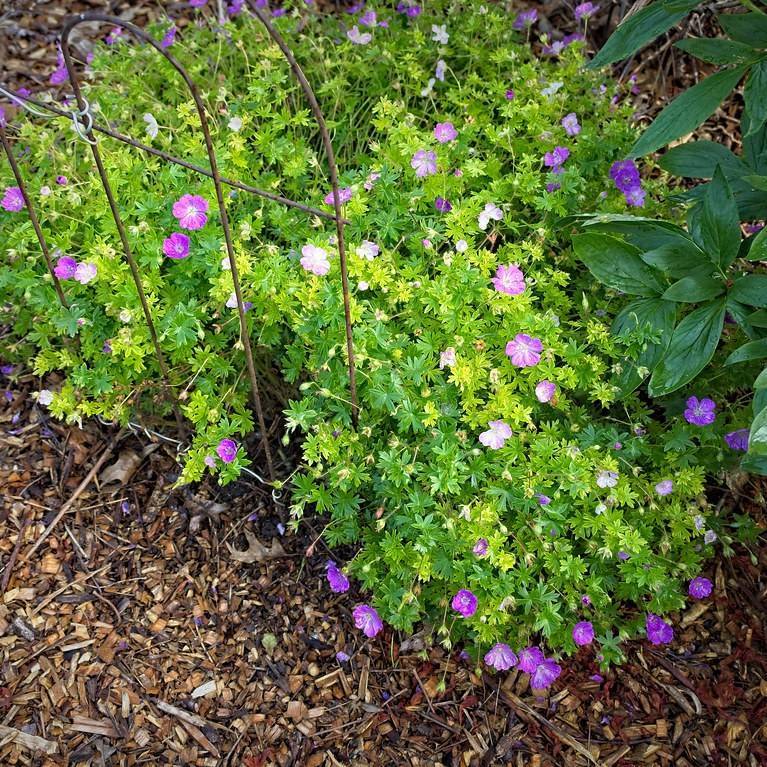
Bloody geranium, also called bloody cranesbill, is a clump-forming groundcover prized for its long bloom period and low-maintenance nature. Its name derives from the intense red hue its deeply lobed, palmate foliage takes on in fall, complementing its summer display of five-petaled magenta, pink, or white blooms. Adaptable to a range of growing conditions, it is a popular choice for rock gardens, border edges, and pollinator landscapes in temperate climates.
Care Guide
Watering
Water newly planted bloody geraniums regularly to keep soil evenly moist for the first growing season, helping them establish deep root systems. Once established, the plants are drought tolerant, only requiring supplemental water during extended periods of dry, hot weather. Avoid overwatering or letting plants sit in saturated soil, as this can lead to root rot.
Light
Bloody geranium thrives in full sun to partial shade, producing the most abundant flower display when it receives at least 6 hours of direct sunlight daily. In regions with very hot, intense summer sun, it benefits from light afternoon shade to prevent leaf scorch and extend bloom time. Too much deep shade will reduce flowering and cause the plant to become leggy and sparse.
Soil
This adaptable geranium grows best in well-drained, moderately fertile soil with a neutral to slightly alkaline pH, though it tolerates poor, rocky, or sandy soils as long as drainage is adequate. It will not survive in heavy, waterlogged clay soils unless the site is amended with compost, peat moss, or grit to improve drainage. Adding a 2-inch layer of organic compost at planting time provides sufficient initial nutrients for healthy growth.
Fertilizer
Bloody geranium has low fertilizer needs, and overfeeding can lead to excessive, leggy foliage growth at the expense of flowers. A light application of balanced, slow-release granular fertilizer in early spring, just as new growth emerges, is sufficient for the entire growing season. If planted in very poor soil, you can apply a diluted liquid balanced fertilizer once mid-spring, but avoid feeding after mid-summer to prevent tender new growth that is vulnerable to frost damage.
Temperature
This hardy perennial tolerates winter temperatures down to USDA zone 3, surviving lows as cold as -40°F (-40°C) with no extra protection. It prefers moderate summer temperatures between 60-75°F (15-24°C), and will go semi-dormant and stop flowering if exposed to extended periods of temperatures above 85°F (29°C). Cooler autumn temperatures trigger the characteristic red foliage color change before the plant dies back to the ground for winter.
Pruning
Prune spent flower stems back to the base of the plant after the first flush of blooms fades in mid-summer to encourage a second, lighter round of flowering later in the season. If foliage becomes ragged or damaged by heat or pests mid-season, you can cut the entire plant back to 2-3 inches above the soil line, and it will produce fresh, dense new foliage within a few weeks. Cut back all dead foliage to the ground in late fall or early spring before new growth emerges to keep the planting area tidy and reduce overwintering pest and disease spores.
Propagation
Bloody geranium is most easily propagated by division in early spring just as new growth appears, or in early fall after flowering has finished. Dig up the entire clump, gently separate it into smaller sections with a sharp knife, ensuring each section has a healthy portion of roots and several growing shoots, then replant divisions immediately at the same depth they were growing previously. It can also be grown from seed sown directly outdoors in fall or cold-stratified and sown indoors 8-10 weeks before the last spring frost, though seed-grown plants may not flower until their second year.
Humidity
Bloody geranium prefers average ambient humidity levels between 40-60%, which is typical of most temperate outdoor growing regions. It tolerates low humidity well, making it suitable for dry, sunny rock garden locations, as long as it receives adequate water during dry spells. High humidity combined with poor air circulation can increase the risk of fungal leaf diseases, so space plants 12-18 inches apart to allow for proper airflow around foliage.
Repotting
When grown in containers, repot bloody geranium every 2-3 years in early spring before new growth begins, or when the plant becomes root-bound and roots start growing out of the drainage holes. Use a well-drained potting mix amended with perlite or grit to improve drainage, and select a pot that is 1-2 inches larger in diameter than the current container to allow for moderate growth. After repotting, water thoroughly and place the container in a partially shaded location for 1-2 weeks to reduce transplant shock before moving it back to its regular growing spot.
Uses & Symbolism
Bloody geranium is widely used as a low-growing groundcover, border edging, or filler plant in rock gardens, cottage gardens, and pollinator landscapes, where its nectar-rich flowers attract bees, butterflies, and other beneficial insects. Its dense, spreading foliage suppresses weed growth, making it a low-maintenance option for sloped areas or sites with poor soil where other plants struggle to establish. Historically, parts of the plant were used in traditional herbal medicine as an astringent to treat minor wounds, diarrhea, and mouth inflammation, though it is not commonly used for medicinal purposes today.
Diseases & Pests
Bloody geranium is relatively pest and disease resistant, but it can develop fungal leaf spots, powdery mildew, or rust in conditions of high humidity, poor air circulation, or prolonged wet foliage. Slugs and snails may occasionally feed on young, tender foliage, especially in damp, shaded locations, and can be controlled with hand picking, copper barriers, or organic slug baits. Root rot can occur if plants are grown in heavy, poorly drained soil that stays saturated for extended periods, so proper site preparation with drainage amendments is critical to prevent this issue.
Guides that mention Bloody Geranium
Related plants
Other plants you might like if you grow Bloody Geranium.