Jacob's Ladder
Polemonium caeruleum
Overview
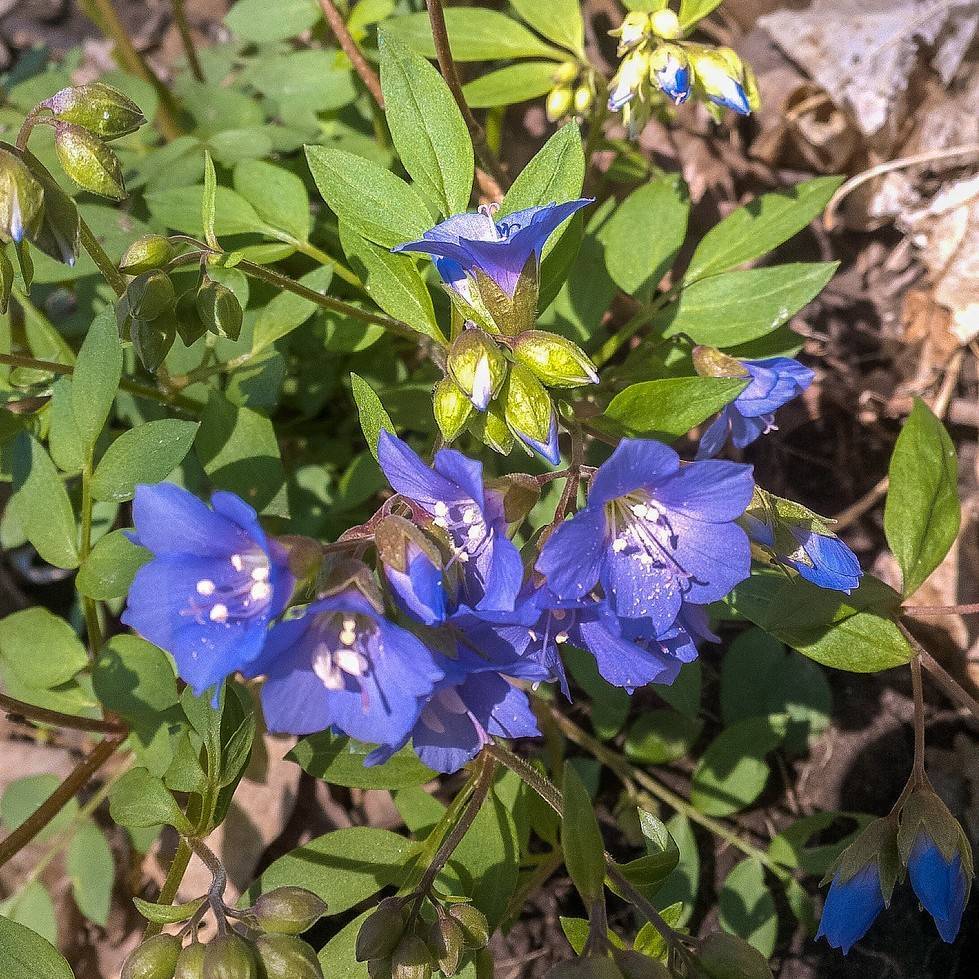
Jacob's Ladder gets its common name from the arrangement of its opposite, pinnate leaves, which resemble the rungs of a ladder. It produces loose, terminal clusters of bell-shaped, usually soft blue or white flowers in spring that attract bees, butterflies, and hummingbirds. This low-maintenance plant thrives in cool, partially shaded garden spots, and most cultivars stay compact, making them ideal for border edges, cottage gardens, or woodland plantings.
Care Guide
Watering
Water Jacob's Ladder regularly to keep the soil consistently moist but not waterlogged, especially during hot, dry spells. Reduce watering frequency in cooler months when the plant is dormant, allowing the top 1 inch of soil to dry out slightly between sessions. Avoid overhead watering to prevent foliar fungal diseases, targeting water directly at the base of the plant instead.
Light
Grow Jacob's Ladder in partial shade, particularly in areas with warm summer climates where direct midday sun can scorch its delicate foliage. It can tolerate full sun in cooler northern regions as long as soil moisture remains consistent. Too much deep shade will lead to sparse flowering and leggy, weak growth.
Soil
Plant Jacob's Ladder in well-draining, fertile, humus-rich soil with a slightly acidic to neutral pH between 6.0 and 7.0. Amend heavy clay soils with compost or leaf mold to improve drainage and add organic matter, as waterlogged soil will quickly cause root rot. Sandy soils should be amended with organic material to boost moisture retention.
Fertilizer
Feed Jacob's Ladder once in early spring with a balanced, slow-release granular fertilizer formulated for flowering perennials, worked lightly into the soil around the base of the plant. Alternatively, use a diluted liquid all-purpose fertilizer every 4 to 6 weeks during the active growing season. Avoid over-fertilizing, as this will lead to excessive, floppy foliage growth and reduced flowering.
Temperature
Jacob's Ladder prefers cool temperatures between 60-75°F (15-24°C) during its active growing season, and is hardy in USDA zones 3 through 8. It struggles in high heat and humidity above 85°F (29°C), and may go partially dormant in mid-summer in very warm climates. It tolerates winter temperatures down to -40°F (-40°C) when planted in appropriate hardiness zones, dying back to the ground each winter.
Pruning
Deadhead spent flower clusters immediately after blooming to encourage a potential second flush of flowers later in the season and prevent unwanted self-seeding. Cut back any yellowed or scorched foliage in mid-summer if the plant looks ragged, which will stimulate fresh, new leaf growth. In late fall after the first frost, cut the entire plant back to 1-2 inches above the soil line to prepare it for winter dormancy.
Propagation
Jacob's Ladder is most easily propagated by division in early spring or late fall, splitting mature clumps into smaller sections each with a healthy root system and several growth points before replanting. It can also be grown from seed sown directly in the garden in fall, or started indoors 8-10 weeks before the last expected frost date for spring planting. Plants grown from seed will typically bloom in their second year of growth.
Humidity
Jacob's Ladder prefers average to moderate humidity levels between 40% and 60%, which is typical of most temperate garden environments. In high-humidity climates, ensure the plant has good air circulation to prevent fungal leaf spots and powdery mildew. It does not tolerate dry, arid conditions well, so mulch around the base to retain soil moisture if growing in a drier region.
Repotting
If grown in containers, repot Jacob's Ladder every 2 to 3 years in early spring before new growth emerges, using a fresh, well-draining potting mix amended with compost. Choose a pot that is 1-2 inches larger in diameter than the current container, with ample drainage holes to prevent waterlogging. Gently loosen tangled roots before repotting to encourage healthy new root growth.
Uses & Symbolism
Jacob's Ladder is a popular ornamental plant for cottage gardens, woodland borders, shaded rock gardens, and container plantings, valued for its attractive foliage and long-lasting spring blooms. It is often included in pollinator gardens to support bees, butterflies, and native beneficial insects. Historically, parts of the plant were used in traditional herbal medicine to treat respiratory conditions and inflammatory ailments, though it is not widely used for medicinal purposes today.
Diseases & Pests
Jacob's Ladder is relatively pest-resistant, but can be susceptible to fungal diseases including powdery mildew and leaf spot, especially in humid conditions with poor air circulation or overhead watering. Common pests include aphids, spider mites, and slugs, which may feed on young, tender foliage, particularly in damp, shaded spots. Root rot can occur quickly if the plant is grown in heavy, poorly draining soil or overwatered consistently.
Related plants
Other plants you might like if you grow Jacob's Ladder.