Citron Daylily
Hemerocallis citrina
Overview
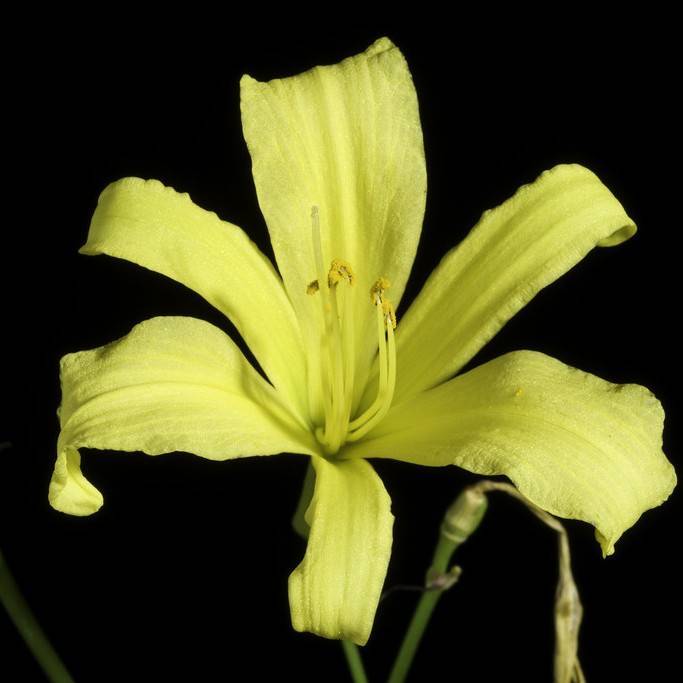
The Citron Daylily is a clump-forming herbaceous perennial known for its showy, lemon-scented pale yellow trumpet-shaped blooms that open in late afternoon and last through the following morning. Each individual flower lives only one day, but mature plants produce dozens of buds over a 4-6 week blooming period in mid to late summer. It is widely cultivated both as an ornamental garden plant and a food crop, where its unopened buds are harvested for use in East Asian dishes.
Care Guide
Watering
Water regularly during the growing season, providing 1 inch of water per week to keep the soil consistently moist but not waterlogged. Reduce watering frequency after flowering ceases, allowing the top 2 inches of soil to dry out between waterings in fall and winter.
Light
Thrives in full sun, requiring a minimum of 6 hours of direct sunlight daily to produce abundant blooms. It can tolerate partial shade, but flowering will be reduced, and plants may become leggy if grown in overly shaded conditions.
Soil
Adaptable to a wide range of soil types, but performs best in fertile, well-drained loam with a slightly acidic to neutral pH of 6.0 to 7.0. Avoid heavy, waterlogged clay soils, as these can cause root rot and other fungal issues.
Fertilizer
Apply a balanced, slow-release 10-10-10 fertilizer in early spring as new growth emerges to support foliage development and flower production. A light topdressing of compost in mid-summer can provide extra nutrients, but avoid over-fertilizing, which leads to excessive foliage growth at the expense of blooms.
Temperature
Prefers temperate climates, with ideal growing temperatures between 60 and 85°F (15 to 29°C). It is cold hardy to USDA zone 3, surviving winter temperatures as low as -40°F (-40°C) when dormant, and tolerates short periods of summer heat up to 100°F (38°C) with adequate water.
Pruning
Remove spent flower stalks at the base after blooming is complete to encourage a tidy appearance and prevent self-seeding if desired. Cut back yellowed, dead foliage to ground level in late fall or early spring before new growth emerges to reduce overwintering pest and disease habitat.
Propagation
Most commonly propagated by dividing mature clumps every 3 to 5 years in early spring or late fall, when plants are dormant. Division involves digging up the entire clump, separating the root mass into smaller sections with at least 2 to 3 growth buds each, and replanting immediately at the same depth as the original plant.
Humidity
Tolerates average ambient humidity levels between 40 and 60%, which is typical of most temperate growing regions. It does not require extra humidity, and high humidity combined with poor air circulation can increase the risk of foliar fungal diseases.
Repotting
For container-grown specimens, repot every 2 to 3 years in early spring, moving to a pot 1 to 2 inches larger than the current container to accommodate expanding root growth. Ensure pots have adequate drainage holes, and refresh the potting mix with a loamy, well-drained blend at repotting time to replenish nutrients.
Uses & Symbolism
Widely planted in perennial borders, cottage gardens, and pollinator gardens for its cheerful pale yellow blooms and pleasant fragrance, which attracts bees, butterflies, and hummingbirds. Its unopened flower buds, called 'golden needles' in Chinese cuisine, are blanched or dried and used in stir-fries, soups, and hot pots after proper processing to remove toxic compounds. It is also used for erosion control on slopes and embankments, thanks to its dense, fibrous root system that holds soil in place.
Diseases & Pests
Common fungal diseases include leaf streak, rust, and crown rot, which are most prevalent in warm, humid conditions with poor air circulation and overwatering. Pests such as aphids, thrips, and spider mites may feed on new foliage and flower buds, while slugs and snails can damage young leaves in damp, shaded locations. Root rot is a serious issue in poorly drained soils, so proper site selection and avoiding overwatering are critical for preventing this fatal condition.
Related plants
Other plants you might like if you grow Citron Daylily.