Big Betony
Stachys macrantha
Overview
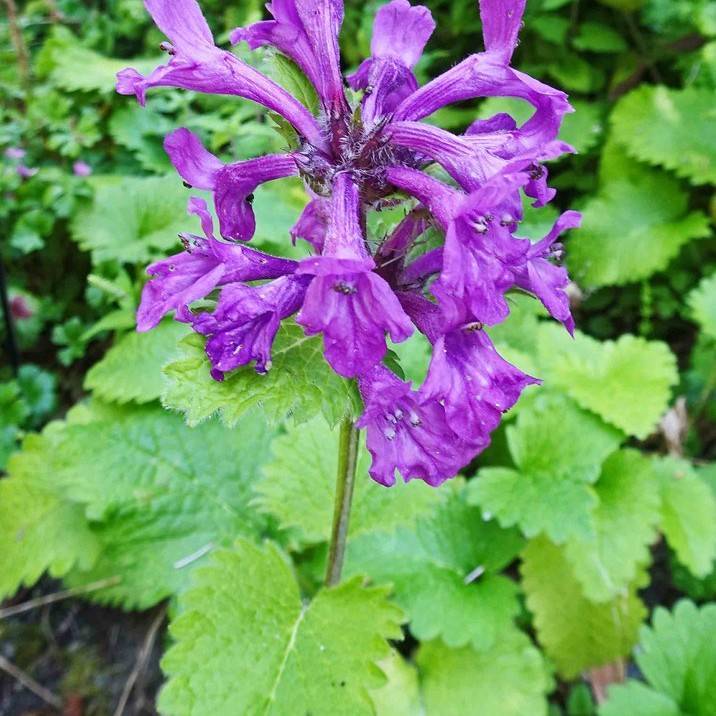
Big betony, sometimes classified as Stachys grandiflora, is a low-maintenance herbaceous perennial prized for its ornamental value in temperate gardens. It forms dense mounds of wrinkled, scalloped, softly hairy green leaves that remain attractive from spring through fall. In early to mid-summer, it produces upright spikes of two-lipped, tubular purple-pink flowers that draw pollinators including bees, butterflies, and hummingbirds to the landscape.
Care Guide
Watering
Water big betony regularly during its first growing season to establish a deep, extensive root system, keeping soil consistently moist but not waterlogged. Once established, it is moderately drought tolerant, requiring supplemental watering only during extended periods of hot, dry weather. Avoid overhead watering to reduce the risk of foliar fungal diseases, aiming water directly at the base of the plant.
Light
Big betony thrives in full sun to partial shade, performing best with at least 6 hours of direct sunlight daily for optimal flowering. In regions with intensely hot summer sun, it benefits from light afternoon shade to prevent leaf scorch and extend the bloom period. Too much deep shade will result in leggy growth and reduced flower production.
Soil
This adaptable plant grows well in average, well-drained soil of almost any pH, from acidic to slightly alkaline. It tolerates poor, rocky, or sandy soils better than many ornamental perennials, as long as standing water does not accumulate around its roots. Heavy clay soils should be amended with compost or coarse sand to improve drainage and prevent root rot.
Fertilizer
Big betony is not a heavy feeder, and usually grows well without regular fertilization in average garden soil. If growth is stunted or foliage appears pale, apply a balanced, slow-release granular fertilizer in early spring just as new growth emerges. Avoid over-fertilizing, as this can lead to excessive, floppy foliage growth and reduced flowering.
Temperature
It is cold hardy in USDA zones 4 through 8, tolerating winter temperatures as low as -30°F (-34°C) when planted in well-drained soil. It prefers moderate summer temperatures between 60-75°F (15-24°C), and may go dormant early if exposed to prolonged heat above 90°F (32°C) without sufficient moisture. Winter wet is a greater threat to survival than cold, so ensure soil does not stay saturated during freeze-thaw cycles.
Pruning
Deadhead spent flower spikes immediately after blooming to encourage a possible second, lighter flush of flowers later in the summer. Cut back the entire plant to 2-3 inches above the soil line in late fall after foliage dies back, or in early spring before new growth emerges, to keep the clump tidy and reduce overwintering pest or disease spores. Thin out overcrowded clumps every 3-4 years in early spring to improve air circulation and maintain vigorous growth.
Propagation
Big betony is most easily propagated by division in early spring just as new growth starts, or in early fall after flowering has finished, separating clumps into smaller sections with intact roots and replanting immediately. It can also be grown from seed sown directly outdoors in fall, or started indoors 8-10 weeks before the last expected frost date, with germination occurring within 14-21 days under consistent moisture and 70°F (21°C) temperatures. Softwood stem cuttings taken in late spring or early summer also root readily when planted in a well-drained, sterile rooting medium.
Humidity
Big betony adapts well to average ambient humidity levels common in its preferred growing zones, typically between 40-60%. It does not require extra humidity, and high humidity combined with poor air circulation can increase the risk of powdery mildew and other foliar fungal issues. Ensure plants are spaced adequately to allow air flow around foliage in more humid climates.
Repotting
When grown in containers, repot big betony every 2-3 years in early spring, moving it to a pot one size larger with fresh, well-drained potting mix amended with compost. Ensure the container has sufficient drainage holes to prevent waterlogged soil, which can lead to root rot. Container-grown specimens may require more frequent watering and fertilization than those planted in the ground, as nutrients leach out of potting mix more quickly.
Uses & Symbolism
Big betony is a popular choice for perennial borders, cottage gardens, pollinator gardens, and rock gardens, where its compact clumping habit and bright blooms add long-lasting color and texture. Its dense foliage also makes it an effective low-growing groundcover for sunny or partially shaded areas, suppressing weed growth and reducing soil erosion. Historically, related betony species were used in traditional herbal medicine for a range of ailments, though modern medicinal use of Stachys macrantha is limited.
Diseases & Pests
Big betony is relatively pest and disease resistant, but can be susceptible to powdery mildew, leaf spot, and root rot in poorly drained soil or conditions of high humidity and poor air circulation. Common pests include slugs and snails, which may feed on young, tender foliage in wet spring conditions, and aphids, which can cluster on new growth and flower buds. Most issues can be prevented by planting in well-drained soil, providing adequate spacing for air flow, and avoiding overwatering.
Related plants
Other plants you might like if you grow Big Betony.