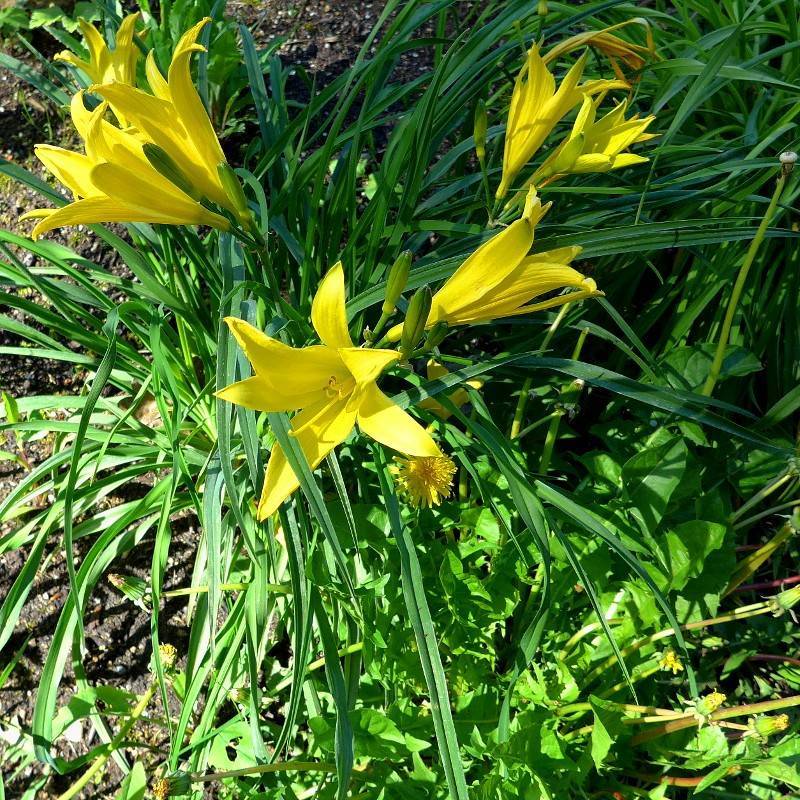
Dwarf Yellow Daylily
Hemerocallis minor
Overview
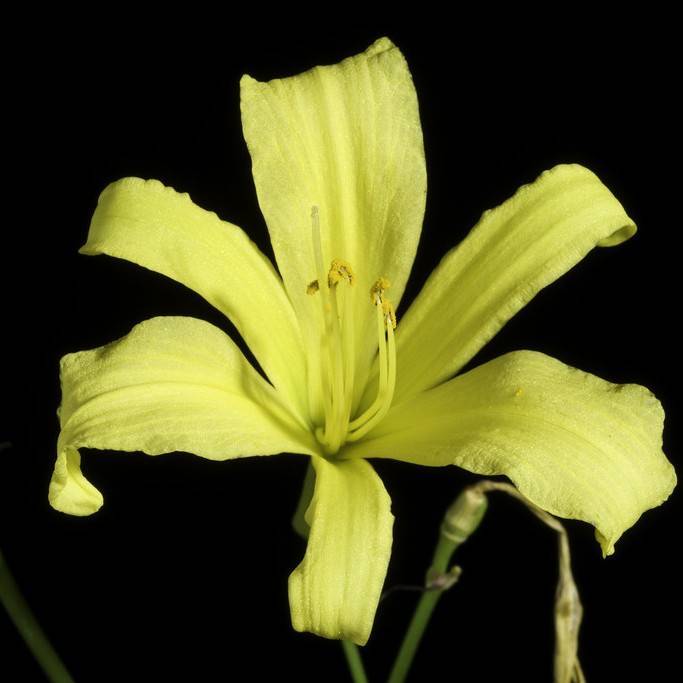
The Dwarf Yellow Daylily is a compact cultivar of daylily prized for its small stature and prolific golden yellow blooms that appear from late spring to mid-summer. Each individual flower opens for just one day, but mature clumps produce dozens of buds that extend the flowering period for several weeks. This hardy plant adapts well to a wide range of growing conditions, making it a popular choice for edging, rock gardens, container planting, and mass ground cover in sunny landscapes.
Care Guide
Watering
Water Dwarf Yellow Daylilies regularly during the first growing season to establish a deep, extensive root system, keeping the soil evenly moist but not waterlogged. Once established, the plants are drought-tolerant, requiring supplemental watering only during extended periods of dry weather, as overly wet soil can lead to root rot. Avoid overhead watering to reduce the risk of foliar diseases, directing water at the base of the plant instead.
Light
This daylily thrives in full sun, receiving at least 6 hours of direct sunlight daily to produce the most abundant and vibrant blooms. It can tolerate partial shade, though flowering may be reduced and the plant may become leggy in locations with less than 4 hours of direct sun per day. In extremely hot climates, light afternoon shade can help prevent flower scorching and extend the life of individual blooms.
Soil
Dwarf Yellow Daylilies adapt to most well-drained soil types, including sandy, loam, and clay soils, as long as standing water does not accumulate around the roots. They prefer a slightly acidic to neutral soil pH between 6.0 and 7.0 for optimal growth, though they can tolerate mild alkalinity. Amend heavy, poorly draining soil with compost or well-rotted manure before planting to improve aeration and nutrient content.
Fertilizer
Feed established plants in early spring before new growth emerges with a balanced, slow-release 10-10-10 fertilizer formulated for flowering perennials to support healthy foliage and abundant bloom production. A second light application of fertilizer can be applied after the first flush of flowering to encourage reblooming in favorable conditions. Avoid over-fertilizing, as excessive nitrogen can lead to lush foliage growth at the expense of flowers and increase susceptibility to pests.
Temperature
This hardy daylily is suitable for USDA hardiness zones 3 through 9, tolerating winter temperatures as low as -40°F (-40°C) when planted in the ground. It thrives in average summer temperatures between 65°F and 85°F (18°C to 29°C), though it can tolerate short periods of heat above 90°F (32°C) with adequate moisture. In regions with severe winters, apply a 2-3 inch layer of mulch around the base of the plant in late fall to insulate the roots from extreme temperature fluctuations.
Pruning
Remove spent flower stalks (scapes) at the base after all buds on the stalk have bloomed to keep the plant looking tidy and prevent self-seeding if unwanted. In late fall or early spring, cut back any dead or yellowed foliage to the ground to make room for new growth and reduce overwintering sites for pests and diseases. Remove any damaged or diseased leaves throughout the growing season as needed to maintain plant health.
Propagation
Dwarf Yellow Daylilies are most commonly propagated by division, which is best performed in early spring before new growth starts or in early fall after flowering has finished. Dig up the entire clump, carefully separate the individual fans with a sharp, clean knife, ensuring each division has a healthy set of roots and at least 3-4 leaf fans, then replant immediately at the same depth as the original plant. While the plant can be grown from seed, seed-grown plants will not retain the exact characteristics of the parent and may take 2-3 years to produce flowers.
Humidity
This adaptable plant tolerates a wide range of humidity levels, thriving in both the dry climates of arid regions and the higher humidity of temperate and subtropical areas. Good air circulation around the foliage is recommended in high-humidity environments to prevent fungal diseases such as leaf spot and rust. No extra humidity is required for either indoor or outdoor grown specimens.
Repotting
Container-grown Dwarf Yellow Daylilies should be repotted every 2-3 years in early spring, or when the plant becomes root-bound and growth slows. Choose a container with drainage holes that is 2-3 inches larger in diameter than the current pot, and use a well-draining potting mix amended with compost for extra nutrients. When repotting, gently loosen the root ball and trim any damaged or excessively long roots before placing in the new container at the same planting depth as before.
Uses & Symbolism
Dwarf Yellow Daylilies are widely used as ornamental plants in landscaping, ideal for edging garden beds, filling in rock gardens, mass planting as ground cover on slopes, or growing in containers on patios and balconies. The edible flowers are occasionally used as a garnish for salads, soups, and desserts in East Asian cuisine, though consumption should be done in moderation and only after proper identification to avoid confusion with toxic lookalikes. Their compact size and hardiness make them a popular choice for low-maintenance gardens, pollinator habitats, and xeriscaping projects in regions with limited water access.
Diseases & Pests
Common pests affecting Dwarf Yellow Daylilies include aphids, spider mites, thrips, and daylily gall midges, which can cause distorted foliage, stunted growth, and damaged flower buds. Fungal diseases such as leaf streak, rust, and crown rot may occur in overly wet conditions or when plants are grown in poorly drained soil, with symptoms including yellow or brown spots on foliage, wilting, and plant decline. Good cultural practices, including proper spacing for air circulation, avoiding overhead watering, and removing infected plant material, can prevent most disease issues, while insecticidal soap or neem oil can be used to treat mild pest infestations.
Related plants
Other plants you might like if you grow Dwarf Yellow Daylily.