
Kalimeris
Kalimeris indica
Overview
Kalimeris, often called Indian aster or Japanese aster, is a hardy, herbaceous perennial valued for its long bloom period and adaptability to varied garden conditions. It produces abundant small, daisy-shaped flowers with yellow centers that attract pollinators like bees and butterflies throughout late summer and autumn. Its dense, mounding growth habit and narrow, toothed green foliage make it a versatile filler for borders, cottage gardens, and naturalized areas, and it is considered low-maintenance for most temperate growing regions.
Care Guide
Watering
Water kalimeris regularly during its first growing season to establish a deep, healthy root system, keeping soil consistently moist but not waterlogged. Once established, it is moderately drought-tolerant, requiring supplemental water only during extended periods of hot, dry weather to prevent wilting and support continuous blooming. Avoid overwatering, as soggy soil can lead to root rot in poorly draining sites.
Light
Kalimeris thrives in full sun, which encourages the most abundant flowering and a compact, bushy growth habit. It can tolerate partial shade, especially in regions with intense midday summer heat, though plants grown in shadier conditions may become leggy and produce fewer blooms. Provide at least 6 hours of direct sunlight daily for optimal performance.
Soil
This adaptable perennial grows well in a wide range of soil types, including sandy, loamy, and even clay soils, as long as the site has good drainage. It tolerates a broad pH range, from slightly acidic to slightly alkaline, and can handle moderately poor, low-nutrient soils without issue. Amending heavy clay soils with organic matter like compost prior to planting will improve drainage and support healthier root growth.
Fertilizer
Kalimeris is a light feeder that rarely requires heavy fertilization, as excess nutrients can lead to leggy growth and reduced flowering. For poor soils, apply a balanced, slow-release 10-10-10 fertilizer once in early spring as new growth emerges, following package application rates to avoid overfeeding. A light topdressing of compost in spring is often sufficient to provide all necessary nutrients for the growing season.
Temperature
Kalimeris is cold-hardy in USDA zones 4 through 9, tolerating winter temperatures as low as -30°F (-34°C) when established. It thrives in average summer temperatures between 60–85°F (15–29°C), and can withstand short periods of heat above 90°F (32°C) if provided with adequate moisture. In regions with extremely hot summers, a layer of mulch around the base of the plant will help keep roots cool and retain soil moisture.
Pruning
Deadhead spent flowers regularly throughout the bloom period to encourage continuous flowering and prevent unwanted self-seeding in the garden. In late fall after flowering finishes or early spring before new growth emerges, cut back the entire plant to 2–3 inches above the soil line to tidy the planting area and promote fresh, healthy growth in the next season. If plants become leggy mid-season, a light trim will encourage bushier regrowth and may trigger a second flush of blooms.
Propagation
Kalimeris is most easily propagated by division in early spring or late fall, when the plant is dormant: dig up mature clumps, separate them into smaller sections with healthy roots and growing points, and replant immediately at the same depth they were growing previously. It can also be grown from seed sown directly outdoors in fall or started indoors 6–8 weeks before the last expected frost date, with seeds germinating in 14–21 days under warm, moist conditions. Stem cuttings taken from soft new growth in early summer will also root readily in well-draining potting mix if kept consistently moist.
Humidity
Kalimeris adapts well to a wide range of humidity levels, thriving in the average ambient humidity of temperate growing regions. It tolerates both moderately dry and humid conditions, as long as air circulation is adequate around the foliage to prevent fungal diseases. No special humidity adjustments are required for this plant, even in more arid or humid growing zones.
Repotting
Kalimeris is typically grown directly in garden beds, but if planted in containers, repot every 2–3 years in early spring before new growth begins, or when the plant becomes root-bound. Choose a pot with drainage holes that is 2–3 inches larger in diameter than the current container, and use a well-draining, all-purpose potting mix amended with compost for added nutrients. After repotting, water thoroughly to settle the soil around the roots, and place the container in a sunny location.
Uses & Symbolism
Kalimeris is a popular ornamental plant for perennial borders, cottage gardens, pollinator gardens, and naturalized plantings, where its long bloom period provides late-season color when many other flowering plants have finished blooming. In traditional East Asian medicine, its young leaves and roots are used to treat fever, inflammation, and digestive issues, while the tender young shoots are sometimes eaten as a leafy green vegetable in regional cuisines. Its dense growth habit also makes it an effective groundcover or low edging plant for sunny garden areas.
Diseases & Pests
Kalimeris is largely pest and disease resistant, though it can be susceptible to common fungal issues like powdery mildew and leaf spot if grown in overly shaded, crowded conditions with poor air circulation. Aphids and spider mites may occasionally infest new growth, especially during hot, dry weather, and can be controlled with insecticidal soap or a strong spray of water to dislodge the pests. Overwatering or planting in poorly draining soil can lead to root rot, which is best prevented by ensuring proper site drainage and avoiding excess moisture around the root zone.
Related plants
Other plants you might like if you grow Kalimeris.
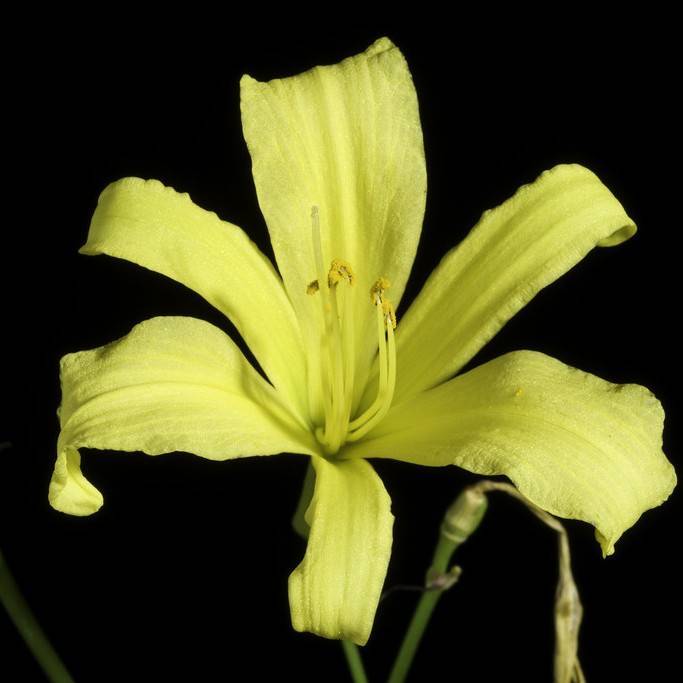
Citron Daylily
Hemerocallis citrina
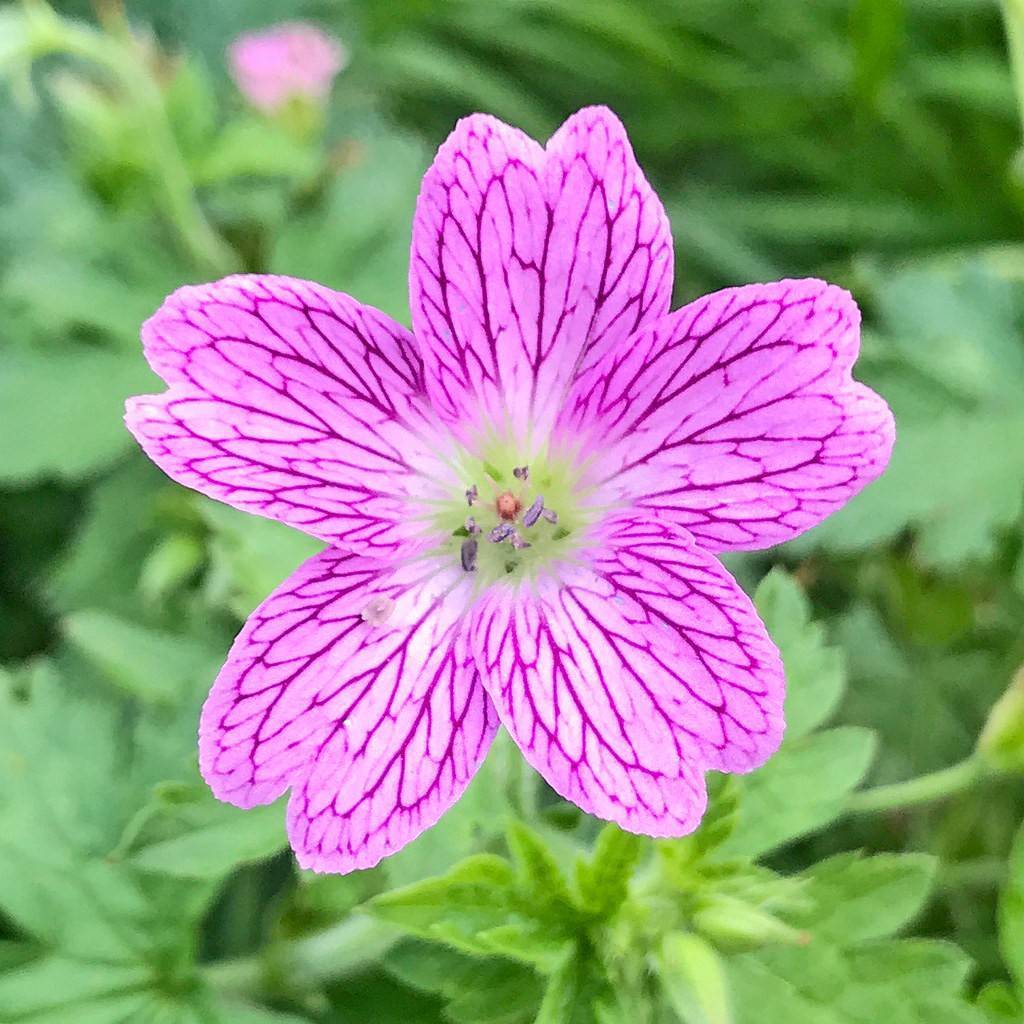
Endres's Cranesbill
Geranium endressii
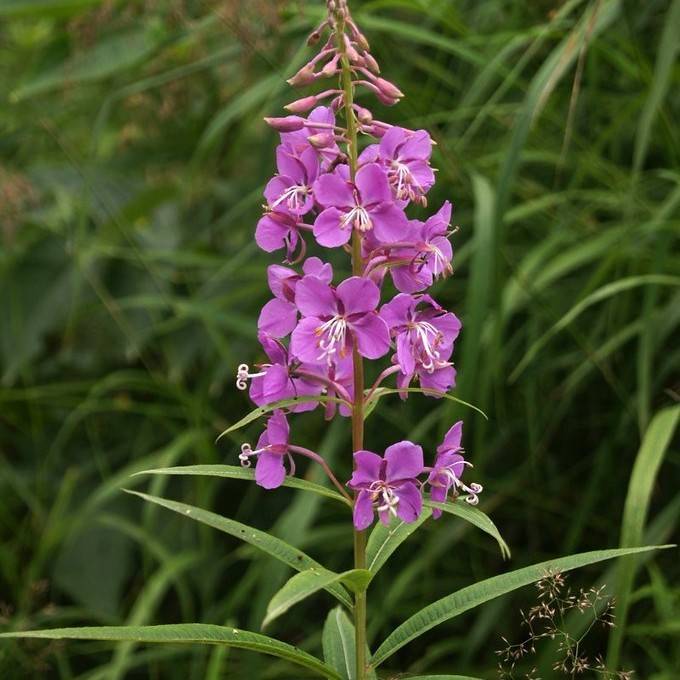
Hybrid Fireweed
Chamerion angustifolium 'Album' or interspecific Chamerion hybrids
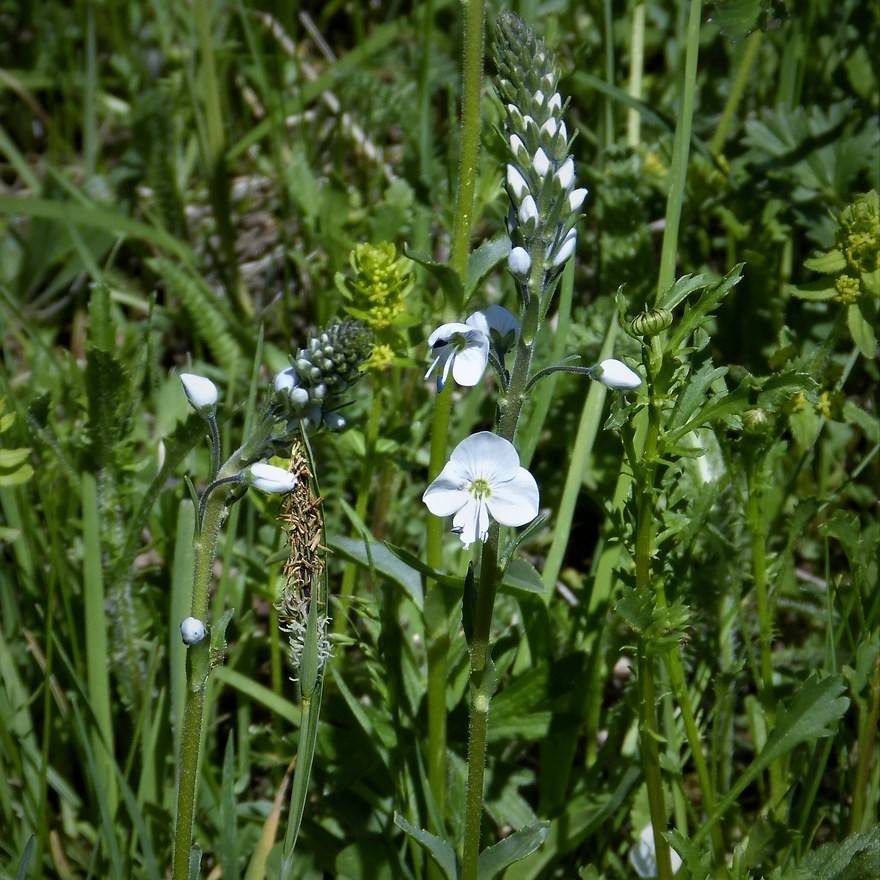
Gentian Speedwell
Veronica gentianoides
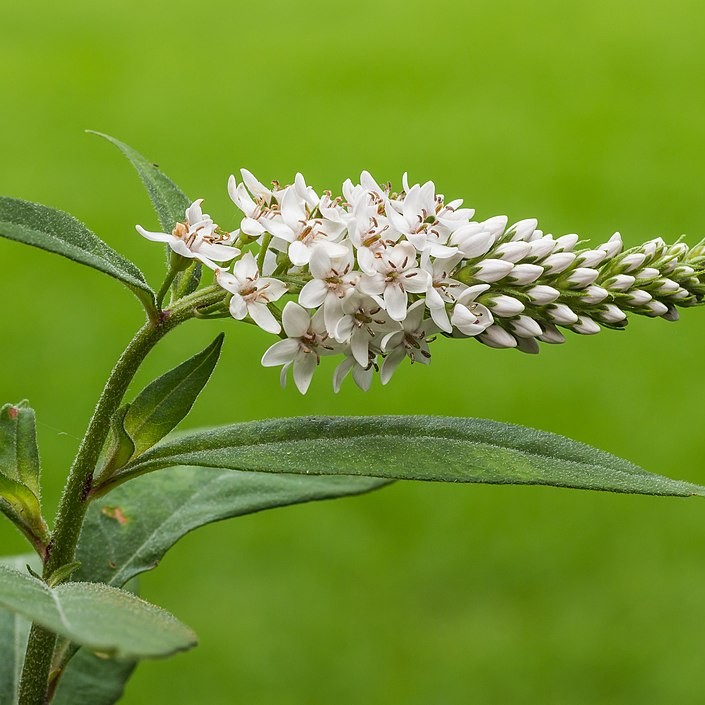
Gooseneck Loosestrife
Lysimachia clethroides
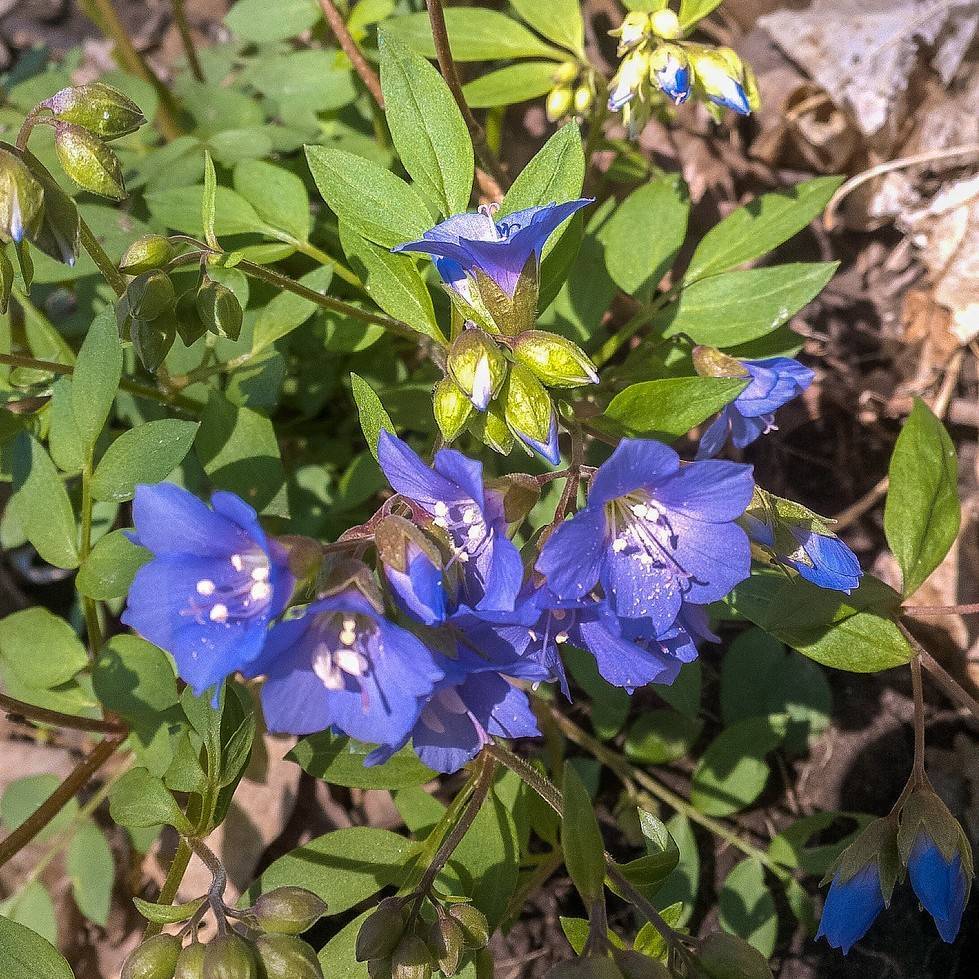
Jacob's Ladder
Polemonium caeruleum
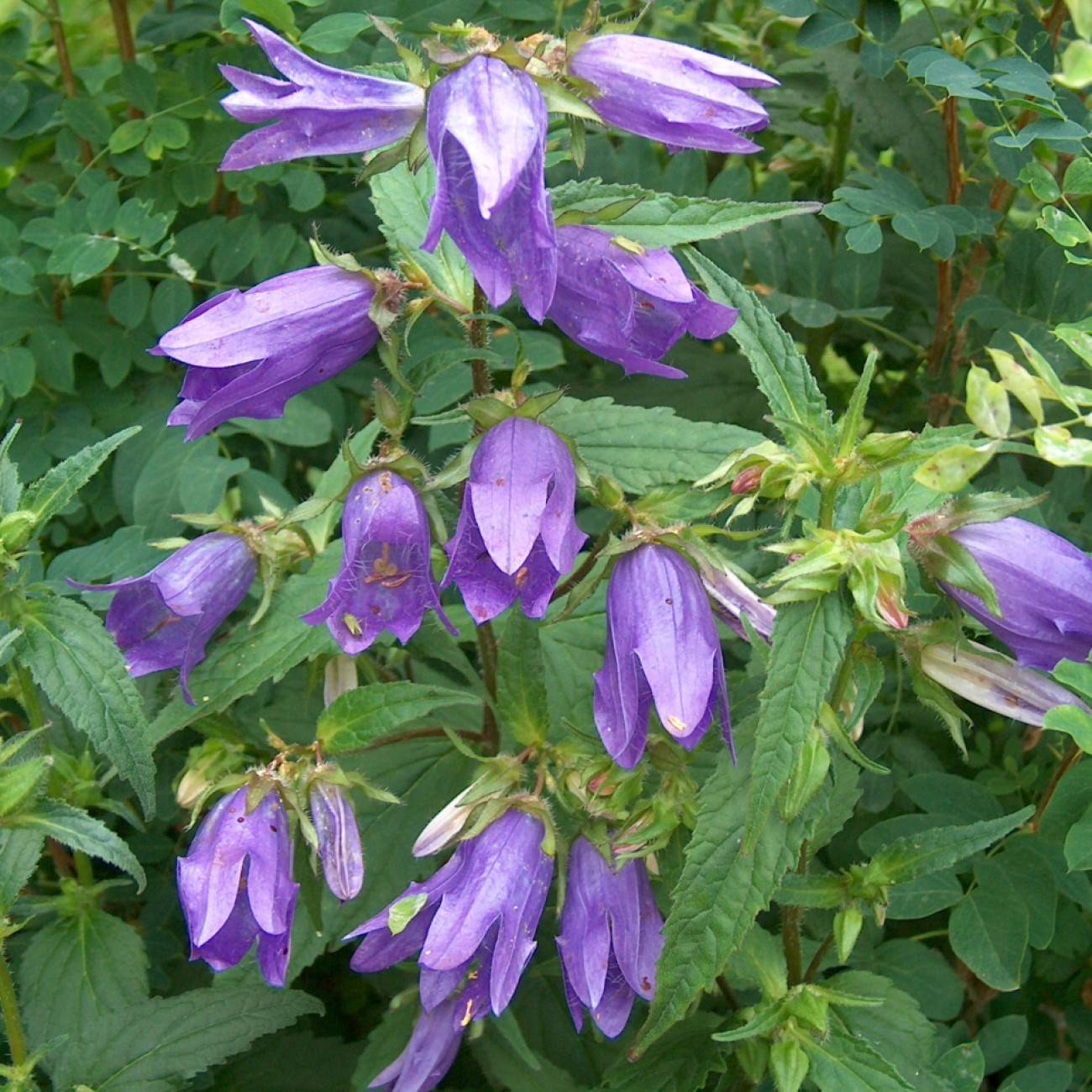
Giant Bellflower
Campanula latifolia 'Gantel E'
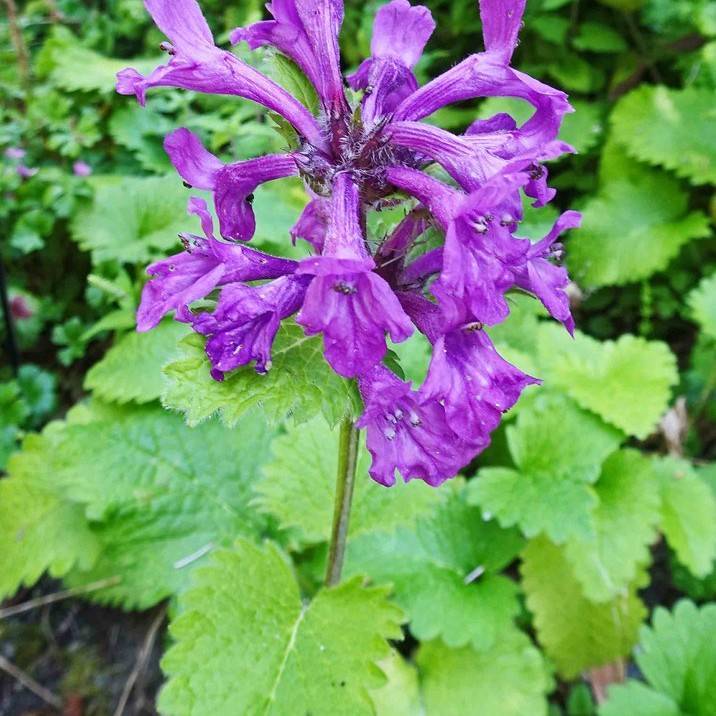
Big Betony
Stachys macrantha