Geranium Sanguineum: Complete Care, Identification, and Growing Guide
Learn how to grow and care for Geranium sanguineum, a hardy, low-maintenance perennial ground cover with vibrant magenta blooms and autumn foliage.
Geranium Sanguineum: Complete Care, Identification, and Growing Guide
Geranium sanguineum is a low-growing, cold-hardy perennial ground cover that grows 6–12 inches tall and spreads 12–24 inches wide at maturity. It produces vibrant magenta five-petaled blooms from late spring to mid-summer, with lobed foliage that turns deep red in autumn, thriving in USDA zones 3–8 with minimal care.
What Is Geranium Sanguineum? Key Identification Traits
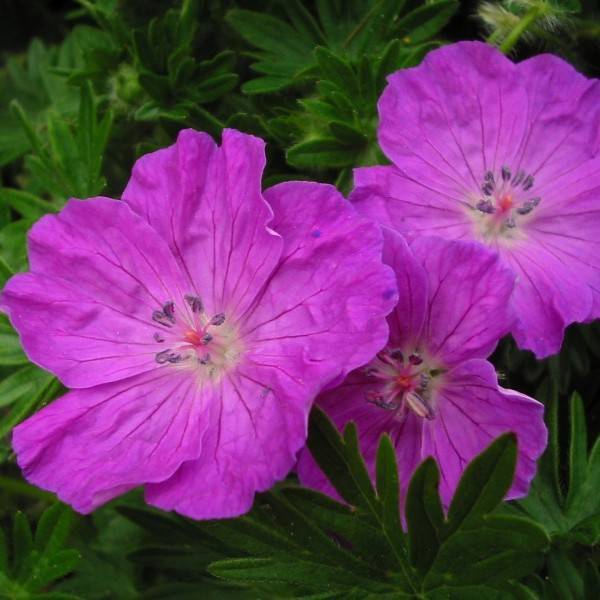
Geranium sanguineum, commonly called bloody cranesbill, is a low-growing hardy perennial that reaches 6–12 inches tall and spreads 12–24 inches wide at maturity. It produces vibrant magenta-pink five-petaled flowers from late spring to mid-summer, with deeply lobed green foliage that turns deep red in autumn. Its clumping, non-invasive growth habit makes it ideal for filling garden gaps without overtaking neighboring plants.
Core Visual Identifiers
- Saucer-shaped 1-inch wide blooms with darker veining at the petal base
- Palmate, lobed leaves with a slightly fuzzy texture
- Distinctive beak-shaped seed pods that give cranesbill geraniums their common name
- Clumping, spreading growth habit that fills in gaps without becoming invasive
If you spot a low-growing pink-blooming ground cover and are unsure if it is geranium sanguineum, upload a photo to Sproutly for fast, accurate identification to avoid mixing it up with similar geranium species.
Geranium Sanguineum Etymology and Common Names
The species name “sanguineum” comes from the Latin word for blood, referencing the plant’s bright red autumn foliage and deep magenta bloom color. The common name “cranesbill” refers to the long, pointed seed pods that resemble a crane’s beak as they mature, a shared trait across many species in the hardy geranium group.
Widely Used Common Names
- Bloody cranesbill
- Bloody geranium
- Hardy geranium (shared with other species in the Geranium section)
Note that geranium sanguineum is not related to common garden geraniums (Geranium, or Pelargonium × hortorum), which are often sold as bedding plants for containers and window boxes. These tender Pelargonium species are grown as annuals in most temperate zones, unlike the cold-hardy, perennial geranium sanguineum.
Native Distribution and Natural Habitat
Geranium sanguineum is native to Europe and temperate regions of western Asia, where it grows in meadows, rocky slopes, open woodlands, and grasslands. It is widely naturalized in North America, particularly in USDA hardiness zones 3–8, where it adapts well to a range of unmanicured garden settings, from well-drained rock gardens to partially shaded woodland edges.
Ideal Wild Habitat Conditions
- Well-drained, moderately fertile soil
- Full sun to partial shade exposure
- Low to moderate moisture levels, with tolerance for short dry periods
- Cool to moderate summer temperatures, with tolerance for light frost
If you are considering planting geranium sanguineum outside of zones 3–8, use Sproutly to check if your local climate supports long-term perennial growth before planting. For gardeners in zones 9 and above, it may be grown as a cool-season annual, or planted in a location with full afternoon shade to avoid heat stress.
Geranium Sanguineum Cultivation: Core Growing Requirements
Geranium sanguineum is a low-maintenance perennial that thrives with minimal intervention once established. It prefers full sun (6+ hours of direct light daily) in cooler regions, or partial shade (3–6 hours of direct light) in areas with hot summer temperatures above 85°F. It adapts to most soil types as long as drainage is adequate, making it suitable for a wide range of garden settings.
Soil and Watering Needs
- Tolerates most soil types, including sandy, loam, and clay, as long as drainage is good to prevent root rot
- Prefers a soil pH between 6.0 and 7.5
- Water 1 inch per week for the first growing season to establish roots; reduce to once every 2–3 weeks once mature, only during extended dry periods
- No regular fertilization is required; a light application of compost in early spring is sufficient for most gardens
Avoid overwatering mature plants, as their thick rhizomes store moisture and can rot if left in consistently saturated soil. For container-grown specimens, use a pot with drainage holes and a standard potting mix without added slow-release fertilizer, which can lead to overly lush foliage at the expense of blooms.
Seasonal Maintenance Tips
- Deadhead spent blooms in mid-summer to encourage a second, lighter flush of flowers in late summer
- Cut back foliage to 2 inches above the soil line in late autumn after it turns red, or leave it in place for winter interest and remove in early spring before new growth emerges
- Divide clumps every 3–4 years in early spring or late autumn to prevent overcrowding and maintain vigorous growth
If you struggle to remember seasonal maintenance tasks, Sproutly can send you custom reminders tailored to your local climate, so you never miss the ideal window to deadhead, divide, or cut back your geranium sanguineum plants.
Popular Geranium Sanguineum Cultivars to Grow
Several widely available geranium sanguineum cultivars offer unique bloom colors and growth habits to fit different garden designs. All share the species’ core low-maintenance, drought-tolerant, and pollinator-friendly traits, so you can select a variety based on aesthetic preference without adjusting your care routine.
- 'Album': White-flowered cultivar with pale green foliage that turns light yellow in autumn, growing 8–10 inches tall. It pairs well with purple-blooming perennials like salvia and lavender for high-contrast border plantings.
- 'New Hampshire Purple': Deep purple-magenta blooms with extra dark veining, a compact 6-inch tall growth habit ideal for rock gardens and small container planters.
- 'Elke': Soft pink blooms with white edges, spreading up to 24 inches wide for fast ground cover. It works well for slope plantings to prevent soil erosion, as its dense root system holds soil in place.
- 'John Elsley': Deep pink flowers and extra finely lobed foliage, with a 12-inch tall growth habit suited for border edges and underplanting for taller shrubs.
Geranium Sanguineum Uses in Garden Design
Geranium sanguineum’s low, spreading growth habit and long bloom period make it a versatile addition to most temperate garden designs. It spreads slowly via rhizomes to form a dense mat that suppresses weeds, making it ideal for low-maintenance planting areas where you want to reduce time spent weeding and watering.
Common Garden Applications
- Ground cover for sunny or partially shaded border edges, rock gardens, and slope plantings. Its dense foliage blocks sunlight from reaching weed seeds, reducing the need for mulch or manual weeding.
- Underplanting for taller perennials like peonies, alliums, and hydrangeas, where it fills in gaps and hides bare lower stems as taller plants grow in.
- Meadow or wildflower garden plantings, where it supports native bees, butterflies, and other pollinators with its nectar-rich blooms.
- Container planting for patios and balconies, paired with taller upright plants like ornamental grasses for layered visual interest.
If you are designing a mixed border and want to confirm geranium sanguineum is compatible with your existing plants, use Sproutly to check shared care requirements and companion planting recommendations. The app can also help you calculate spacing for ground cover plantings based on the specific cultivar you select.
Common Pests, Diseases, and Troubleshooting
Geranium sanguineum is highly pest and disease resistant, with few common issues that impact long-term health. Its slightly fuzzy foliage deters deer and rabbit browsing, making it a good choice for gardens in areas with high wildlife pressure. Most problems arise from poor growing conditions, like excessive shade or overwatering, which are easy to correct with minor adjustments.
Rare Issues to Watch For
- Powdery mildew: Fungal infection that causes white powdery spots on foliage, usually caused by poor air circulation in overly shaded, humid locations. Treat by moving plants to a sunnier spot or thinning surrounding growth to improve airflow. Avoid watering foliage directly, as this can spread fungal spores to healthy leaves.
- Vine weevil larvae: Small white grubs that feed on roots, causing stunted growth and wilting in potted plants. Treat with beneficial nematodes applied to the soil in early spring, which kill larvae without harming beneficial pollinators or soil organisms.
- Root rot: Caused by consistently waterlogged soil, leading to yellowing foliage and collapsed stems. Prevent by planting in well-drained soil and avoiding overwatering. If you notice signs of root rot, dig up the plant, trim away mushy, brown roots, and replant in a drier location or fresh potting mix.
How Geranium Sanguineum Compares to Similar Hardy Geraniums
Geranium sanguineum is often confused with other common hardy geranium species that are grown as ground cover. The key differences are in bloom color, foliage traits, and preferred growing conditions, which can help you select the right species for your specific garden environment.
Side-by-Side Comparison to Common Species
| Species | Bloom Traits | Foliage Traits | Preferred Growing Conditions |
|---|---|---|---|
| Geranium sanguineum | Bright magenta, 1-inch saucer-shaped blooms, late spring to mid-summer | Deeply lobed, non-aromatic, turns red in autumn | Full sun to partial shade, well-drained soil |
| Geranium endressii (Endres's Cranesbill) | Soft pink blooms, mid to late summer | Rounded lobes, non-aromatic, turns yellow in autumn | Partial to full shade, moist soil |
| bigroot geranium | White or pale pink blooms, early spring | Aromatic, rounded lobes, turns bronze in autumn | Full sun to full shade, drought-tolerant once established |
| Pelargonium × hortorum (Common Garden Geranium) | Clustered red, pink, or white blooms, summer to fall | Rounded, fuzzy, aromatic | Full sun, tender perennial grown as annual in most zones |
To summarize key differences: Endres's cranesbill has softer pink blooms and prefers shadier locations than geranium sanguineum, which produces brighter magenta blooms and tolerates more sun. Bigroot geranium has aromatic foliage and blooms earlier in the season, while common garden geraniums are tender perennials grown as annuals in most zones, with clustered rather than single blooms.
Frequently Asked Questions
Is geranium sanguineum a perennial or annual?
Geranium sanguineum is a hardy perennial that returns year after year in USDA zones 3–8. It dies back to the ground in winter and re-emerges from its root system in early spring. In zones warmer than 8, it may be grown as a cool-season annual, as it does not tolerate extended periods of heat above 90°F.
Does geranium sanguineum spread?
Yes, geranium sanguineum spreads slowly via rhizomes to form a dense, 12–24 inch wide mat of foliage over 2–3 growing seasons. It is not considered invasive, as it spreads at a manageable rate and is easy to divide or trim back if it grows beyond its intended space.
How much sun does geranium sanguineum need?
Geranium sanguineum grows best in full sun (6+ hours of direct light daily) in cooler regions. In areas with hot summer temperatures above 85°F, it benefits from partial shade in the afternoon to prevent foliage scorch. Too much shade will lead to sparse blooms and leggy growth.
Is geranium sanguineum drought tolerant?
Yes, mature geranium sanguineum plants are drought tolerant, requiring only 1 inch of water every 2–3 weeks during extended dry periods. Newly planted specimens need regular watering for the first growing season to establish deep roots, after which they can survive on natural rainfall in most temperate regions.
What is the common name for Geranium sanguineum?
The most common names for Geranium sanguineum are bloody cranesbill and bloody geranium, referencing its vibrant magenta blooms and red autumn foliage. It is also sometimes grouped under the broader common name hardy geranium, which refers to multiple cold-hardy species in the Geranium genus.
Get Custom Geranium Sanguineum Care Tips
If you’re growing geranium sanguineum and want tailored care advice for your specific location and growing conditions, Sproutly can help. Upload a photo of your plant to confirm its identity, log your planting date, and get custom reminders for watering, deadheading, and dividing based on your local climate.
Sign up for the Sproutly newsletter to get monthly seasonal gardening tips, new plant profile updates, and exclusive care hacks for hardy perennials like geranium sanguineum delivered straight to your inbox.
Ready to take the guesswork out of caring for your plants? Try Sproutly today to get personalized care recommendations for every plant in your garden.
Related Reading
More guides you may like
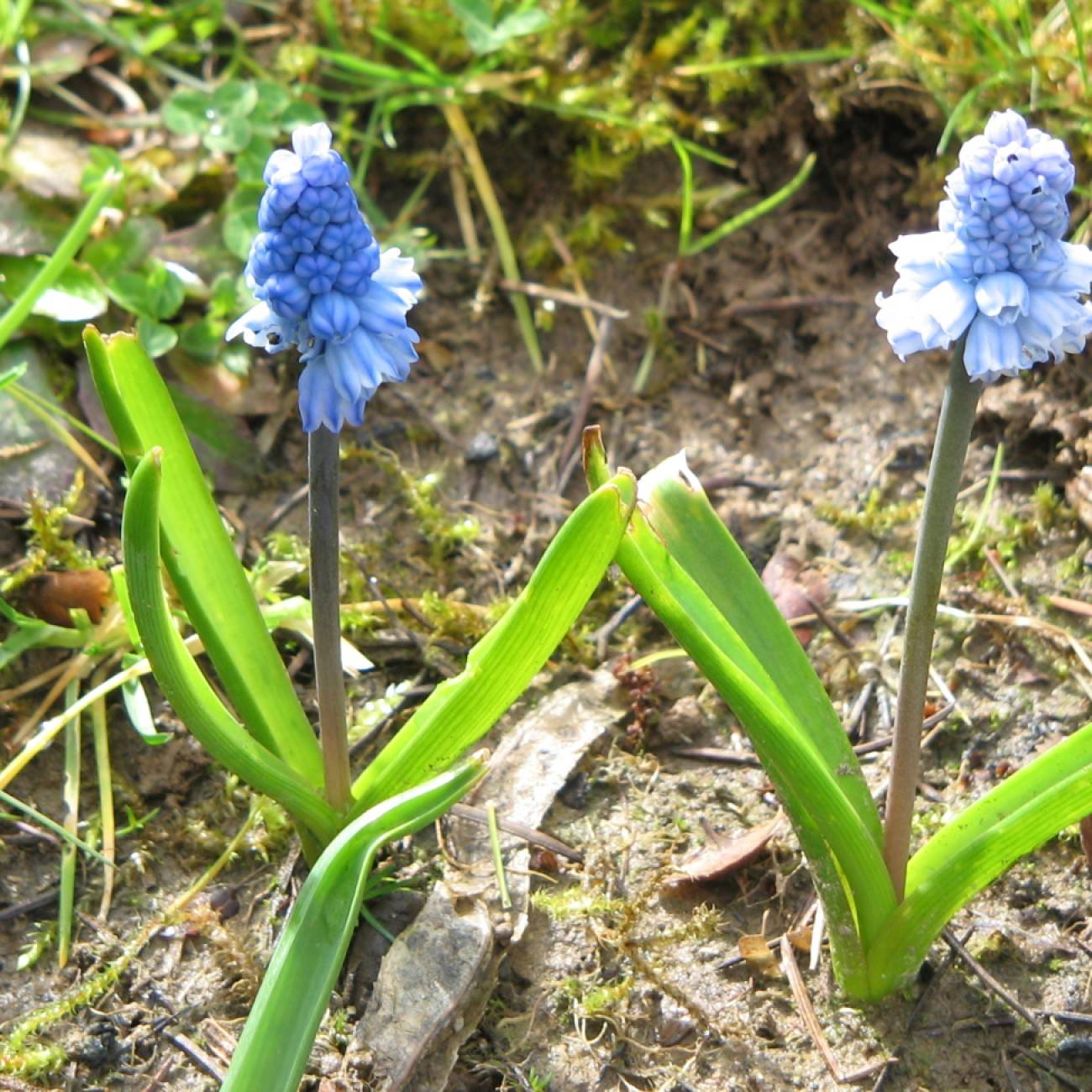
Grape Hyacinth (Muscari Armeniacum): Care, Planting, and Growing Guide
Learn how to plant, grow, and care for grape hyacinth, a low-growing spring bulb with dense grape-like blue, purple, or white flower clusters that naturalizes easily.
2026-06-30 · 16 min read
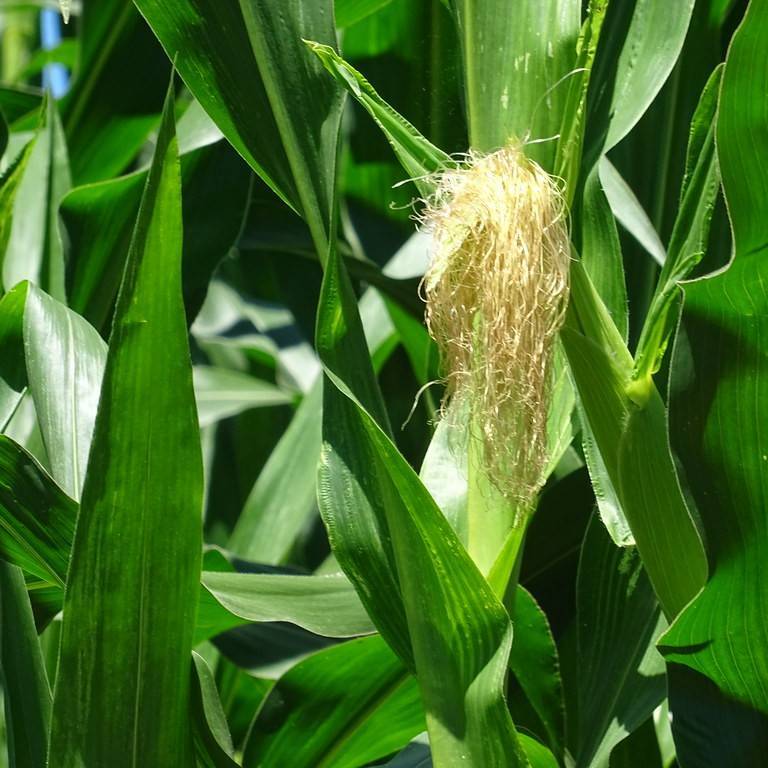
Zea Mays Corn: Taxonomy, Cultivation, Home Growing Tips, and Common Confusions
Learn all about Zea mays corn: its taxonomic history, cultivation requirements, home growing best practices, and how to distinguish it from plants with 'corn' in their common names.
2026-06-29 · 15 min read
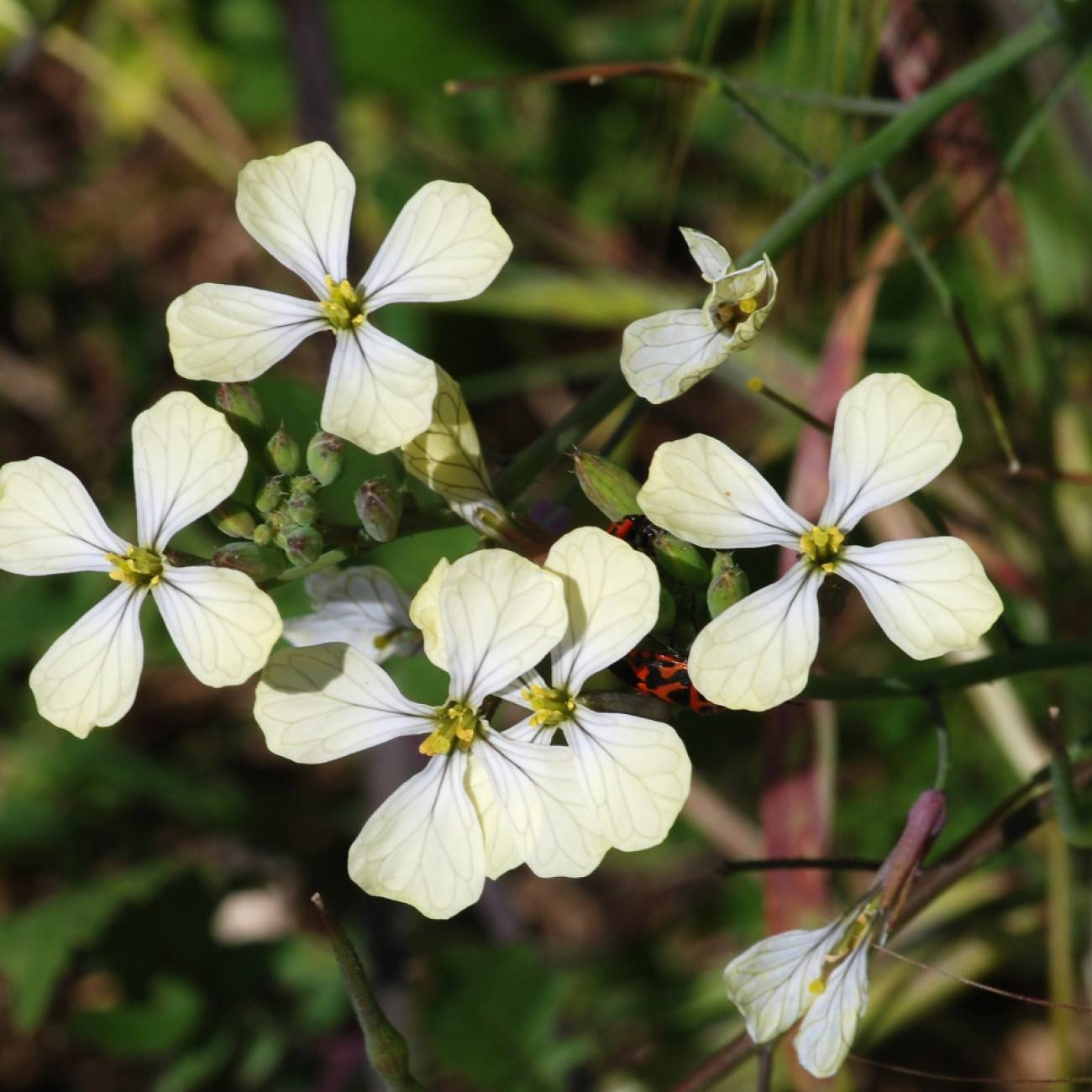
Arugula: Growing, Nutrition, Uses, and Complete Care Guide
Learn all about arugula (rocket/rucola): its spicy, nutty flavor, growing tips, nutrition benefits, storage hacks, and culinary uses for this pet-safe leafy green.
2026-06-28 · 19 min read