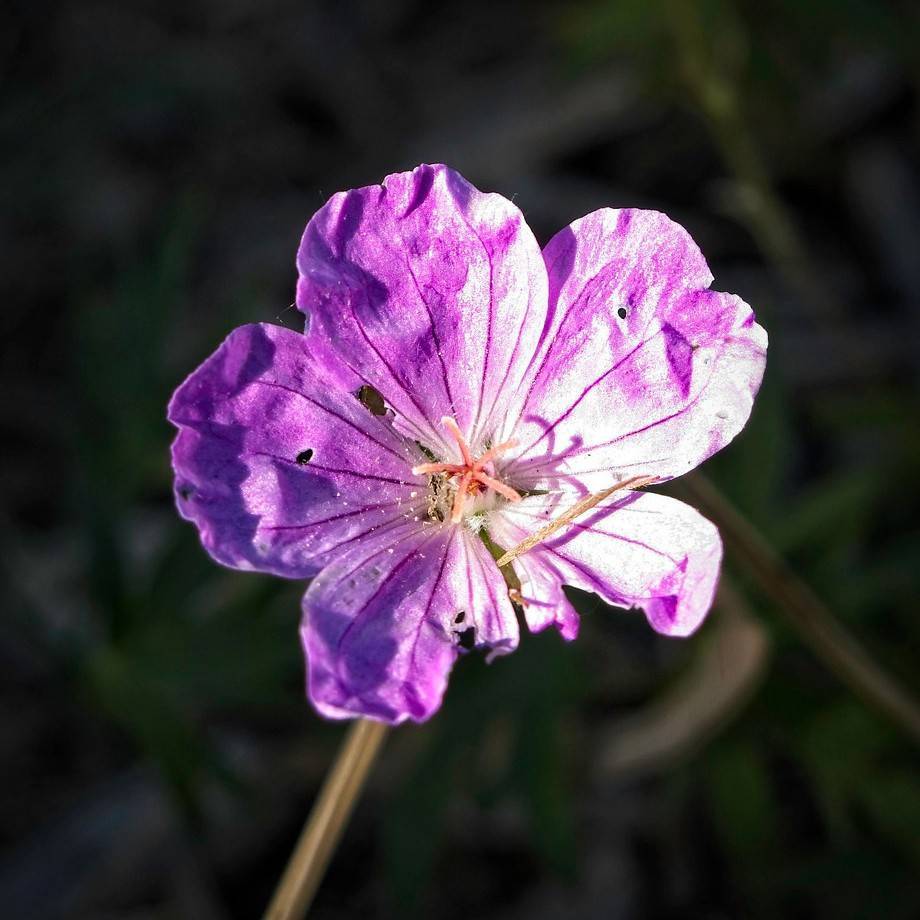
Bloody Cranesbill
Geranium sanguineum
Overview
Bloody cranesbill is a clump-forming herbaceous perennial named for its distinctive beak-shaped seed pods and vivid deep pink to magenta blooms that appear in abundance across its mounded foliage. Its deeply lobed, palmate green leaves turn striking shades of red, orange, and purple in autumn, extending its ornamental value through the fall season. Widely cultivated as a low-maintenance garden plant, it thrives in temperate climates and is valued for its drought tolerance and resistance to deer and rabbit browsing.
Care Guide
Watering
Water newly planted bloody cranesbill regularly to keep soil consistently moist for the first growing season as it establishes its root system. Once established, it is highly drought tolerant, requiring only occasional watering during extended periods of hot, dry weather. Avoid overwatering or allowing the plant to sit in saturated soil, as this can lead to root rot.
Light
This plant performs best in full sun to partial shade, with at least 6 hours of direct sunlight daily to encourage maximum flowering. In regions with extremely hot, intense summer sun, it benefits from light afternoon shade to prevent leaf scorch and extend the bloom period. Too much deep shade will result in sparse flowering and leggy, loose growth.
Soil
Bloody cranesbill adapts to a wide range of soil types, including sandy, loam, and clay soils, as long as the site has good drainage. It prefers a slightly acidic to neutral pH range between 5.8 and 7.0, though it can tolerate mildly alkaline conditions as well. Amending heavy clay soils with organic matter such as compost will improve drainage and support healthier root growth.
Fertilizer
This low-feeding plant typically requires minimal fertilization, especially when grown in moderately fertile garden soil. Apply a light dressing of balanced, slow-release granular fertilizer in early spring just as new growth emerges, or top-dress with a 1-inch layer of well-rotted compost to provide sufficient nutrients for the growing season. Avoid over-fertilizing, as this will promote excessive foliage growth at the expense of flowering and can lead to weak, floppy stems.
Temperature
It is hardy in USDA zones 3 through 8, tolerating winter temperatures as low as -40°F (-40°C) without special protection once established. It prefers moderate summer temperatures between 60°F and 75°F (15°C to 24°C), though it can tolerate short periods of higher heat if provided with adequate moisture and partial shade. Late spring frosts rarely damage new growth, as the plant emerges relatively late in the season to avoid cold damage.
Pruning
Deadhead spent flower stems regularly throughout the bloom period to encourage a second, lighter flush of flowers later in the summer and prevent unwanted self-seeding. After flowering is complete, you can shear back the entire plant by one-third to one-half of its height to tidy up the foliage and stimulate fresh, compact new growth. No additional pruning is required in fall; leave the dried foliage in place to protect the crown over winter, and remove dead material in early spring before new growth appears.
Propagation
The most common propagation methods are division, stem cuttings, and seed sowing. Divide mature clumps every 3 to 4 years in early spring or late fall, digging up the entire root ball and separating it into smaller sections with at least 2 to 3 growing points each before replanting. Take softwood stem cuttings in late spring or early summer, rooting them in a moist, well-draining potting mix under indirect light, or sow seeds outdoors in fall or cold-stratify them indoors for 4 to 6 weeks before spring sowing.
Humidity
Bloody cranesbill adapts well to average outdoor humidity levels between 40% and 60%, which is typical of its native temperate range. It does not require extra humidity, and high humidity combined with poor air circulation can increase the risk of fungal leaf diseases. Ensure plants are spaced adequately to allow air flow around the foliage, especially in more humid climates.
Repotting
When grown in containers, repot bloody cranesbill every 2 to 3 years in early spring, moving it to a pot one size larger with fresh, well-draining potting mix. Choose a container with drainage holes to prevent waterlogging, and use a mix of regular potting soil amended with perlite or coarse sand to improve drainage. If the plant outgrows its container, you can divide the root ball during repotting to create multiple new plants rather than moving to an excessively large pot.
Uses & Symbolism
Bloody cranesbill is widely used as a low-growing ground cover in rock gardens, border edges, cottage gardens, and underplanting for taller shrubs and roses, where its spreading habit suppresses weeds and fills in gaps between other plants. Its long bloom period and attractive autumn foliage make it a popular choice for mass plantings in public landscapes and pollinator gardens, as its flowers provide nectar for bees, butterflies, and other beneficial insects. Historically, parts of the plant have been used in traditional herbal medicine as an astringent to treat minor wounds, diarrhea, and mouth inflammation, though it is not widely used for medicinal purposes today.
Diseases & Pests
Bloody cranesbill is relatively pest and disease resistant, though it can occasionally be affected by fungal issues such as powdery mildew, leaf spot, and rust, particularly in humid conditions with poor air circulation or excessive shade. Common pests include aphids, slugs, and snails, which may feed on young foliage in spring, though damage is rarely severe enough to require treatment. Ensuring proper spacing, avoiding overhead watering, and removing affected foliage at the first sign of disease will prevent most issues from spreading.
Guides that mention Bloody Cranesbill
Related plants
Other plants you might like if you grow Bloody Cranesbill.
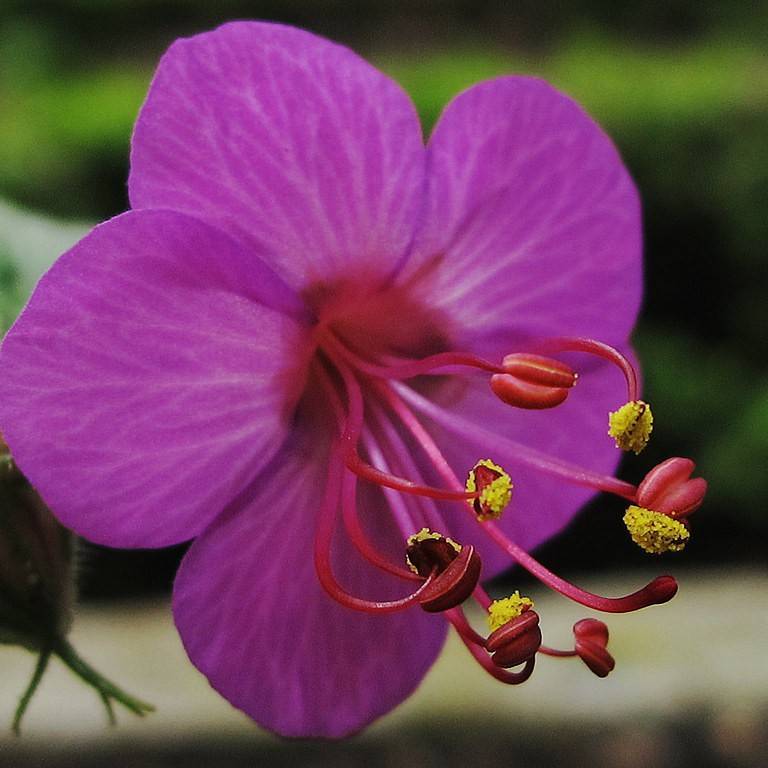
Bigroot Geranium
Geranium macrorrhizum
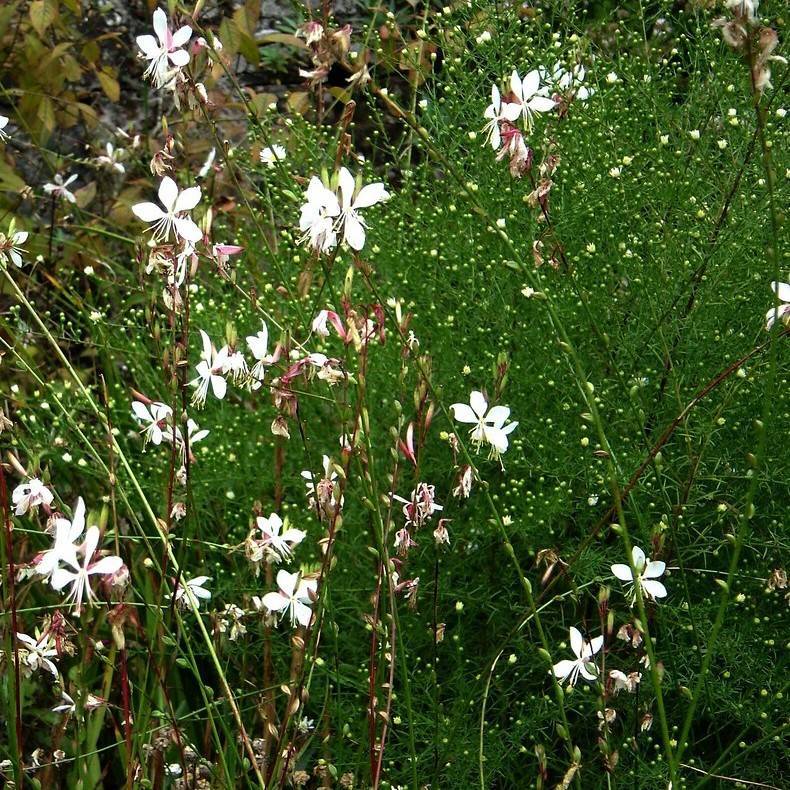
Gaura
Oenothera lindheimeri
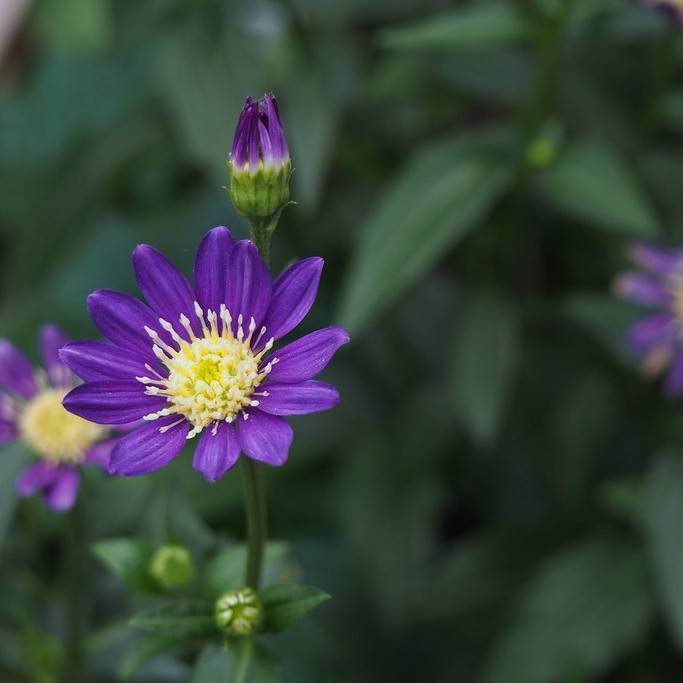
Gymnaster
Gymnaster savatieri
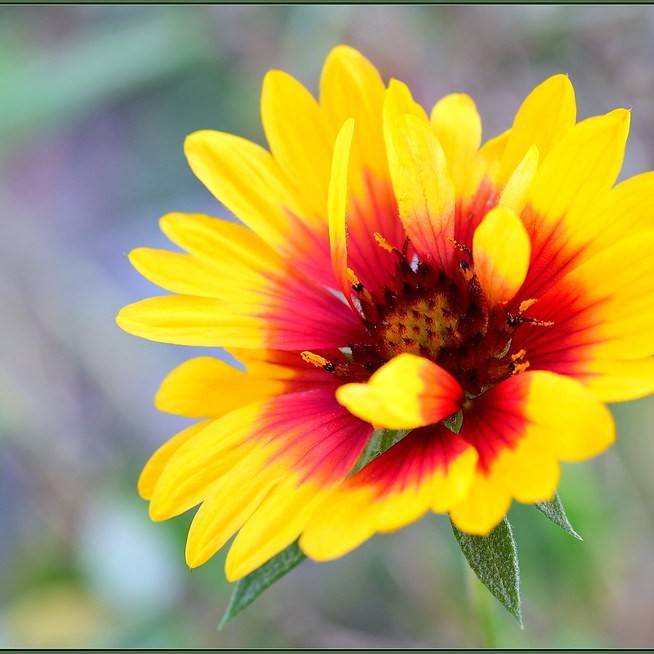
Blanket Flower
Gaillardia aristata

Bellflower Beardtongue
Penstemon campanulatus
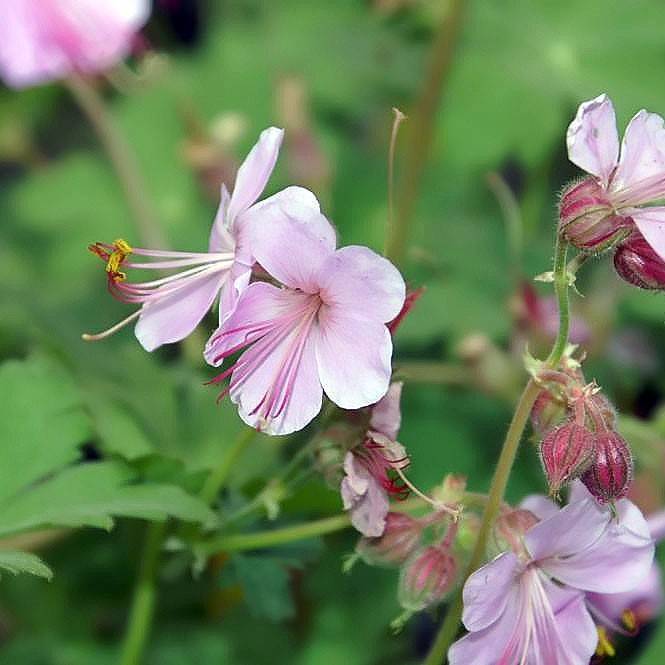
Ingwersen's Variety Bigroot Geranium
Geranium macrorrhizum 'Ingwersen's Variety'
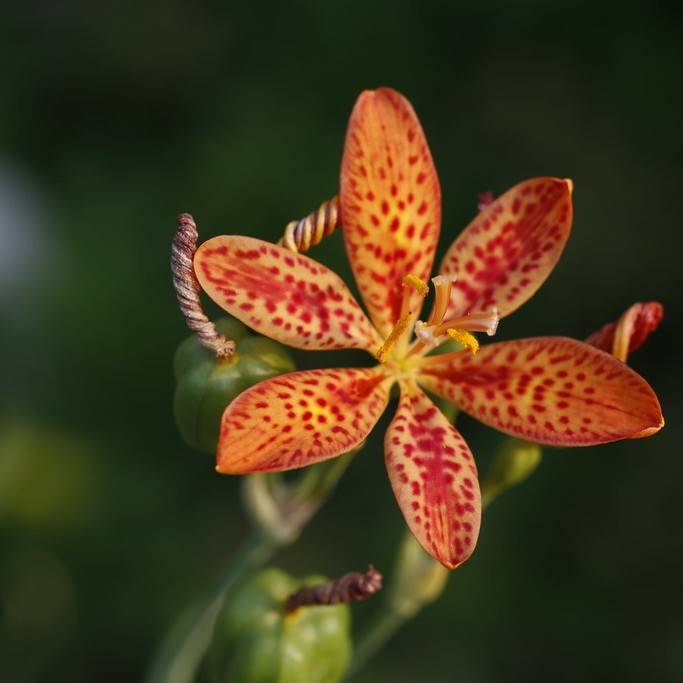
Blackberry Lily
Iris domestica (syn. Belamcanda chinensis)
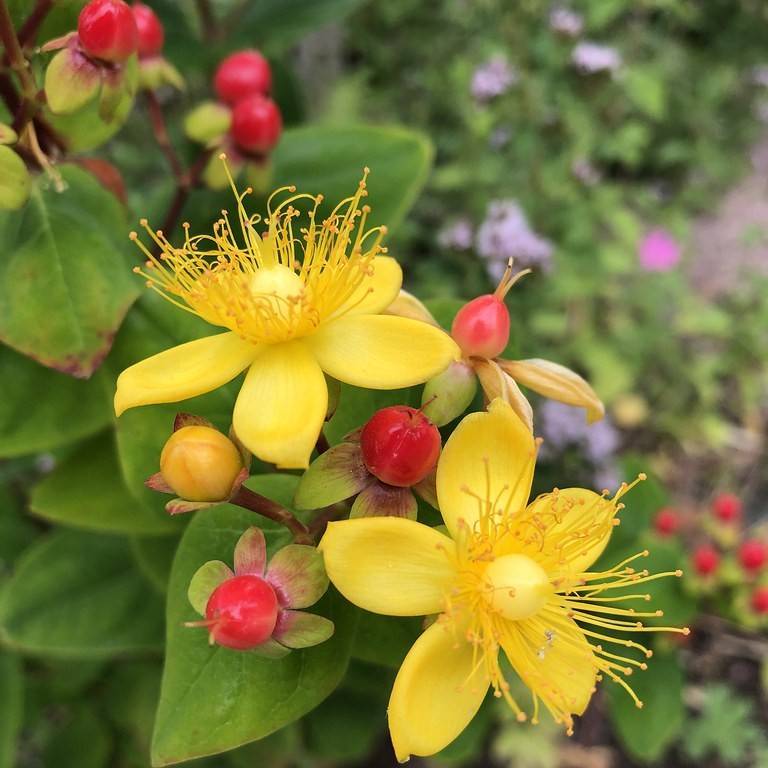
St. John's Wort
Hypericum perforatum