Gymnaster
Gymnaster savatieri
Overview
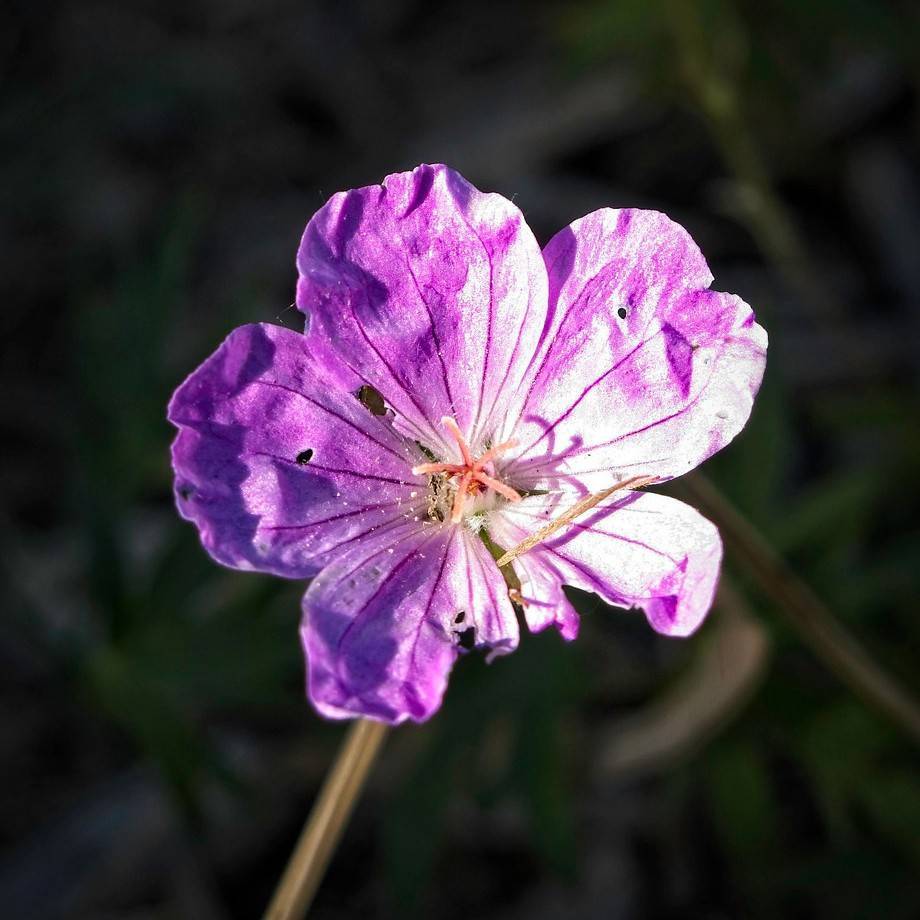
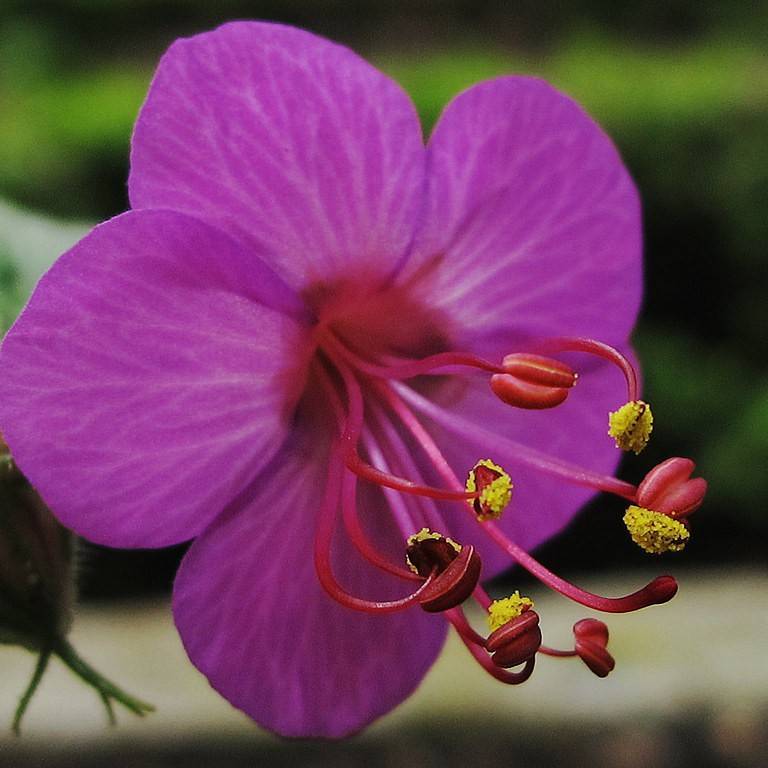
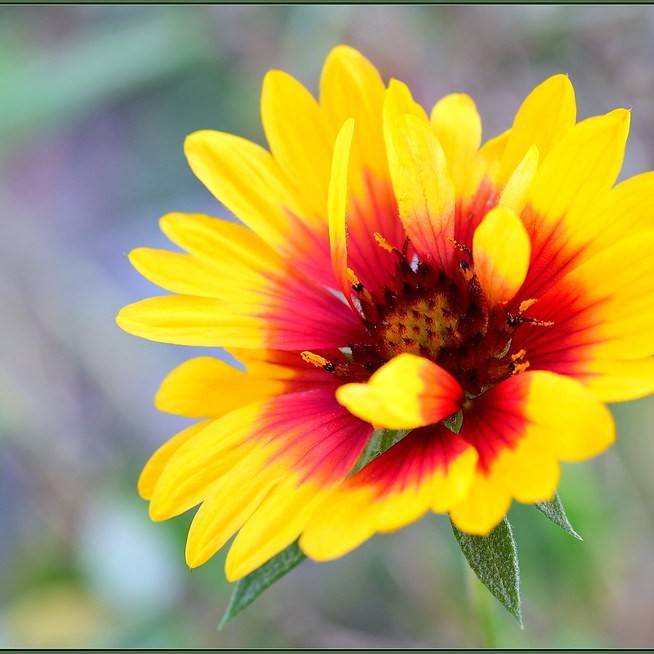
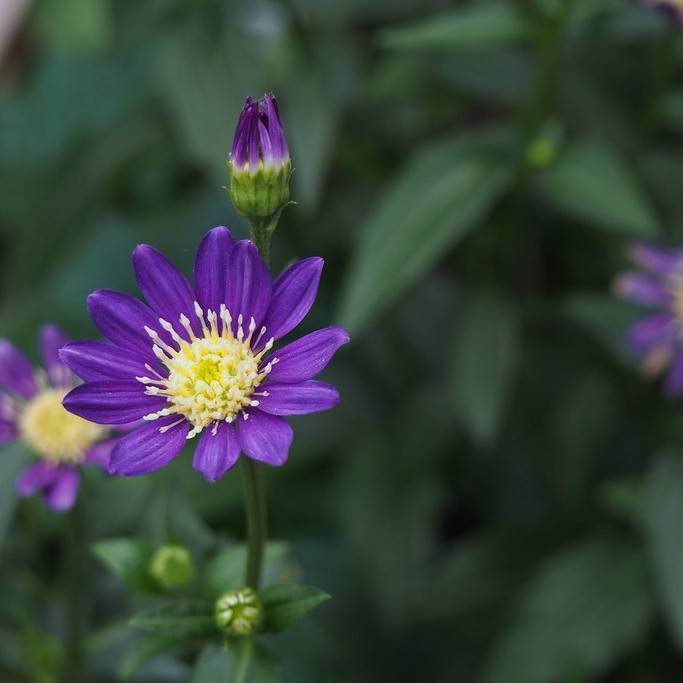
Gymnaster is a hardy, herbaceous perennial valued for its compact, mounding growth habit and abundant, daisy-shaped flowers that appear from late spring through early summer. Native to forest edges and grassy slopes in East Asia, it is widely cultivated as a low-maintenance ground cover or border plant in temperate regions. Its narrow, dark green foliage remains attractive throughout the growing season, even after blooms fade, making it a versatile addition to mixed plantings.
Care Guide
Watering
Gymnaster prefers consistently moist, well-drained soil; water deeply when the top 1 inch of soil feels dry to the touch, avoiding overwatering that can lead to root rot. Once established, it has moderate drought tolerance, though extended dry periods may reduce flowering and cause foliage browning. Reduce watering frequency in late fall and winter as the plant enters dormancy.
Light
Thrives in full sun to partial shade, with at least 4-6 hours of direct sunlight daily for optimal flowering. In regions with hot, intense summer sun, it benefits from light afternoon shade to prevent foliage scorch and extend bloom duration. Too much deep shade will result in leggy growth and reduced flower production.
Soil
Adaptable to a wide range of soil types, including sandy, loam, and clay soils, as long as they are well-drained. It prefers a neutral to slightly acidic pH between 6.0 and 7.0, though it tolerates mild alkaline conditions. Amending heavy clay soil with organic matter such as compost will improve drainage and support healthier root growth.
Fertilizer
Feed lightly in early spring with a balanced, slow-release 10-10-10 fertilizer to support new growth and flowering. Avoid over-fertilizing, as excessive nitrogen will promote lush foliage growth at the expense of blooms. No additional fertilizer is needed during the growing season for established plants grown in moderately fertile soil.
Temperature
Hardy in USDA zones 4 through 8, tolerating winter lows as low as -30°F (-34°C) when established. It prefers mild summer temperatures between 60-75°F (15-24°C), and may go dormant early if exposed to prolonged temperatures above 90°F (32°C). A light layer of mulch in late fall helps protect root systems from extreme cold fluctuations in winter.
Pruning
Deadhead spent blooms regularly throughout the flowering season to encourage additional bud formation and extend the bloom period. Cut back the entire plant to 2-3 inches above the soil line in late fall after foliage dies back, to tidy the planting and reduce overwintering pest and disease habitat. No regular pruning is required during the growing season outside of deadheading, unless shaping is desired.
Propagation
Most easily propagated by division in early spring before new growth emerges, or in early fall after flowering ends; dig up mature clumps, split them into smaller sections with healthy roots and foliage, and replant immediately at the same depth as the original plant. It can also be grown from seed sown directly outdoors in fall or started indoors 6-8 weeks before the last expected frost date. Stem cuttings taken from new growth in late spring will root readily in moist potting mix with bottom heat.
Humidity
Adaptable to average outdoor humidity levels between 40-70%, requiring no special humidity adjustments when grown in its preferred hardiness zones. It does not tolerate high, constant humidity combined with poorly drained soil, which increases the risk of fungal foliar diseases. Indoor container-grown specimens benefit from occasional misting if household humidity drops below 30% in winter.
Repotting
Container-grown Gymnaster should be repotted every 2-3 years in early spring, before new growth begins, to refresh the soil and prevent root binding. Choose a pot with drainage holes that is 1-2 inches larger in diameter than the current container, using a well-drained potting mix amended with compost. Avoid repotting during the flowering season, as this can cause bloom drop and stress the plant.
Uses & Symbolism
Gymnaster is widely used as a low-growing ground cover in sunny to partially shaded borders, rock gardens, and woodland edge plantings, where its spreading habit helps suppress weed growth. Its compact size and long bloom period make it a good choice for container plantings and mixed patio displays, where it pairs well with taller perennials and ornamental grasses. It is also a valuable pollinator plant, attracting bees, butterflies, and other beneficial insects to the garden throughout its flowering season.
Diseases & Pests
Gymnaster is relatively pest and disease resistant, though it may develop powdery mildew or leaf spot in conditions of high humidity, poor air circulation, or overhead watering. Aphids and spider mites may occasionally infest new growth, especially on plants grown in overly dry or stressed conditions; these can be controlled with insecticidal soap or neem oil applications. Root rot may occur in poorly drained, waterlogged soil, so ensuring proper drainage is critical to preventing this fatal issue.
Related plants
Other plants you might like if you grow Gymnaster.