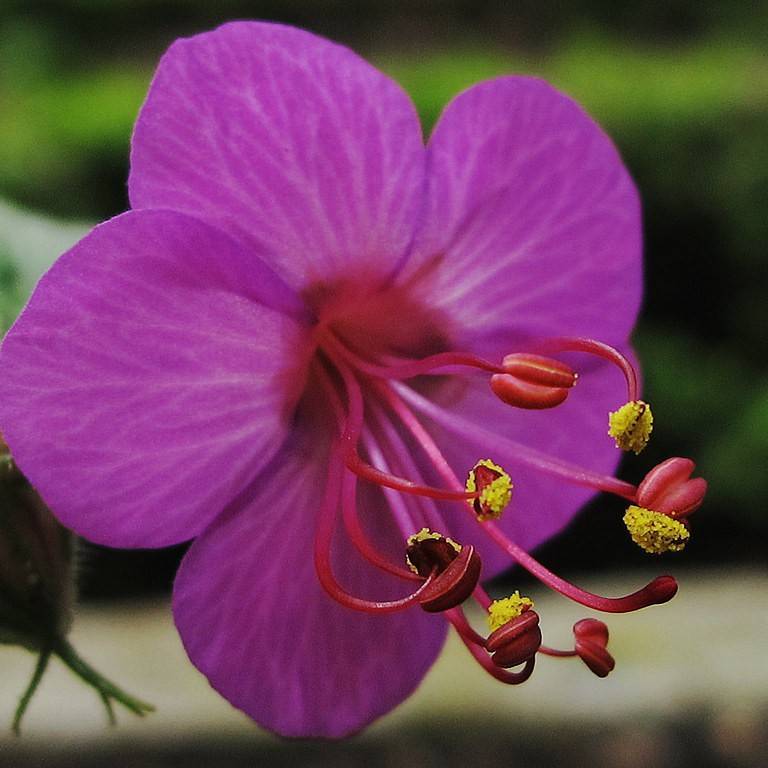
Bigroot Geranium
Geranium macrorrhizum
Overview
Bigroot Geranium is a hardy, low-maintenance herbaceous perennial named for its thick, fleshy rhizomatous root system that spreads steadily to form dense, weed-suppressing mats. Its fuzzy, palmately lobed leaves release a warm, spicy scent when crushed, and develop attractive reddish-purple fall color in cooler climates. From late spring to early summer, it produces clusters of small, five-petaled flowers in shades of pink, magenta, or white that attract pollinators including bees and butterflies.
Care Guide
Watering
Water newly planted bigroot geraniums regularly to keep soil evenly moist for the first growing season as roots establish. Once mature, the plant is exceptionally drought-tolerant, requiring watering only during extended periods of high heat or no rainfall, as overwatering can cause root rot. Avoid overhead watering to reduce foliar disease risk, directing water at the base of the plant instead.
Light
Thrives in full sun to partial shade, with the most abundant flowering occurring in locations that receive at least 4-6 hours of direct sunlight daily. In regions with hot, intense summer sun, it benefits from light afternoon shade to prevent leaf scorch and extend the lifespan of spring blooms. It can tolerate deep shade, though flowering will be sparse and growth may be less dense.
Soil
Adaptable to a wide range of soil types, including sandy, loamy, and clay soils, as long as the site has good drainage, as it cannot tolerate waterlogged conditions. It prefers a slightly acidic to neutral soil pH between 6.0 and 7.5, but will also grow in mildly alkaline soils. It tolerates poor, low-nutrient soils well, making it suitable for rocky or sloped areas where other plants struggle.
Fertilizer
Bigroot geranium has low nutrient requirements and rarely needs supplemental fertilization when planted in average garden soil. If growing in extremely poor, sandy soil, apply a balanced, slow-release 10-10-10 fertilizer once in early spring before new growth emerges, taking care not to overfertilize which can lead to leggy growth and reduced flowering. Avoid high-nitrogen fertilizers, as these promote excessive foliage growth at the expense of blooms.
Temperature
Hardy in USDA zones 3 through 8, tolerating winter temperatures as low as -30°F (-34°C) without extra protection once established. It thrives in moderate summer temperatures between 60°F and 75°F (15°C and 24°C), and can withstand short periods of high heat up to 90°F (32°C) when provided with adequate moisture and partial shade. Extreme, prolonged heat may cause temporary dormancy, but the plant will regrow when cooler conditions return.
Pruning
After flowering finishes in early summer, shear back the entire plant by one-third to one-half to remove spent blooms and encourage fresh, compact foliage growth, which often prevents the need for additional pruning for the rest of the season. Remove any yellowed or damaged leaves throughout the growing season to maintain a tidy appearance and improve air circulation. In late fall or early spring, cut back any remaining dead foliage to the ground to make way for new spring growth.
Propagation
The easiest method of propagation is division, done in early spring before new growth starts or in early fall after flowering finishes, by digging up clumps, separating the thick rhizomes into sections with at least one growing point each, and replanting immediately. It can also be grown from seed sown directly outdoors in fall or cold-stratified for 4-6 weeks and sown indoors in late winter, though seed-grown plants may not retain the exact characteristics of the parent cultivar. Softwood cuttings taken from new growth in late spring also root readily when placed in moist, well-draining potting mix and kept in indirect light.
Humidity
Adaptable to average outdoor humidity levels between 40% and 60%, and does not require extra humidity in most growing conditions. It tolerates dry air well, making it suitable for arid or semi-arid climates as long as it receives occasional watering. High, prolonged humidity combined with poor air circulation can increase the risk of fungal leaf spots, so ensure plants are spaced appropriately for airflow.
Repotting
While typically grown in garden beds, bigroot geranium can be grown in containers, where it will need repotting every 2-3 years in early spring when roots begin to grow out of the drainage holes or the rhizomes fill the pot. Use a well-draining potting mix and select a container that is 1-2 inches larger in diameter than the current pot, with multiple drainage holes to prevent waterlogging. When repotting, you can divide overcrowded rhizomes to create new plants and keep the original plant a manageable size for its container.
Uses & Symbolism
Widely planted as a low-maintenance ground cover for sunny to partially shaded borders, rock gardens, slopes, and underplanting around shrubs, where its dense growth suppresses weeds and reduces erosion. The aromatic leaves and flowers are sometimes used in potpourris and sachets for their warm, spicy scent, and the plant is occasionally included in pollinator gardens to support native bees and butterflies. It is also a popular choice for xeriscaping and low-water gardens due to its exceptional drought tolerance once established.
Diseases & Pests
Bigroot geranium is largely pest and disease resistant, with few common issues when grown in well-draining soil with adequate air circulation. Overly wet conditions or poor drainage can lead to root rot, while prolonged high humidity may cause minor fungal issues such as powdery mildew or leaf spot, which can be treated with neem oil or copper fungicide and prevented by avoiding overhead watering. It is rarely affected by common garden pests, though slugs and snails may occasionally feed on young foliage in damp, shaded locations.
Related plants
Other plants you might like if you grow Bigroot Geranium.
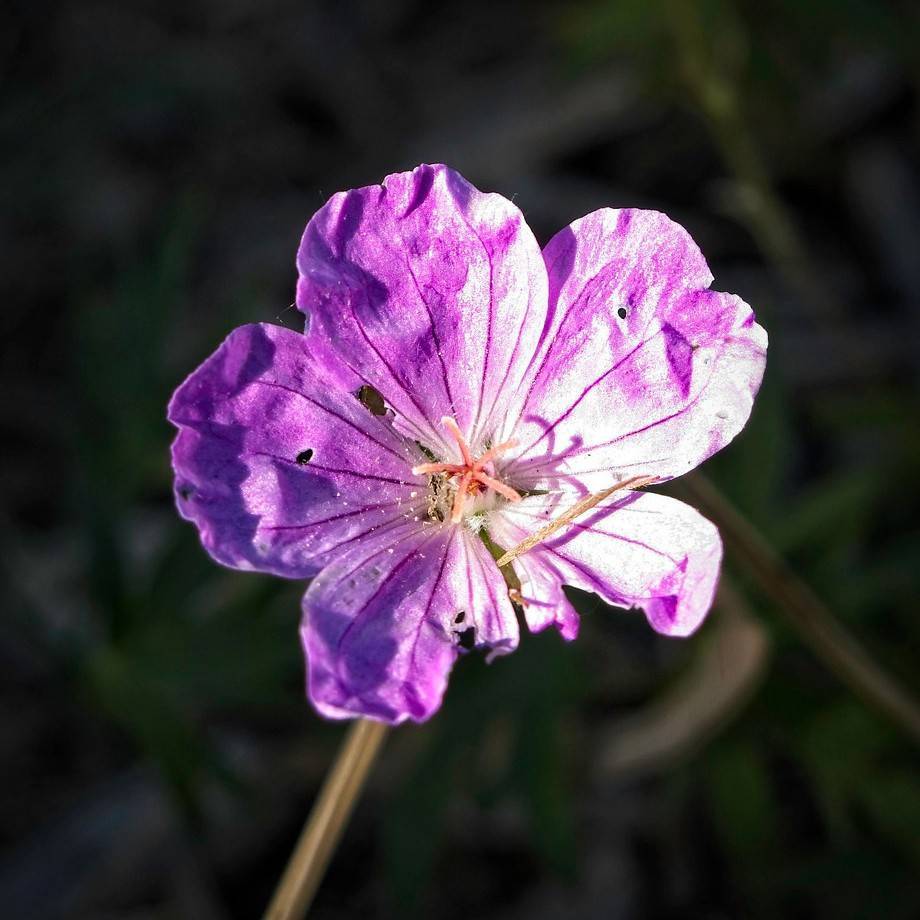
Bloody Cranesbill
Geranium sanguineum
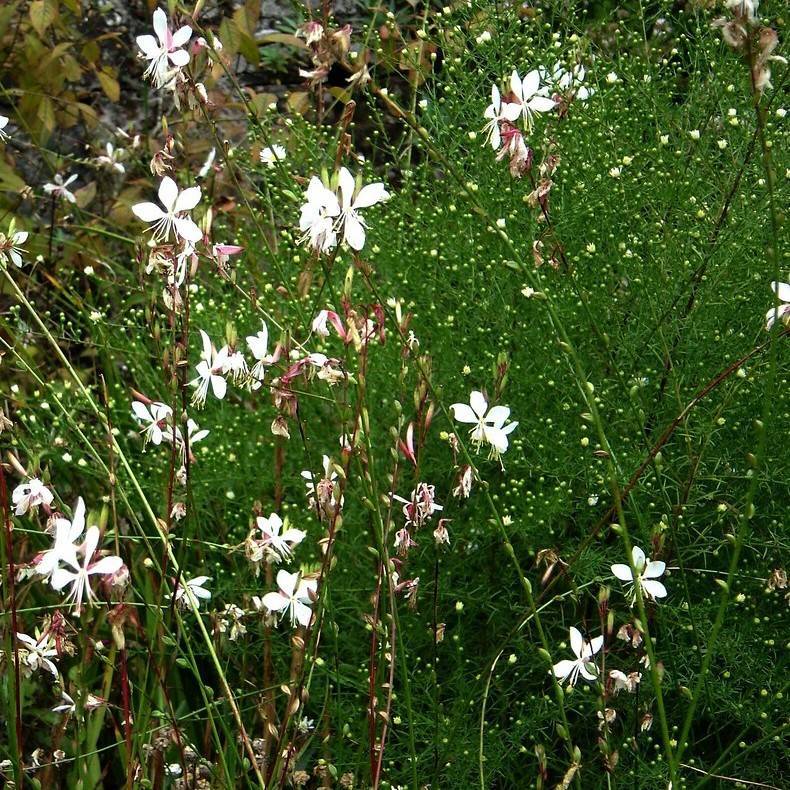
Gaura
Oenothera lindheimeri
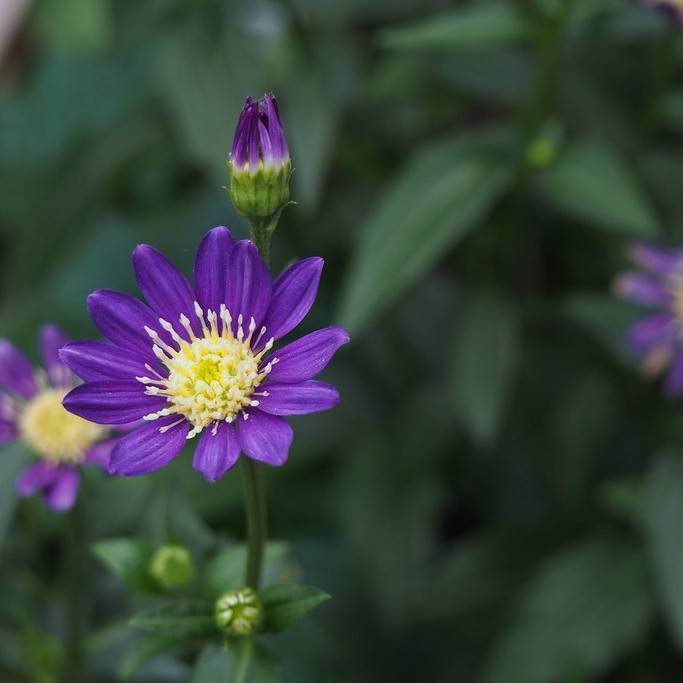
Gymnaster
Gymnaster savatieri
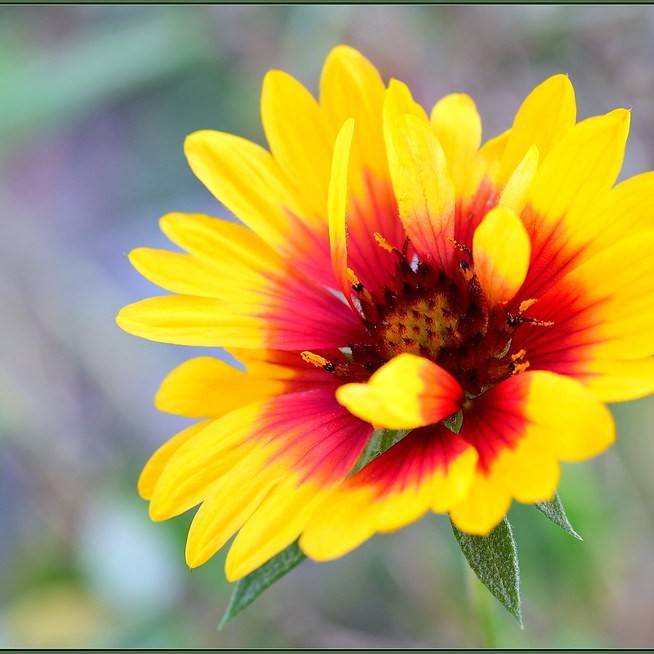
Blanket Flower
Gaillardia aristata
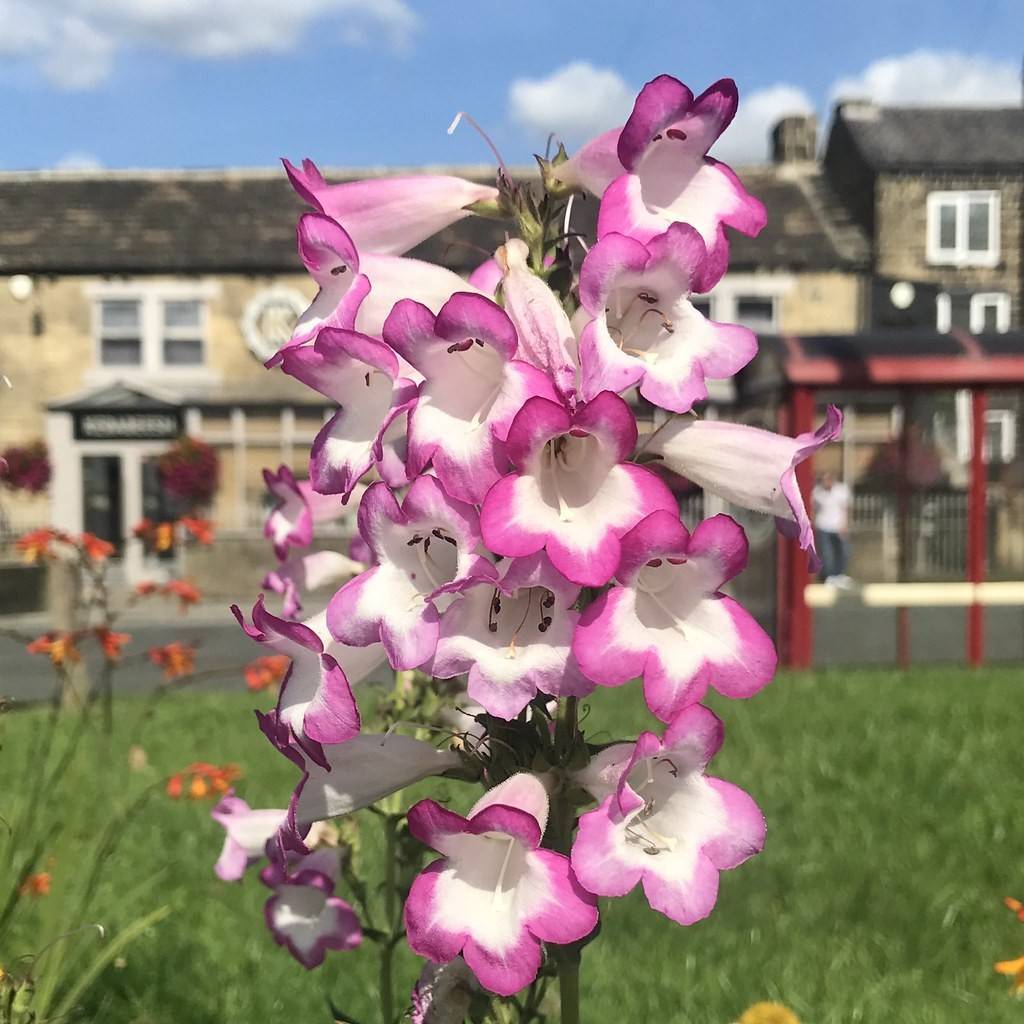
Bellflower Beardtongue
Penstemon campanulatus
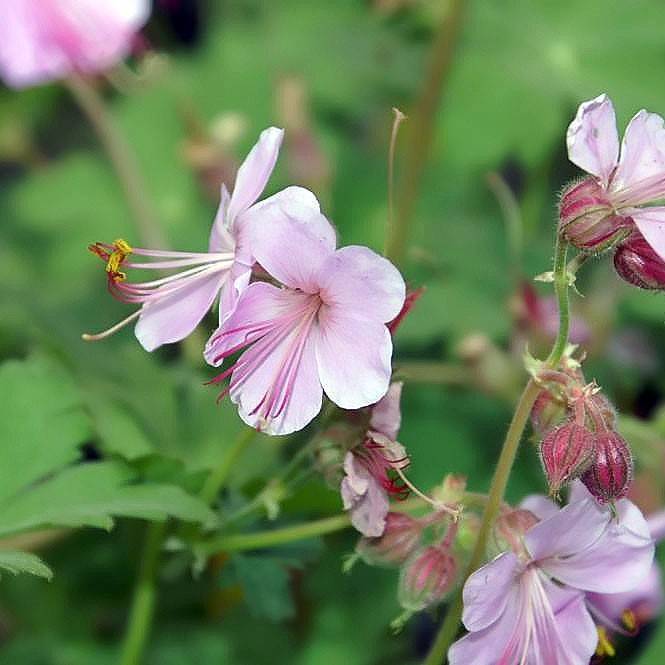
Ingwersen's Variety Bigroot Geranium
Geranium macrorrhizum 'Ingwersen's Variety'
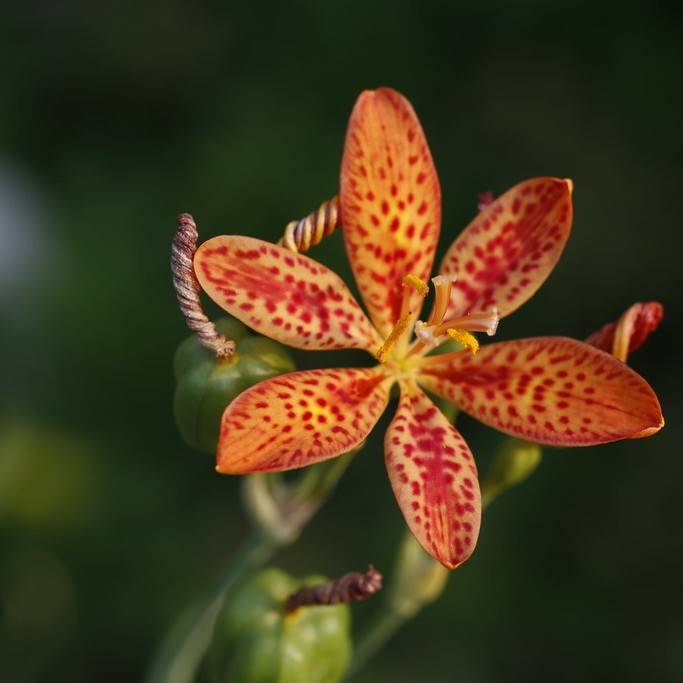
Blackberry Lily
Iris domestica (syn. Belamcanda chinensis)
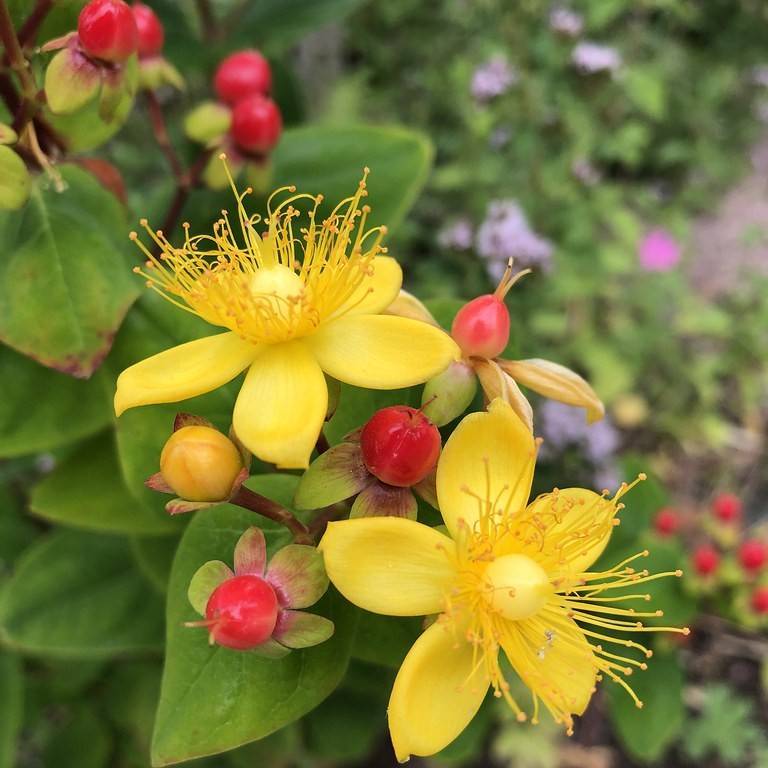
St. John's Wort
Hypericum perforatum