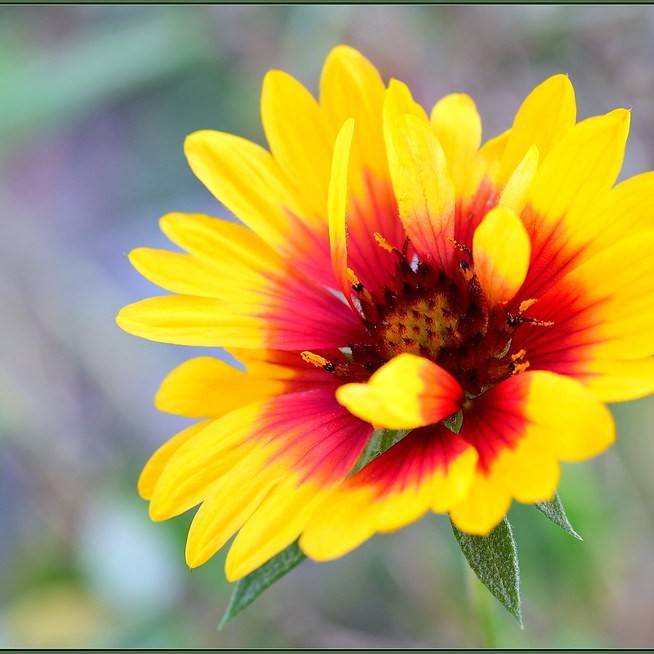
Blanket Flower
Gaillardia aristata
Overview
Blanket flower, named for its dense, mat-forming growth habit and bold flower colors reminiscent of traditional Indigenous woven blankets, is a hardy, sun-loving perennial. Its bright, daisy-like blooms feature red centers surrounded by yellow, orange, or bicolor petals that attract bees, butterflies, and other beneficial pollinators. Widely cultivated as a garden ornamental, it thrives in hot, dry conditions where many other flowering plants struggle, making it a staple for xeriscaping projects.
Care Guide
Watering
Water newly planted blanket flowers regularly for the first growing season to establish deep, extensive root systems. Once established, the plant is highly drought-tolerant, requiring only occasional watering during extended periods of extreme heat or no rainfall. Avoid overwatering or allowing the plant to sit in saturated soil, as this will quickly lead to root rot and plant death.
Light
Blanket flowers require full, direct sunlight for a minimum of 6 hours per day to produce abundant, vibrant blooms and maintain a compact, healthy growth habit. Plants grown in partial shade will become leggy, produce far fewer flowers, and are more prone to fungal disease due to reduced air circulation and slower foliage drying. They can tolerate intense midday sun even in hot climates without scorching, making them ideal for exposed garden locations.
Soil
These adaptable plants thrive in well-drained, sandy or loamy soil with a neutral to slightly alkaline pH between 6.0 and 7.5. They are highly tolerant of poor, low-nutrient soils, including rocky or gravelly conditions that would stress most other flowering perennials. Heavy, clay soils that retain moisture for long periods are unsuitable, so amend heavy sites with coarse sand or grit to improve drainage before planting.
Fertilizer
Blanket flowers require very little fertilization, as excessive nutrients will encourage lush, leggy foliage growth at the expense of flower production. For plants grown in extremely poor soil, apply a balanced, slow-release granular fertilizer at half the recommended rate once in early spring as new growth emerges. Avoid liquid fertilizers high in nitrogen, and never fertilize in late summer or fall, as this can stimulate tender new growth that will be damaged by frost.
Temperature
Blanket flowers are cold-hardy in USDA zones 3 through 9, tolerating winter temperatures as low as -40°F (-40°C) when planted in well-drained soil. They thrive in summer temperatures between 65°F and 90°F (18°C to 32°C), and tolerate extreme heat and humidity far better than many other prairie perennials. In regions with wet winters, provide extra drainage or plant on a raised mound to prevent root rot during cold, damp conditions.
Pruning
Deadhead spent flower heads regularly throughout the blooming season to encourage continuous new flower production and prevent the plant from expending energy on seed development. In late fall after the first frost, cut back the entire plant to 2 to 3 inches above the soil line to remove dead foliage and reduce overwintering sites for pests and disease. If a more natural, wildlife-friendly approach is preferred, leave seed heads intact through winter to provide food for finches and other seed-eating birds.
Propagation
Blanket flowers can be easily propagated by seed sown directly in the garden in early spring after the last frost, or started indoors 6 to 8 weeks before the last expected frost date for earlier blooms. Mature clumps can also be divided every 2 to 3 years in early spring or late fall, carefully pulling apart the root mass into smaller sections with at least 2 to 3 growth buds each, replanting immediately at the same depth as the original plant. While stem cuttings can be taken in early summer, division and seed propagation are far more reliable and produce healthier plants more quickly.
Humidity
Blanket flowers tolerate a wide range of humidity levels, from dry arid climates to moderate summer humidity common in most temperate regions. High humidity combined with poor air circulation and wet foliage can increase the risk of powdery mildew and other fungal diseases, so space plants 12 to 18 inches apart to allow for good airflow. Avoid overhead watering that wets the foliage, especially in humid conditions, to reduce disease risk.
Repotting
Blanket flowers grown in containers should be repotted every 1 to 2 years in early spring, before new growth begins, to refresh the soil and prevent root binding. Use a well-drained potting mix amended with perlite or coarse sand to improve drainage, and select a pot with multiple drainage holes to prevent standing water. When repotting, gently loosen any circling roots, and move to a pot only 1 to 2 inches larger in diameter than the current one, as overly large pots hold excess moisture that can lead to root rot.
Uses & Symbolism
Blanket flowers are extremely popular as ornamental plants in perennial borders, rock gardens, pollinator gardens, and xeriscaping projects, where their long bloom period and low maintenance requirements make them a versatile choice. Their long, sturdy stems and vibrant blooms make them excellent cut flowers, lasting 7 to 10 days in a vase with regular water changes. They are also used for erosion control on sloped sites and in roadside plantings, as their deep root systems stabilize soil and their tolerance for poor conditions reduces maintenance needs.
Diseases & Pests
Blanket flowers are relatively pest and disease resistant when grown in optimal conditions, but overwatering and poor drainage can lead to severe root rot, the most common cause of plant death. In humid, poorly ventilated locations, they may develop powdery mildew on foliage, which can be prevented by proper spacing and avoiding overhead watering. Aphids and spider mites may occasionally infest stressed plants, and can be controlled with a strong spray of water or applications of insecticidal soap.
Related plants
Other plants you might like if you grow Blanket Flower.
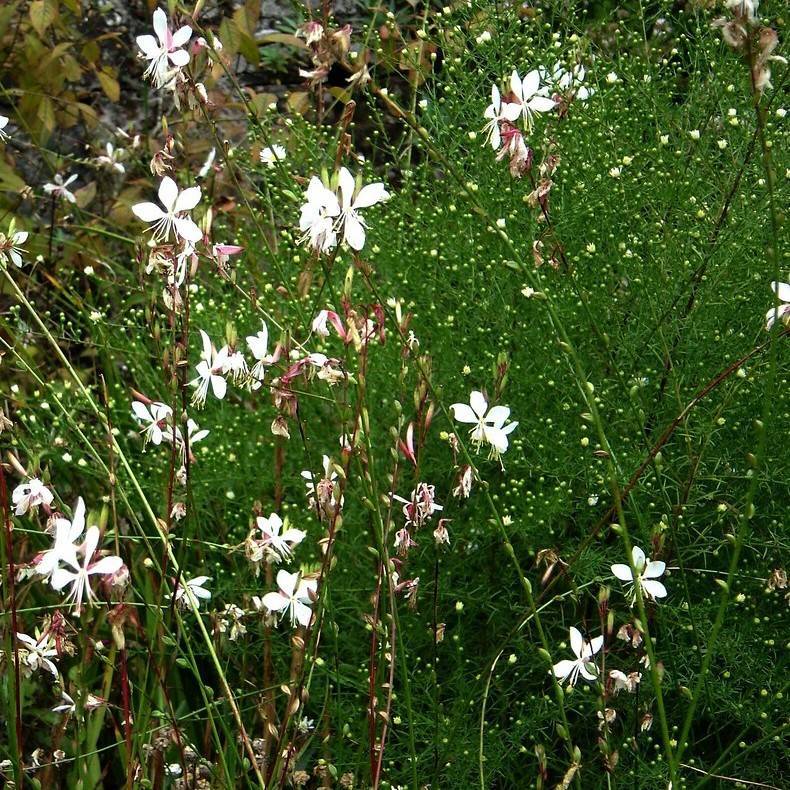
Gaura
Oenothera lindheimeri
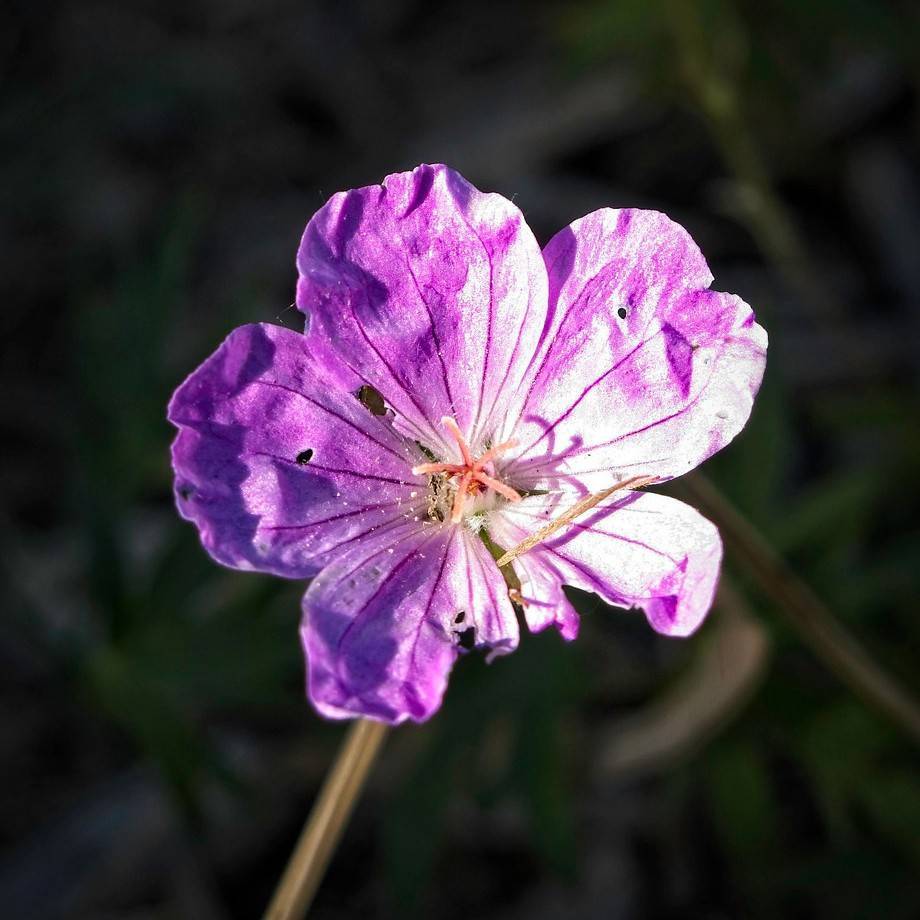
Bloody Cranesbill
Geranium sanguineum
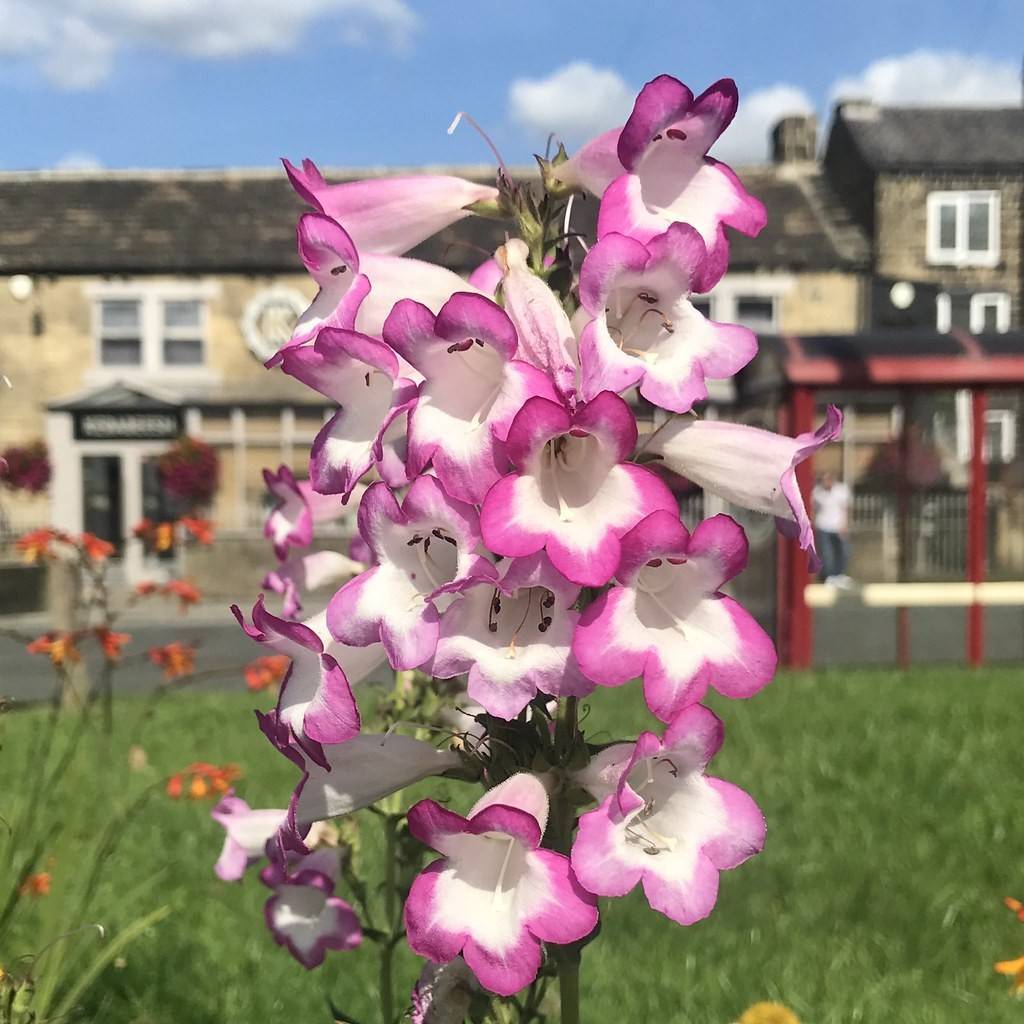
Bellflower Beardtongue
Penstemon campanulatus
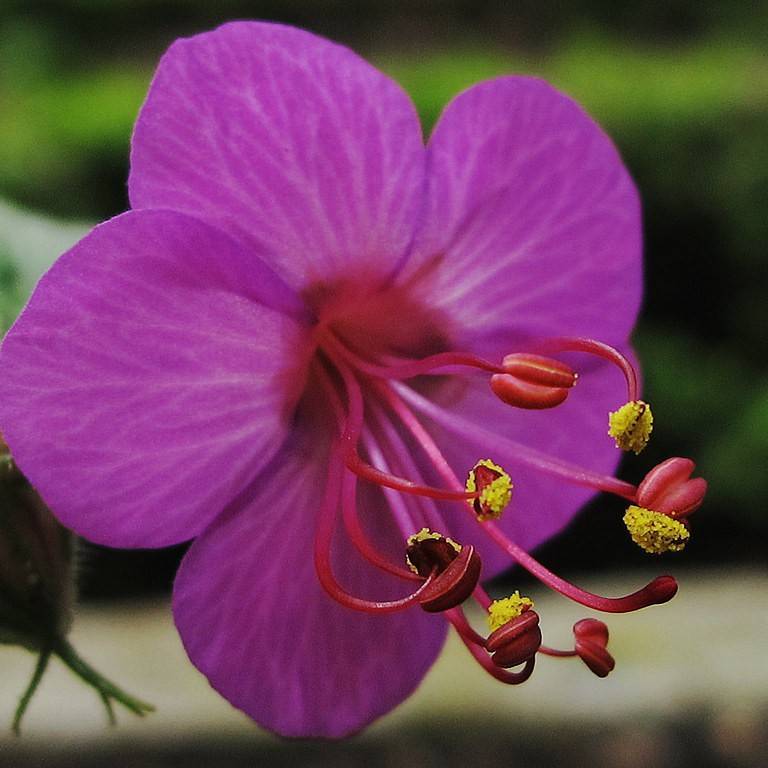
Bigroot Geranium
Geranium macrorrhizum
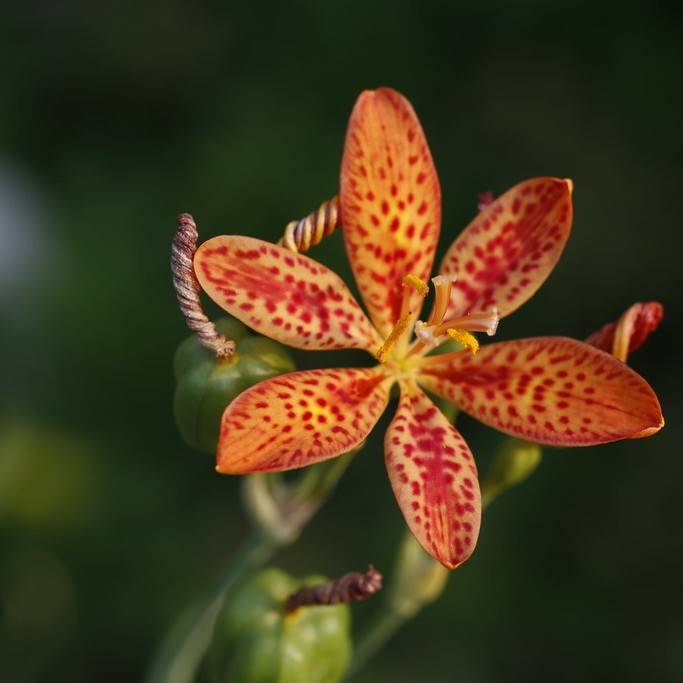
Blackberry Lily
Iris domestica (syn. Belamcanda chinensis)
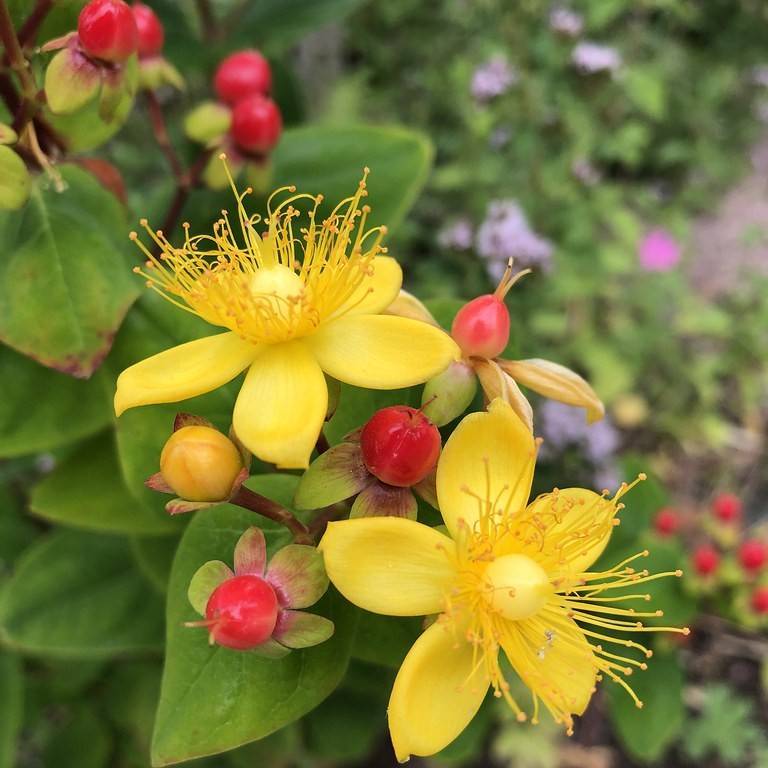
St. John's Wort
Hypericum perforatum
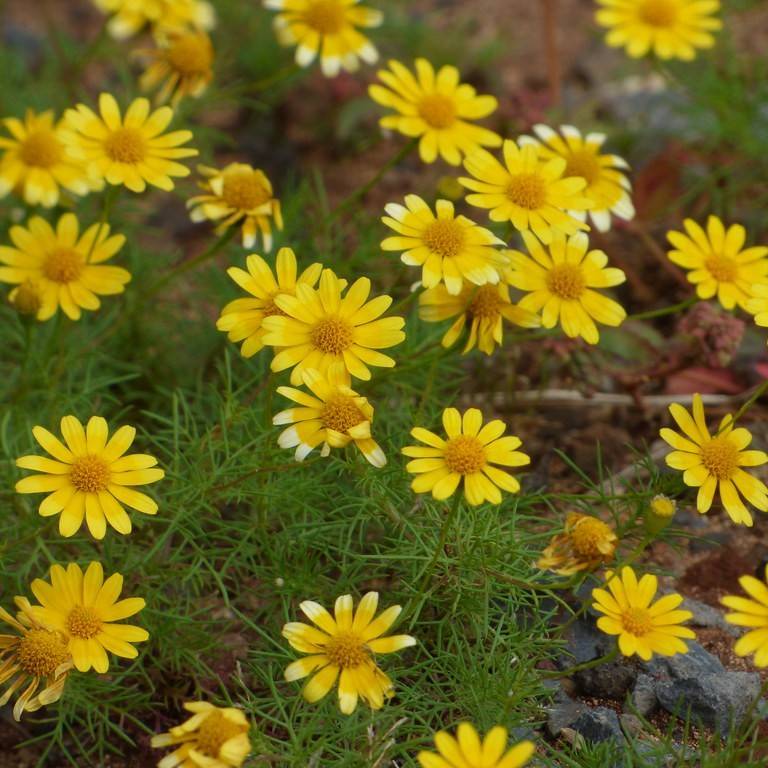
Dahlberg Daisy
Thymophylla tenuiloba
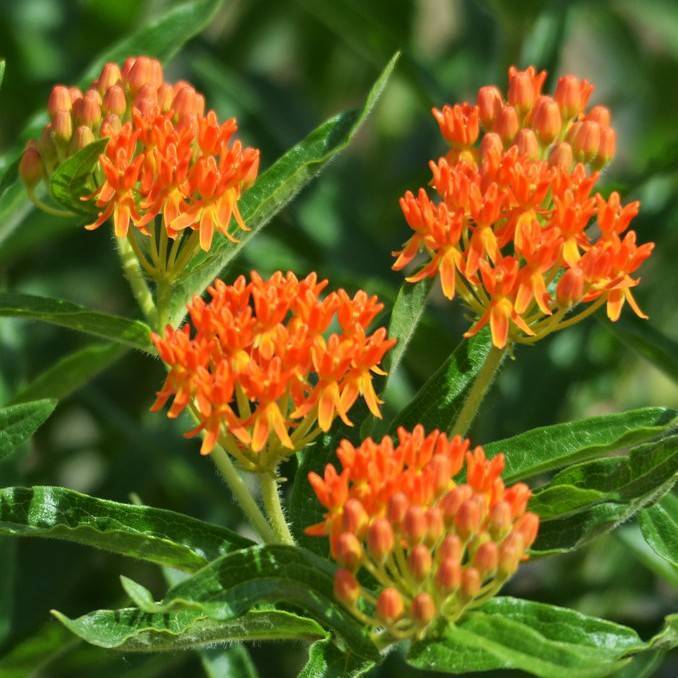
Butterfly Milkweed
Asclepias tuberosa