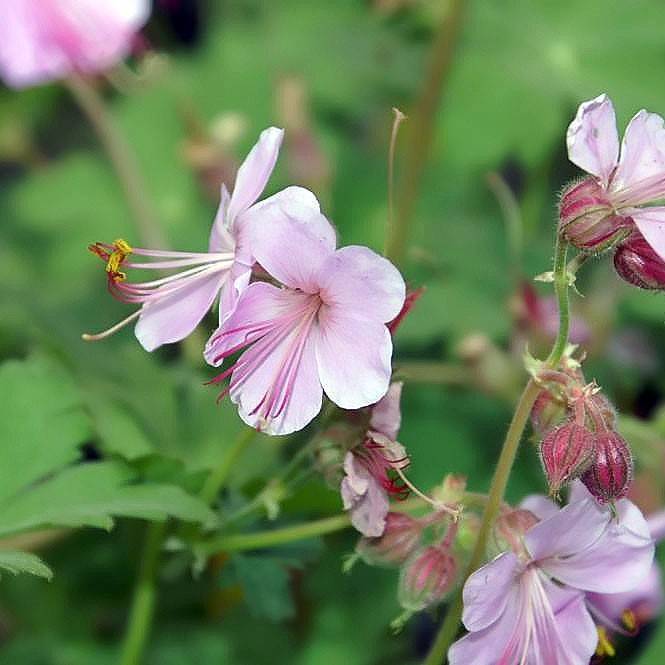
Ingwersen's Variety Bigroot Geranium
Geranium macrorrhizum 'Ingwersen's Variety'
Overview
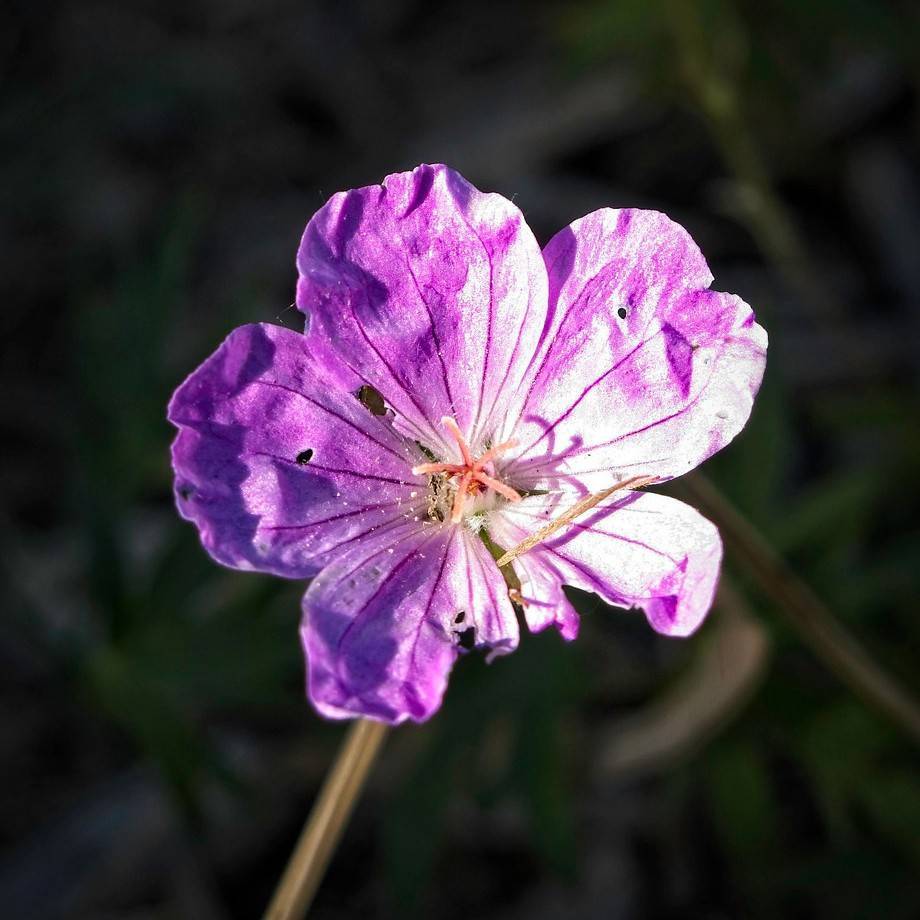
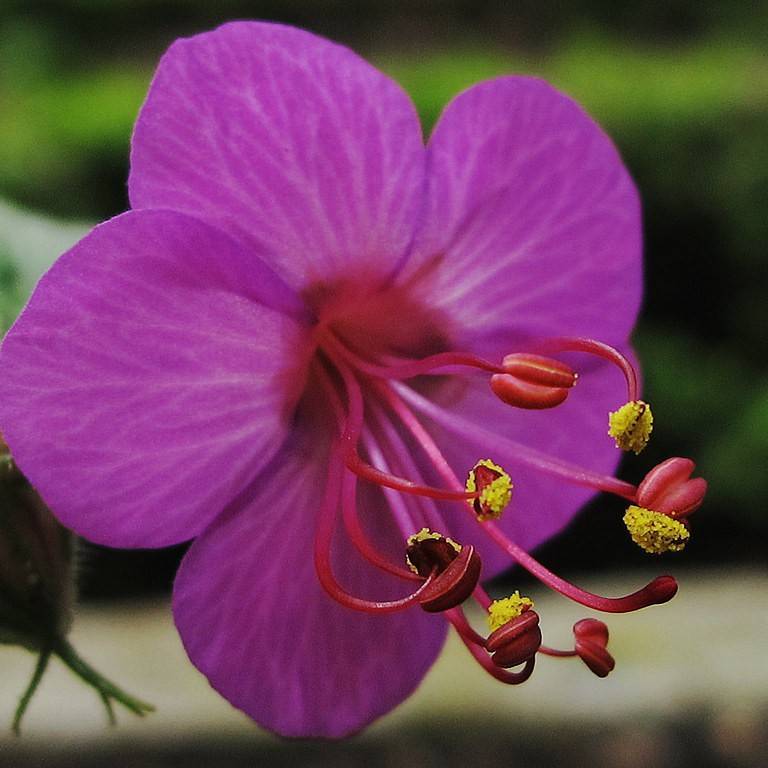
Ingwersen's Variety Bigroot Geranium is a popular, low-maintenance herbaceous perennial named for British horticulturist Walter Ingwersen. It produces clusters of pale, saucer-shaped pink blooms from late spring to early summer, complemented by fuzzy, aromatic, deep green foliage that develops warm bronze and red tints in autumn. Its thick, spreading rhizomatous root system makes it an excellent aggressive ground cover that suppresses weeds and thrives in difficult planting spots including dry shade and sloped areas.
Care Guide
Watering
Water newly planted specimens regularly to keep soil evenly moist for the first growing season, until roots are fully established. Once mature, this geranium is highly drought tolerant, only requiring supplemental water during extended periods of extreme heat or no rainfall. Avoid overwatering, as soggy soil can lead to root rot, especially in shaded locations with poor air circulation.
Light
Thrives in full sun to partial shade, with the best flowering performance occurring in locations that receive 4-6 hours of direct sunlight per day. In regions with very hot, intense summer sun, it benefits from light afternoon shade to prevent foliage scorch and reduce water requirements. It can tolerate full shade, though flowering will be sparser and growth may be less dense.
Soil
Adaptable to a wide range of soil types, including poor, rocky, and sandy soils, as long as the site has good drainage. It prefers a slightly alkaline to neutral pH between 6.5 and 7.5, but will tolerate mildly acidic conditions as well. Heavy clay soils should be amended with compost or grit to improve drainage before planting to prevent root rot.
Fertilizer
This low-feeding plant rarely requires regular fertilization, especially when planted in average garden soil. In very poor, nutrient-depleted soils, apply a light layer of balanced slow-release fertilizer in early spring before new growth emerges, or top-dress with a 1-inch layer of well-rotted compost. Over-fertilization will lead to leggy, sparse growth and reduced flowering.
Temperature
Fully hardy in USDA zones 3 through 8, tolerating winter temperatures as low as -40°F (-40°C) without winter protection in most regions. It thrives in average summer temperatures between 60°F and 80°F (15°C to 27°C), and can withstand short periods of heat above 90°F (32°C) if provided with adequate moisture and partial shade. Foliage will die back completely to the ground after the first hard frost in autumn.
Pruning
Deadhead spent flower clusters after blooming finishes in mid-summer to encourage a possible second flush of smaller blooms later in the season and keep the plant looking tidy. If foliage becomes worn or ragged by mid-summer, cut the entire plant back to 2-3 inches above the soil line to promote fresh, dense new growth that will persist through autumn. No pruning is required in late fall or early winter, as the dead foliage provides slight insulation for the crown over winter.
Propagation
The easiest and most reliable method of propagation is division, carried out in early spring just as new growth emerges, or in early autumn after flowering has finished. Dig up the entire clump, gently separate the rhizomatous roots into sections with at least 2-3 growing points per section, and replant immediately at the same depth they were originally growing. It can also be grown from basal cuttings taken in spring, though this method is less common for home gardeners as division is so simple.
Humidity
Adaptable to a wide range of humidity levels, thriving in average outdoor humidity between 40% and 70% common to its preferred growing zones. It tolerates dry air very well, making it suitable for planting in arid or semi-arid regions as long as it receives occasional water. High humidity combined with poor air circulation and overly wet soil can increase the risk of fungal foliar diseases, so space plants appropriately to allow airflow.
Repotting
When grown in containers, repot every 2-3 years in early spring, moving to a pot one size larger if the root system has filled the current container. Use a well-draining general-purpose potting mix amended with perlite or grit to improve drainage, and ensure the pot has multiple drainage holes to prevent standing water. Container-grown specimens may require more frequent watering than those planted in the ground, as the soil dries out faster.
Uses & Symbolism
Widely planted as a low-growing, weed-suppressing ground cover in sunny borders, rock gardens, sloped sites, and under deciduous trees where it tolerates partial dry shade. Its aromatic foliage and long-lasting pink blooms make it a popular addition to pollinator gardens, as it attracts bees, butterflies, and other beneficial insects throughout its flowering season. The fragrant leaves and rhizomes have historically been used in herbal medicine and potpourri for their mild, resinous scent.
Diseases & Pests
This geranium is largely disease-resistant when grown in appropriate conditions with good drainage and air circulation. Overly wet, poorly drained soil can lead to root rot, while prolonged periods of high humidity with poor airflow may cause minor powdery mildew or rust on foliage in late summer. Most disease issues can be avoided by planting in well-drained soil, spacing plants to allow air movement, and avoiding overhead watering that wets the foliage for extended periods.
Related plants
Other plants you might like if you grow Ingwersen's Variety Bigroot Geranium.