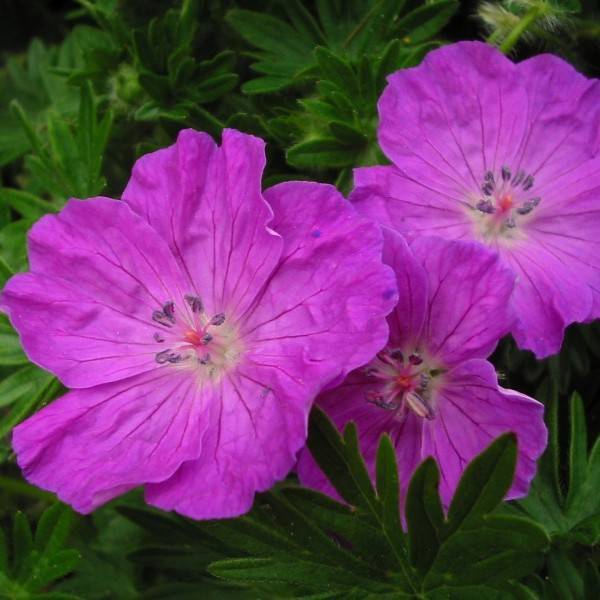
Geranium
Pelargonium × hortorum
Обзор
Обыкновенная садовая герань, которую часто относят к роду Pelargonium, чтобы отличить ее от выносливых диких видов герани (журавлей), любима за длительный период цветения и неприхотливость в уходе. Они образуют гофрированные цветочные грозди оттенков красного, розового, белого, лавандового и двухцветного цветов в сочетании с нечеткими, часто ароматными пальчатыми листьями, которые при растирании выделяют отчетливый аромат. Несмотря на то, что в условиях безморозного климата они являются нежными многолетними растениями, в регионах с умеренным климатом их часто выращивают как однолетники или перезимовывают в помещении, чтобы продлить срок их жизни.
Руководство по уходу
Полив
Дайте верхнему 1 дюйму почвы полностью высохнуть между поливами, чтобы избежать корневой гнили, поскольку герань устойчива к засухе и склонна к повреждению из-за чрезмерного полива. Значительно сократите частоту полива в зимние месяцы, когда рост растений замедляется, обеспечивая влажность только тогда, когда верхние 2–3 дюйма почвы кажутся сухими.
Освещение
Герань прекрасно себя чувствует при полном освещении прямыми солнечными лучами в течение 6–8 часов в день, что способствует обильному цветению и крепкому, компактному росту. В помещении поместите их на окно, выходящее на юг; Если зимой уровень освещенности низкий, дополните его лампами для выращивания растений, чтобы предотвратить появление длинной и редкой листвы.
Почва
Сажайте герань в хорошо дренируемую суглинистую почвенную смесь со слабокислым или нейтральным pH от 6,0 до 6,5 для оптимального усвоения питательных веществ. Избегайте тяжелых, водоудерживающих почв и добавляйте перлит или крупный песок в имеющиеся в продаже почвенные смеси, чтобы улучшить дренаж при выращивании в контейнерах.
Удобрение
Подкармливайте герань сбалансированным водорастворимым удобрением 10-10-10, разбавленным до половины, каждые 2–4 недели в течение активного вегетационного периода с весны до начала осени. Полностью прекратите внесение удобрений зимой, когда растение находится в состоянии покоя, чтобы предотвратить накопление солей в почве, которые могут обжечь корни.
Температура
Для лучшего роста и цветения герани предпочитают дневную температуру от 65 до 75°F (18–24°C) и ночную температуру от 55 до 65°F (13–18°C). Они чувствительны к морозу и отмирают при температуре ниже 32°F (0°C), поэтому перед первыми осенними заморозками переместите контейнерные растения в помещение.
Обрезка
Регулярно прищипывайте кончики молодых стеблей герани, чтобы стимулировать более густой и компактный рост и предотвратить низкорослость. Дэдхед быстро тратил цветочные гроздья, чтобы перенаправить энергию растения на производство новых цветов, и обрезал разросшиеся растения до одной трети в конце зимы, чтобы стимулировать свежий весенний рост.
Размножение
Герани легче всего размножать стеблевыми черенками диаметром от 3 до 4 дюймов, взятыми весной или ранней осенью, лишенными нижних листьев и укорененными во влажном перлите или хорошо дренируемой почвенной смеси без гормона укоренения. Их также можно вырастить из семян, хотя растениям, выращенным из семян, потребуется больше времени, чтобы достичь цветущего размера, и они могут не сохранить точные черты родительского растения.
Влажность
Герань хорошо адаптируется к среднему уровню влажности в доме от 40 до 50% и не требует дополнительного опрыскивания или увлажнения для своего роста. Не размещайте их в слишком влажных, плохо проветриваемых помещениях, так как высокий уровень влажности может увеличить риск появления грибковых пятен на листьях и гниения стебля.
Пересадка
Пересаживайте герань каждые 1–2 года весной, только когда она станет привязанной к корням, так как лучше всего она цветет, когда ее слегка привязывают к горшку. Выберите контейнер, диаметр которого на 1–2 дюйма больше, чем текущий горшок, убедитесь, что в нем есть дренажные отверстия, и используйте свежую, хорошо дренируемую почвенную смесь, чтобы освежить корневую среду.
Использование и символика
Герани широко высаживают в качестве красочных клумб на садовых бордюрах, в подвесных корзинах и оконных ящиках, а также популярны как не требующие особого ухода комнатные растения для ярких внутренних помещений. Ароматные сорта герани используются в ароматерапии, попурри и травяных чаях, а их эфирные масла иногда добавляют в натуральные составы от насекомых.
Болезни растений
К распространенным вредителям, поражающим герань, относятся тля, белокрылка, паутинный клещ и почковая червь герани, с которыми можно бороться с помощью инсектицидного мыла или применения масла нима. Грибковые заболевания, такие как серая гниль, корневая гниль и пятнистость листьев, часто возникают в чрезмерно влажных и плохо проветриваемых условиях, и их можно предотвратить, избегая чрезмерного полива, устанавливая интервалы между растениями для притока воздуха и своевременно удаляя пораженную листву.
Guides that mention Geranium
Related plants
Other plants you might like if you grow Geranium.