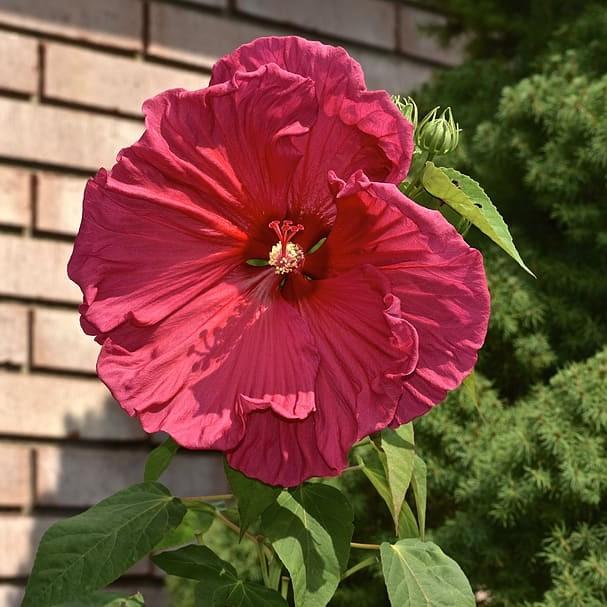
Hibiscus
Hibiscus rosa-sinensis
Overview
Hibiscus, commonly called rose of China or tropical hibiscus, is a widely cultivated ornamental plant prized for its showy, short-lived blooms that can measure up to 6 inches across. It is the national flower of Malaysia, South Korea, and Haiti, and holds cultural significance in many tropical regions as a symbol of beauty and hospitality. While tropical hibiscus is frost-sensitive, hardy hibiscus varieties (Hibiscus moscheutos) are bred to survive cooler temperate climates.
Care Guide
Watering
Keep soil consistently moist but not waterlogged, as saturated roots can lead to rot. Water more frequently during active growth in spring and summer, reducing frequency in fall and winter when growth slows. Allow the top 1-2 inches of soil to dry out slightly between waterings for indoor specimens.
Light
Hibiscus thrives in full, direct sunlight for at least 6 hours per day to support prolific blooming. Indoor plants should be placed in a south-facing or west-facing window to receive adequate light. Insufficient light will lead to sparse foliage and few to no flowers, while excessive intense midday sun in very hot climates may cause leaf scorch.
Soil
Use a well-draining, loamy soil with a slightly acidic pH between 6.0 and 6.5 for optimal growth. A mix of potting soil, perlite, and peat moss or coco coir works well for potted hibiscus, as it retains moisture without compacting. Outdoor plants require soil amended with organic matter to improve drainage and nutrient content.
Fertilizer
Feed hibiscus every 2 weeks during the growing season (spring to early fall) with a balanced, water-soluble fertilizer high in potassium to support bloom production. Avoid fertilizers with excessive nitrogen, as this will promote leaf growth at the expense of flowers. Cease fertilization entirely during the winter months when the plant is dormant.
Temperature
Hibiscus prefers warm temperatures between 60-90°F (15-32°C) for optimal growth and blooming. Temperatures below 50°F (10°C) will cause leaf drop and can kill the plant if sustained, so tropical varieties must be brought indoors in cool climates. Hardy hibiscus varieties can tolerate temperatures as low as -20°F (-29°C) when fully dormant.
Pruning
Prune hibiscus in late winter or early spring before new growth emerges to encourage bushy, compact growth and more flowering stems. Remove dead, damaged, or crossing branches, and trim back up to one-third of the plant to stimulate new growth. Deadhead spent blooms regularly to encourage continuous flowering throughout the season.
Propagation
Hibiscus is most commonly propagated from softwood stem cuttings taken in spring or early summer. Cut a 4-6 inch section of new growth, remove the lower leaves, dip the cut end in rooting hormone, and plant in moist, well-draining rooting medium. Keep cuttings in a warm, humid environment with bright, indirect light until roots develop in 4-6 weeks.
Humidity
Hibiscus prefers moderate to high humidity levels between 50-70% to support healthy foliage and blooms. Indoor plants may benefit from regular misting, a pebble tray filled with water, or a humidifier during dry winter months or in arid climates. Low humidity can cause leaf browning, bud drop, and reduced flowering.
Repotting
Repot young hibiscus plants annually in spring to give roots room to grow, moving to a pot just 1-2 inches larger than the current container to avoid overwatering issues. Mature plants only need repotting every 2-3 years, or when roots begin to grow out of the drainage holes. Always use fresh potting mix when repotting, and water thoroughly after transplanting to reduce stress.
Uses & Symbolism
Hibiscus is primarily grown as an ornamental plant for its vibrant flowers, used in landscaping, container gardens, and as a indoor houseplant. The flowers are edible, commonly used to make tart, vitamin C-rich herbal tea, jams, and garnishes, and are used in traditional medicine to support heart health and lower blood pressure. In many cultures, hibiscus flowers are used in religious ceremonies, hair adornments, and natural fabric dyes.
Diseases & Pests
Hibiscus is susceptible to common pests including aphids, whiteflies, spider mites, and mealybugs, which can be controlled with neem oil, insecticidal soap, or regular hosing of foliage. Fungal diseases such as root rot, leaf spot, and powdery mildew can occur due to overwatering, poor air circulation, or excessive moisture on foliage. Bud drop is a common issue caused by sudden temperature changes, underwatering, low humidity, or insufficient light.
Related plants
Other plants you might like if you grow Hibiscus.
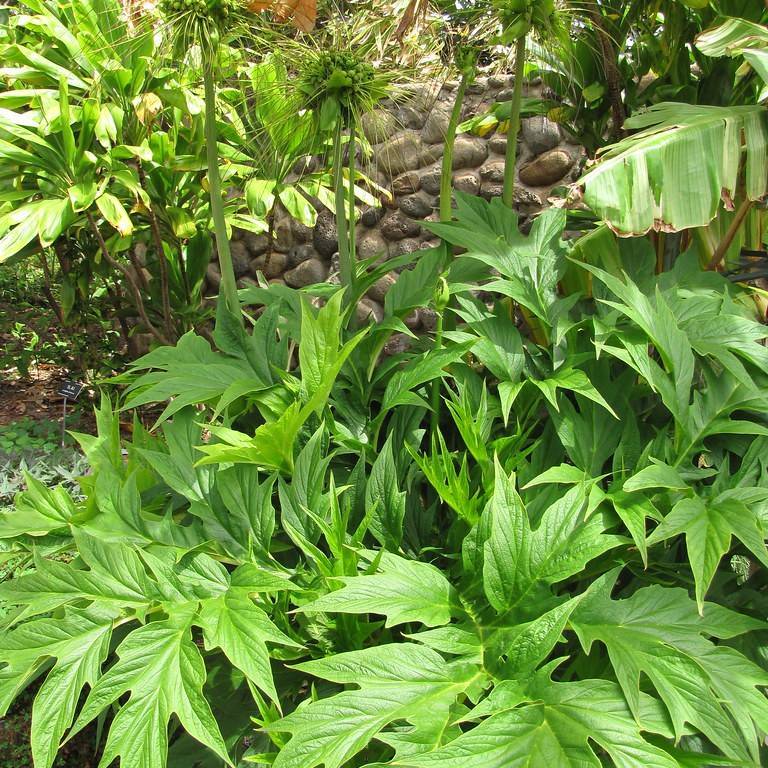
Batflower
Tacca chantrieri
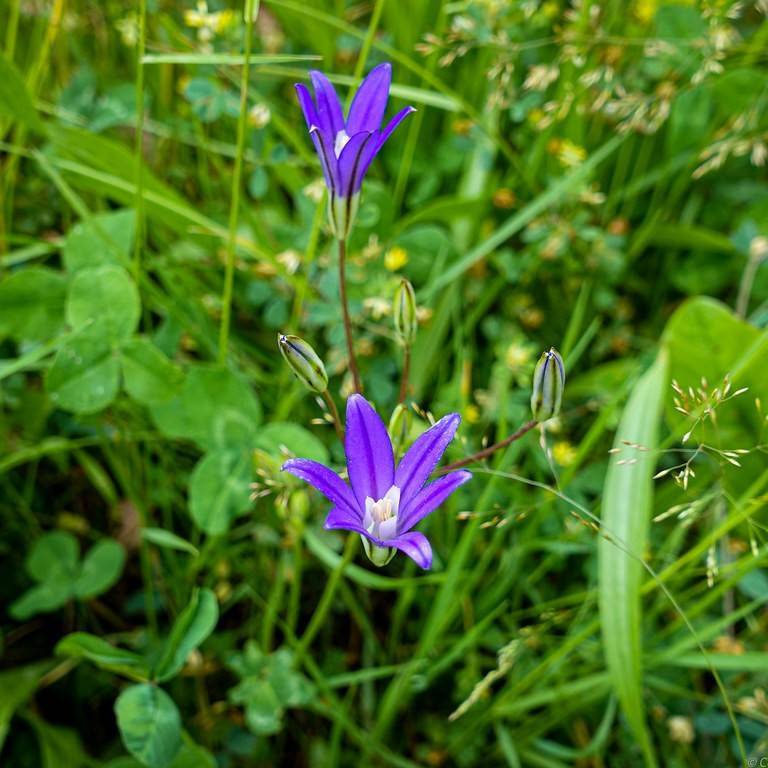
Harvest Firecracker Flower
Crossandra infundibuliformis 'Harvest'
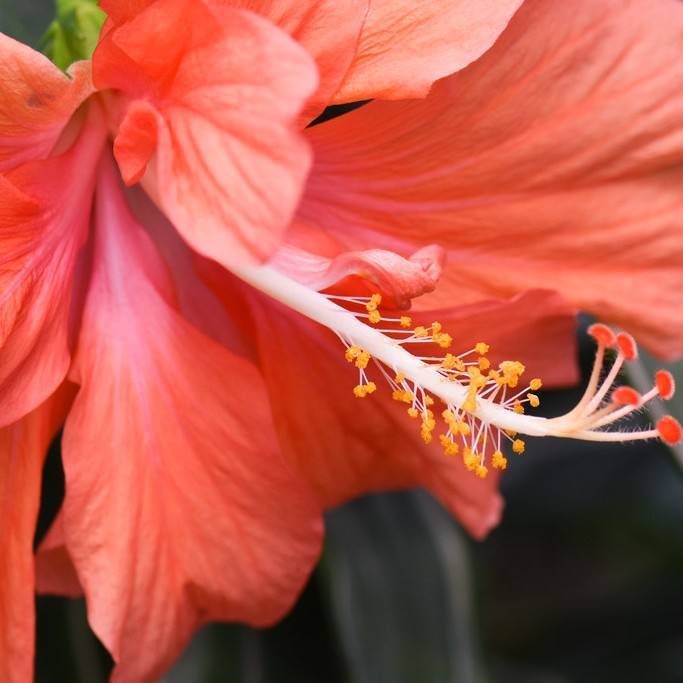
Chinese Hibiscus
Hibiscus rosa-sinensis
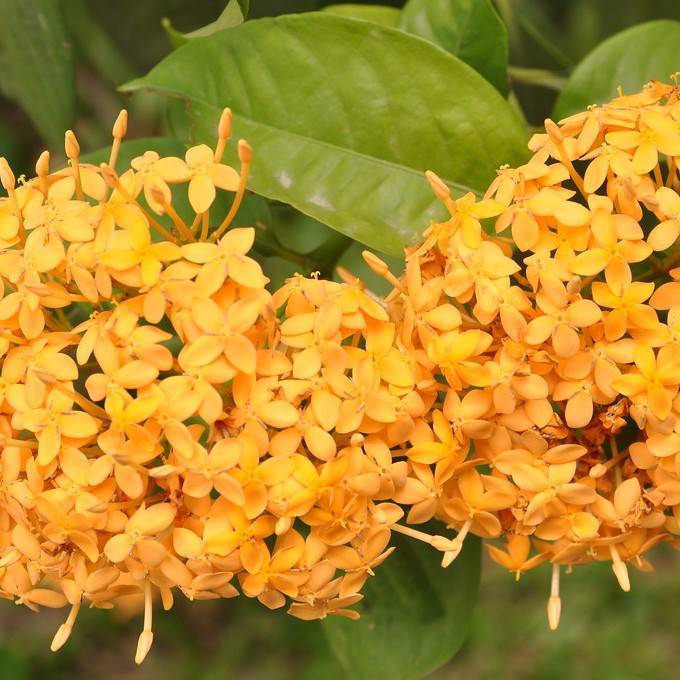
Flame Of The Woods
Ixora coccinea
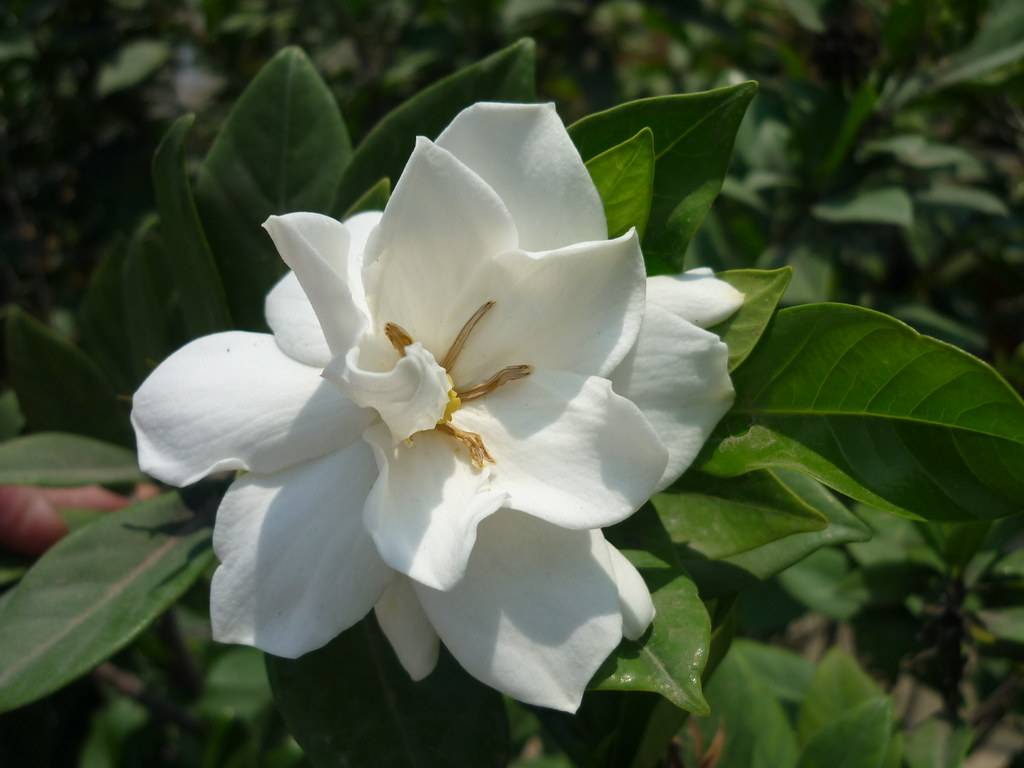
Gardenia
Gardenia jasminoides
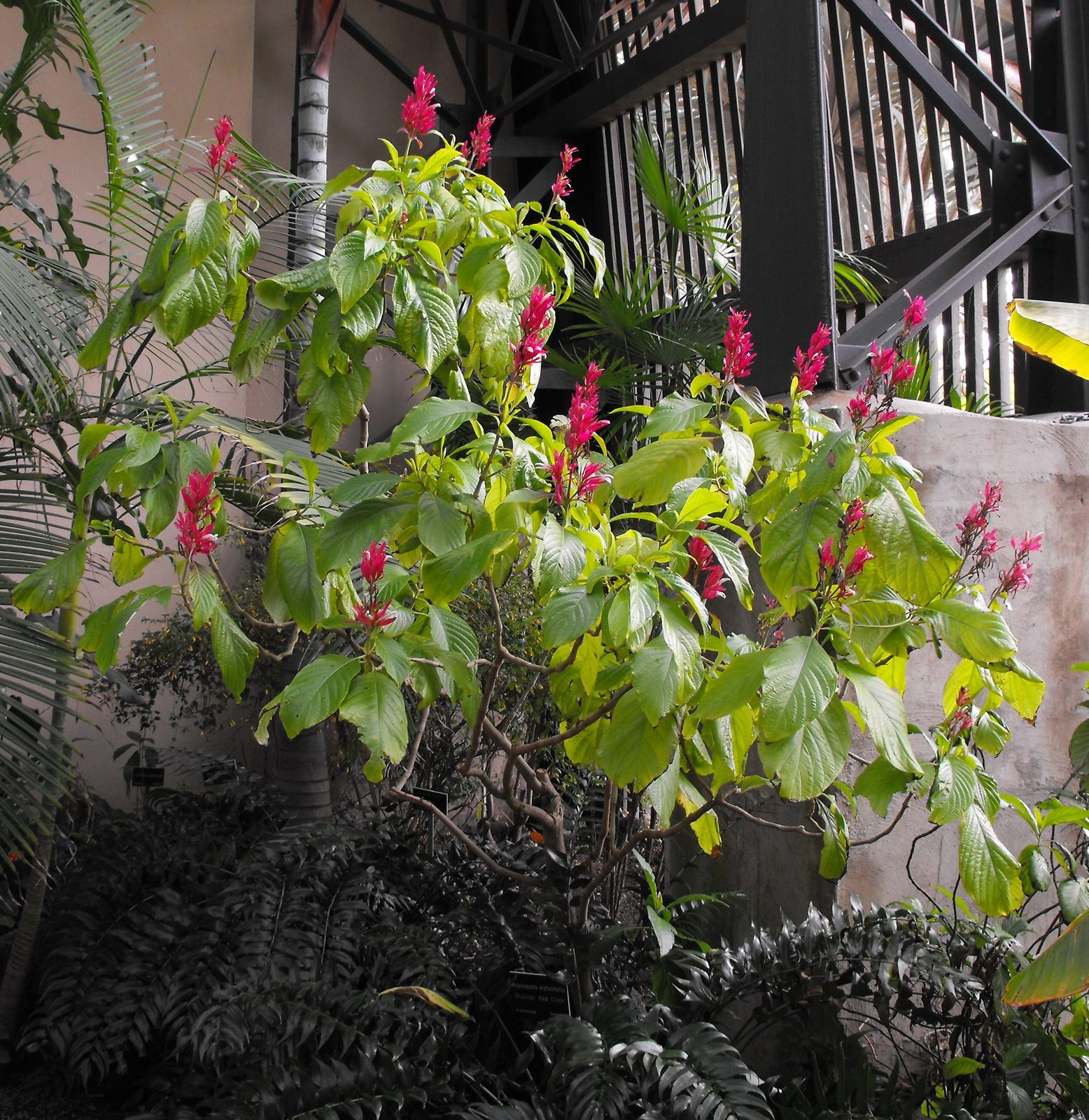
Brazilian Red Cloak
Megaskepasma erythrochlamys
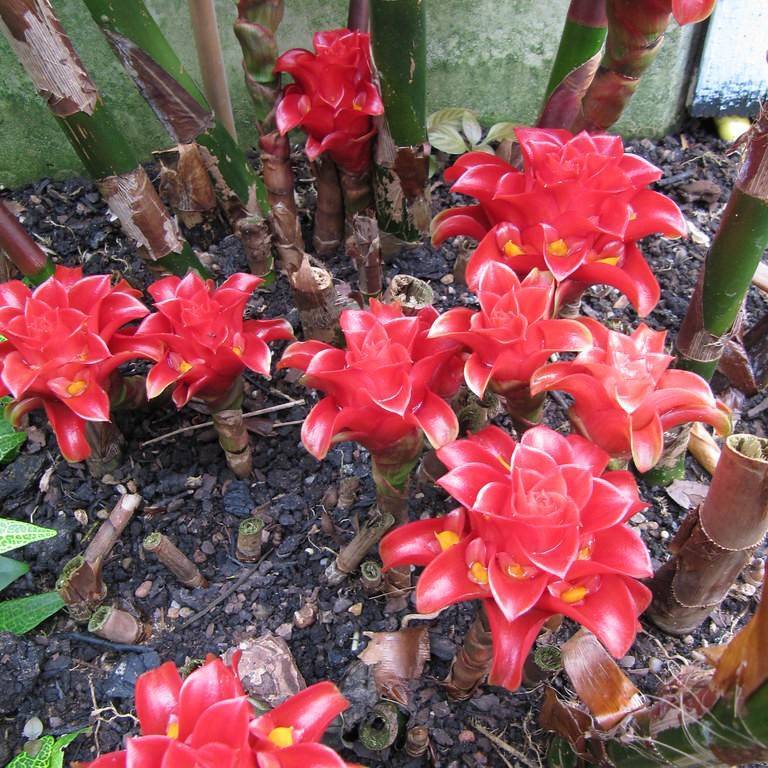
Indonesian Wax Ginger
Tapeinochilos ananassae
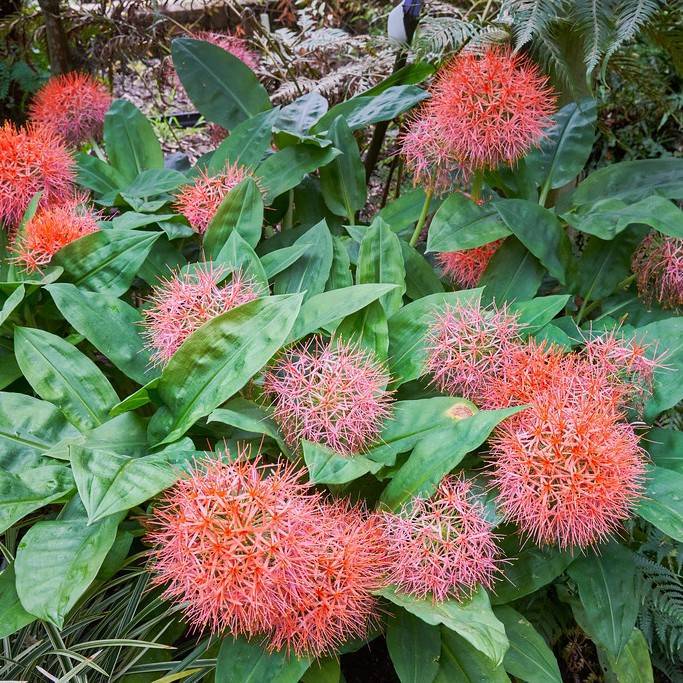
African Blood Lily
Scadoxus multiflorus