Large Speedwell
Veronica longifolia
Overview
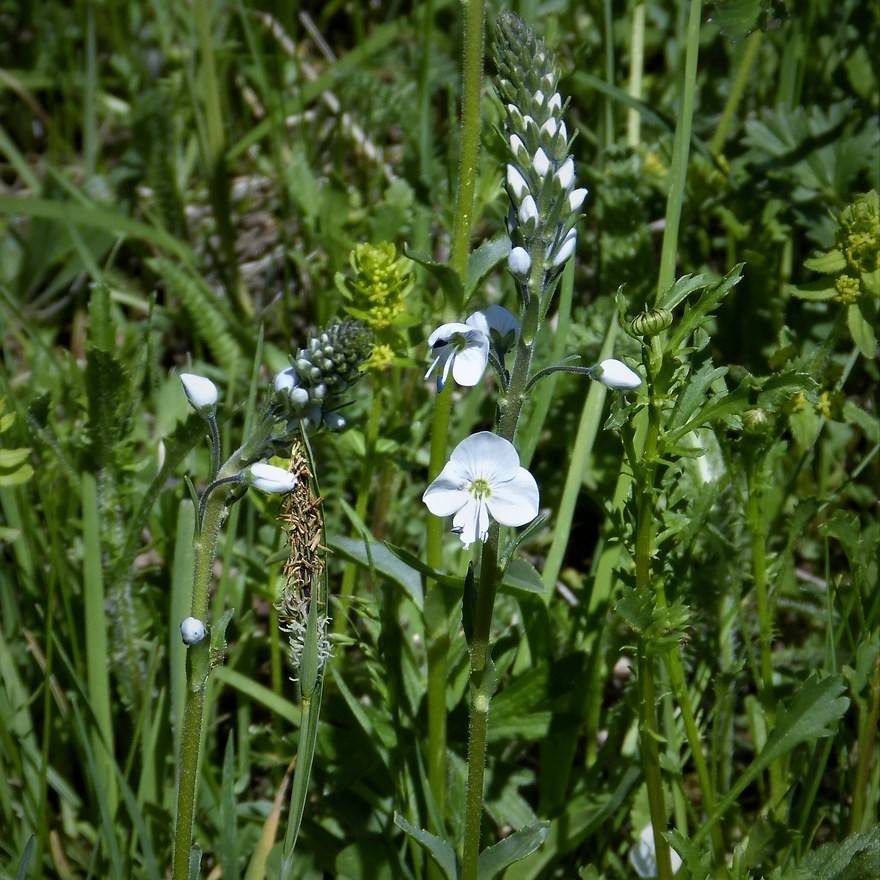
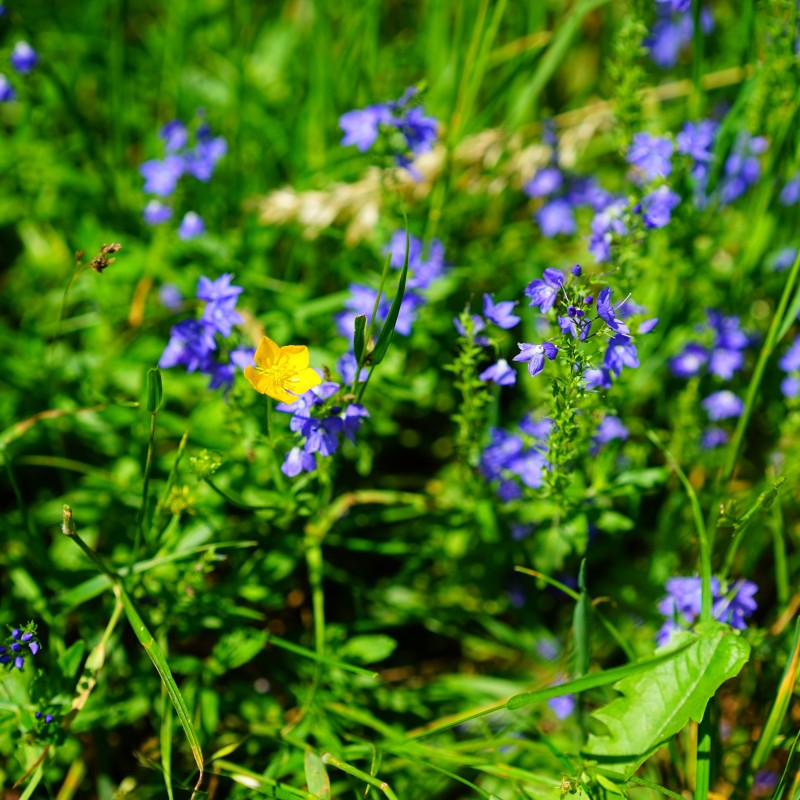
Also called garden speedwell or longleaf speedwell, this upright herbaceous perennial forms dense basal clumps of lance-shaped, toothed green foliage before sending up sturdy, unbranched flower spikes in early summer. It thrives in temperate garden settings, naturalizing readily in moist meadows, stream edges, and sunny border beds where it provides long-lasting seasonal color. The plant is highly attractive to bees, butterflies, and other beneficial pollinators, supporting local biodiversity throughout its bloom period.
Care Guide
Watering
Water large speedwell regularly to keep soil consistently moist but not waterlogged, especially during hot, dry summer periods; established plants have moderate drought tolerance but perform best with even moisture. Avoid overhead watering to reduce risk of foliar fungal diseases, directing water to the base of the plant instead. Reduce watering frequency in late fall and winter as the plant goes dormant, letting the top 2 inches of soil dry out between waterings.
Light
Grow large speedwell in full sun for the most abundant flowering and sturdiest growth, which requires a minimum of 6 hours of direct sunlight daily. It can tolerate partial shade, particularly in regions with intense midday summer heat, though flowering may be reduced and stems may become leggy without enough sun. Indoor specimens require a south or west-facing window with bright, direct light to thrive and produce blooms.
Soil
Large speedwell adapts to a wide range of soil types but prefers fertile, well-draining loam with a neutral to slightly alkaline pH between 6.5 and 7.5. It tolerates heavier clay soils better than many other ornamental perennials, as long as standing water does not accumulate around the root zone for extended periods. Amending planting sites with compost or well-rotted manure before planting will improve soil structure and nutrient content to support robust growth.
Fertilizer
Apply a balanced, slow-release 10-10-10 fertilizer in early spring just as new growth emerges, working it gently into the top inch of soil around the base of the plant. Avoid over-fertilizing, which can lead to excessive leafy growth, weak floppy stems, and reduced flowering. Container-grown plants benefit from a diluted liquid balanced fertilizer applied every 4 to 6 weeks during the active growing season.
Temperature
Large speedwell is cold hardy in USDA zones 4 through 8, tolerating winter temperatures as low as -30°F (-34°C) when established. It prefers moderate summer temperatures between 60°F and 75°F (15°C and 24°C), and may wilt temporarily during extended heatwaves above 90°F (32°C) if not provided with adequate moisture. Mulching around the root zone in late fall helps insulate roots from extreme temperature fluctuations in cold winter regions.
Pruning
Deadhead spent flower spikes regularly throughout the bloom period to encourage a second flush of flowers in late summer and prevent unwanted self-seeding in the garden. Cut back the entire plant to 2 to 3 inches above the soil line in late fall after foliage has died back, or in early spring before new growth emerges, to maintain a tidy clump form. Thin out overcrowded clumps every 3 to 4 years during division to improve air circulation and reduce disease risk.
Propagation
Large speedwell is most easily propagated by division in early spring or late fall, when dormant clumps are dug up, split into smaller sections with healthy roots and growth buds, and replanted immediately. It can also be grown from seed sown directly in the garden in fall, or started indoors 8 to 10 weeks before the last expected frost date, with seeds requiring light to germinate. Softwood stem cuttings taken in late spring or early summer root readily in moist, well-draining potting mix under indirect light.
Humidity
Large speedwell thrives in average ambient humidity levels between 40% and 60%, which is typical of most temperate outdoor garden environments. It tolerates higher humidity levels common in rainy regions as long as soil is well-draining and there is adequate air circulation around foliage to prevent fungal growth. Very low humidity below 30% may cause leaf edges to brown, so misting or a pebble tray can be used for indoor specimens to raise local humidity.
Repotting
Container-grown large speedwell should be repotted every 2 to 3 years in early spring before new growth begins, moving up to a pot one size larger with fresh, fertile potting mix. Check for root bound symptoms such as roots growing through drainage holes or stunted growth, which indicate a need for more frequent repotting. Ensure the new pot has adequate drainage holes to prevent waterlogging, and gently loosen tangled roots before replanting to encourage healthy root spread.
Uses & Symbolism
Large speedwell is a popular addition to perennial borders, cottage gardens, pollinator habitats, and rain gardens, where its tall flower spikes add vertical interest and long-lasting summer color. Cut flower stems are long-lasting in fresh floral arrangements, making the plant a favorite for home cutting gardens. Historically, some indigenous communities used parts of the plant topically to treat minor wounds, skin irritations, and respiratory ailments, though modern medicinal use is limited.
Diseases & Pests
Large speedwell is relatively pest and disease resistant, but may be susceptible to powdery mildew, downy mildew, and leaf spot in humid conditions with poor air circulation or excessive overhead watering. Common pests include aphids, spider mites, and slugs, which feed on tender new growth and foliage, particularly during warm, moist weather. Root rot can occur in poorly draining soils that stay waterlogged for extended periods, especially during winter dormancy.
Related plants
Other plants you might like if you grow Large Speedwell.