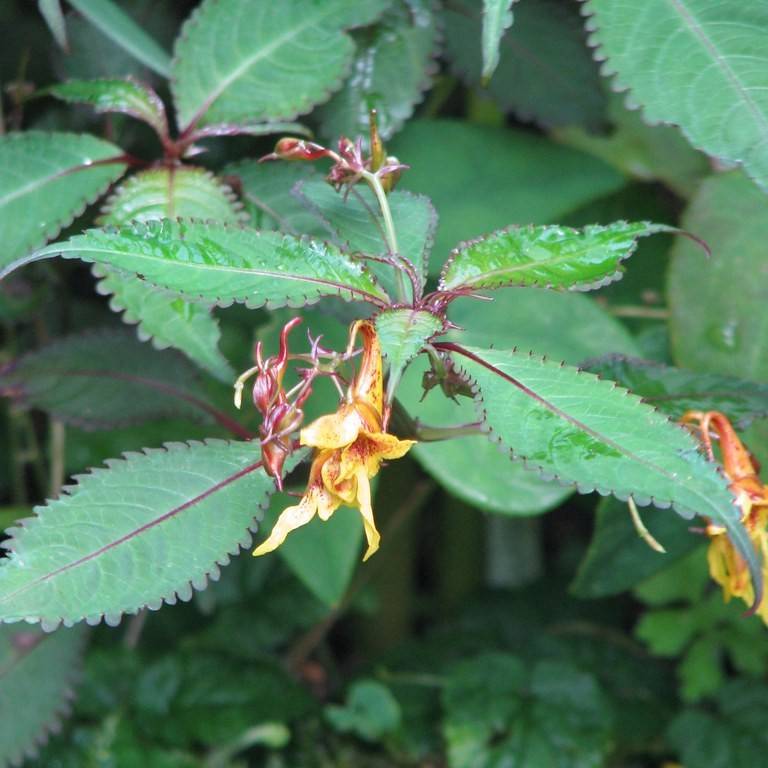
Hardy Impatiens
Impatiens hawkeri
Overview
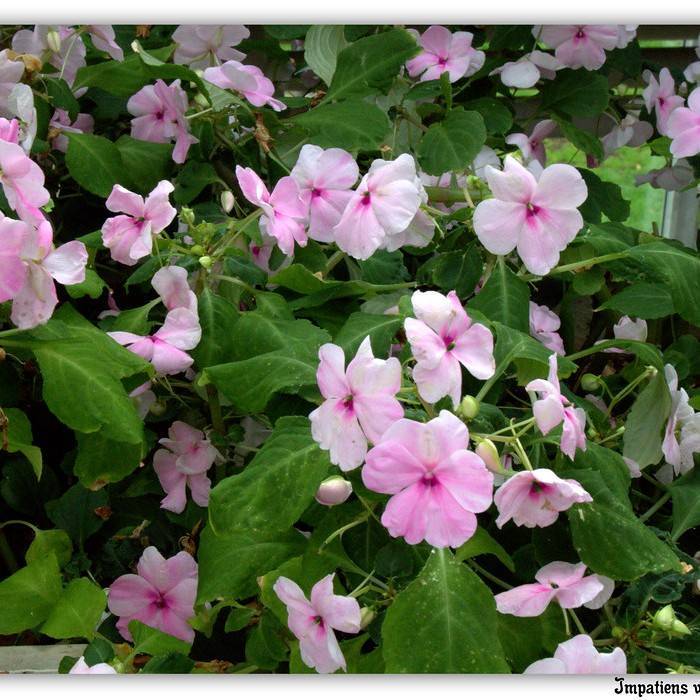
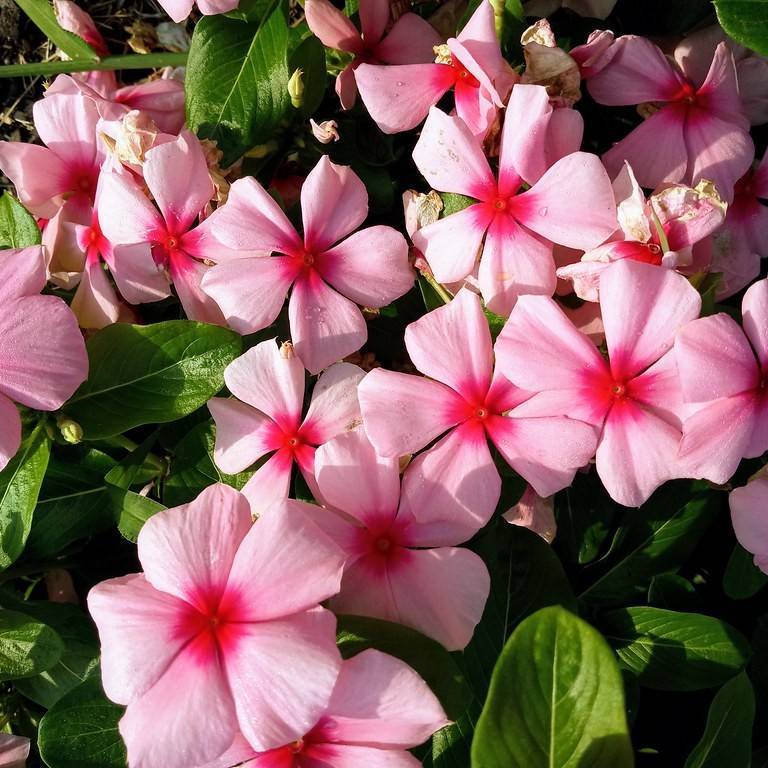
Hardy impatiens, often called New Guinea impatiens, are herbaceous perennials grown as annuals in climates with freezing winters, valued for their large, brightly colored blooms in shades of pink, red, orange, white, and purple that appear from late spring until the first frost. Unlike common garden impatiens, they have improved tolerance to partial sun, thicker foliage, and resistance to downy mildew that devastated many standard impatiens varieties in the 21st century. They have a mounding growth habit that fills in garden spaces quickly, making them a popular choice for shaded borders, hanging baskets, and patio containers.
Care Guide
Watering
Water hardy impatiens regularly to keep the soil consistently moist but not waterlogged, as saturated soil can lead to root rot. During hot, dry periods, increase watering frequency to prevent wilting, as these plants have high moisture requirements and will droop quickly if allowed to dry out completely. Reduce watering in fall as temperatures cool to slow growth before winter dormancy in regions where they are grown as perennials.
Light
Hardy impatiens thrive in partial shade with 2-4 hours of direct morning sun and dappled or indirect light for the remainder of the day, which supports prolific blooming without scorching tender foliage. They can tolerate full shade, though flowering will be less abundant, and they should be protected from intense midday and afternoon sun that can cause leaf burn and faded blooms. When grown indoors, place them in a bright east-facing window for optimal light exposure.
Soil
Plant hardy impatiens in well-draining, loamy soil rich in organic matter with a slightly acidic pH between 6.0 and 6.5 for best growth. Amend heavy clay soils with compost or peat moss to improve drainage, as these plants do not tolerate standing water around their root systems. For container plantings, use a high-quality general-purpose potting mix with added perlite to enhance aeration and drainage.
Fertilizer
Feed hardy impatiens every 2-4 weeks during the active growing season with a balanced, water-soluble fertilizer diluted to half strength to support steady growth and continuous blooming. Avoid high-nitrogen fertilizers, as these will promote lush foliage growth at the expense of flower production. Stop fertilizing in late summer to allow the plant to harden off before cold weather arrives in regions where it is grown as a perennial.
Temperature
Hardy impatiens grow best in temperatures between 60-80°F (15-27°C) and can tolerate light, brief dips down to 32°F (0°C) without permanent damage, though hard freezes will kill the above-ground foliage. In regions with cold winters, they are typically grown as annuals, but can be overwintered indoors in a cool, bright location or dug up and stored in a frost-free area before the first frost. Temperatures above 85°F (29°C) can cause stress, reduced blooming, and leaf drop if not paired with adequate moisture and shade.
Pruning
Pinch back the tips of young hardy impatiens plants early in the growing season to encourage bushier, more compact growth and increased flower production. Deadhead spent blooms regularly throughout the flowering season to promote continuous blooming and prevent the plant from putting energy into seed production. Cut back damaged or leggy stems by up to one-third in mid-summer if the plant becomes sparse or overgrown to stimulate fresh, healthy new growth.
Propagation
Hardy impatiens are most easily propagated from 3-4 inch stem cuttings taken from healthy, non-flowering shoots in late spring or early summer. Remove the lower leaves from the cutting, dip the cut end in rooting hormone (optional), and place it in a moist potting mix or glass of water, keeping it in bright, indirect light until roots form in 2-3 weeks. They can also be grown from seed, though seed-grown plants may not retain the exact characteristics of the parent cultivar, and seeds should be started indoors 8-10 weeks before the last expected frost date.
Humidity
Hardy impatiens prefer moderate to high humidity levels between 50-70% for optimal growth, though they are more tolerant of lower household humidity than many tropical houseplants. If grown indoors, increase humidity by placing the pot on a tray filled with pebbles and water, or using a small humidifier, especially during dry winter months when indoor heating lowers ambient moisture. Avoid misting the foliage directly, as this can increase the risk of fungal diseases in areas with poor air circulation.
Repotting
Container-grown hardy impatiens should be repotted annually in early spring before new growth begins, moving them to a pot one size larger if they have become root-bound. Check the root system during repotting, trimming away any soft, rotted roots and refreshing the potting mix to provide fresh nutrients for the growing season. For plants overwintered indoors, repot in late winter to give them a fresh start before moving them back outdoors once temperatures warm in spring.
Uses & Symbolism
Hardy impatiens are primarily grown as ornamental plants for shaded garden beds, borders, hanging baskets, and patio containers, where their long-lasting, vibrant blooms provide consistent color from spring through fall. They are often used as ground cover in partially shaded areas where many flowering plants struggle to thrive, creating a dense, colorful mat of foliage and blooms. In mild climates, they can be planted as permanent perennials in woodland gardens and shaded landscape designs.
Diseases & Pests
Hardy impatiens are notably resistant to downy mildew, the fungal disease that severely impacts common garden impatiens, though they can still be susceptible to powdery mildew, botrytis blight, and root rot if grown in overly wet, poorly ventilated conditions. Common pests include aphids, spider mites, whiteflies, and slugs, which feed on tender foliage and can cause stunted growth or leaf damage if left untreated. Ensuring proper air circulation, avoiding overwatering, and monitoring for early signs of pests or disease will help keep plants healthy and vigorous.
Related plants
Other plants you might like if you grow Hardy Impatiens.