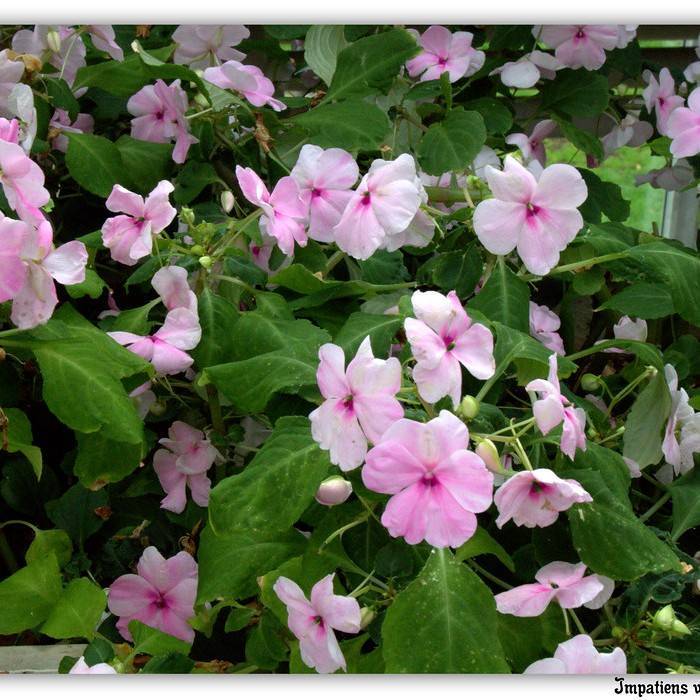
Busy Lizzy
Impatiens walleriana
Overview
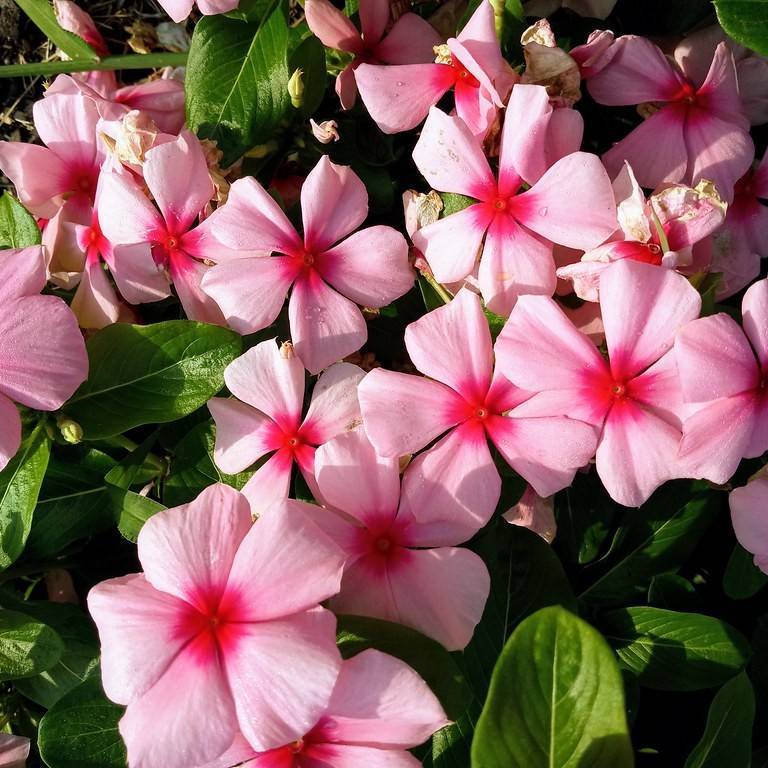
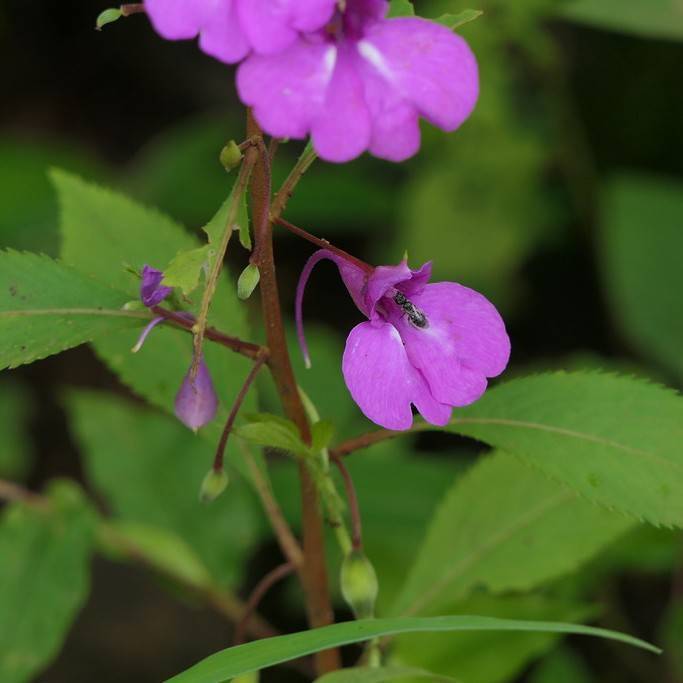
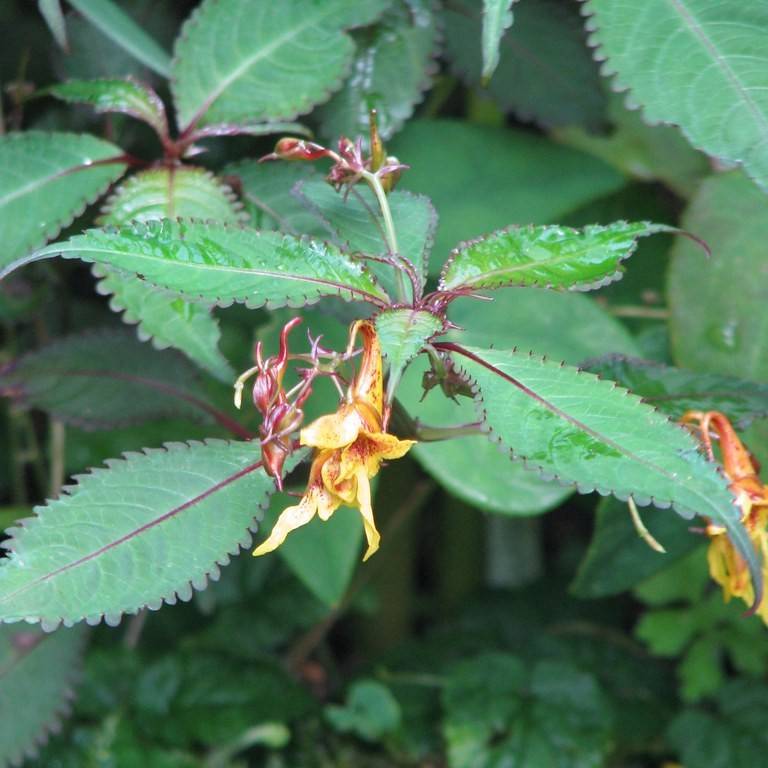
Busy Lizzy is a beloved ornamental plant prized for its continuous display of flat, five-petaled blooms in shades of pink, red, purple, white, and bicolor patterns from spring to frost in temperate climates. Though it is a short-lived perennial in its native tropical range, it is most often grown as an annual in regions with cold winters, as it cannot tolerate freezing temperatures. Its compact, mounding growth habit and shade tolerance make it a top choice for brightening low-light garden areas, window boxes, and indoor planters.
Care Guide
Watering
Water Busy Lizzy regularly to keep the soil consistently moist but not waterlogged, as soggy conditions can lead to root rot. Allow the top 1 inch of soil to dry out slightly between waterings to prevent fungal issues, and reduce watering frequency during the cooler winter months for indoor specimens. Avoid overhead watering to minimize the risk of foliar diseases, targeting water directly at the base of the plant instead.
Light
Busy Lizzy thrives in partial to full shade, making it ideal for garden spots that receive dappled sunlight or only morning sun exposure. Too much direct, intense midday sun can scorch its delicate leaves and cause blooms to fade prematurely, so provide protection from harsh afternoon rays. When grown indoors, place it in a bright location with indirect light, such as near a north or east-facing window.
Soil
Plant Busy Lizzy in loose, well-draining, nutrient-rich soil with a slightly acidic to neutral pH between 6.0 and 7.0 for optimal growth. Amending garden soil with compost or well-rotted manure will improve drainage and boost nutrient content, supporting healthy root development and abundant blooming. For container-grown plants, use a high-quality general-purpose potting mix mixed with perlite to enhance aeration and drainage.
Fertilizer
Feed Busy Lizzy every 2 to 4 weeks during the active growing season (spring through fall) with a balanced, water-soluble fertilizer diluted to half the recommended strength. Avoid over-fertilizing, as excessive nitrogen can promote lush foliage growth at the expense of blooming, reducing the plant's signature flower display. Stop fertilizing entirely during the winter months when growth slows for indoor or overwintered specimens.
Temperature
Busy Lizzy prefers moderate temperatures between 60-75°F (15-24°C) and cannot tolerate sustained temperatures below 50°F (10°C) or freezing conditions, which will kill the plant. In temperate climates, it is typically planted outdoors after the last frost date in spring, once nighttime temperatures consistently stay above 50°F (10°C). Indoor specimens should be kept away from cold drafts from windows, doors, or air conditioning units to prevent leaf drop.
Pruning
Pinch back the tips of young Busy Lizzy plants regularly to encourage bushier, more compact growth and prevent legginess, especially for indoor or shaded specimens that may stretch toward light sources. Deadhead spent blooms throughout the growing season to promote continuous flowering and keep the plant looking neat and tidy. If plants become overly leggy or overgrown, cut them back by up to one-third of their height to stimulate fresh, healthy new growth.
Propagation
Busy Lizzy is most easily propagated from stem cuttings taken in spring or early summer, using 3-4 inch (7-10 cm) healthy tip cuttings with several sets of leaves. Remove the lower leaves from the cutting, dip the cut end in rooting hormone (optional), and place it in moist, well-draining potting mix or a glass of water, where roots will typically form in 1-2 weeks in warm, indirect light. It can also be grown from seed sown indoors 8-10 weeks before the last expected frost date, though cuttings produce plants identical to the parent cultivar.
Humidity
Busy Lizzy prefers moderate to high humidity levels between 40-60% to keep its leaves lush and prevent browning leaf edges. In dry indoor environments, especially during winter heating months, increase humidity around the plant by placing its pot on a tray filled with pebbles and water, or by using a small room humidifier nearby. Avoid misting the leaves directly, as prolonged moisture on the foliage can increase the risk of powdery mildew and other fungal diseases.
Repotting
Repot container-grown Busy Lizzy every 1-2 years in spring, or when the plant becomes root-bound, indicated by roots growing out of the drainage holes or slowed growth. Choose a pot that is 1-2 inches (2.5-5 cm) larger in diameter than the current container, with adequate drainage holes to prevent waterlogging. Gently loosen the root ball before placing it in fresh potting mix, and water thoroughly after repotting to help the plant settle into its new container.
Uses & Symbolism
Busy Lizzy is primarily grown as an ornamental plant for shaded garden beds, borders, hanging baskets, window boxes, and patio containers, where its continuous bright blooms add long-lasting color from spring to fall. It is also a popular houseplant for low-light indoor spaces, as it tolerates indirect light well and blooms reliably indoors with proper care. In traditional African medicine, extracts from the plant have been used topically to treat minor skin irritations and warts, though ingestion is not recommended due to its toxicity.
Diseases & Pests
Busy Lizzy is highly susceptible to impatiens downy mildew, a devastating fungal disease that causes yellowing leaves, white fuzzy growth on leaf undersides, and total defoliation, leading to plant death in severe cases. Common pests that affect the plant include aphids, spider mites, and whiteflies, which suck sap from the foliage, causing stunted growth, leaf yellowing, and distorted blooms. Root rot can also occur if the plant is overwatered or planted in poorly draining soil, leading to wilting, yellowing leaves, and eventual plant death if left unaddressed.
Related plants
Other plants you might like if you grow Busy Lizzy.