Egyptian Star Flower
Pentas lanceolata
Overview
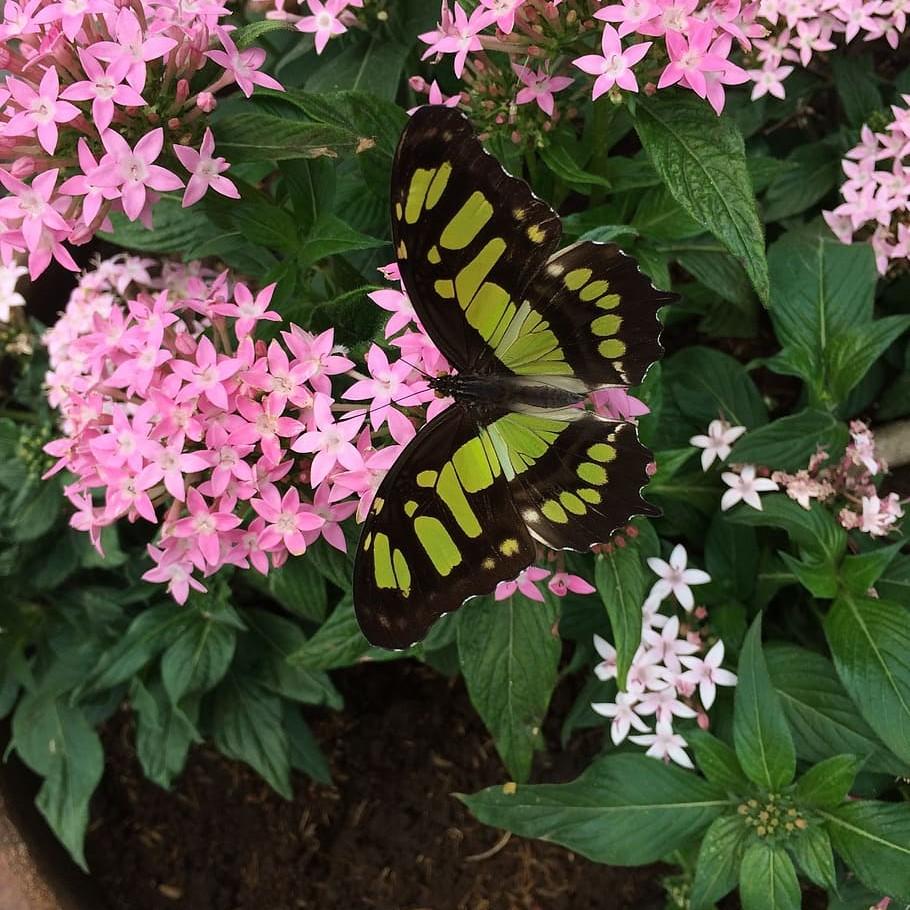
Also called star cluster, the Egyptian star flower is a bushy, evergreen plant prized for its long bloom period and ability to thrive in hot, sunny conditions. Its tight, dome-shaped flower clusters sit atop lance-shaped, slightly fuzzy green foliage, creating a vibrant display from spring through fall in temperate regions, and year-round in frost-free zones. It is widely cultivated as both a garden bedding plant and a potted houseplant for its low-maintenance nature and pollinator appeal.
Care Guide
Watering
Water Egyptian star flower regularly to keep soil consistently moist but not waterlogged, allowing the top 1 inch of soil to dry out between waterings to prevent root rot. Reduce watering frequency in winter when growth slows, taking care not to let the root ball dry out completely for extended periods.
Light
This plant thrives in full sun, requiring at least 6 hours of direct sunlight daily to produce abundant blooms; it can tolerate partial shade, but flowering will be reduced and growth may become leggy. When grown indoors, place it in a south-facing window or under grow lights to ensure it receives sufficient light for healthy development and flowering.
Soil
Plant in well-draining, loamy soil with a pH between 6.0 and 7.5 for optimal growth; a mix of garden soil, peat moss, and perlite works well for outdoor beds, while a standard potting mix with added perlite is ideal for container-grown specimens. Avoid heavy, clay soils that retain excess moisture, as these can lead to root rot and poor plant health.
Fertilizer
Feed every 2 to 4 weeks during the active growing season (spring through fall) with a balanced, water-soluble fertilizer diluted to half strength to support steady growth and continuous blooming. Avoid over-fertilizing, as this can lead to excessive foliage growth at the expense of flowers, and stop fertilizing entirely in winter when the plant is dormant.
Temperature
Egyptian star flower prefers warm temperatures between 60–85°F (15–29°C) and is highly sensitive to frost, with temperatures below 50°F (10°C) causing leaf drop and potential plant death. In regions with cold winters, grow it as an annual or bring potted specimens indoors before the first frost to overwinter in a warm, bright location.
Pruning
Pinch back young stem tips regularly to encourage bushier growth and more branching, which increases the number of flower sites. Deadhead spent flower clusters throughout the blooming season to promote continuous flowering, and cut back overgrown or leggy plants by up to one-third in late winter or early spring to refresh their shape.
Propagation
Easily propagate from 3–4 inch stem cuttings taken in spring or summer, removing lower leaves and placing cuttings in moist, well-draining rooting medium or water until roots develop in 2–3 weeks. It can also be grown from seed sown indoors 8–10 weeks before the last expected frost, though seed-grown plants may take longer to reach flowering size than cuttings.
Humidity
This plant tolerates average household humidity levels between 40–60% well, though it benefits from occasional misting or placement on a pebble tray filled with water in very dry indoor environments. Avoid excessively high humidity combined with poor air circulation, as this can increase the risk of fungal leaf diseases.
Repotting
Repot container-grown Egyptian star flower every 1–2 years in spring, moving it to a pot one size larger with fresh, well-draining potting mix when roots begin to emerge from the drainage holes. Avoid repotting during the blooming season, as this can cause flower drop and stress the plant.
Uses & Symbolism
Egyptian star flower is a popular choice for garden borders, container plantings, and pollinator gardens, as its nectar-rich flowers attract butterflies, bees, and hummingbirds consistently throughout the growing season. It is also grown as a low-maintenance houseplant, bringing long-lasting color to bright indoor spaces, and its cut flowers hold up well in small floral arrangements.
Diseases & Pests
Common pests include aphids, whiteflies, and spider mites, which tend to infest new growth and undersides of leaves, especially in warm, dry conditions; these can be controlled with insecticidal soap or neem oil applications. Fungal diseases such as powdery mildew and root rot may occur in overly moist, poorly ventilated conditions, so avoid overwatering and ensure adequate spacing between plants to promote air circulation.
Related plants
Other plants you might like if you grow Egyptian Star Flower.