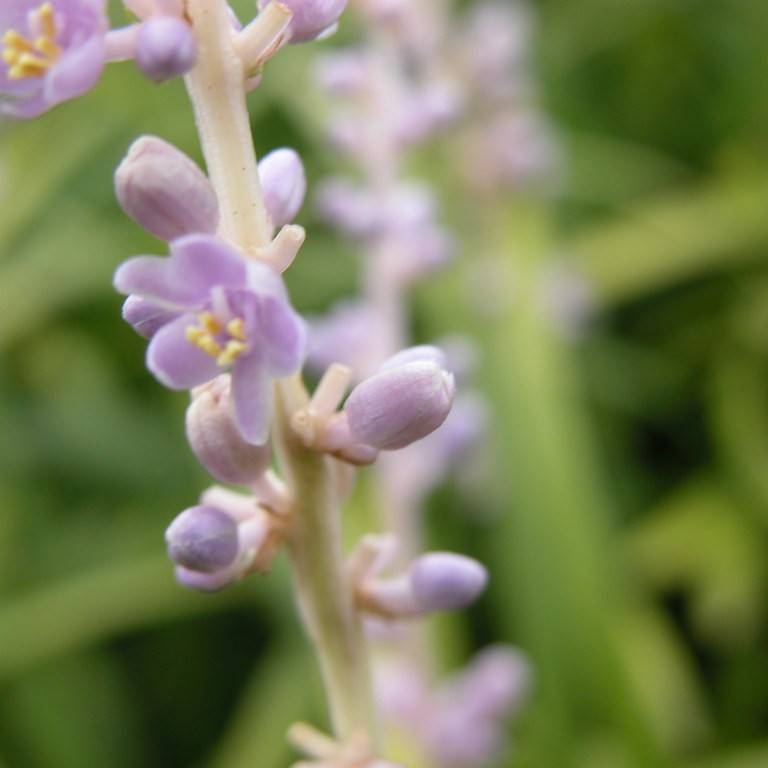
Creeping Liriope
Liriope spicata
Resumen
El liriope rastrero, también llamado lilyturf rastrero, es una planta perenne rizomatosa robusta que a menudo se confunde con una hierba debido a sus hojas perennes estrechas y arqueadas de color verde oscuro. A mediados o finales del verano, produce espigas cortas de flores pequeñas, de color lavanda pálido o blanco, en forma de campana, que se elevan justo por encima del follaje, seguidas de pequeñas bayas de color negro brillante en otoño. Se propaga agresivamente a través de rizomas subterráneos, formando tapetes densos y uniformes que desplazan las malezas, lo que lo convierte en una opción popular para paisajes de bajo mantenimiento, estabilización de pendientes y plantación debajo de árboles y arbustos.
Guía de cuidado
Riego
Riegue el liriope rastrero recién plantado con regularidad para mantener la tierra uniformemente húmeda durante la primera temporada de crecimiento, lo que le ayudará a establecer un sistema de raíces fuerte. Una vez establecido, es muy tolerante a la sequía y sólo requiere riego profundo ocasional durante períodos prolongados de clima cálido y seco; Evite regar en exceso o encharcar el suelo para evitar la pudrición de las raíces. Durante los meses de invierno, reduzca significativamente el riego, ya que el crecimiento de la planta se ralentiza y el exceso de humedad puede dañar las raíces inactivas.
Luz
El liriope rastrero prospera en sombra parcial o total, donde su follaje permanece exuberante y de color verde oscuro, pero también tolera pleno sol en climas más fríos si se le proporciona humedad constante. En regiones con sol intenso y caluroso del mediodía, evite la exposición total al sol sin filtrar, ya que puede quemar las puntas de las hojas y hacer que el follaje se vuelva amarillento. Cuando se cultive en interiores, colóquelo cerca de una ventana con luz indirecta y brillante para mantener su apariencia siempre verde.
Suelo
Esta planta adaptable crece bien en una amplia gama de tipos de suelo, desde franco arenoso hasta arcilloso, siempre que el suelo tenga un drenaje decente; Tolera mejor los suelos más pobres y menos fértiles que muchas cubiertas ornamentales. Prefiere un pH del suelo ligeramente ácido a neutro entre 5,5 y 7,0, pero puede adaptarse a condiciones ligeramente alcalinas sin estrés significativo. Para plantaciones en contenedores, use una mezcla para macetas de uso general con perlita o arena gruesa agregada para mejorar el drenaje y evitar la compactación.
Fertilizante
El liriope rastrero tiene bajas necesidades de nutrientes y, por lo general, solo requiere una única aplicación de un fertilizante granular equilibrado y de liberación lenta a principios de la primavera, justo antes de que surja un nuevo crecimiento. Evite la fertilización excesiva, ya que el exceso de nitrógeno puede fomentar un crecimiento demasiado suave y rápido que es más susceptible al daño de las plagas y reduce la tolerancia de la planta a la sequía. Si se cultiva en suelo arenoso y muy pobre, se puede aplicar una segunda aplicación ligera de fertilizante a principios del verano, pero esto rara vez es necesario para plantaciones establecidas.
Temperatura
Es resistente al frío en las zonas USDA 4 a 10 y tolera temperaturas invernales tan bajas como -30 °F (-34 °C) sin daños significativos cuando se planta en el suelo. En el extremo superior de su rango de resistencia, se beneficia de la sombra ocasional por la tarde para prevenir el estrés por calor durante las temperaturas máximas del verano. Cuando se cultiva como planta de interior, se adapta bien a temperaturas interiores promedio de entre 15 y 24 °C (60 y 75 °F) y puede tolerar caídas breves de hasta 10 °C (50 °F) sin sufrir daños.
Poda
Pode el liriope rastrero a fines del invierno o principios de la primavera, antes de que comience un nuevo crecimiento, cortando o recortando el follaje a 2-3 pulgadas del suelo para eliminar las hojas andrajosas y dañadas por el invierno y fomentar un nuevo crecimiento fresco y vibrante. Si la planta se está extendiendo más allá de los límites deseados, desenterrar y eliminar el exceso de rizomas y matas en primavera u otoño para contener su crecimiento, ya que puede volverse invasiva en condiciones ideales. Elimine cualquier follaje amarillento o enfermo que aparezca durante la temporada de crecimiento para mantener una apariencia ordenada y reducir el riesgo de problemas de hongos.
Propagación
El método más fácil y común de propagar el liriope rastrero es por división a principios de la primavera, justo antes de que comience un nuevo crecimiento, o a principios del otoño, desenterrando grupos establecidos, separándolos en secciones más pequeñas con raíces y rizomas intactos y replantándolos a la misma profundidad que la planta original. También se puede cultivar a partir de semillas recolectadas de bayas negras maduras en otoño, pero las plantas cultivadas con semillas tardan varios años en madurar y es posible que no conserven las características exactas de la planta madre. Para una cobertura más rápida, divida los grupos en espacios a una distancia de entre 6 y 12 pulgadas, ya que llenarán rápidamente los espacios a través de sus rizomas en expansión.
Humedad
El liriope rastrero tolera una amplia gama de niveles de humedad, desde el aire interior seco hasta la alta humedad de sus hábitats subtropicales nativos, lo que lo hace muy adaptable. En climas extremadamente áridos, rociar ocasionalmente el follaje puede ayudar a prevenir el oscurecimiento de las puntas de las hojas, pero esto no es necesario para un crecimiento saludable. Cuando se cultiva en interiores, evite colocarlo cerca de rejillas de calefacción o refrigeración directas, lo que puede provocar caídas repentinas de humedad y secar los bordes de las hojas.
Trasplante
El liriope rastrero cultivado en contenedores debe trasplantarse cada 2 o 3 años a principios de la primavera, cuando sus rizomas comienzan a abarrotar la maceta y crecen fuera de los orificios de drenaje o por encima del borde del contenedor. Elija una maceta que tenga entre 1 y 2 pulgadas más de diámetro que la actual, con amplios orificios de drenaje, y actualice la mezcla para macetas durante el trasplante para reponer los nutrientes y mejorar el drenaje. Si desea mantener la planta del mismo tamaño, divida el grupo durante el trasplante, deseche el exceso de rizomas y vuelva a plantar una sección más pequeña en la maceta original con tierra fresca.
Usos y simbolismo
El liriope rastrero se usa más ampliamente como cobertura de suelo de bajo mantenimiento que suprime las malezas para áreas sombreadas, estabilización de pendientes y bordes a lo largo de senderos, parterres y caminos de acceso, donde su denso crecimiento previene la erosión y reduce la necesidad de desmalezar. También se cultiva como planta en macetas, tanto al aire libre en patios como en interiores como planta de interior con poca luz, valorada por su follaje siempre verde y su tolerancia al abandono. En la medicina tradicional de Asia oriental, los extractos de sus raíces se han utilizado para tratar la tos, el dolor de garganta y los problemas respiratorios, aunque estos usos no están ampliamente validados en la medicina occidental.
Enfermedades y plagas
El liriope rastrero es relativamente resistente a plagas y enfermedades, pero puede ser susceptible a la antracnosis, una enfermedad fúngica que causa lesiones marrones hundidas en las puntas de las hojas y se propaga en condiciones cálidas y húmedas, lo que se puede prevenir evitando el riego excesivo y podando para mejorar la circulación del aire. La pudrición de la raíz puede ocurrir en suelos anegados y con mal drenaje, así que asegúrese de que los sitios de plantación o los contenedores tengan un drenaje adecuado y evite el riego excesivo, especialmente durante los períodos frescos y de inactividad. Las babosas y los caracoles pueden ocasionalmente alimentarse de follaje joven y tierno, particularmente en áreas húmedas y sombreadas, y pueden controlarse con cebo, trampas o retirándolos manualmente.
Related plants
Other plants you might like if you grow Creeping Liriope.
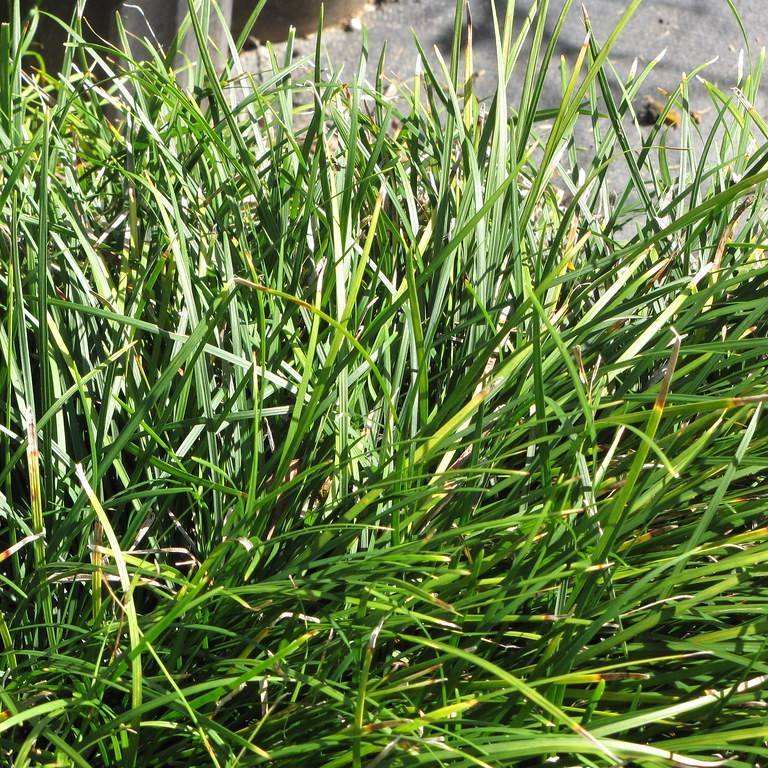
Dwarf Lilyturf
Ophiopogon japonicus
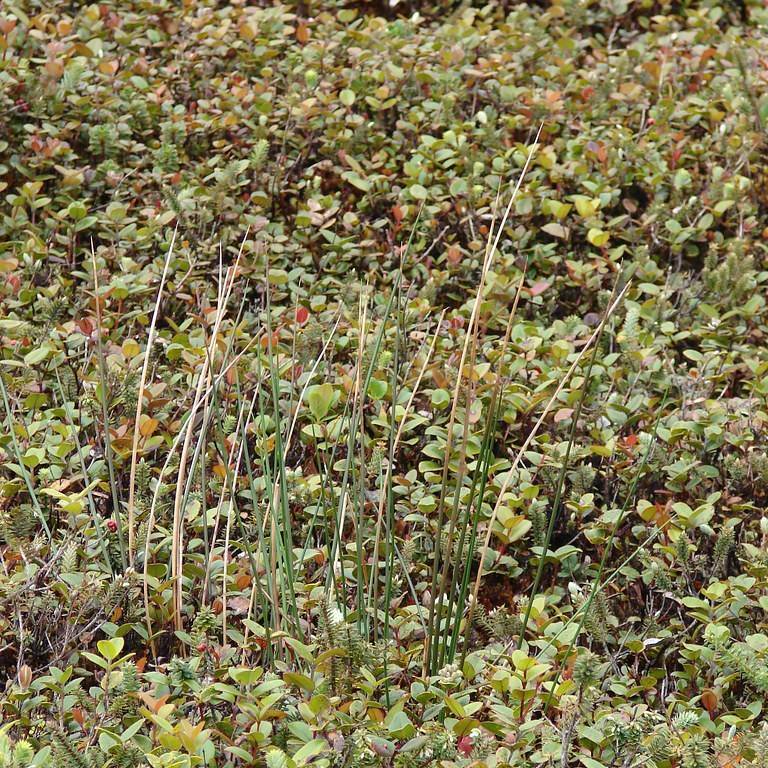
Dwarf Mat Rush
Lomandra confertifolia subsp. pallida 'Little Con'
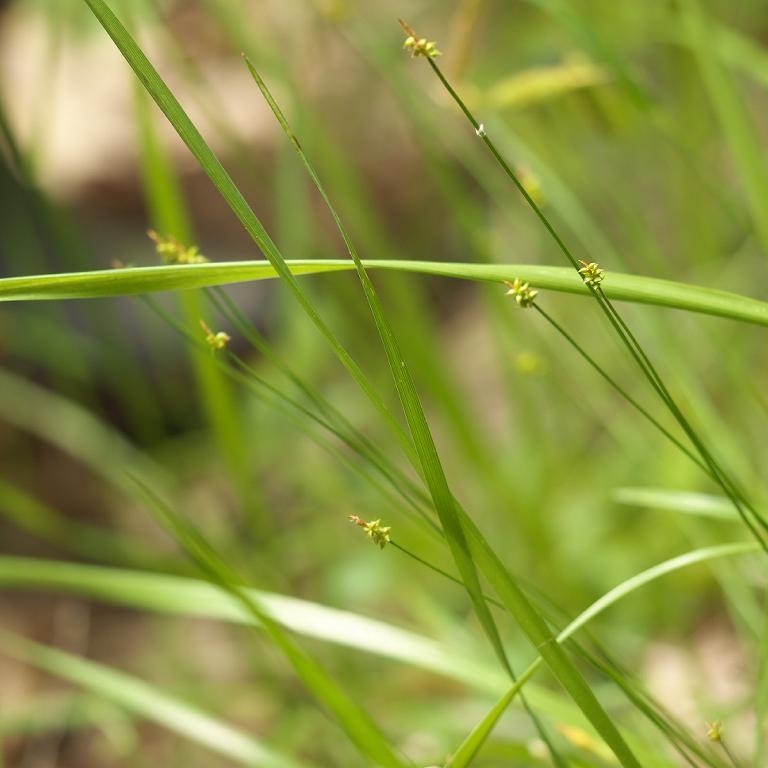
Appalachian Sedge
Carex appalachica
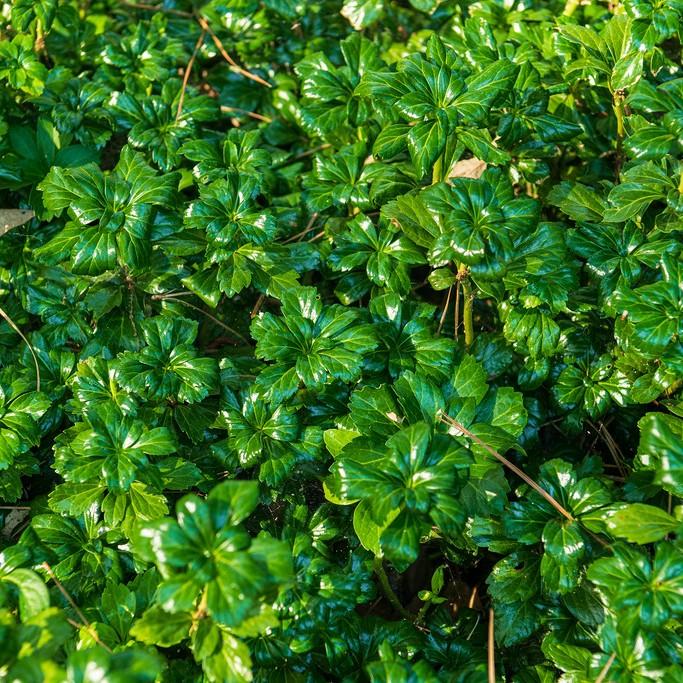
Japanese Pachysandra
Pachysandra terminalis
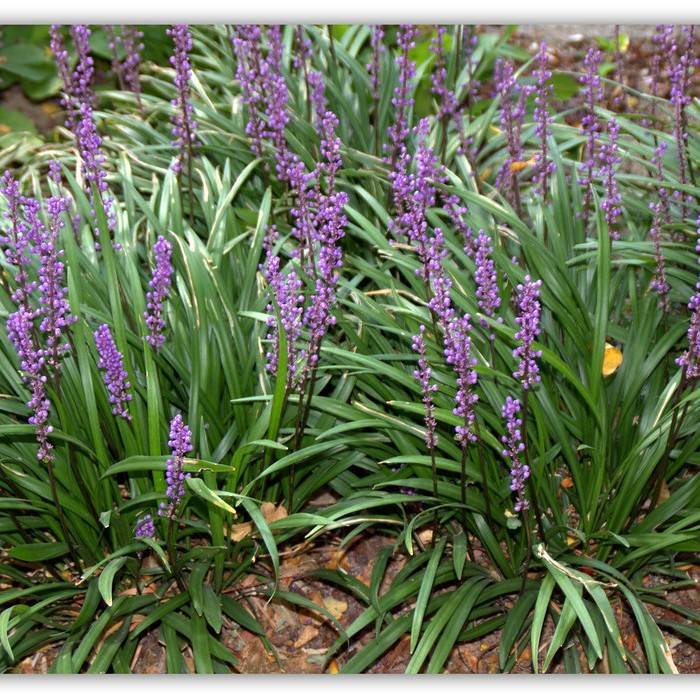
Big Blue Lilyturf
Liriope muscari 'Big Blue'
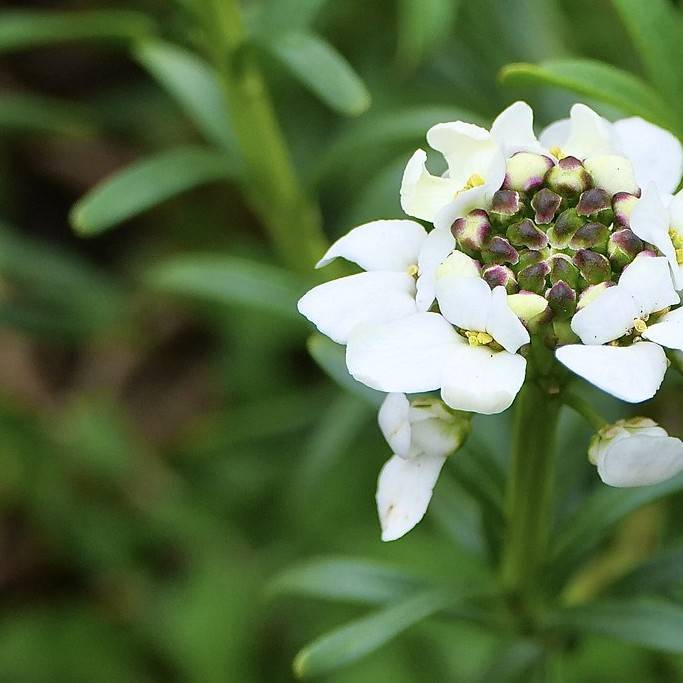
Candytuft
Iberis sempervirens
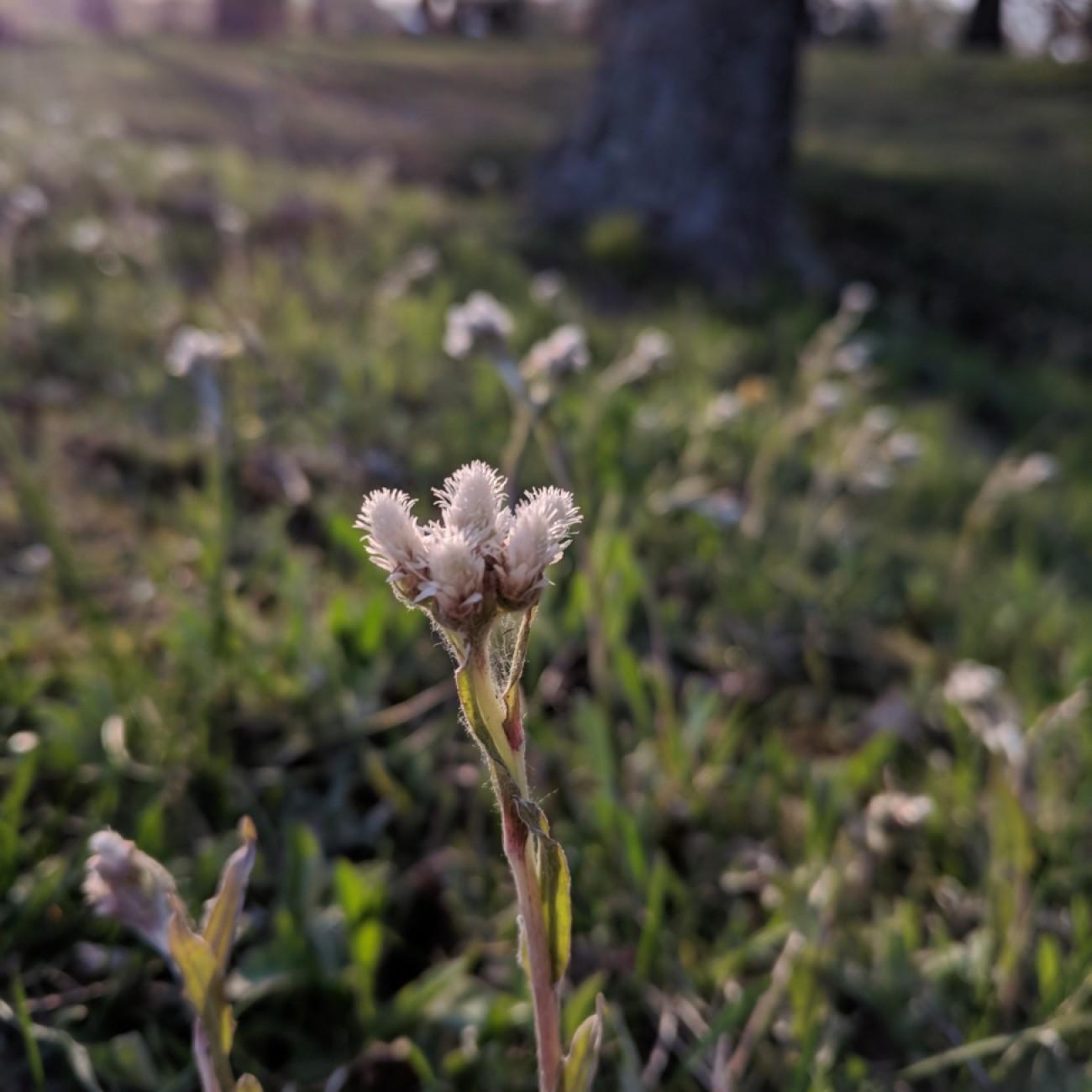
Howell's Pussytoes
Antennaria howellii
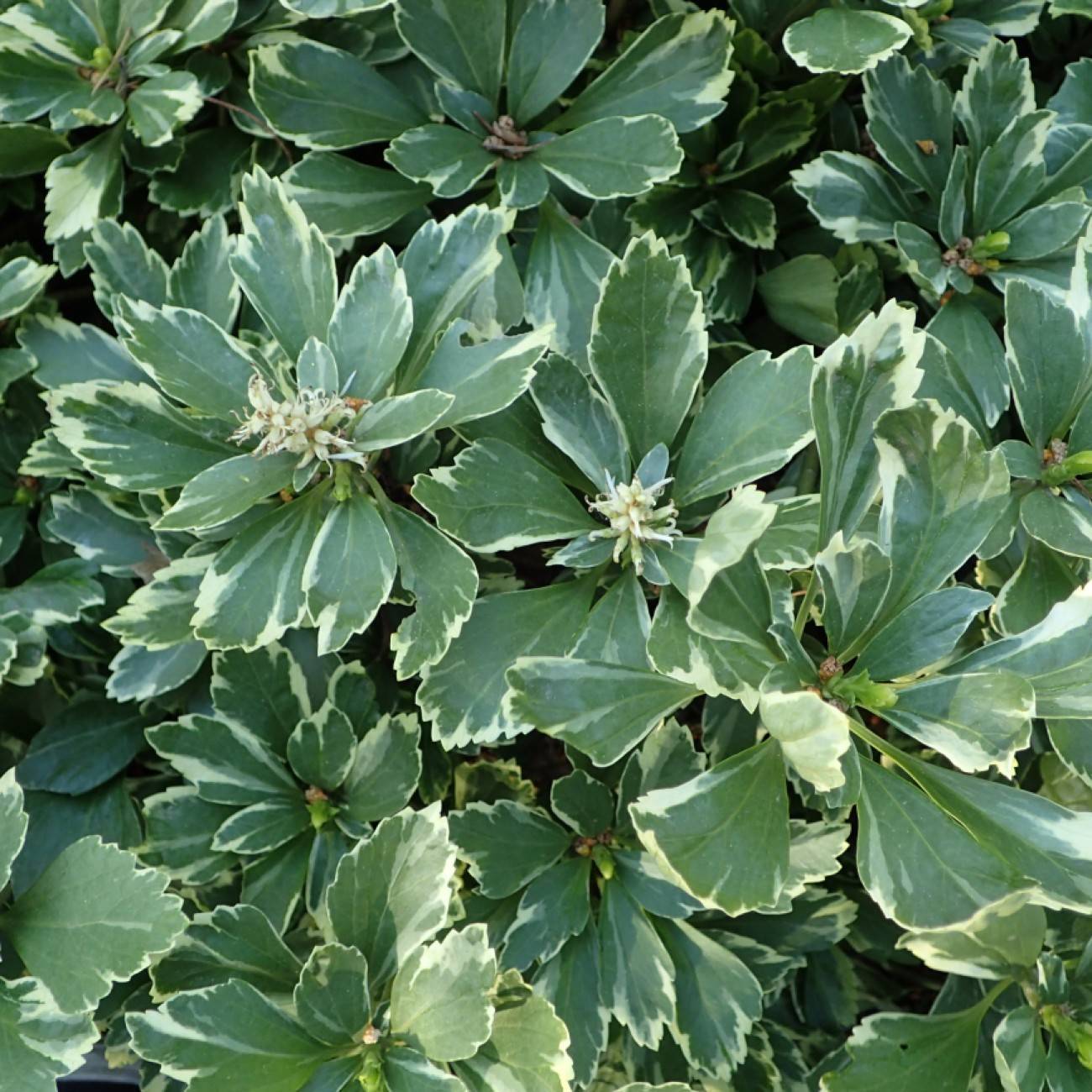
Japanese Spurge
Pachysandra terminalis