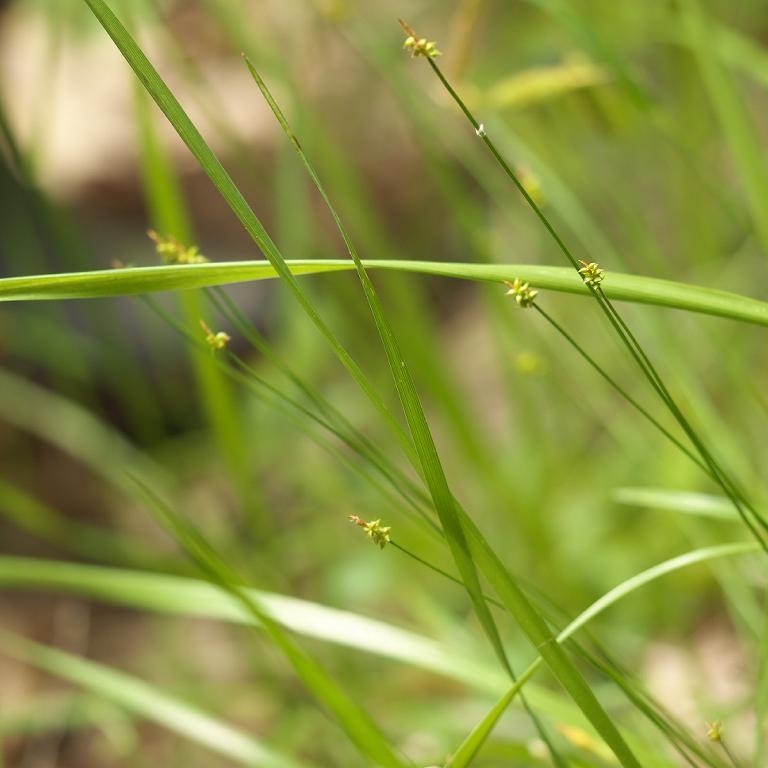
Appalachian Sedge
Carex appalachica
Overview
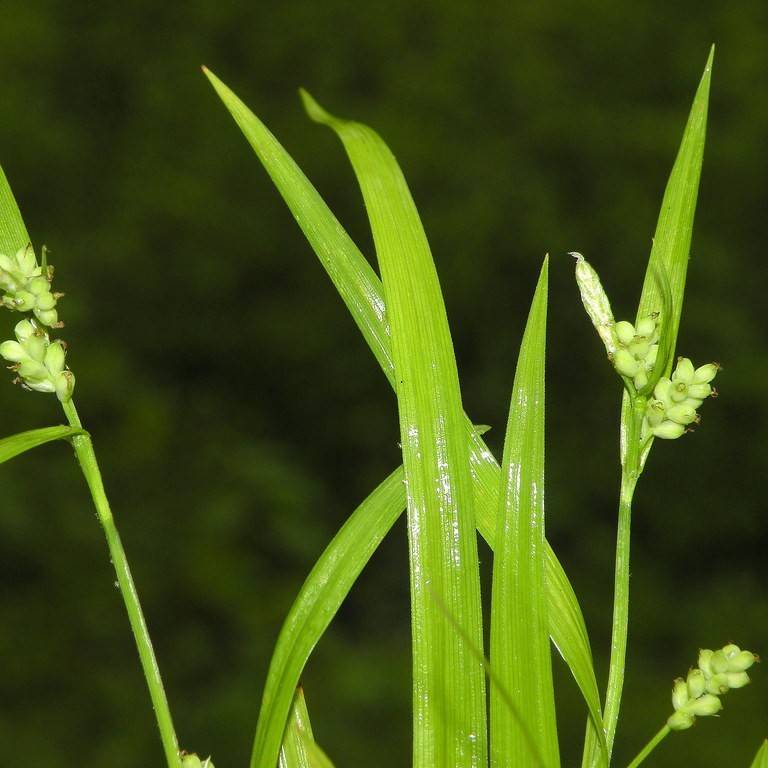
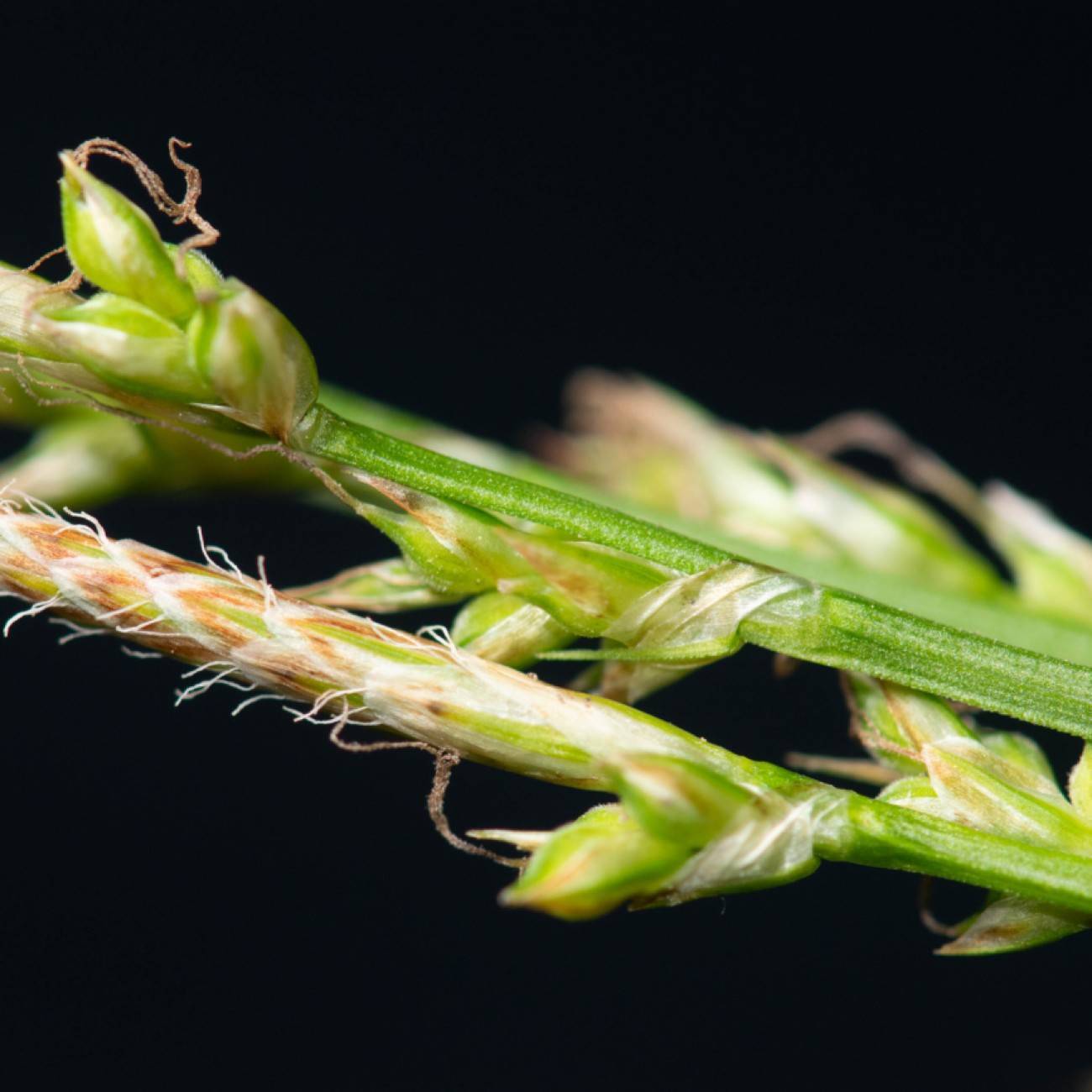
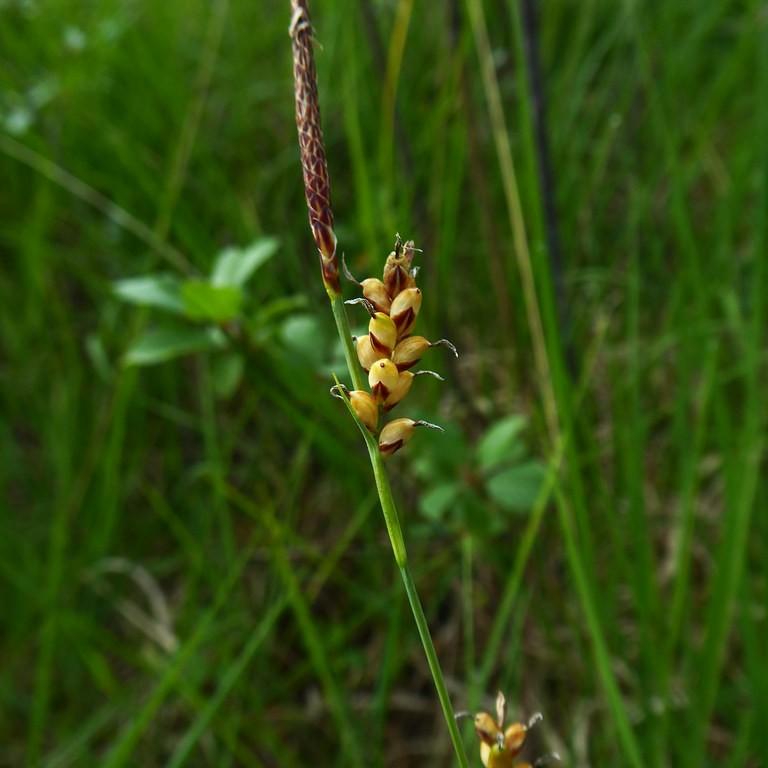
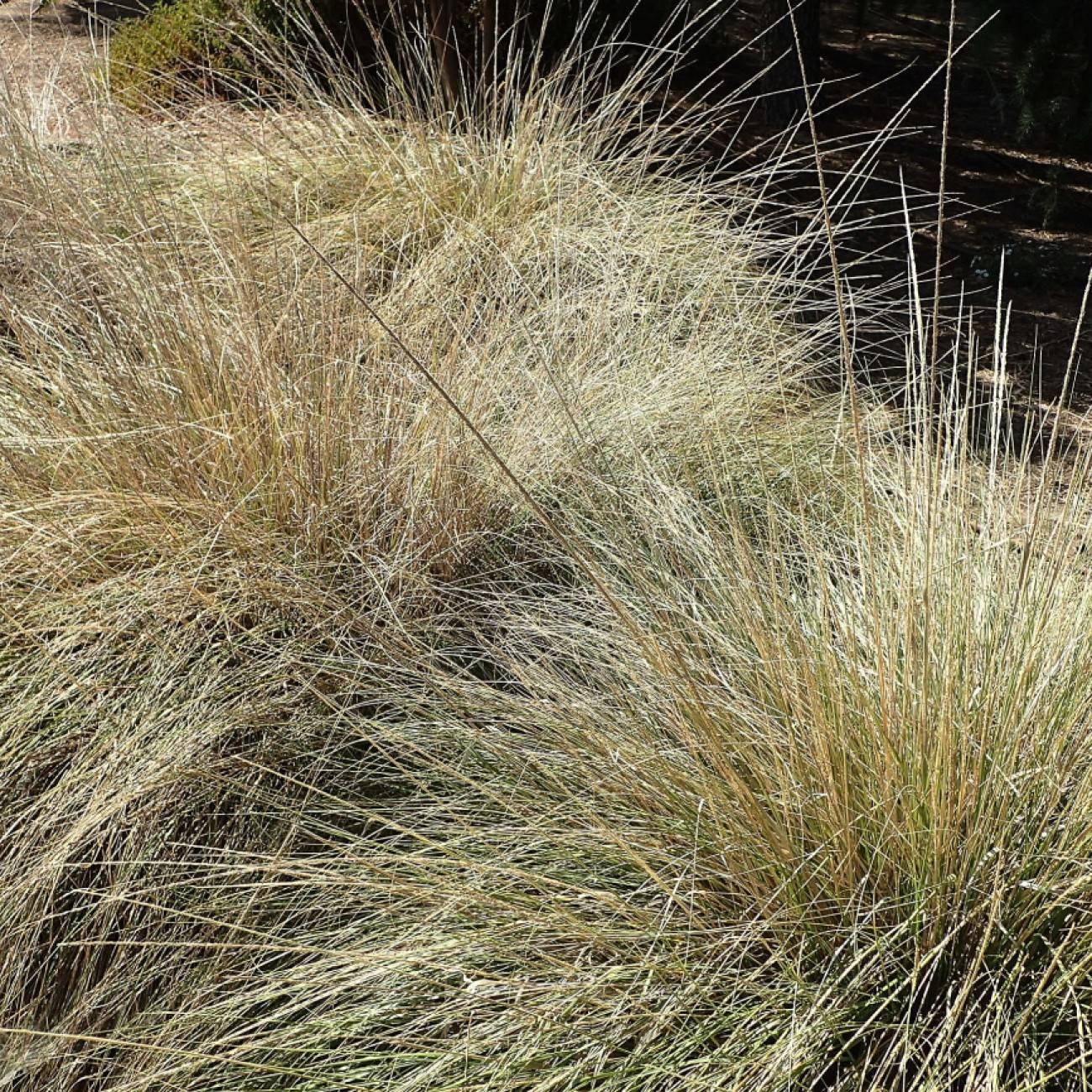
Appalachian sedge is a cool-season, clump-forming evergreen sedge native to the rich woodlands and slopes of the Appalachian region. It produces fine, hair-like bright green foliage that forms dense, cascading mounds, with inconspicuous greenish-brown flower spikes appearing in mid-spring. Widely valued as a low-maintenance native alternative to non-native ground covers, it supports local pollinators and provides habitat for small beneficial insects. It is particularly well adapted to dry shade conditions, making it a versatile choice for difficult garden spots where many other plants struggle to thrive.
Care Guide
Watering
Appalachian sedge has moderate water needs, preferring consistently moist but well-drained soil when first established. Once mature, it is highly drought-tolerant, requiring only occasional watering during extended dry periods, and is resistant to both occasional flooding and prolonged dry spells. Overwatering in heavy, poorly drained soils can lead to root rot, so allow the top 1-2 inches of soil to dry out between waterings for container-grown specimens.
Light
This sedge thrives in partial to full shade, making it ideal for planting under deciduous trees, on north-facing slopes, or in other low-light garden areas. It can tolerate short periods of direct morning sun, but intense afternoon sunlight will scorch its delicate foliage, leading to browning at the tips. In deep full shade, growth may be slightly sparser, but the plant will remain healthy and maintain its attractive mounding form.
Soil
Appalachian sedge adapts to a wide range of soil types, including sandy loam, clay, and rocky, nutrient-poor soils common to its native woodland habitat. It prefers slightly acidic to neutral soil pH between 5.5 and 7.0, but can tolerate mildly alkaline conditions as well. Good drainage is essential to prevent root rot, though it can handle occasional short-term saturation from seasonal rains.
Fertilizer
As a native plant adapted to low-nutrient woodland soils, Appalachian sedge requires very little supplemental fertilization to thrive. A light application of balanced, slow-release organic fertilizer in early spring, just as new growth emerges, is sufficient for most landscape plantings. Over-fertilization will lead to leggy, floppy growth that loses the plant’s characteristic neat mounding form, so avoid high-nitrogen synthetic fertilizers entirely.
Temperature
This sedge is cold-hardy in USDA zones 3 to 8, tolerating winter temperatures as low as -40°F (-40°C) without damage. It is a cool-season grower, putting on most of its new foliage in spring and fall, and remaining semi-evergreen through mild winters, with foliage dying back only during extended periods of extreme cold. It can tolerate summer heat up to 90°F (32°C) as long as it is planted in shade and receives occasional moisture during heatwaves.
Pruning
Pruning requirements for Appalachian sedge are minimal, with only annual removal of dead or damaged foliage needed to maintain a neat appearance. In late winter or early spring, before new growth emerges, cut back the entire clump to 2-3 inches above the soil line to remove tattered, winter-damaged leaves and make way for fresh, bright green new foliage. Avoid cutting back during the active growing season, as this can stress the plant and ruin its natural cascading form.
Propagation
Appalachian sedge is most easily propagated by division of mature clumps in early spring or late fall, when the plant is not actively growing. Dig up the entire clump, gently separate it into smaller sections with at least 3-5 healthy leaf shoots and a portion of the root system, then replant immediately at the same depth as the original plant and water thoroughly. It can also be grown from seed, though seed germination is slow and inconsistent, and seed-grown plants take 2-3 years to reach mature size, making division the preferred method for most gardeners.
Humidity
This native sedge adapts well to the average humidity levels of its native eastern North American range, thriving in relative humidity between 40% and 70%. It can tolerate both drier indoor humidity levels when grown as a houseplant and higher outdoor humidity common in southern portions of its range without issue. No supplemental humidity is required, though occasional misting of container-grown indoor plants can help prevent leaf tip browning in very dry heated air during winter.
Repotting
Container-grown Appalachian sedge only needs repotting every 2-3 years, when it becomes root-bound and outgrows its current container. Repot in early spring before new growth emerges, using a well-drained potting mix with added organic matter such as leaf mold or compost to mimic its native woodland soil. Choose a container only 1-2 inches larger in diameter than the current one to avoid excess soil moisture that can lead to root rot, and ensure the pot has adequate drainage holes.
Uses & Symbolism
Appalachian sedge is widely used as a low-maintenance, drought-tolerant ground cover for shade gardens, woodland plantings, and slope stabilization, as its dense fibrous root system effectively prevents erosion. It is an excellent native alternative to non-invasive turf grasses for low-traffic lawn areas, requiring no mowing and supporting local pollinators and larval host for several species of skippers. It also works well in container plantings as a trailing filler plant, and is a staple in rain gardens and native plant landscapes designed to support local ecosystems.
Diseases & Pests
Appalachian sedge is largely pest and disease resistant, with very few common issues when grown in its preferred conditions. Overly wet, poorly drained soils can lead to fungal root rot and leaf spot, which can be prevented by ensuring proper soil drainage and avoiding overhead watering. Occasional aphids or spider mites may infest stressed plants, particularly container-grown specimens, but these can be easily controlled with a strong spray of water or insecticidal soap, with no need for harsh chemical treatments.
Related plants
Other plants you might like if you grow Appalachian Sedge.