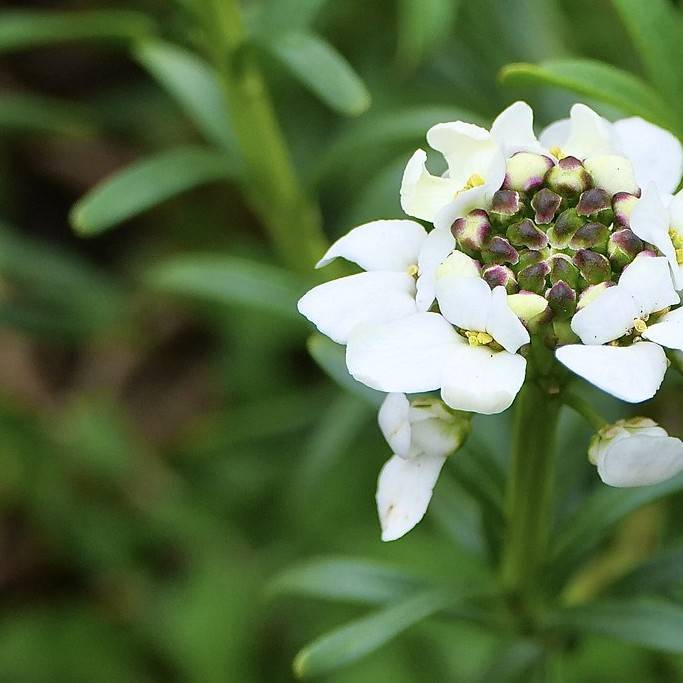
Candytuft
Iberis sempervirens
Overview
Candytuft is a mounding, woody-stemmed perennial with small, glossy dark green leaves that remain year-round in mild climates. In mid to late spring, it produces masses of tiny, four-petaled white flowers that completely cover the foliage for 3 to 4 weeks, with occasional sparse reblooming in fall. It is widely cultivated as a ground cover, edging plant, or rock garden staple, valued for its drought tolerance and low maintenance needs.
Care Guide
Watering
Water newly planted candytuft regularly to keep soil evenly moist for the first growing season, helping it establish a deep root system. Once established, it is highly drought tolerant, only requiring supplemental water during extended periods of extreme heat or drought, as overwatering can lead to root rot. Avoid overhead watering to reduce the risk of fungal leaf spots.
Light
Candytuft thrives in full sun, requiring at least 6 hours of direct sunlight daily to produce the densest floral display and maintain a compact, mounding growth habit. It can tolerate partial shade, especially in regions with very hot summer afternoons, but too much shade will cause sparse blooming and leggy, stretched growth. In cool northern climates, full sun exposure is critical for healthy overwintering.
Soil
This plant prefers well-draining, slightly alkaline to neutral soil with a pH between 6.5 and 7.5, and it adapts exceptionally well to poor, rocky, or sandy soils that are low in organic matter. It will not tolerate heavy, waterlogged clay soils, which quickly cause fatal root rot; amend heavy soils with sand or gravel to improve drainage before planting. Avoid rich, overly fertile soils, as these promote excessive soft, leggy growth that reduces flowering and winter hardiness.
Fertilizer
Candytuft has very low nutrient needs and typically does not require regular fertilization, especially when planted in average garden soil. If growing in extremely poor, sandy soil, apply a thin layer of compost or a balanced, slow-release granular fertilizer in early spring before new growth emerges, at half the recommended rate to avoid overfeeding. Excess fertilizer will lead to lush foliage growth at the expense of blooms and may reduce the plant’s drought tolerance.
Temperature
Candytuft is cold hardy in USDA zones 3 through 9, tolerating winter temperatures as low as -30°F (-34°C) when planted in well-drained soil. It prefers cool spring and fall temperatures, and in hot, humid southern climates, it benefits from light afternoon shade to prevent heat stress. Winter wetness is a far greater risk than cold, so ensure soil is sharply drained to avoid crown rot during freeze-thaw cycles.
Pruning
Immediately after flowering ends in late spring, shear back the entire plant by one-third to one-half its height to encourage dense, compact new growth and prevent the center of the plant from becoming woody and bare. Avoid pruning after mid-fall, as new soft growth produced late in the season will be vulnerable to winter damage. Every 3 to 4 years, rejuvenate overgrown, woody plants by cutting them back to within 2 inches of the ground in early spring, which will stimulate fresh, vigorous growth.
Propagation
Candytuft is most easily propagated by taking 3-4 inch softwood cuttings from new, non-flowering growth in early summer, dipping the cut end in rooting hormone, and planting it in a well-draining sand and peat mix kept moist until roots form in 3 to 4 weeks. It can also be grown from seed sown directly outdoors in early spring or fall, though seed-grown plants may not bloom until their second growing season. Established clumps can be divided in early spring or late fall, though division is rarely necessary as the plant spreads slowly and does not become aggressively invasive.
Humidity
Candytuft prefers average to low humidity levels, and it adapts well to the dry conditions found in rock gardens and coastal areas. High humidity, especially combined with warm temperatures and poor air circulation, can increase the risk of fungal leaf spots and powdery mildew. Space plants 12 to 18 inches apart to ensure good air flow around foliage, which reduces humidity-related disease issues.
Repotting
When grown in containers, candytuft should be repotted every 2 to 3 years in early spring, before new growth begins, using a well-draining, sandy potting mix with added perlite or gravel to improve drainage. Choose a pot with multiple drainage holes to prevent waterlogging, and avoid planting in an oversized container, as excess soil will hold unnecessary moisture around the roots. After repotting, water lightly and place the container in a full sun location to encourage root establishment.
Uses & Symbolism
Candytuft is most widely used as a low edging plant for borders, walkways, and rock gardens, or as a dense, flowering ground cover for sunny, dry slopes where erosion control is needed. It is also a popular addition to cottage gardens, pollinator gardens, and coastal landscapes, as its nectar-rich flowers attract bees, butterflies, and other beneficial insects. Cut stems make long-lasting additions to small spring floral arrangements, and the evergreen foliage provides year-round visual interest in mild winter climates.
Diseases & Pests
Candytuft is relatively pest and disease resistant, but it can develop root rot, crown rot, and fungal leaf spots if grown in poorly drained soil or overwatered. In humid, poorly ventilated conditions, it may also be affected by powdery mildew, which appears as a white powdery coating on foliage; this can be prevented by ensuring proper air circulation and avoiding overhead watering. Occasional pests include aphids, slugs, and snails, which can be controlled with insecticidal soap, diatomaceous earth, or hand removal as needed.
Related plants
Other plants you might like if you grow Candytuft.
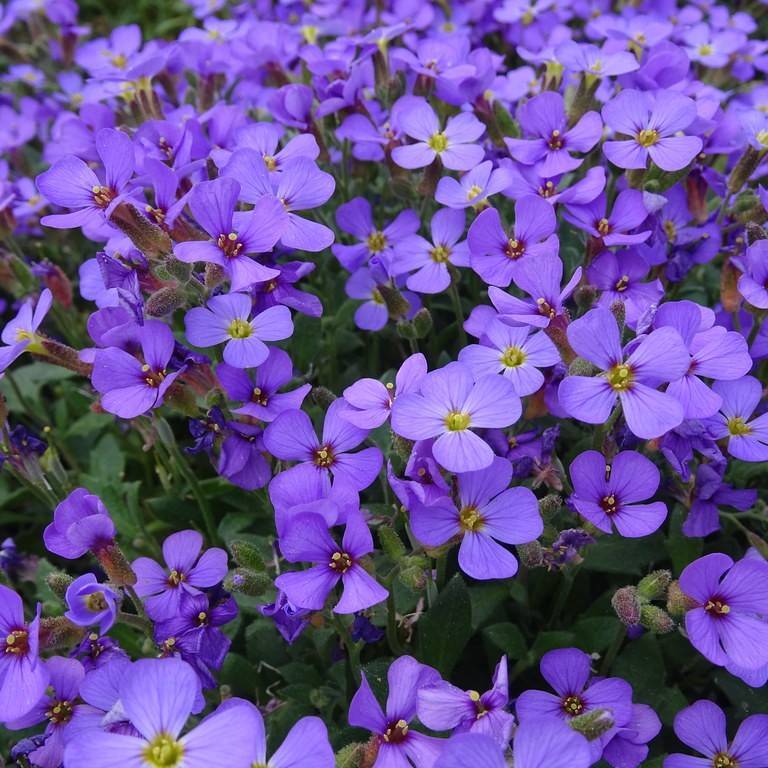
Garden Aubrieta
Aubrieta deltoidea
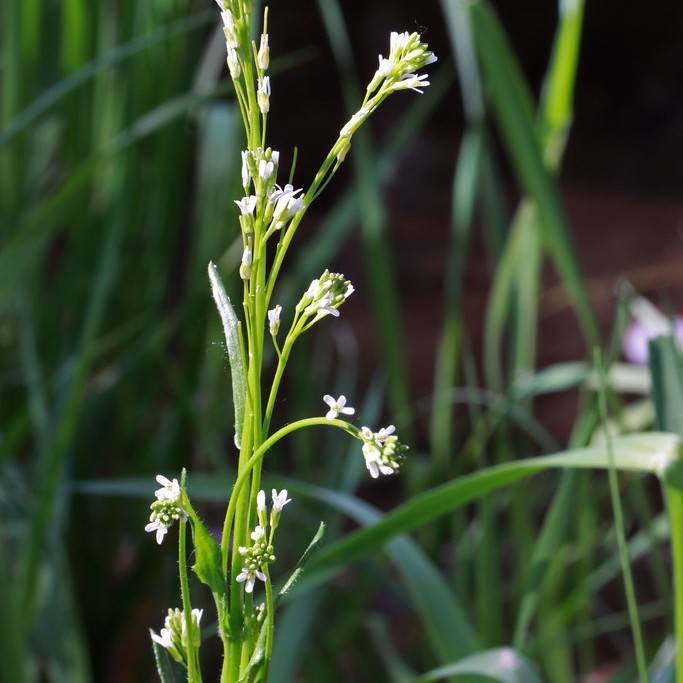
Cream Flowered Rockcress
Arabis caucasica 'Plena'
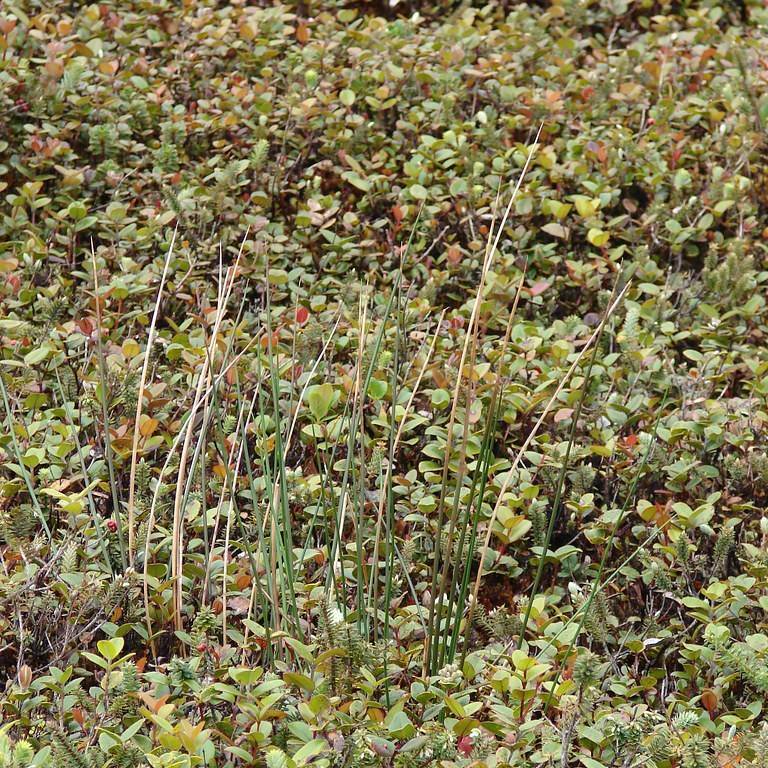
Dwarf Mat Rush
Lomandra confertifolia subsp. pallida 'Little Con'
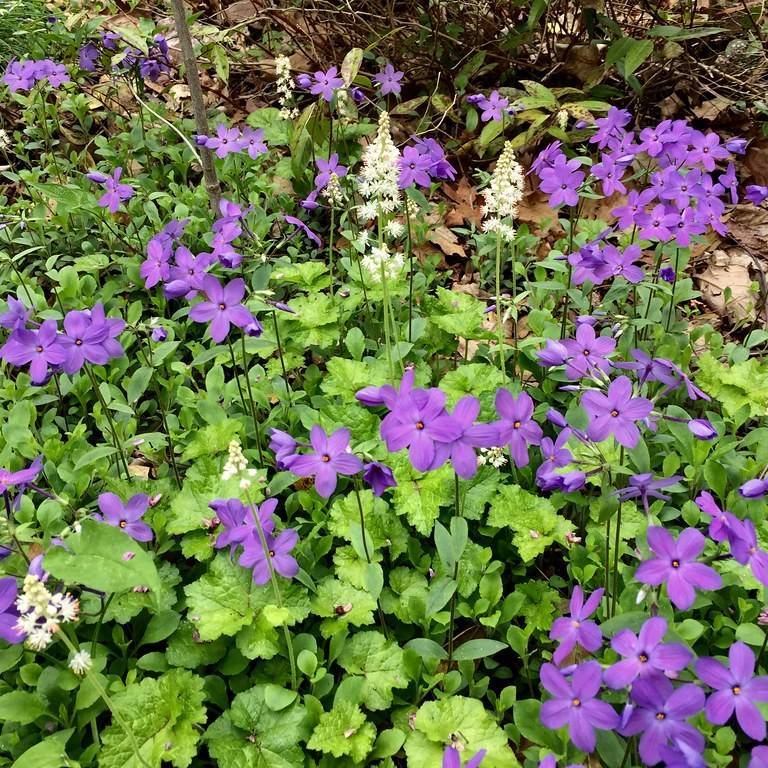
Creeping Phlox
Phlox subulata
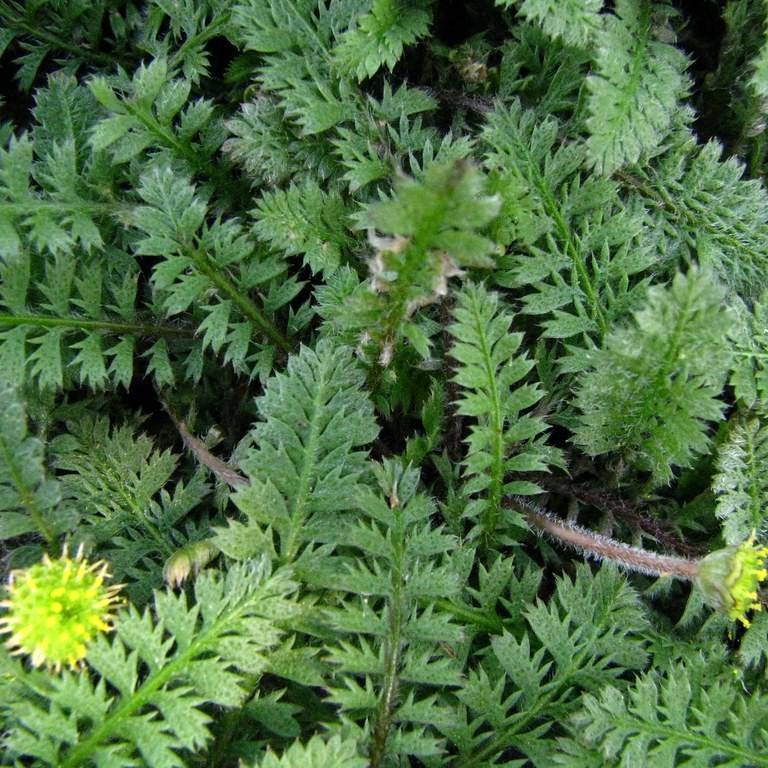
Brass Buttons
Leptinella squalida
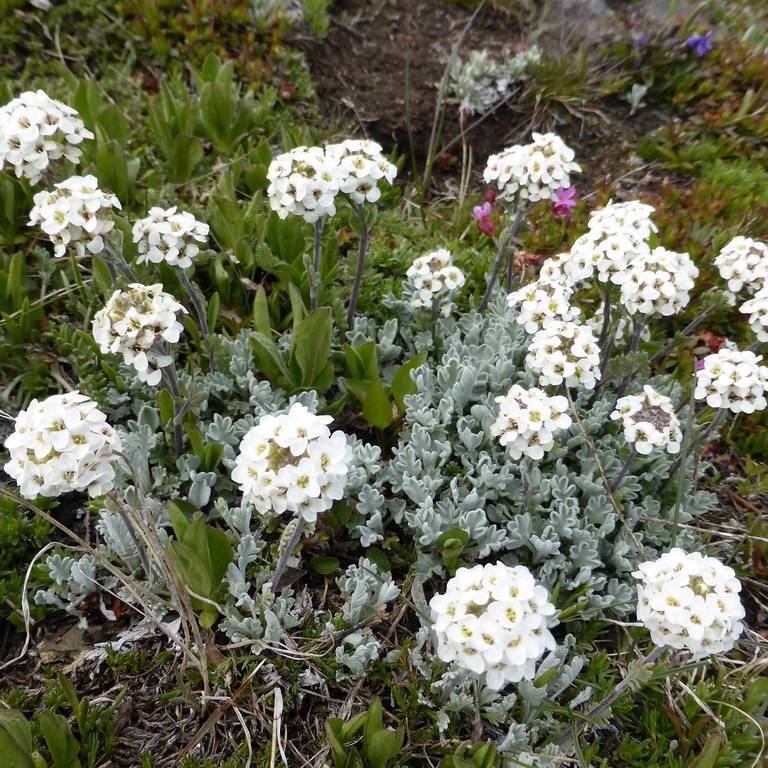
Alpine Candytuft
Iberis sempervirens
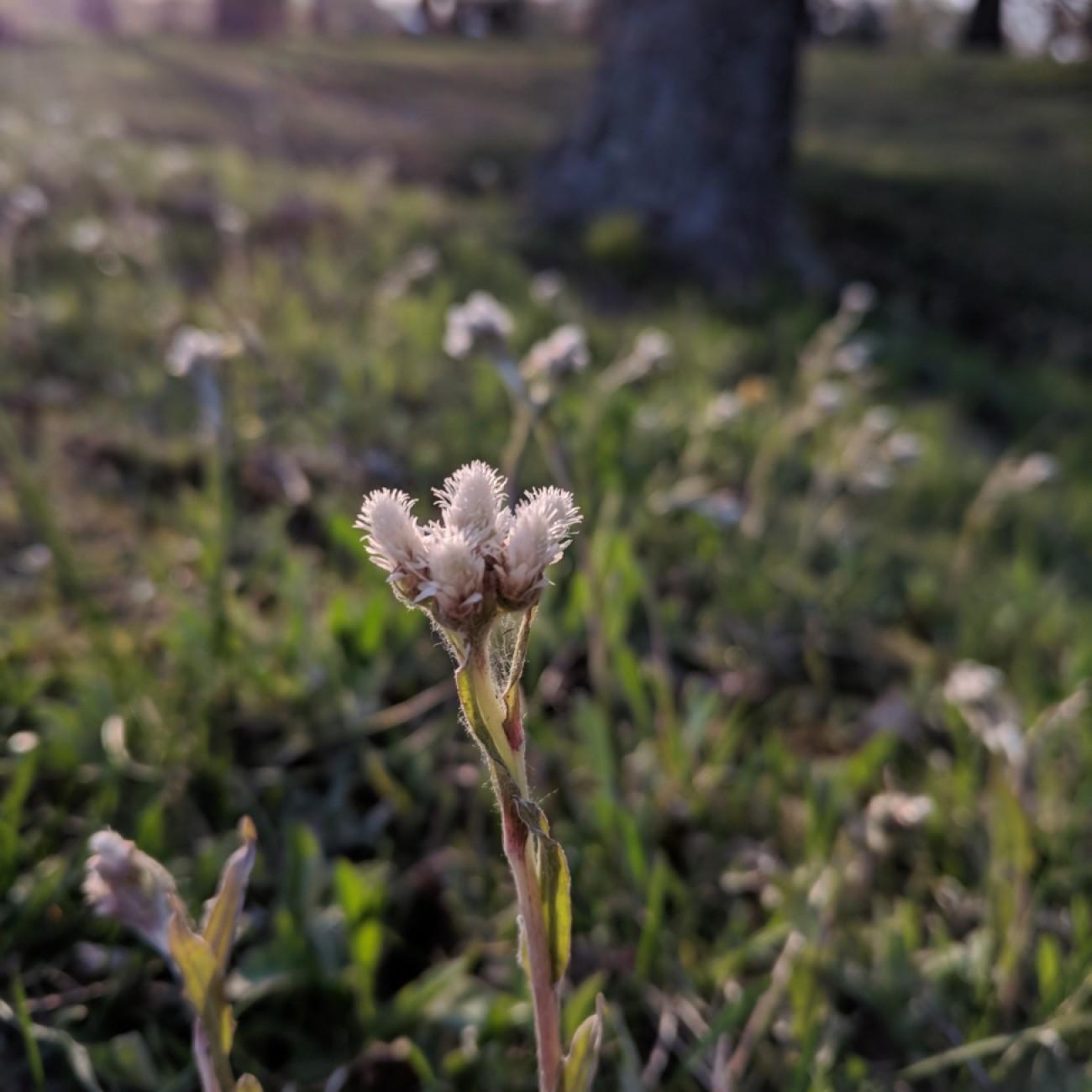
Howell's Pussytoes
Antennaria howellii
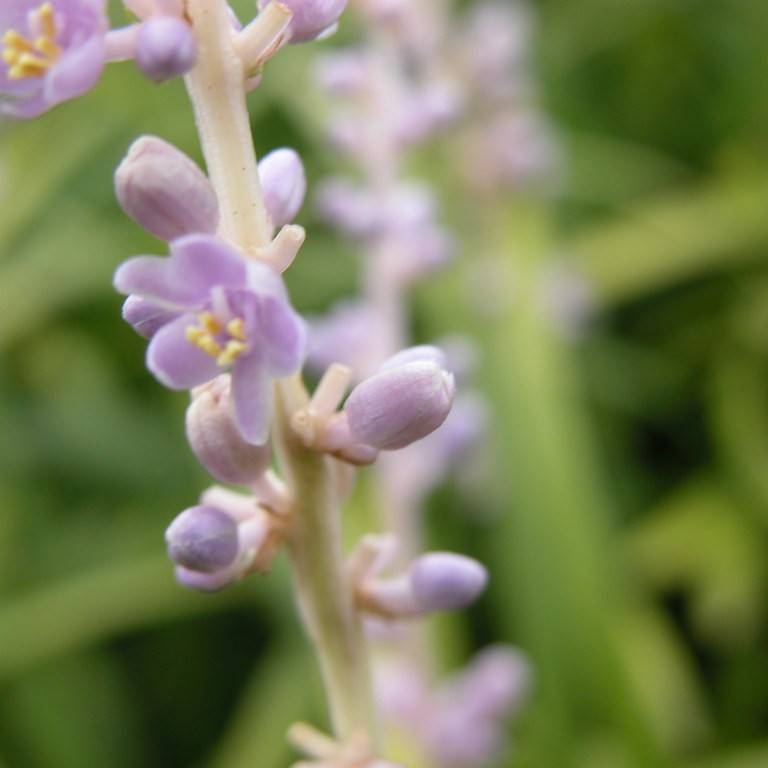
Creeping Liriope
Liriope spicata