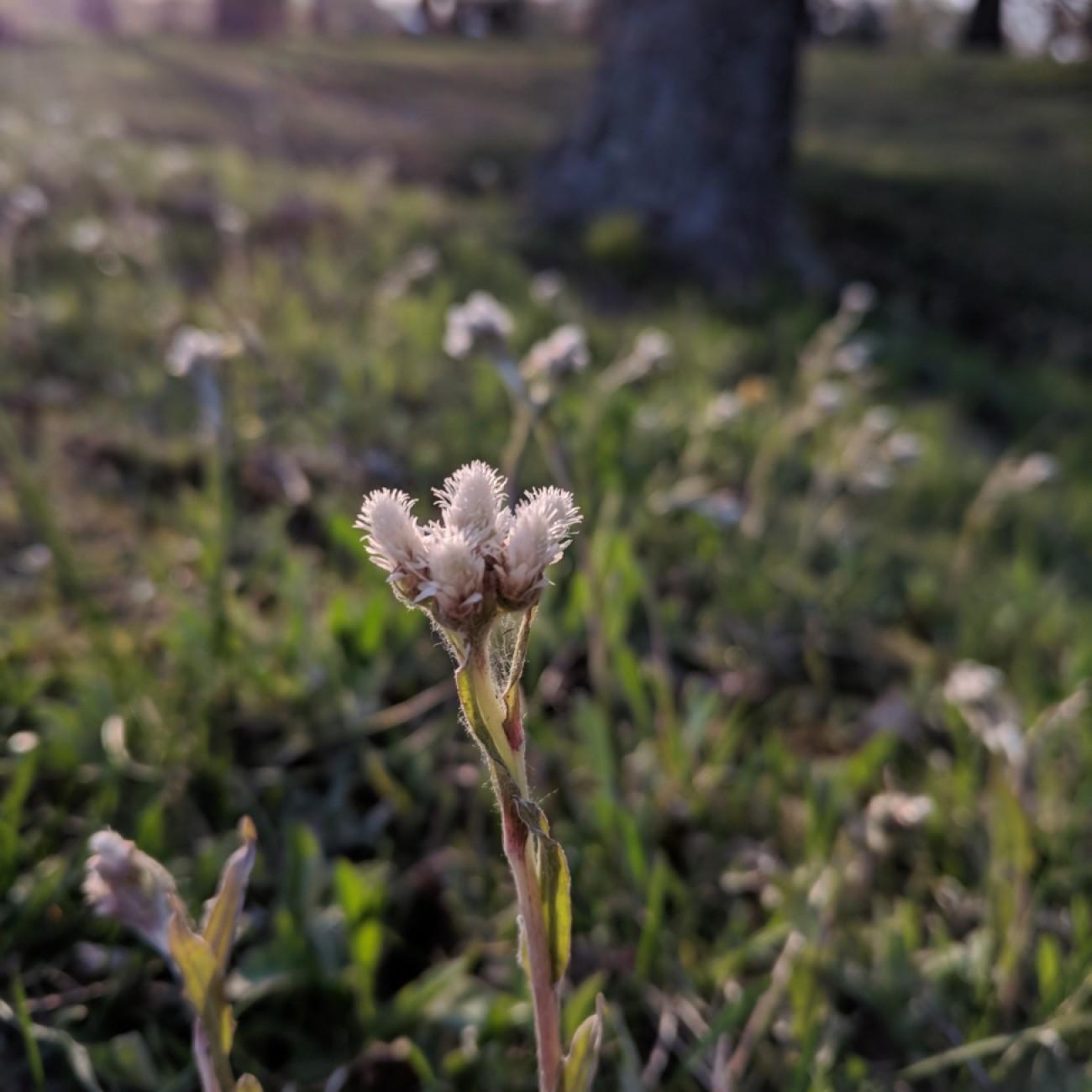
Howell's Pussytoes
Antennaria howellii
Overview
Howell's Pussytoes is a drought-tolerant, clumping ground cover native to open meadows, rocky slopes, and dry coniferous forests across western North America. Its soft, silvery-gray, woolly leaves form dense evergreen mats that spread slowly via above-ground runners called stolons. In spring, slender stalks rise above the foliage bearing clusters of small, fuzzy white flower heads that look like the padded paws of a cat, giving the plant its common name. It is often used as a low-maintenance native ground cover in xeriscapes and pollinator gardens.
Care Guide
Watering
Howell's Pussytoes is highly drought-tolerant once established, requiring only occasional deep watering during prolonged dry spells. Overwatering, especially in heavy, poorly draining soils, will quickly lead to root rot and plant death. Newly planted specimens should be watered lightly once a week for the first 2-3 months to help establish a strong root system.
Light
This species thrives in full sun, receiving at least 6 hours of direct sunlight daily, but will tolerate partial afternoon shade in hotter inland climates. Too much shade will cause the foliage mat to become sparse and leggy, and it will produce far fewer flower stalks. It is well-adapted to the intense sun exposure of high-elevation and coastal rocky habitats.
Soil
Howell's Pussytoes requires sharply drained, low-fertility soil with a neutral to slightly acidic pH. It grows naturally in sandy, gravelly, or rocky soils, and will struggle in heavy clay or rich, organic garden soils that retain moisture. Amending planting sites with coarse sand or fine gravel will improve drainage if native soil is too heavy.
Fertilizer
This plant is adapted to low-nutrient environments and rarely requires fertilization. Excess fertilizer will encourage lush, weak foliage growth that is prone to pest and disease issues, and may reduce flowering. If planted in extremely poor soil, a single light application of balanced, slow-release fertilizer in early spring is sufficient once every 2-3 years.
Temperature
Howell's Pussytoes is cold-hardy in USDA zones 3 through 8, tolerating winter temperatures as low as -40°F (-40°C). It thrives in cool to moderate summer temperatures, and may go partially dormant during extended periods of heat above 90°F (32°C), resuming active growth once temperatures cool. It is tolerant of both coastal and high-elevation temperature fluctuations.
Pruning
Pruning is minimal for Howell's Pussytoes; spent flower stalks can be trimmed back to the foliage mat after blooming to maintain a neat appearance if desired. Every 2-3 years, thin out overcrowded mats in early spring to improve air circulation and reduce the risk of fungal disease. Remove any brown, dead foliage in early spring to make way for new growth.
Propagation
The easiest method of propagation is division of established mats in early spring or fall, when the plant is not actively flowering. Carefully dig up sections of the mat, ensuring each division has both roots and attached stolons, and replant immediately at the same depth it was growing. It can also be grown from seed sown directly outdoors in late fall, as the seeds require a period of cold stratification to germinate.
Humidity
Howell's Pussytoes prefers low to moderate humidity levels, and is well-adapted to the dry air of mountain and inland western habitats. High humidity combined with wet soil significantly increases the risk of foliar fungal diseases. Good air circulation around the foliage is key to preventing issues in more humid growing areas.
Repotting
When grown in containers, Howell's Pussytoes only needs repotting every 3-4 years, once it has completely filled its current pot and growth has slowed. Use a fast-draining cactus or succulent potting mix, and select a pot with ample drainage holes to avoid waterlogging. Repot in early spring, before new growth emerges for the season.
Uses & Symbolism
Howell's Pussytoes is widely used as a low-growing, drought-tolerant native ground cover in xeriscapes, rock gardens, pollinator gardens, and along the edges of pathways, where its dense mat suppresses weed growth. It is a host plant for the American lady butterfly, and its small flowers provide early spring nectar for native bees and other small pollinators. Its soft, silvery foliage is also used in dried flower arrangements for its unique texture and color.
Diseases & Pests
The most common issues for Howell's Pussytoes are fungal diseases such as powdery mildew and root rot, caused by overwatering, poor drainage, or insufficient air circulation. Aphids and spider mites may occasionally infest stressed plants, especially those growing in too much shade or with excessive fertilization. It is largely deer and rabbit resistant, thanks to its fuzzy, unpalatable foliage.
Related plants
Other plants you might like if you grow Howell's Pussytoes.
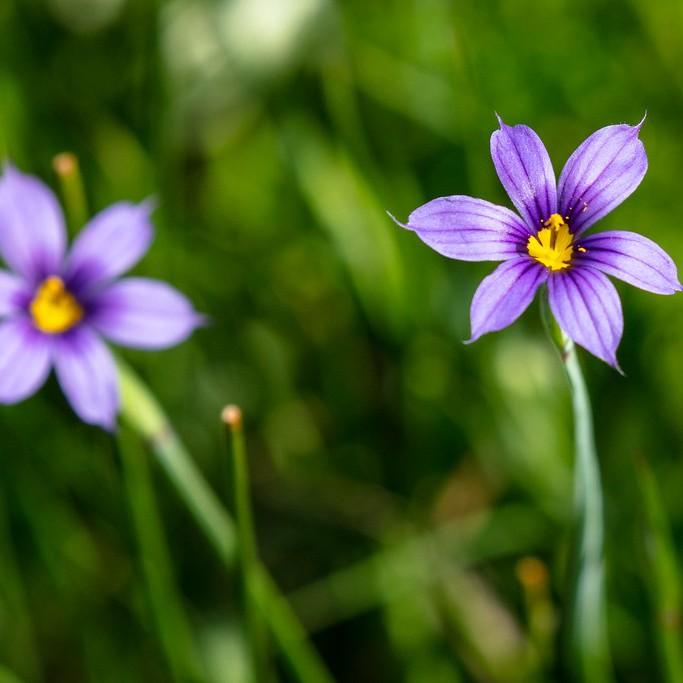
Blue Eyed Grass
Sisyrinchium campestre
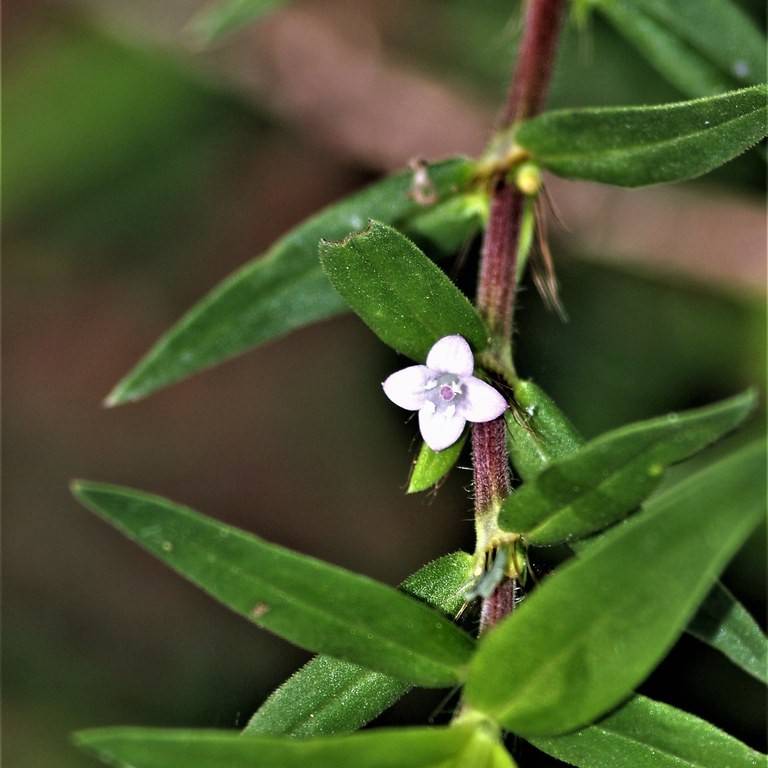
Diamondflowers
Stenaria nigricans
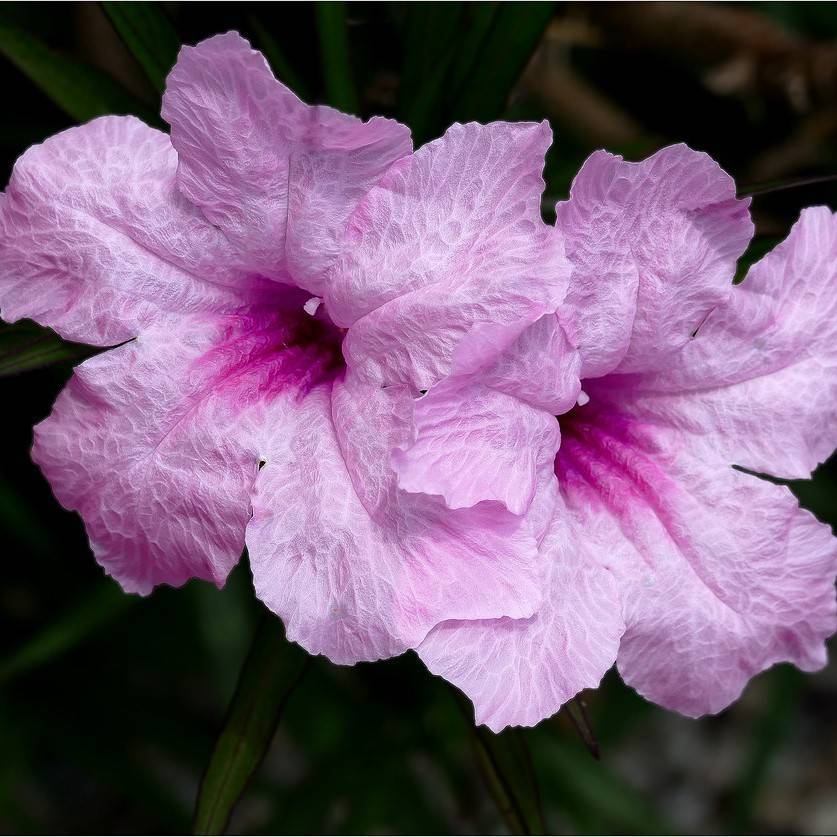
Dwarf Ruellia
Ruellia simplex 'Katie'
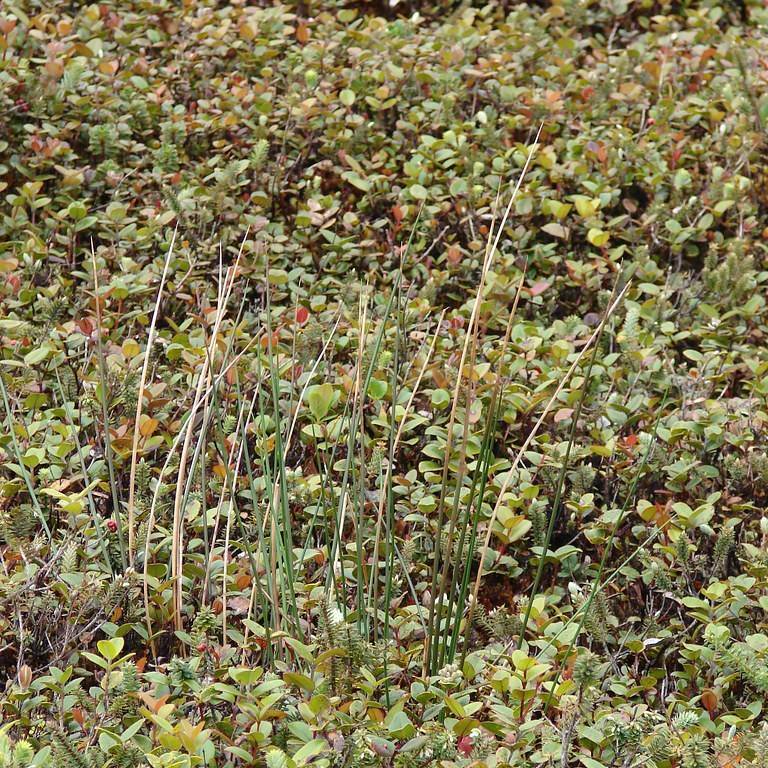
Dwarf Mat Rush
Lomandra confertifolia subsp. pallida 'Little Con'
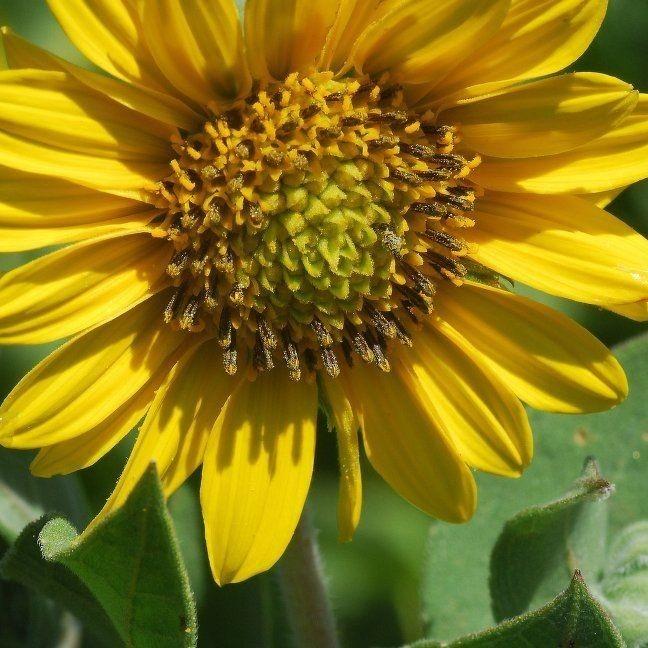
Ashy Sunflower
Helianthus mollis
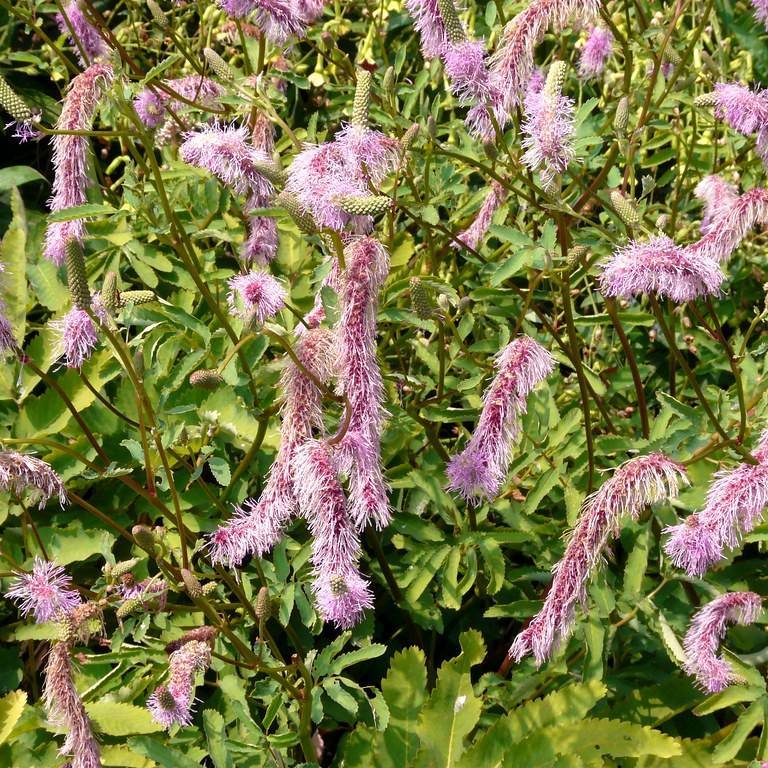
Bottlebrush
Callistemon citrinus
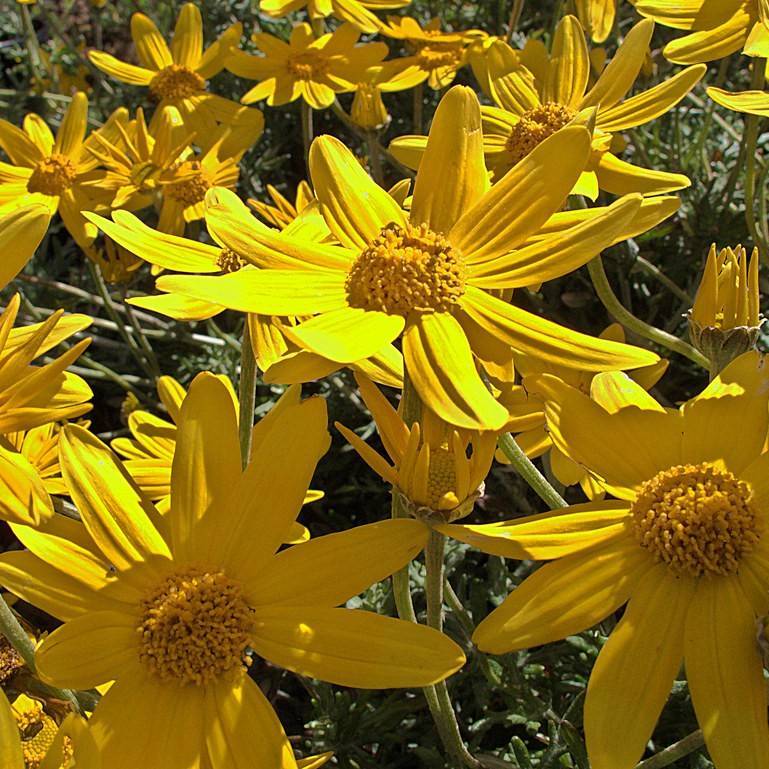
Common Woolly Sunflower
Eriophyllum lanatum
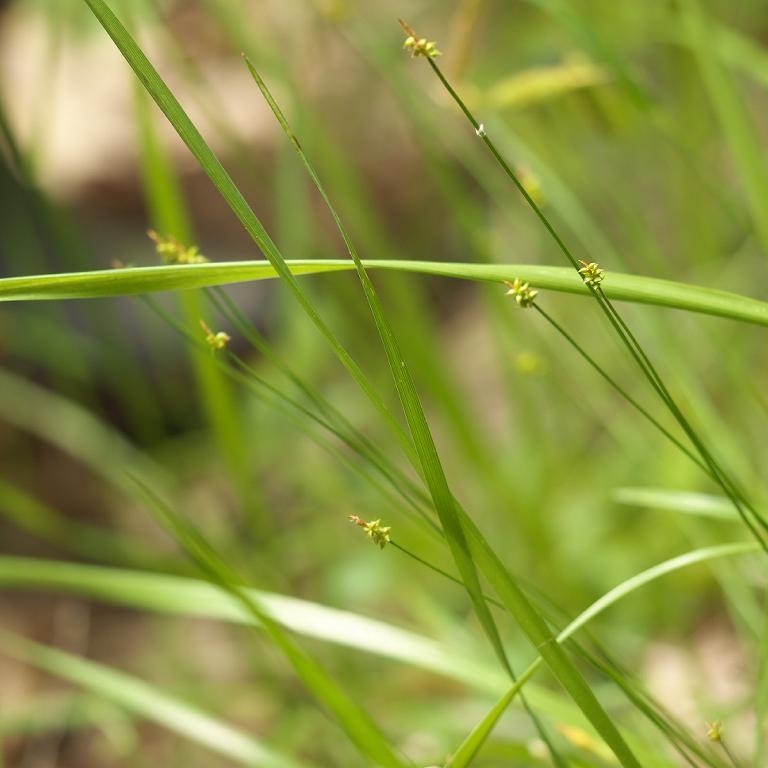
Appalachian Sedge
Carex appalachica