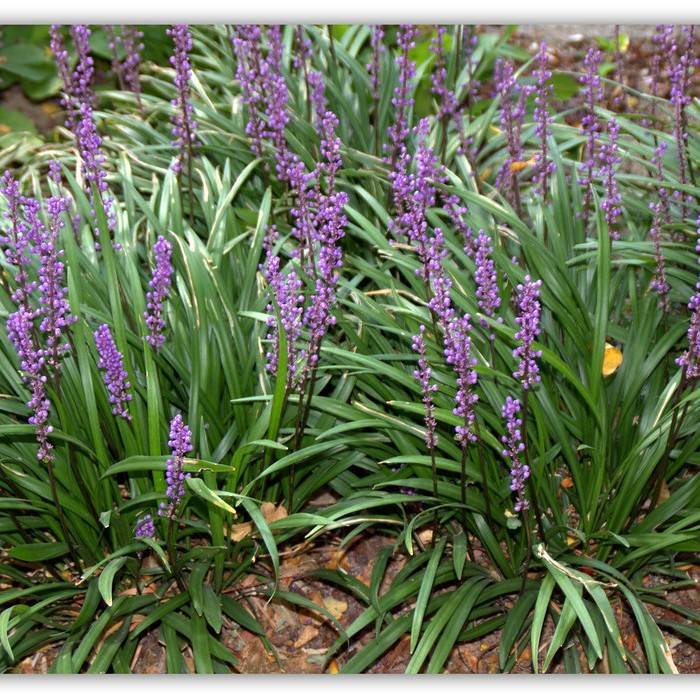
Big Blue Lilyturf
Liriope muscari 'Big Blue'
Overview
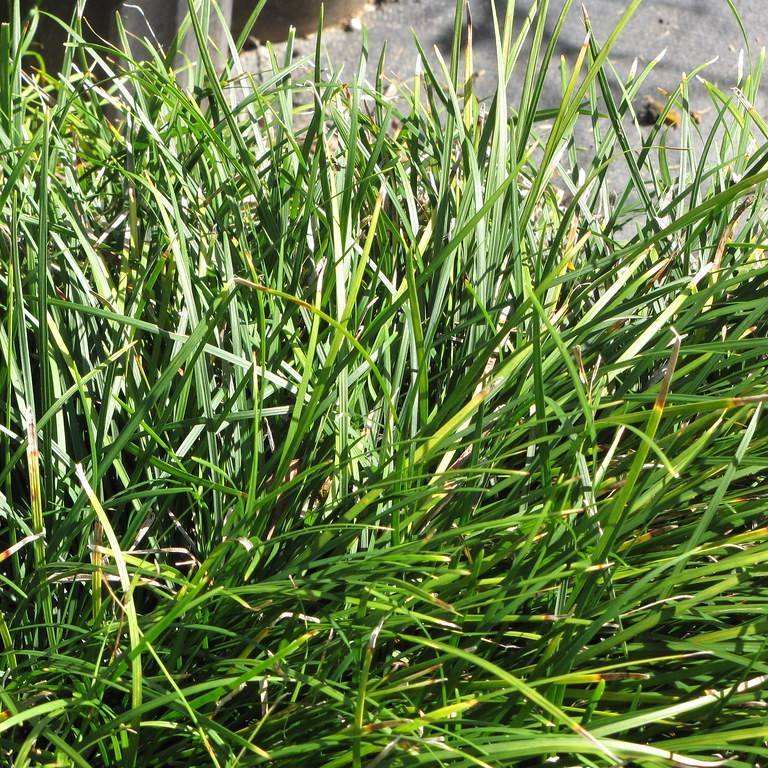
Big Blue Lilyturf is a popular cultivar of Liriope muscari, prized for its dense, tufted growth habit and showy floral displays. Its dark green, strap-like leaves persist year-round in mild climates, providing consistent ground cover even in partial shade. In late summer, it produces upright spikes of small, bell-shaped violet-blue flowers that give way to glossy black berries in fall. It tolerates a wide range of growing conditions, making it a versatile choice for landscape borders, underplanting, and erosion control.
Care Guide
Watering
Water newly planted Big Blue Lilyturf regularly to keep soil evenly moist for the first growing season, helping it establish a robust root system. Once established, it is drought-tolerant, requiring only occasional deep watering during extended dry periods; avoid overwatering to prevent root rot. Reduce watering in winter when growth slows, allowing the top 2 inches of soil to dry out between sessions.
Light
Thrives in partial to full shade, making it ideal for planting under trees or in north-facing landscape spots. It can tolerate full sun in cooler climates, but prolonged direct sunlight in hot regions may scorch leaf tips and reduce flowering intensity. For the most abundant blooms and healthiest foliage, provide dappled sunlight or 2-4 hours of morning sun daily.
Soil
Adaptable to most well-draining soil types, including sandy, loam, and clay soils, as long as standing water does not accumulate. It prefers a slightly acidic to neutral pH range of 6.0 to 7.0, but can tolerate mildly alkaline conditions as well. Amending heavy clay soil with compost or organic matter before planting will improve drainage and support faster establishment.
Fertilizer
Fertilize once annually in early spring, just as new growth emerges, using a balanced, slow-release 10-10-10 granular fertilizer spread evenly around the base of plants. Avoid over-fertilizing, as excess nitrogen can lead to lush foliage growth at the expense of flower production. Container-grown specimens may benefit from a second light feeding in mid-summer if growth appears stunted.
Temperature
Hardy in USDA zones 5 to 10, tolerating winter lows as low as -20°F (-29°C) when established. In cooler zones, a 2-3 inch layer of mulch applied in late fall will protect roots from extreme temperature fluctuations and frost heave. It tolerates high summer heat and humidity well, though leaf scorch may occur if exposed to full sun during heatwaves.
Pruning
Prune in late winter or early spring before new growth emerges, cutting back old foliage to 2-3 inches above the ground to remove dead or damaged leaves and encourage fresh, vibrant growth. Trim back any stray flower spikes after blooming if you prefer a tidier appearance, though leaving spikes in place will allow decorative black berries to form. Divide large, overcrowded clumps every 3-4 years during the dormant season to maintain vigor and prevent overcrowding.
Propagation
Most commonly propagated by division in late winter or early spring, before new growth starts; dig up mature clumps, split them into smaller sections with at least 3-5 leaf shoots and a portion of the root system each, then replant immediately. It can also be grown from seed collected from ripe berries in fall, though seed-grown plants may take 2-3 years to reach flowering size and may not retain the exact characteristics of the parent cultivar. Root division is the preferred method for consistent, true-to-type Big Blue Lilyturf plants.
Humidity
Tolerates a wide range of humidity levels, thriving in the moderate humidity of its native East Asian habitat as well as the drier conditions found in many temperate landscapes. It adapts well to high humidity in subtropical regions, though good air circulation around foliage will help prevent fungal leaf spot issues. No extra humidity is required for outdoor-grown plants, and indoor potted specimens do well with standard household humidity levels.
Repotting
Container-grown Big Blue Lilyturf should be repotted every 2-3 years in early spring, when roots begin to grow through the drainage holes of the pot. Choose a container that is 1-2 inches larger in diameter than the current one, with drainage holes to prevent waterlogging, and use a well-draining general-purpose potting mix amended with a small amount of compost. When repotting, gently loosen tangled roots and remove any dead or rotted root sections to support healthy new growth.
Uses & Symbolism
Widely used as a low-maintenance, weed-suppressing ground cover for shaded landscape areas, border edging, underplanting beneath trees and shrubs, and erosion control on sloped sites. Its evergreen foliage and showy flowers make it a popular choice for container plantings, rock gardens, and mass plantings in commercial landscapes. It is also deer-resistant and salt-tolerant, making it suitable for planting in coastal areas or regions with high deer pressure.
Diseases & Pests
Generally resistant to most pests and diseases, though overwatering or poor drainage can lead to root rot, anthracnose, and fungal leaf spot. Common occasional pests include slugs, snails, and spider mites, which may feed on young foliage in humid, shaded conditions. Scale insects and aphids may also infest stressed plants, but can be controlled with horticultural oil or insecticidal soap applications.
Related plants
Other plants you might like if you grow Big Blue Lilyturf.