Dwarf Mat Rush
Lomandra confertifolia subsp. pallida 'Little Con'
Overview
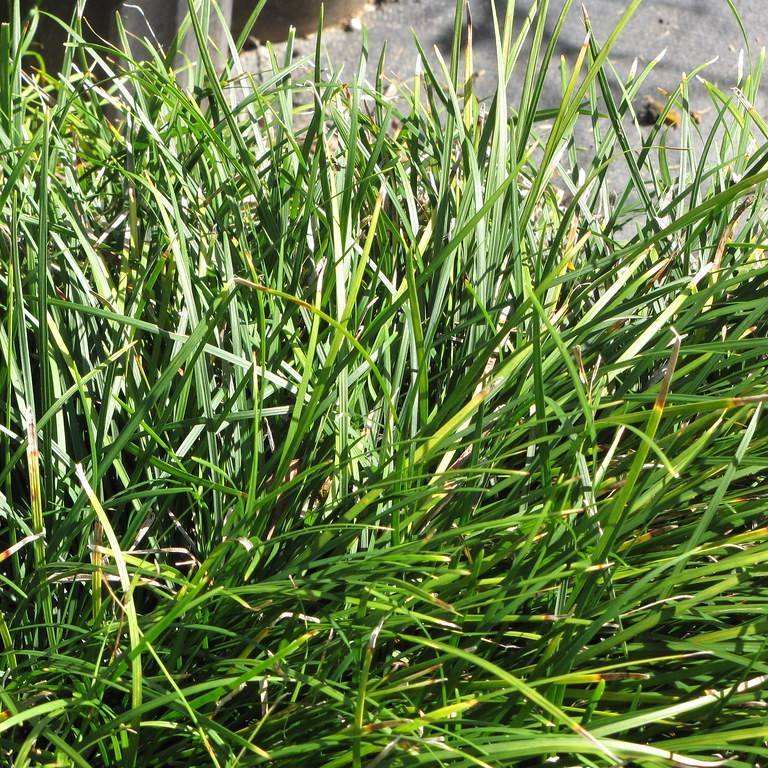
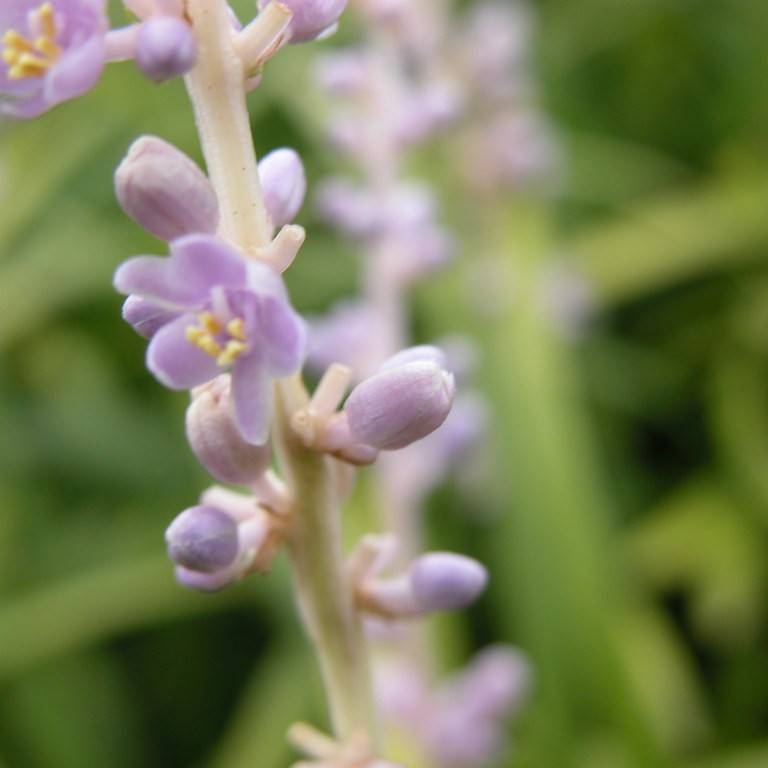
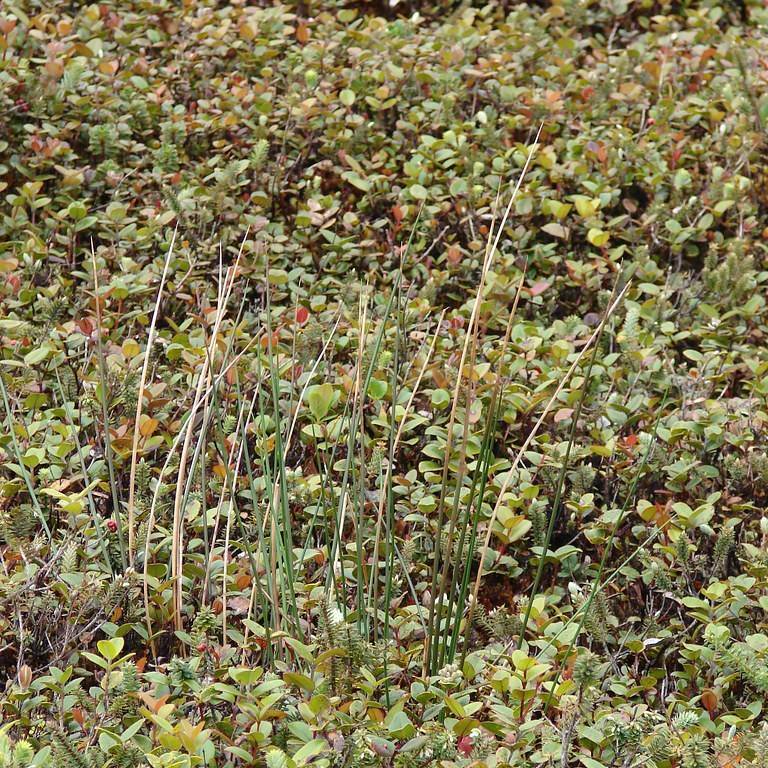
Dwarf Mat Rush is a compact, clumping cultivar of Lomandra confertifolia, prized for its tidy, mat-forming growth habit and rugged adaptability. Its fine, cascading blue-green foliage forms dense, low mounds that retain their color year-round, even in harsh, dry conditions. Though primarily grown for foliage, it produces small, inconspicuous creamy-yellow flower spikes in spring that are attractive to native pollinators.
Care Guide
Watering
Dwarf Mat Rush is extremely drought-tolerant once established, requiring only occasional deep watering during extended dry periods; overwatering, especially in poorly draining soil, can lead to root rot. Newly planted specimens need regular, light watering for the first 2-3 months to help establish a robust root system, after which irrigation can be drastically reduced.
Light
Thrives in full sun to partial shade, with the most dense, vibrant foliage growth occurring in locations that receive at least 4 hours of direct sunlight daily. It can tolerate heavy shade, though growth may become sparser and foliage may lose some of its characteristic blue-green hue in very low-light conditions.
Soil
Adaptable to a wide range of soil types, including sandy, loamy, and clay soils, as long as the site has good drainage; it tolerates mildly acidic to alkaline pH levels. It is highly tolerant of poor, nutrient-deficient soils, making it suitable for rocky, compacted, or low-fertility landscape areas where many other plants struggle to grow.
Fertilizer
Requires very little supplemental feeding; a slow-release, low-phosphorus native plant fertilizer applied once in early spring is sufficient to support healthy growth. Avoid high-phosphorus fertilizers, as they can cause nutrient toxicity in this Australian native species, leading to leaf burn and stunted growth.
Temperature
Hardy in USDA zones 8-11, tolerating temperatures as low as 15°F (-9°C) once established, with minor foliage burn occurring only during extended, severe freezes. It thrives in warm, temperate to subtropical climates, and is highly tolerant of heat, humidity, and coastal salt spray, making it suitable for seaside plantings.
Pruning
Requires minimal pruning; remove any brown, damaged, or dead foliage at the base of the plant in early spring to maintain a tidy appearance. Every 3-4 years, you can cut back the entire clump to 2-3 inches above the soil line in late winter to stimulate fresh, dense new growth and rejuvenate older, leggy specimens.
Propagation
Most commonly propagated by division of mature clumps in early spring, before new growth emerges; simply dig up the entire clump, separate it into smaller sections with a sharp knife, and replant immediately at the same depth as the original plant. It can also be grown from seed, though germination is slow and inconsistent, and seedlings may not retain the exact growth characteristics of the parent cultivar.
Humidity
Tolerates a wide range of humidity levels, from dry inland conditions to high coastal humidity, with no additional humidity requirements for healthy growth. It is not prone to fungal issues in high humidity, as long as it is planted in well-draining soil and receives adequate air circulation around its foliage.
Repotting
When grown in containers, repot every 2-3 years in early spring, moving to a pot only one size larger than the current one to avoid excess soil moisture retention. Use a well-draining, native plant potting mix with no added phosphorus, and ensure the container has sufficient drainage holes to prevent waterlogging at the root zone.
Uses & Symbolism
Widely used as a low-maintenance ground cover, border edging, rock garden plant, or container specimen in water-wise and native Australian landscapes. Its tolerance for coastal conditions and heavy foot traffic makes it popular for roadside plantings, park green spaces, and seaside residential gardens. It also helps prevent soil erosion on sloped sites, and its dense foliage provides shelter for small beneficial insects and native ground-dwelling fauna.
Diseases & Pests
Generally highly pest and disease resistant, with root rot being the most common issue, caused by overwatering or planting in poorly draining soil. Occasional infestations of aphids or scale insects may occur, particularly on stressed plants, which can be treated with insecticidal soap or horticultural oil. In very humid, shaded conditions, minor fungal leaf spot may develop, which can be managed by improving air circulation and avoiding overhead watering.
Related plants
Other plants you might like if you grow Dwarf Mat Rush.