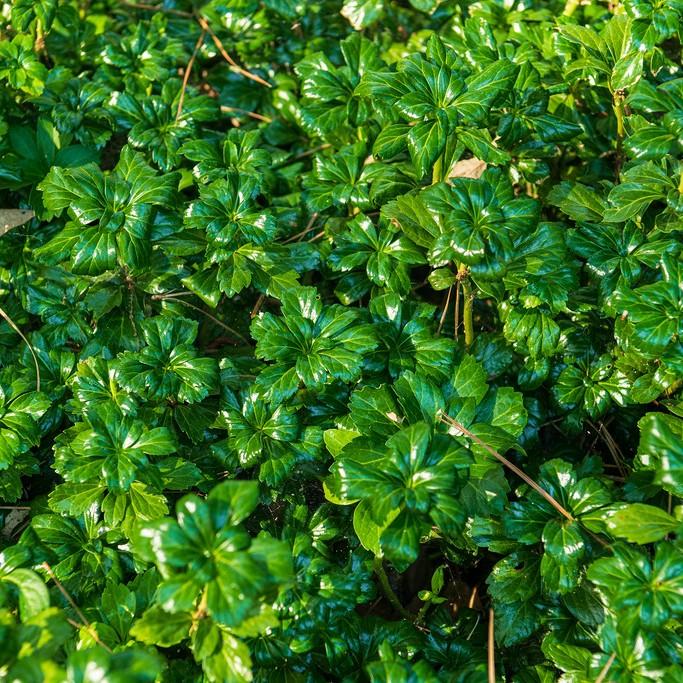
Japanese Pachysandra
Pachysandra terminalis
Overview
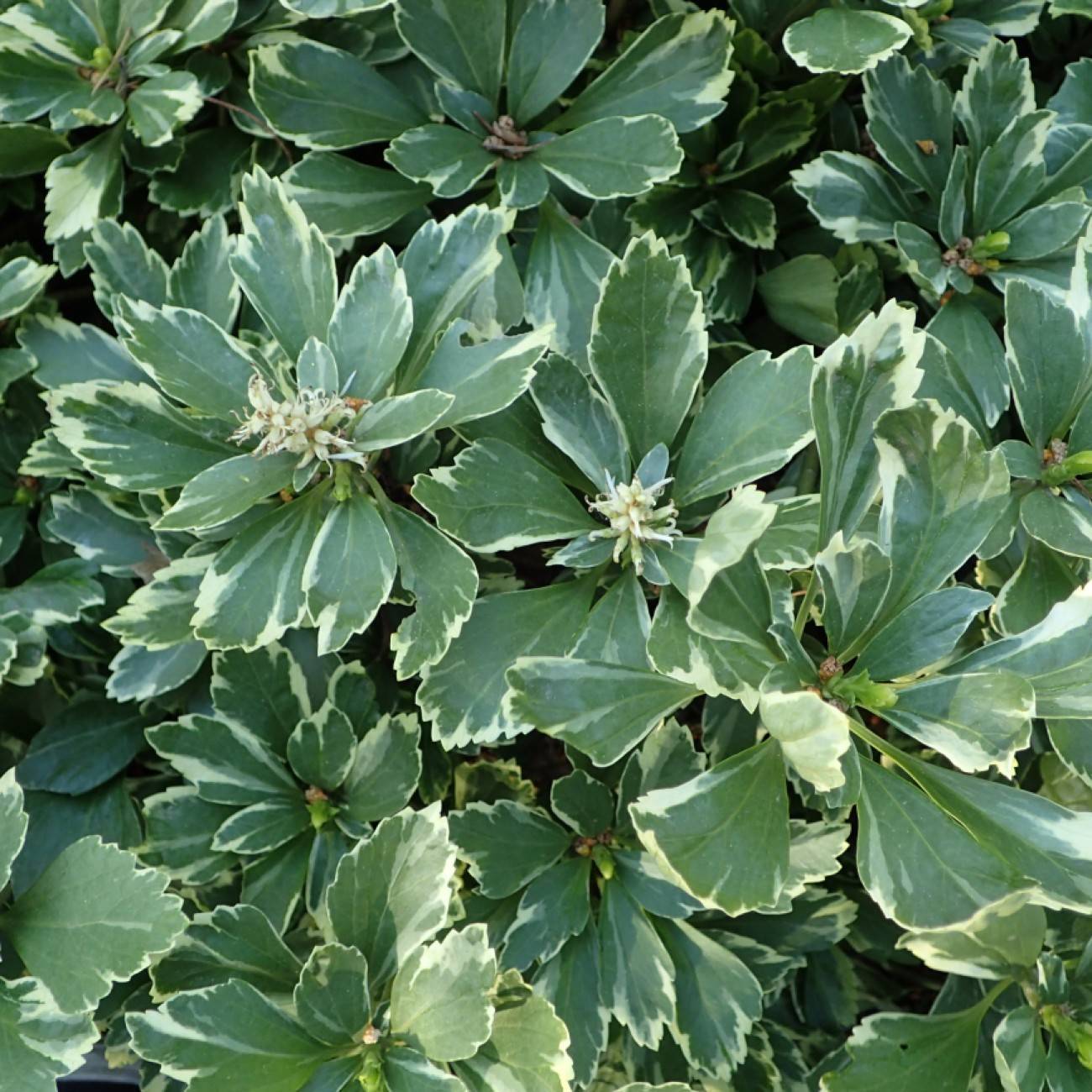
Japanese Pachysandra is a spreading, mat-forming evergreen perennial widely used as a low-maintenance ground cover in shaded landscape areas. It produces small, fragrant white flower spikes in early spring, followed by tiny, non-edible white berries later in the growing season. Its dense, creeping growth habit chokes out weeds, making it a popular choice for underplanting trees, covering steep slopes, or filling in narrow shaded beds where turf grass struggles to grow.
Care Guide
Watering
Water newly planted Japanese Pachysandra regularly to keep the soil consistently moist for the first 1-2 growing seasons until the root system is fully established. Once mature, it is highly drought tolerant, requiring supplemental watering only during extended periods of heat or dryness. Avoid overwatering, as soggy soil can lead to root rot and fungal disease.
Light
Thrives best in partial to full shade, making it ideal for areas of the landscape that receive less than 4 hours of direct sunlight per day. It can tolerate brief periods of morning sun, but prolonged exposure to direct afternoon sun will scorch its leaves, causing yellowing or brown, crispy leaf edges. Dense, full shade supports the healthiest, most lush foliage growth.
Soil
Prefers moist, well-drained, organically rich soil with a slightly acidic to neutral pH range between 5.5 and 7.0. It adapts well to average, poorer quality soils as long as drainage is adequate, but will struggle in heavy, compacted clay soils that hold standing water. Amending planting sites with compost or leaf mold before planting improves soil structure and nutrient content for better establishment.
Fertilizer
Apply a balanced, slow-release granular fertilizer in early spring before new growth emerges to support healthy foliage and spread. Established plants have low nutrient needs, so fertilizing once every 1-2 years is sufficient for most growing conditions. Avoid overfertilizing, as this can lead to excessive, leggy growth and increased susceptibility to pest and disease issues.
Temperature
Hardy in USDA zones 4 through 8, tolerating winter temperatures as low as -30°F (-34°C) without significant damage. In colder northern climates, a light layer of winter mulch can help protect roots from extreme temperature fluctuations and frost heave. It tolerates high summer temperatures well as long as it is planted in shade and receives occasional moisture during heatwaves.
Pruning
Prune or mow Japanese Pachysandra in early spring before new growth appears to remove any winter-damaged foliage and encourage thicker, more compact growth. Cut back overgrown patches that have spread beyond their intended bounds to keep the ground cover contained. Rake away fallen leaves and debris from the mat periodically to improve air circulation and reduce the risk of fungal disease.
Propagation
The easiest method of propagation is by dividing established clumps in early spring or fall, separating rooted sections of the stem mat and replanting them 6-12 inches apart in prepared soil. It can also be propagated from softwood stem cuttings taken in late spring or early summer, rooted in moist potting mix under indirect light. Seeds are rarely used for propagation, as they have low germination rates and take much longer to establish than vegetative cuttings or divisions.
Humidity
Adaptable to a wide range of humidity levels, thriving in the moderate humidity typical of temperate outdoor landscapes. It does not require any special humidity adjustments when grown outdoors, even in drier regional climates. When grown indoors as a potted foliage plant, average household humidity levels between 40% and 60% are sufficient for healthy growth.
Repotting
When grown in containers, repot Japanese Pachysandra every 2-3 years in early spring, moving it to a slightly larger pot with fresh, well-drained potting mix. Choose a container with drainage holes to prevent waterlogging, as excess moisture around the roots will cause rot. Trim back any overgrown roots during repotting to keep the plant compact and encourage new, healthy root growth.
Uses & Symbolism
Japanese Pachysandra is primarily used as a low-maintenance, shade-loving ground cover for residential and commercial landscapes, ideal for filling in areas under trees, along shaded walkways, or on erosion-prone slopes. Its dense, evergreen foliage provides year-round visual interest and serves as an effective weed suppressor, reducing the need for mulch and regular weeding in shaded beds. It is also occasionally grown as a low-growing foliage plant in indoor containers or shaded patio planters.
Diseases & Pests
The most common disease affecting Japanese Pachysandra is Volutella blight, a fungal infection that causes yellowing leaves, stem cankers, and dieback, especially in crowded, poorly ventilated patches with excess moisture. Common pests include scale insects, spider mites, and slugs, which feed on foliage and can cause discoloration or holes in leaves if populations are left unmanaged. Root rot can occur in poorly drained, waterlogged soils, leading to wilting, yellowing, and eventual death of affected plants.
Related plants
Other plants you might like if you grow Japanese Pachysandra.