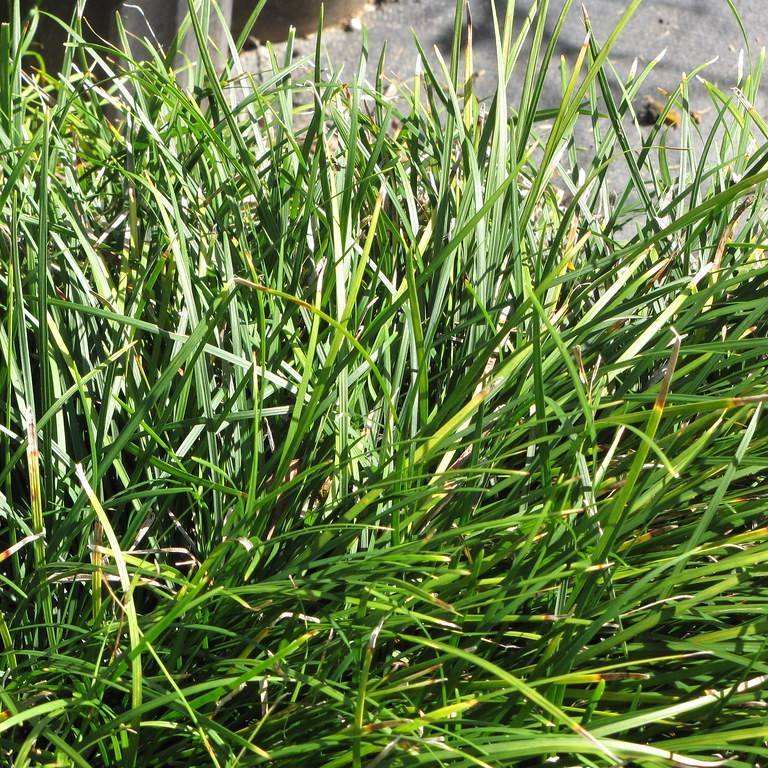
Dwarf Lilyturf
Ophiopogon japonicus
Overview
Dwarf Lilyturf, also called mondo grass, forms dense, clumping mats of narrow, dark green, arching leaves that stay vibrant year-round in mild climates. In mid to late summer, it produces small, pale lavender or white bell-shaped flowers tucked beneath the foliage, followed by glossy, dark blue berry-like fruits in fall. Though it resembles true grasses, it is a member of the asparagus family, valued for its tolerance of shade, foot traffic, and low maintenance requirements. It works well in rock gardens, between stepping stones, as a lawn substitute in low-traffic areas, or as a container edging plant.
Care Guide
Watering
Water newly planted Dwarf Lilyturf regularly to keep the soil consistently moist for the first growing season, helping it establish a deep root system. Once established, it is moderately drought tolerant, requiring supplemental water only during extended dry spells; avoid overwatering or soggy soil to prevent root rot. Reduce watering frequency in winter when growth slows, allowing the top inch of soil to dry out between sessions.
Light
Thrives in partial to full shade, making it ideal for planting under trees or in north-facing landscape spots that receive little direct sunlight. It can tolerate a few hours of morning sun, but intense midday or afternoon sun will scorch its foliage, causing yellowing or browning of leaf tips. When grown indoors, place it in a bright, indirect light location away from direct sun exposure.
Soil
Prefers well-drained, fertile, loamy soil with a slightly acidic to neutral pH range between 5.5 and 7.0. It can adapt to a range of soil types, including sandy or clay soils, as long as they do not stay waterlogged for long periods. Amending heavy soils with compost or organic matter before planting will improve drainage and provide nutrients to support healthy growth.
Fertilizer
Feed established plants once a year in early spring with a balanced, slow-release granular fertilizer formulated for landscape perennials, following package dosage instructions to avoid over-fertilization. Container-grown specimens benefit from a diluted liquid balanced fertilizer applied every 4 to 6 weeks during the active spring and summer growing season. Skip fertilization entirely in fall and winter when the plant is dormant to prevent tender new growth that is vulnerable to cold damage.
Temperature
Grows best in temperate climates with average temperatures between 60-75°F (15-24°C), and is hardy in USDA zones 6 through 10, tolerating winter lows down to -10°F (-23°C) when planted outdoors. In areas with harsh winter cold, apply a 2-inch layer of mulch around the base of the plants to insulate roots from extreme temperature fluctuations. If grown as a houseplant, keep it away from cold drafts from windows or heating vents that can cause leaf desiccation.
Pruning
Prune Dwarf Lilyturf in late winter or early spring before new growth emerges, cutting back the entire clump to 1-2 inches above the soil line to remove tattered, brown foliage and encourage fresh, vibrant new leaves. Throughout the growing season, trim away any yellow or brown leaf blades as needed to maintain a neat appearance, and remove spent flower stalks if desired to improve aesthetic appeal. Avoid heavy pruning after mid-fall, as this can stimulate new growth that will be damaged by incoming cold weather.
Propagation
The most common and reliable propagation method is division, performed in early spring just as new growth begins, by digging up mature clumps and separating them into smaller sections with a sharp knife, each containing healthy roots and foliage, then replanting immediately at the same depth as the original plant. It can also be grown from seed, but seeds require cold stratification for 3-4 months before sowing, and germination is slow and inconsistent, making division far more efficient for home gardeners. New divisions should be watered regularly for the first month to help them establish strong root systems in their new location.
Humidity
Tolerates a wide range of humidity levels, thriving in average outdoor humidity between 40% and 70% that is common in its native growing regions. When grown as a houseplant, it appreciates occasional misting if indoor air is very dry, especially during winter when heating systems reduce ambient moisture, though it will tolerate lower humidity levels without significant damage. Avoid placing it in overly humid, poorly ventilated areas, as this can increase the risk of fungal leaf spot diseases.
Repotting
Container-grown Dwarf Lilyturf only needs repotting every 2-3 years, when it becomes root bound and growth slows, or when water drains straight through the pot without absorbing into the soil. Repot in early spring using a slightly larger pot with drainage holes, filled with a well-draining potting mix amended with perlite or coarse sand to improve drainage, and plant at the same depth as it was in its previous container. After repotting, water thoroughly and place the plant in a shaded location for a week to reduce transplant shock before returning it to its regular growing spot.
Uses & Symbolism
Widely used as a low-maintenance ground cover in shaded landscapes, particularly under trees where lawn grasses struggle to grow, and as an edging plant for walkways, borders, and rock gardens. It is also planted between stepping stones, as it tolerates light foot traffic well, and is a popular choice for container gardens, either as a trailing edging plant or as a standalone low-growing foliage houseplant. In traditional East Asian medicine, its root tubers are used to treat coughs, sore throats, and digestive issues, though consumption is not recommended without guidance from a healthcare professional.
Diseases & Pests
Dwarf Lilyturf is relatively pest and disease resistant, but can be susceptible to root rot if grown in poorly drained, waterlogged soil, which causes yellowing foliage, wilting, and eventual plant death if the soil moisture issue is not corrected. Fungal leaf spot diseases may occur in overly humid, poorly ventilated conditions, presenting as small brown or black spots on foliage, which can be managed by improving air circulation and avoiding overhead watering that wets the leaves. Occasional pests include slugs, snails, and aphids, which feed on young foliage and can be controlled with handpicking, organic bait, or insecticidal soap as needed.
Related plants
Other plants you might like if you grow Dwarf Lilyturf.
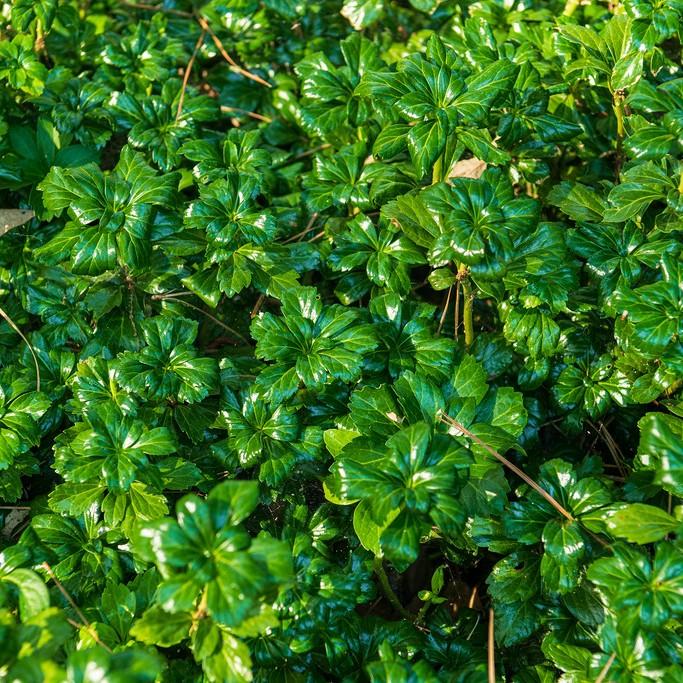
Japanese Pachysandra
Pachysandra terminalis
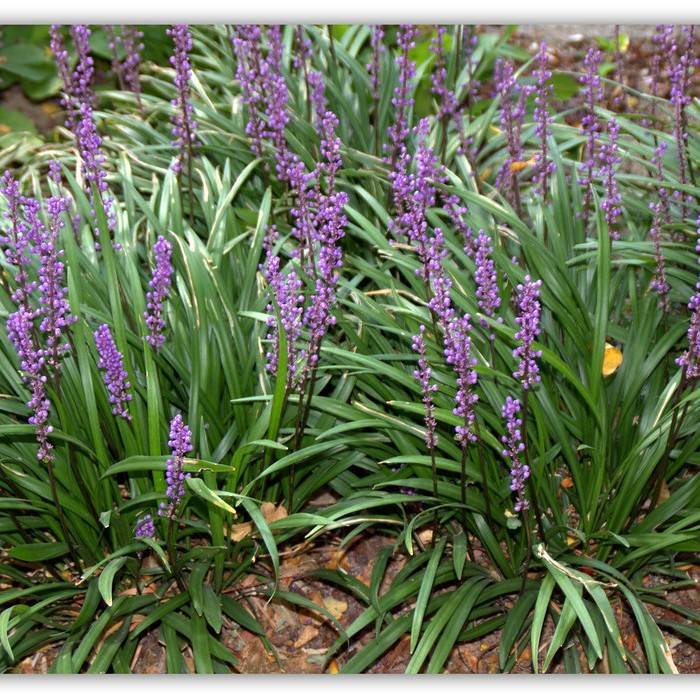
Big Blue Lilyturf
Liriope muscari 'Big Blue'
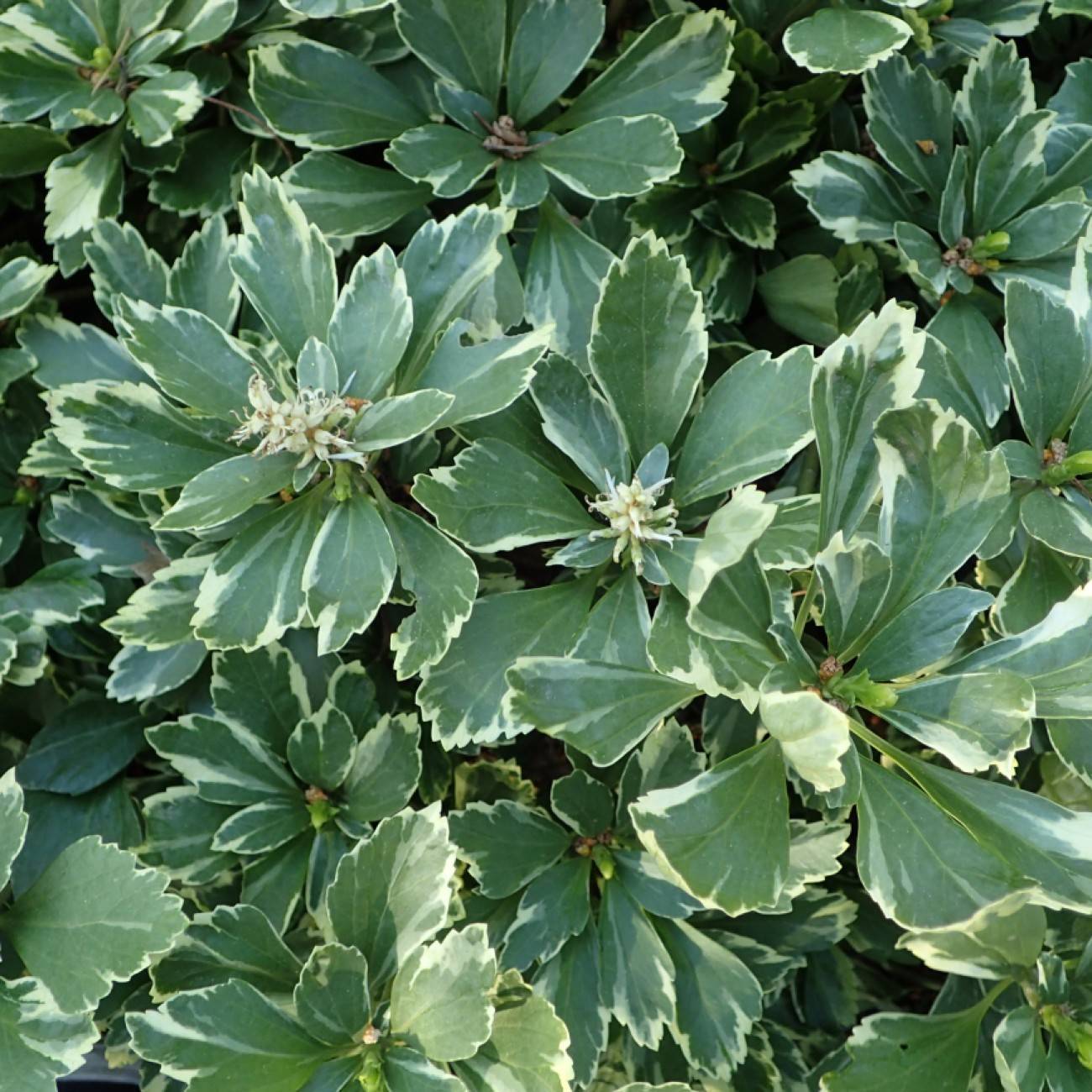
Japanese Spurge
Pachysandra terminalis
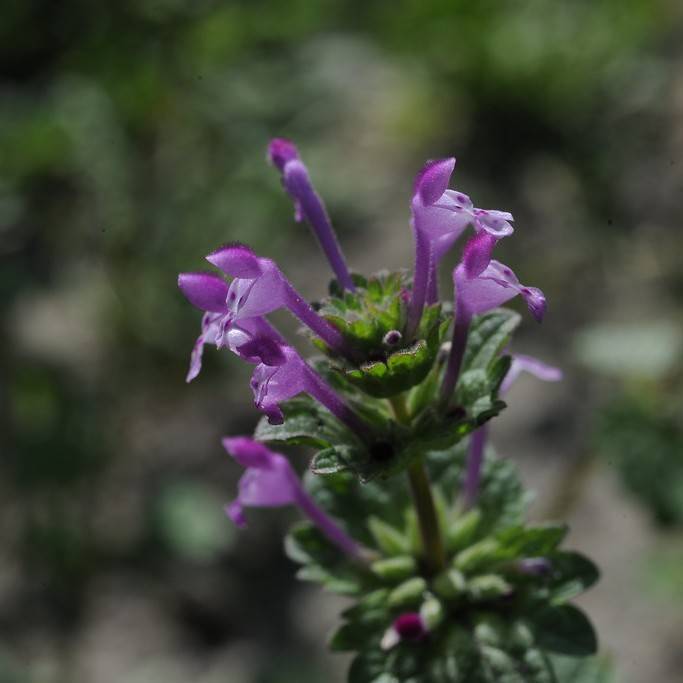
Deadnettle
Lamium maculatum
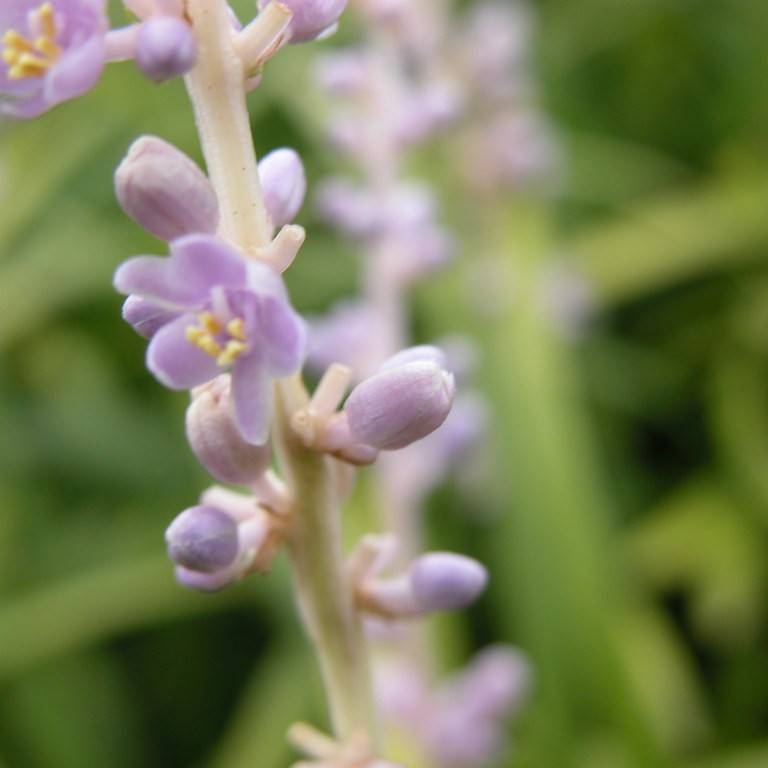
Creeping Liriope
Liriope spicata
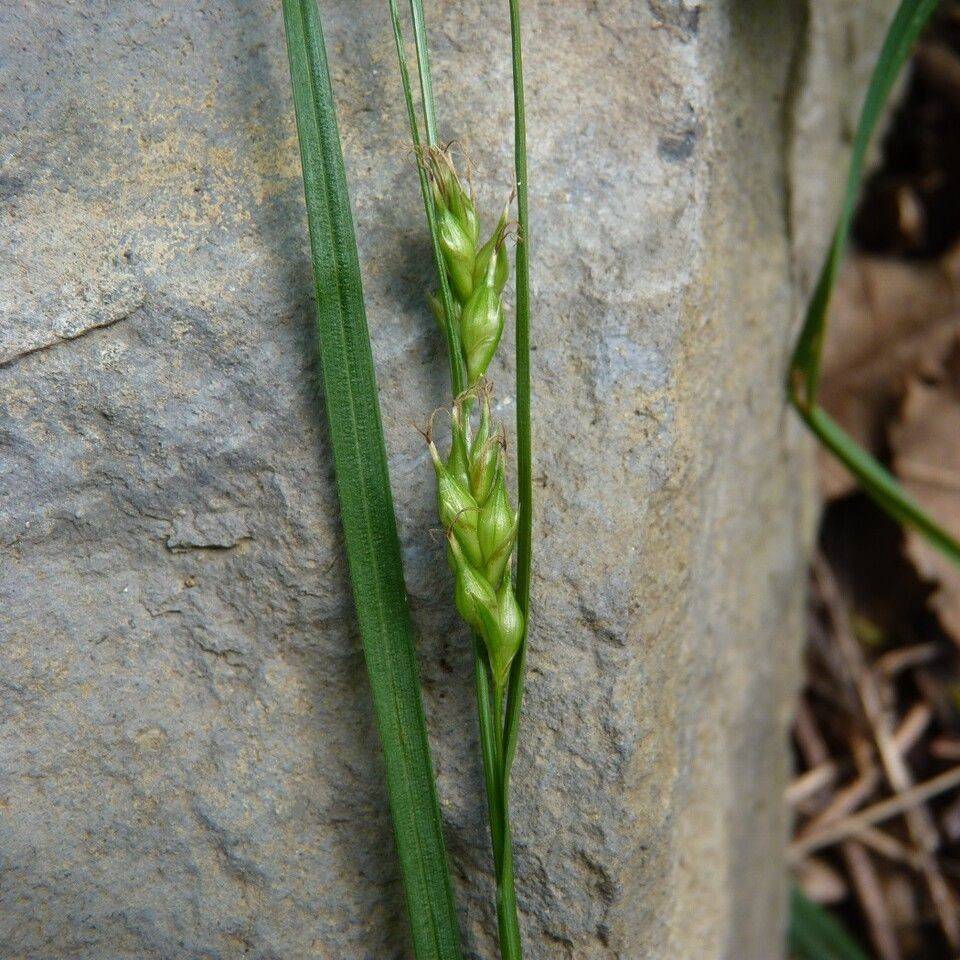
Finely Nerved Sedge
Carex leptonervia
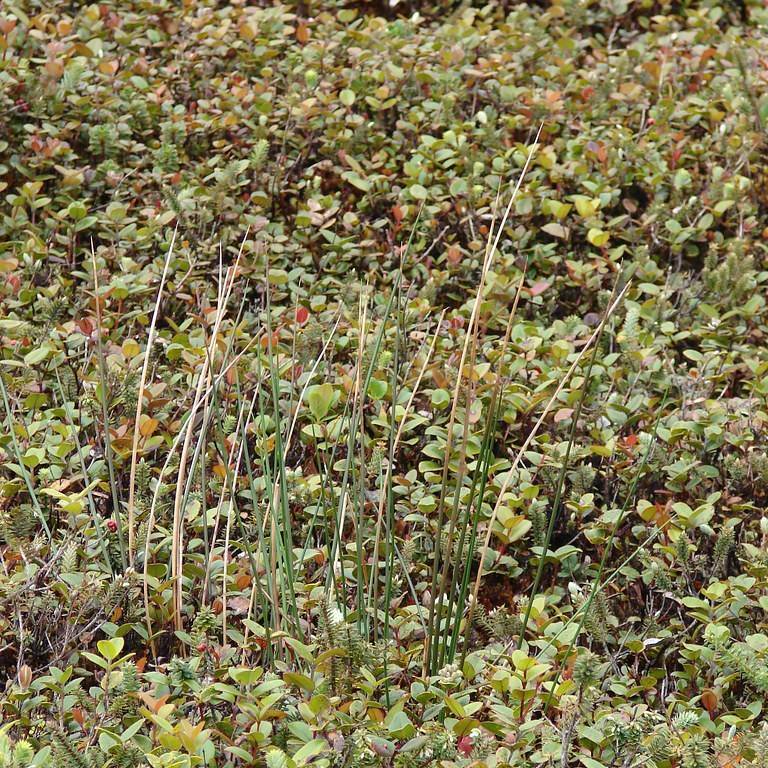
Dwarf Mat Rush
Lomandra confertifolia subsp. pallida 'Little Con'
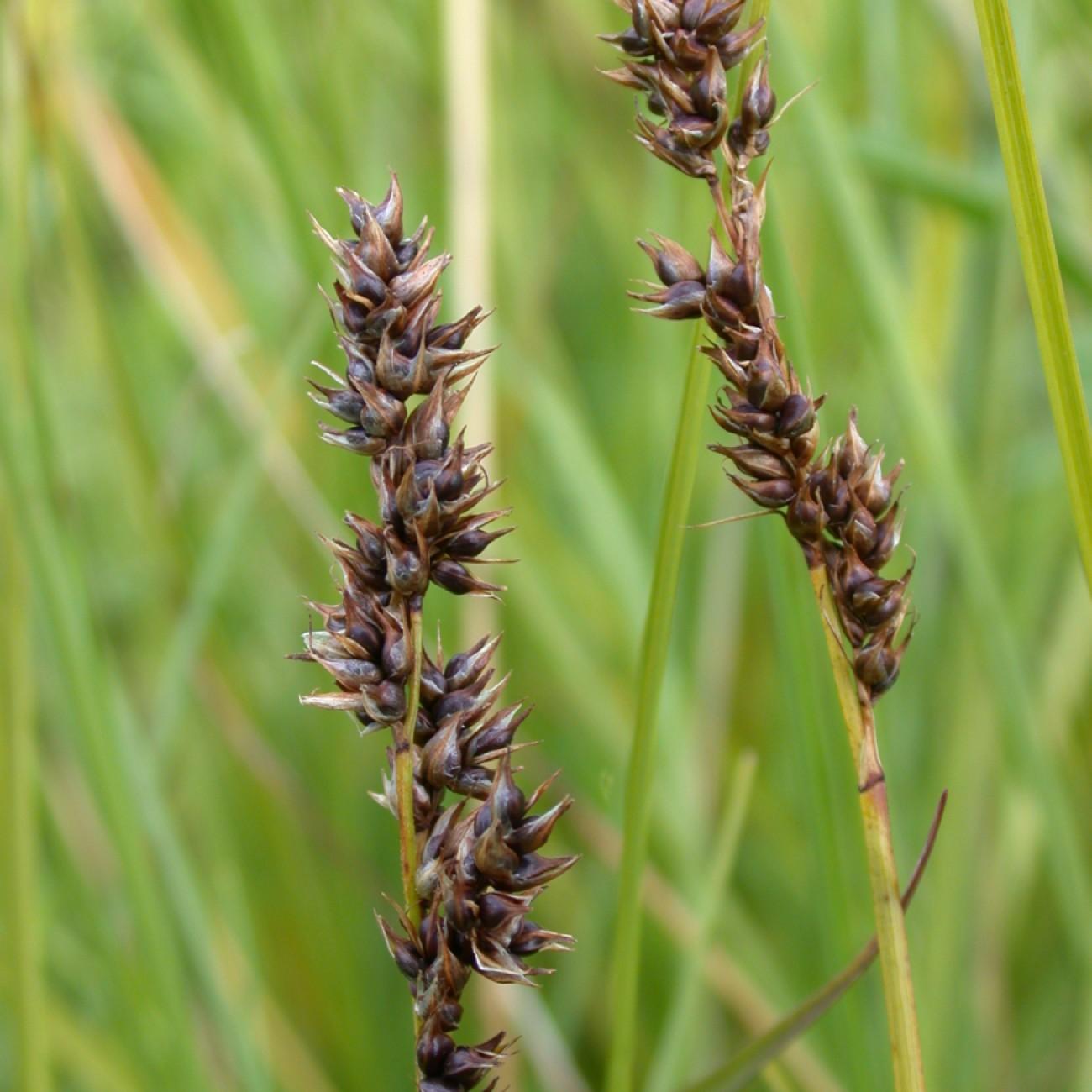
Creeping Sedge
Carex reptabunda