Leea
Leea coccinea
Overview
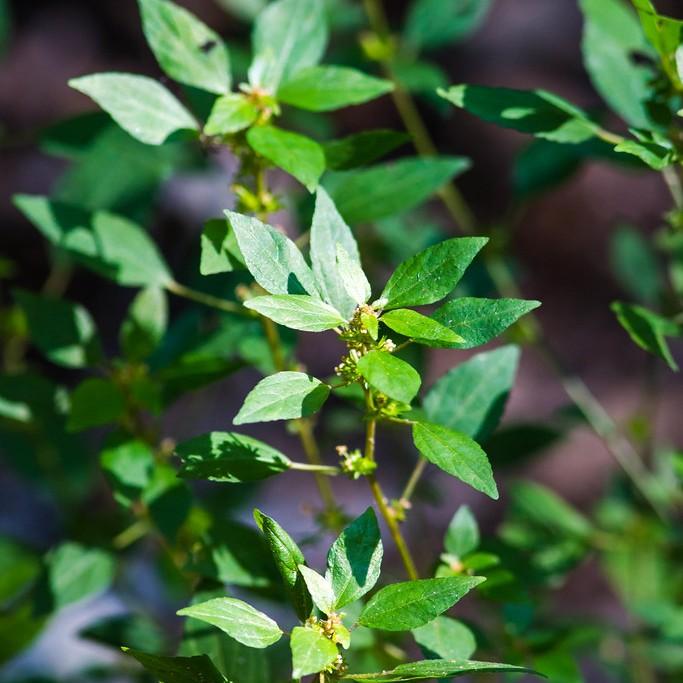
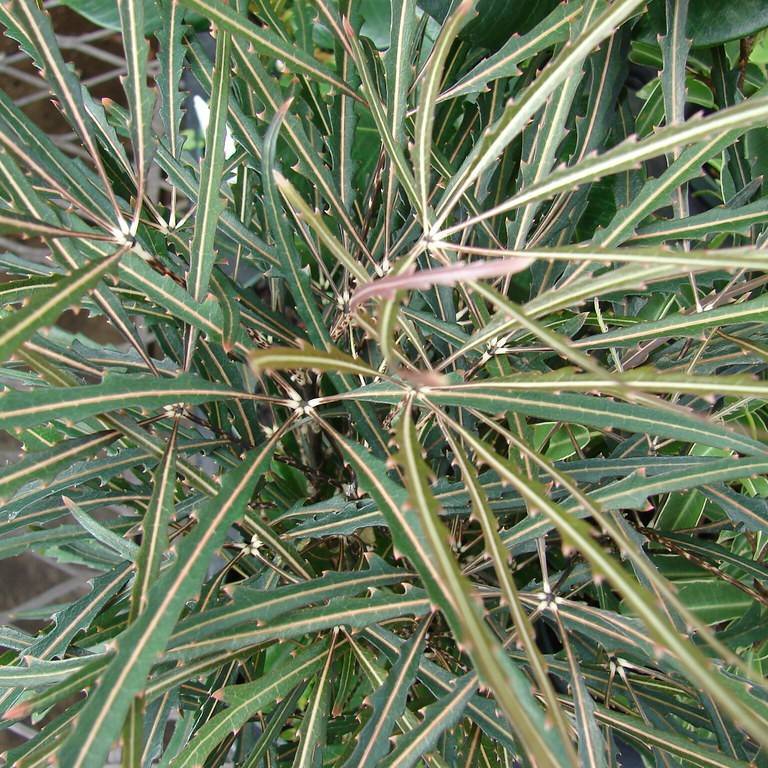
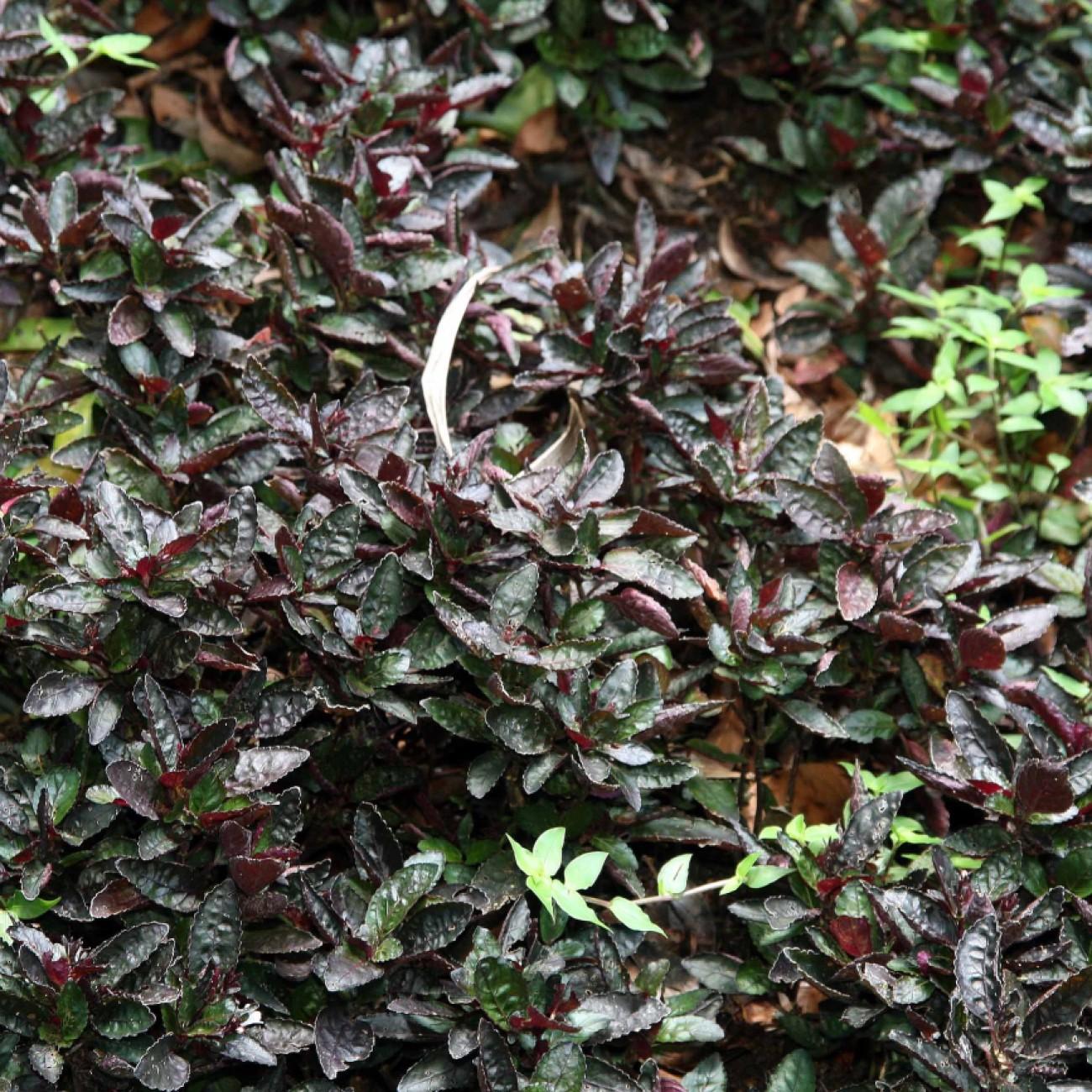
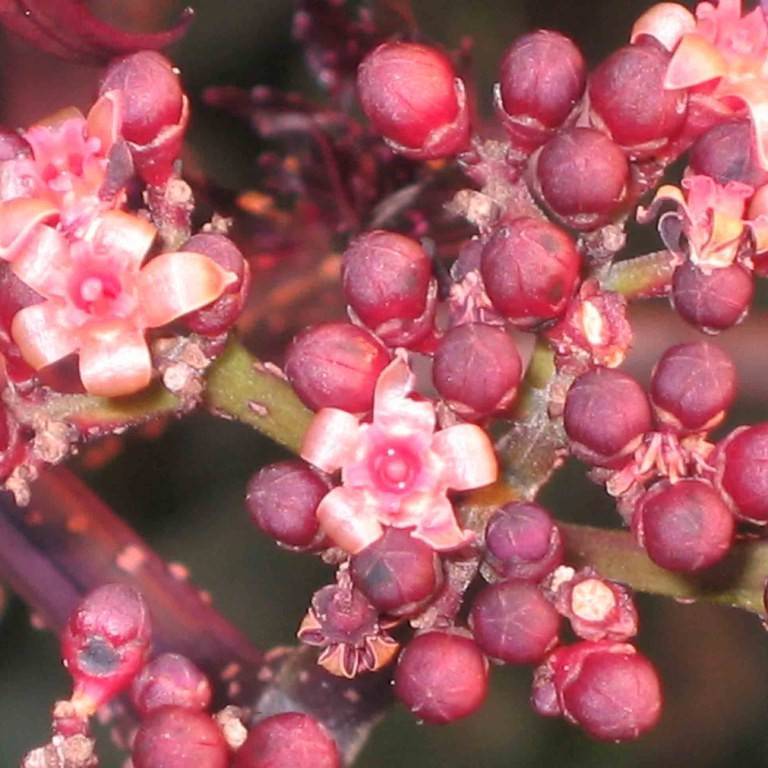
Belonging to the grape family Vitaceae, Leea coccinea is valued for its striking evergreen foliage, which often features bronze, red, or variegated tinges depending on light exposure. It produces dense clusters of tiny, star-shaped red flowers followed by small dark berries, adding seasonal interest to its appearance. Though native to tropical lowland forests, Leea adapts well to container cultivation, making it a popular choice for indoor plant collections seeking bold, tropical texture.
Care Guide
Watering
Water Leea when the top 1-2 inches of soil feels dry to the touch, reducing frequency in the winter months when growth slows. Avoid overwatering and ensure containers have adequate drainage holes to prevent root rot, as soggy soil is one of the most common causes of stress for this plant.
Light
Leea thrives in bright, indirect light; direct midday sun can scorch its delicate foliage, while too little light will cause leggy growth and faded leaf color. Outdoor specimens grow best in partial shade, while indoor plants can be placed near east or west-facing windows filtered by a sheer curtain.
Soil
Plant Leea in a rich, well-draining potting mix with a slightly acidic to neutral pH between 6.0 and 7.0. A mix of peat moss, perlite, and pine bark works well to retain moisture without becoming waterlogged, mimicking the loose, organic forest floor soil of its native habitat.
Fertilizer
Feed Leea once a month during the spring and summer growing season with a balanced, water-soluble houseplant fertilizer diluted to half strength. Avoid fertilizing in fall and winter, when the plant enters a period of dormancy and does not require extra nutrients to support new growth.
Temperature
Leea prefers warm temperatures between 65-85°F (18-29°C), consistent with its tropical origins. It is not frost-hardy, and temperatures below 50°F (10°C) will cause leaf drop and potential plant death, so indoor specimens should be kept away from cold drafts and outdoor plants should be brought indoors before the first frost in temperate regions.
Pruning
Prune Leea in early spring to control its size, remove dead or yellowing foliage, and encourage bushier, more compact growth. You can pinch back the tips of young stems to promote branching, and cut back any leggy or overgrown stems by up to one-third their length to rejuvenate the plant.
Propagation
Leea is most easily propagated from stem cuttings taken in spring or early summer, when the plant is actively growing. Take 4-6 inch cuttings with at least two sets of leaves, dip the cut end in rooting hormone, and plant in moist, well-draining potting mix, keeping the cutting warm and humid until roots develop in 4-6 weeks.
Humidity
Leea requires moderate to high humidity levels between 50-70% to thrive, as dry air can cause brown leaf tips and stunted growth. Increase humidity around indoor plants by placing them on a pebble tray filled with water, using a room humidifier, or grouping them with other tropical plants to create a microclimate of higher moisture.
Repotting
Repot young Leea plants annually in spring, moving them to a pot one size larger than their current container to accommodate their fast growth during the first few years. Mature plants only need repotting every 2-3 years, or when roots begin to grow out of the drainage holes, and should be repotted with fresh potting mix to replenish nutrients.
Uses & Symbolism
Leea is widely grown as an ornamental foliage plant for indoor collections and shaded outdoor garden beds in warm, frost-free climates, where it adds bold tropical texture to landscape designs. In its native range, some Leea species have traditional medicinal uses for treating wounds, fever, and digestive ailments, though these uses are not widely adopted in modern Western herbalism. Its dense, bushy growth habit also makes it a useful low hedge or screening plant in tropical landscapes.
Diseases & Pests
Leea is relatively pest-resistant, but it can be susceptible to common houseplant pests including spider mites, mealybugs, and aphids, especially in dry, low-humidity conditions. Overwatering and poor drainage often lead to root rot, a fungal disease that causes yellowing leaves, wilting, and eventual plant death if not addressed quickly. Leaf spot diseases may also occur if foliage remains wet for extended periods, so avoid splashing water on leaves when watering and ensure good air circulation around the plant.
Related plants
Other plants you might like if you grow Leea.