Friendship Plant
Pilea involucrata
Overview
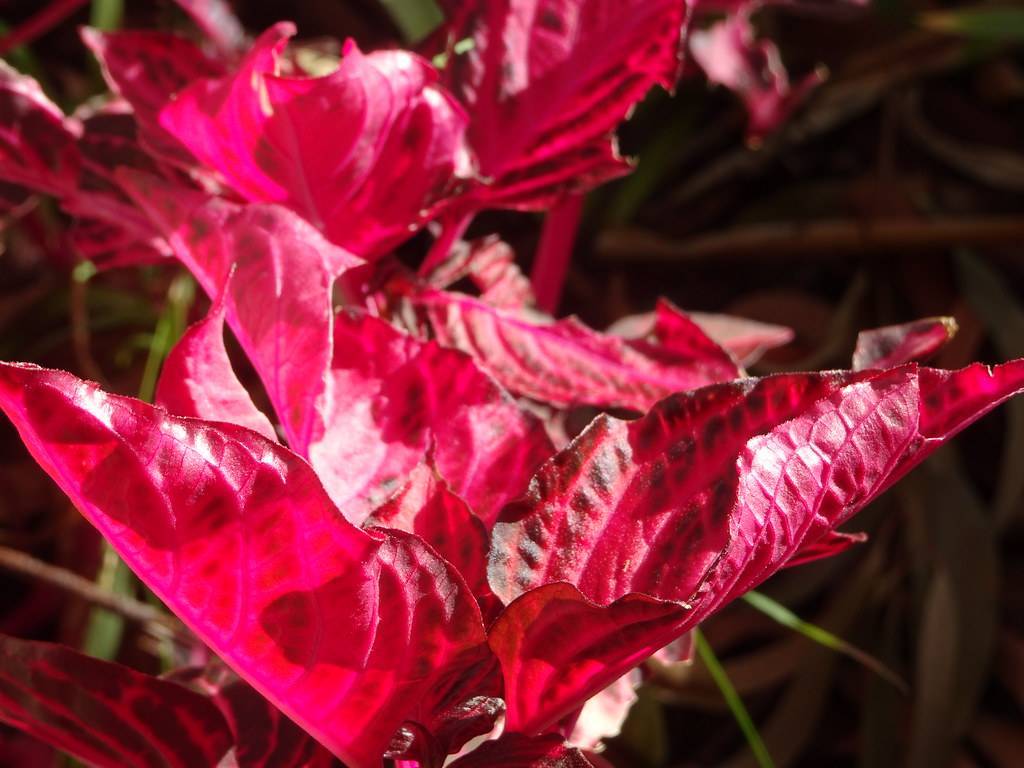
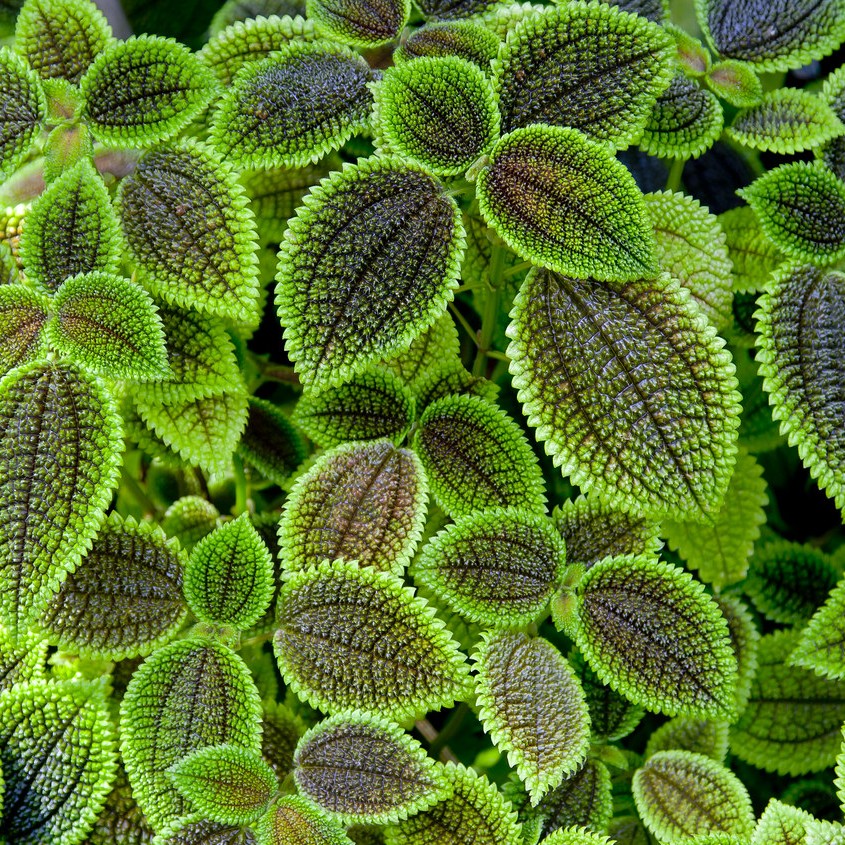
The friendship plant is named for its tendency to produce abundant offsets that are simple to separate and share with others, contributing to its long-standing popularity as a thoughtful plant gift. Its most distinctive feature is its deeply puckered, velvety leaves that feature a bronze-green base color with silver veins and reddish undersides, creating a striking multi-tonal appearance. Native to tropical understory habitats, it thrives in warm, humid conditions and stays relatively compact, making it ideal for tabletops, terrariums, and small indoor spaces.
Care Guide
Watering
Water the friendship plant when the top 1 inch of soil feels dry to the touch, avoiding overwatering that can lead to root rot. Use room-temperature water and pour directly onto the soil rather than over the leaves to prevent fungal spots, and reduce watering frequency during the winter dormant period.
Light
Place the friendship plant in bright, indirect light, such as near a north or east-facing window, to preserve its vibrant leaf coloration without scorching its delicate foliage. Avoid direct midday sun, which will burn the velvety leaves and cause brown, crispy edges, while too little light will lead to leggy, sparse growth and faded leaf patterning.
Soil
Use a well-draining, peat moss-based potting mix with added perlite or vermiculite to improve aeration and moisture retention, matching the loose, organic soil of its native tropical understory habitat. The ideal pH range is slightly acidic, between 6.0 and 7.0, to support healthy root growth and nutrient uptake.
Fertilizer
Feed the friendship plant once a month during the spring and summer growing season with a balanced, water-soluble houseplant fertilizer diluted to half the recommended strength. Do not fertilize during fall and winter, when the plant enters a period of slower growth, as excess nutrients will build up in the soil and damage the roots.
Temperature
Friendship plants prefer consistent temperatures between 65–75°F (18–24°C), which aligns with typical indoor household temperatures. Avoid exposing the plant to temperatures below 55°F (13°C) or sudden drafts from air conditioners, heaters, or open windows, as cold exposure will cause leaf drop and stunted growth.
Pruning
Prune back leggy stems by up to one-third in early spring to encourage bushier, more compact growth and maintain the plant’s neat, mounded shape. Pinch off spent flower spikes as they appear to redirect energy back to foliage production, and remove any yellow or damaged leaves at the base to improve air circulation and prevent disease.
Propagation
The easiest method of propagation is to separate the small offsets or baby plants that grow at the base of the parent plant, potting them directly into their own small containers with fresh potting mix. You can also propagate from 3–4 inch stem cuttings taken in spring or summer, rooting them in either moist potting mix or a jar of clean water before transplanting once roots are 1 inch long.
Humidity
Friendship plants thrive in moderate to high humidity levels between 50–70%, replicating the moist conditions of their native tropical understory. Increase humidity around the plant by placing it on a pebble tray filled with water, grouping it with other houseplants, or running a small humidifier nearby, especially during dry winter months when indoor heating reduces ambient moisture.
Repotting
Repot the friendship plant every 1–2 years in early spring, moving it to a pot only 1–2 inches larger than its current container to avoid excess soil that retains too much moisture. Always use a pot with drainage holes, and gently loosen the root ball before adding fresh potting mix to encourage healthy root expansion.
Uses & Symbolism
The friendship plant is primarily grown as a decorative houseplant, valued for its attractive textured foliage and compact size that works well in terrariums, hanging baskets, tabletop displays, and mixed indoor plant arrangements. Its ease of propagation makes it a popular gift for friends, family, and new plant parents, as the small offsets can be easily potted up and shared as a symbolic, living present. In its native range, it is occasionally grown as a low-growing ground cover in shaded, warm tropical garden beds.
Diseases & Pests
Friendship plants are relatively pest-resistant, but they can be affected by common houseplant pests including aphids, spider mites, and mealybugs, which are best treated with neem oil or insecticidal soap at the first sign of infestation. Overwatering or poor drainage is the most common cause of health issues, leading to root rot, yellowing leaves, and fungal leaf spots, which can be prevented by letting the top layer of soil dry out between waterings and avoiding wetting the foliage during irrigation. Low humidity will cause brown, crispy leaf edges, while insufficient light leads to leggy growth and faded leaf patterning, both of which are easily corrected by adjusting the plant’s placement and environment.
Related plants
Other plants you might like if you grow Friendship Plant.