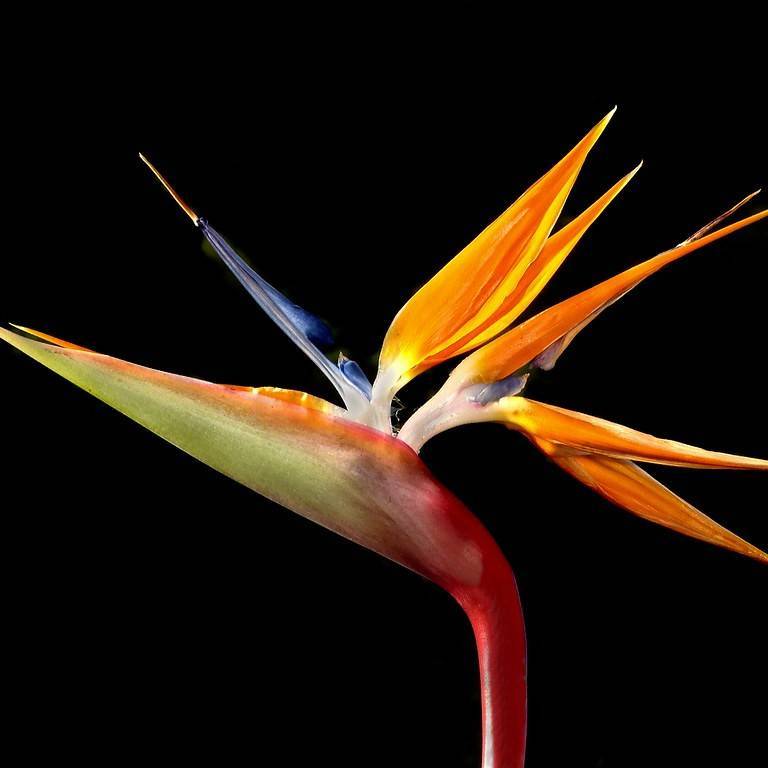
Bird Of Paradise
Strelitzia reginae
Overview
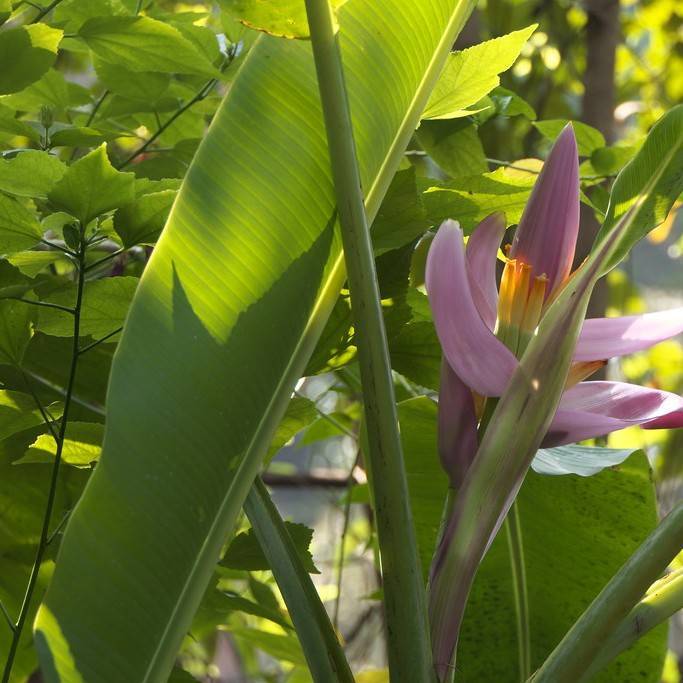
Bird of paradise is a iconic tropical plant recognizable by its large, stiff, banana-like glossy green leaves arranged in a fan shape, and its dramatic inflorescences that mimic the head of a crane in flight. It grows in clumps, producing multiple stems from a central rhizome, and thrives in warm, sunny conditions where it can reach its full mature size. While outdoor specimens bloom reliably in frost-free climates, indoor plants rarely flower, typically grown for their bold, architectural foliage that adds a tropical statement to interior spaces.
Care Guide
Watering
Allow the top 2 to 3 inches of soil to dry out between waterings, reducing frequency in the winter months when growth slows to avoid root rot. Overwatering is the most common issue for indoor bird of paradise; ensure the pot has ample drainage holes and empty any excess water from the saucer after irrigation to prevent soggy soil.
Light
Thrives in bright, indirect light for 6 to 8 hours per day, with a few hours of gentle morning direct sun to support healthy growth and potential flowering. Avoid intense midday direct sun, which can scorch the leaves, while too little light will result in leggy growth, smaller foliage, and no chance of blooming.
Soil
Requires a well-draining, nutrient-rich potting mix with a slightly acidic to neutral pH between 5.5 and 7.0, amended with perlite, orchid bark, or compost to improve aeration and drainage. Avoid heavy, compacted garden soils that hold excess moisture, as these can lead to root rot and stunted growth for the plant’s thick rhizomatous root system.
Fertilizer
Feed with a balanced, water-soluble houseplant fertilizer diluted to half strength every 4 to 6 weeks during the active growing season of spring and summer. Do not fertilize in fall and winter, when the plant is dormant, as this can cause salt buildup in the soil that burns the roots and damages foliage.
Temperature
Prefers average room temperatures between 65 and 80°F (18 and 27°C) for optimal growth, and can tolerate brief dips down to 50°F (10°C) for short periods. Avoid cold drafts from windows, doors, or air conditioning units, as sudden temperature drops can cause leaf browning, curling, and leaf drop.
Pruning
Remove yellowed, brown, or damaged leaves at the base of the stem using clean, sharp pruning shears to improve air circulation and maintain the plant’s tidy appearance. Prune away spent flower stalks at the base after blooming is complete if your plant produces flowers, to redirect energy back to new foliage growth.
Propagation
Most commonly propagated by division during repotting in spring, by carefully separating the rhizome clumps ensuring each division has at least 2 to 3 healthy stems and a portion of the root system to encourage successful establishment. It can also be grown from seed, but seeds require scarification and warm, humid conditions to germinate, and seed-grown plants take 5 to 10 years to reach maturity and produce flowers.
Humidity
Tolerates average household humidity levels between 40 and 60%, but benefits from occasional misting, a pebble tray filled with water, or a humidifier in dry indoor environments to prevent leaf edge browning. High humidity mimics its native tropical habitat, supporting faster growth and lusher, glossier foliage throughout the year.
Repotting
Repot young bird of paradise plants every 1 to 2 years in spring, moving them to a pot only 1 to 2 inches larger than the current one to avoid excess soil that holds unnecessary moisture. Mature plants only need repotting every 3 to 4 years, as they prefer to be slightly root-bound, which can also encourage flowering in mature specimens old enough to bloom.
Uses & Symbolism
Widely grown as a statement houseplant for large indoor spaces such as lobbies, living rooms, and sunrooms, prized for its bold, tropical foliage that adds architectural interest to interior design. In frost-free USDA zones 9 to 12, it is a popular landscape ornamental planted in garden beds, borders, or as a specimen plant, where its long-lasting, vibrant flowers attract pollinators including sunbirds and bees. Its cut flowers are highly valued in the floral industry for their unique shape and long vase life of up to 2 weeks, often used in tropical-themed arrangements and event decor.
Diseases & Pests
Common pests include spider mites, mealybugs, and scale insects, which can be treated with regular neem oil applications, insecticidal soap, or wiping the leaves with a damp cloth to remove infestations before they spread. Root rot is the most prevalent disease, caused by overwatering or poor drainage, and presents as yellowing leaves, mushy stems, and a foul odor from the soil; affected plants should be repotted into fresh, dry soil after trimming away rotted root sections. Leaf spot and fungal blight can occur in overly humid, poorly ventilated conditions, and can be managed by removing affected foliage, improving air circulation around the plant, and avoiding watering directly onto the leaves.
Guides that mention Bird Of Paradise
Bird of Paradise Fertilizer and Soil: A Complete Beginner Care Guide
Learn how to pick the right bird of paradise fertilizer and best soil for bird of paradise plants to help your tropical foliage grow lush, full, and healthy.
How to Care for Bird of Paradise: Watering, Propagation, and Beginner-Friendly Growing Tips
Your complete bird of paradise care guide covers watering schedules, propagation steps, and simple tips to keep your tropical plant thriving indoors or out.
Related plants
Other plants you might like if you grow Bird Of Paradise.