Hemigraphis
Hemigraphis alternata
Overview
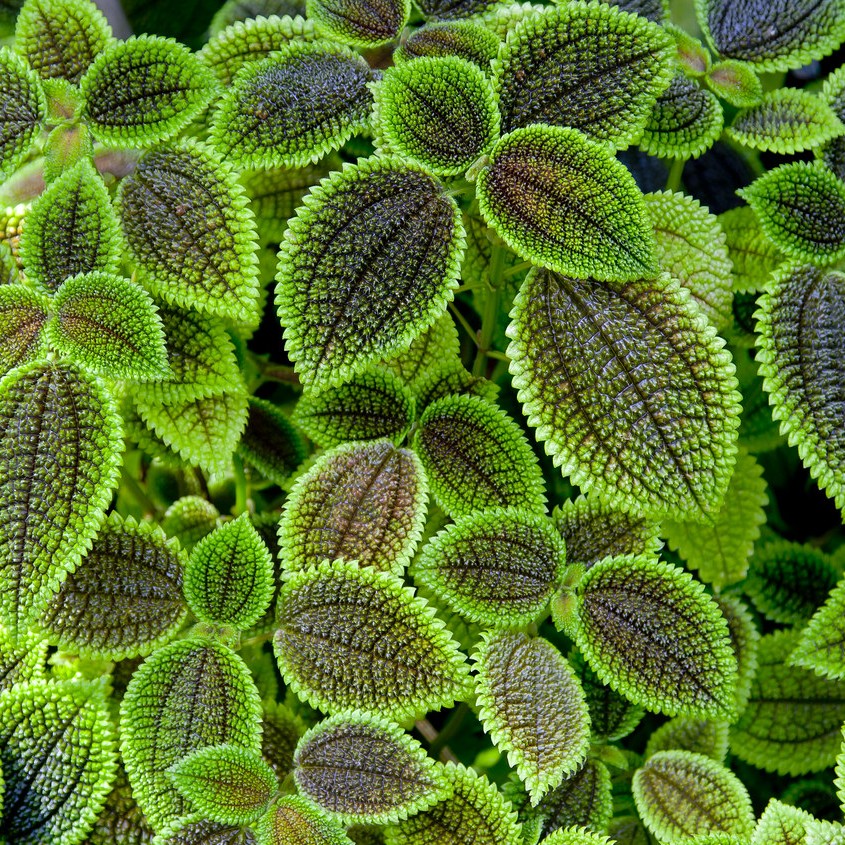
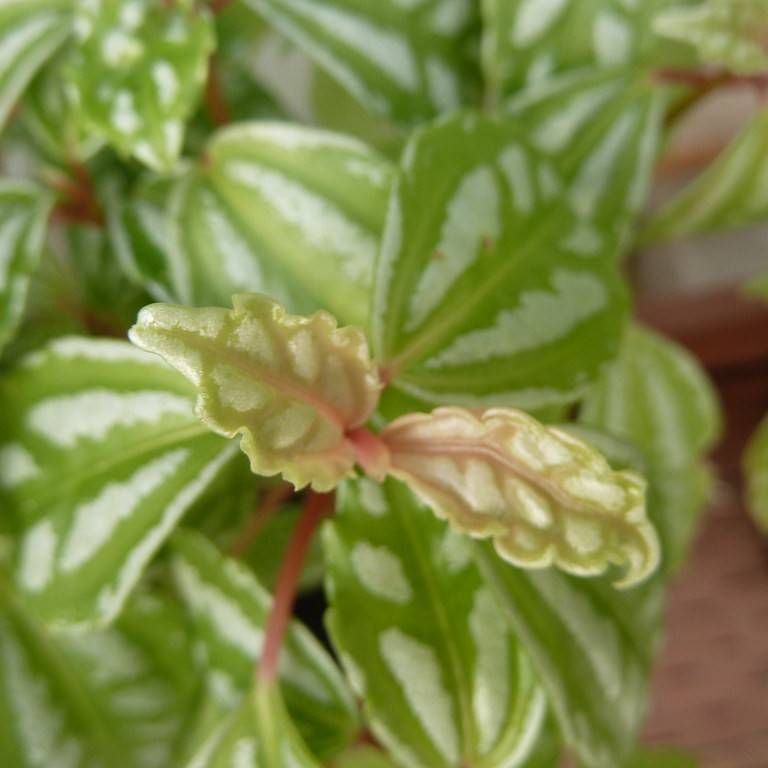
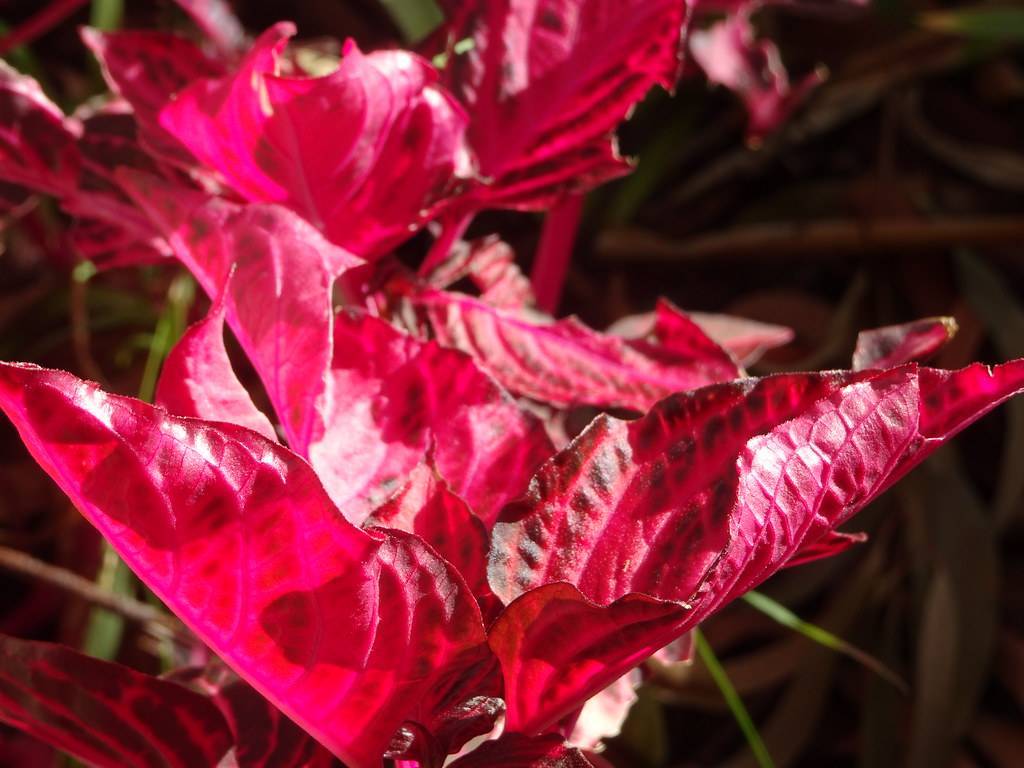
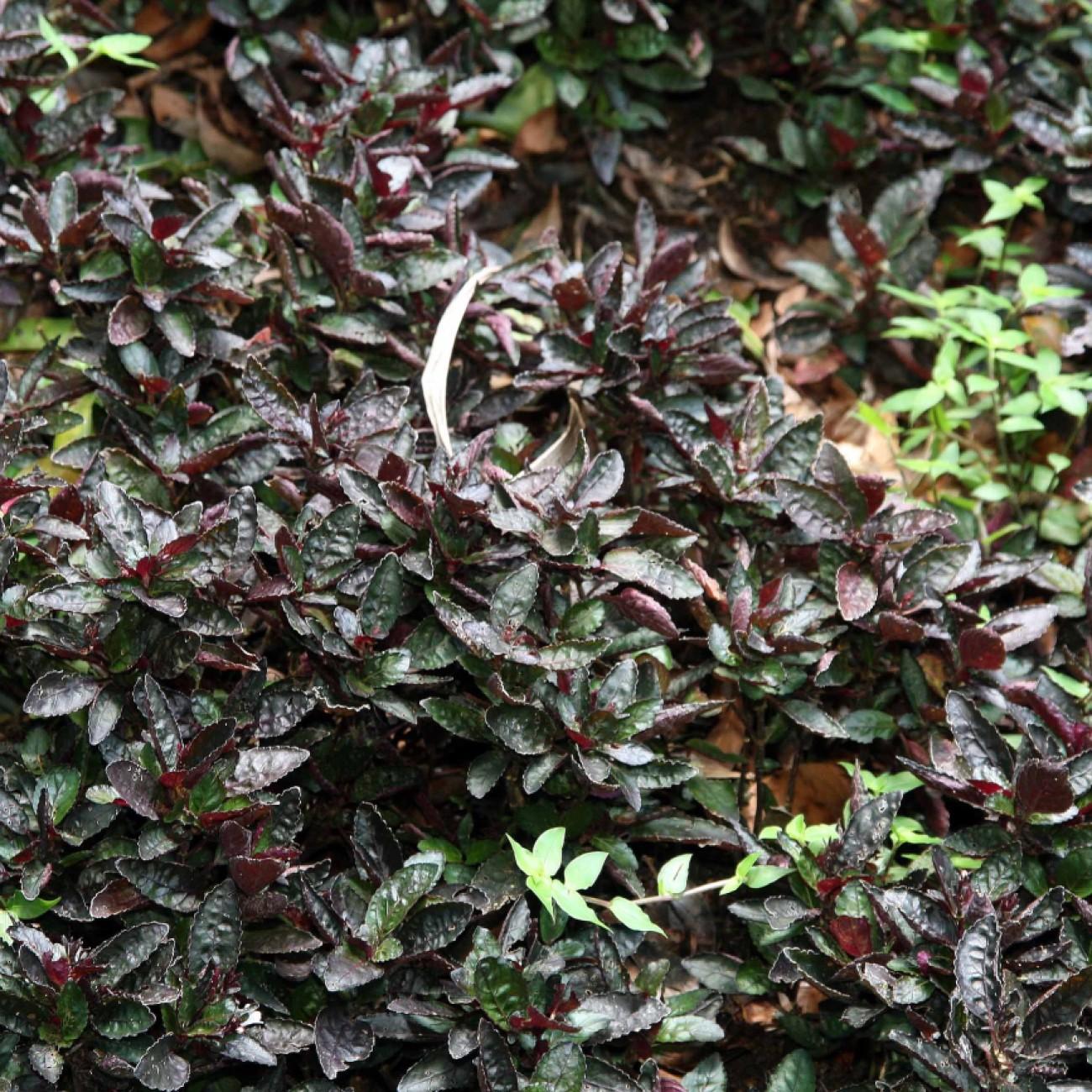
Hemigraphis, commonly called red ivy or waffle plant, is named for the textured, crinkled surface of its oval leaves that feature bright silver-green upper surfaces and deep purple undersides. In its native tropical habitat, it spreads as a creeping ground cover in moist, shaded forest understories, and it produces small, insignificant white or pale purple blooms in summer. It is widely cultivated as a decorative houseplant for its striking foliage and trailing growth habit, which works well in hanging baskets and terrariums.
Care Guide
Watering
Water hemigraphis regularly to keep the soil consistently moist but not waterlogged, reducing frequency slightly in winter when growth slows. Avoid letting the top 1 inch of soil dry out completely, as prolonged drought can cause leaf drop and browning of leaf edges. Use room-temperature, filtered water to prevent leaf discoloration from harsh chemicals in tap water.
Light
Hemigraphis thrives in bright, indirect light, which enhances the iridescent sheen of its foliage without causing leaf scorch. It can tolerate low light conditions, though its purple coloring may fade and growth may become leggy in overly dark spots. Avoid direct midday sun, which can burn the delicate leaf surfaces and lead to unsightly brown patches.
Soil
Plant hemigraphis in a loose, well-draining potting mix rich in organic matter, such as a blend of peat moss, perlite, and compost. A slightly acidic to neutral pH between 6.0 and 7.0 supports optimal nutrient uptake and root health. Ensure the pot has drainage holes to prevent standing water around the root system, which can cause root rot.
Fertilizer
Feed hemigraphis once a month during the spring and summer growing season with a balanced, water-soluble houseplant fertilizer diluted to half strength. Avoid over-fertilizing, as excess salts can build up in the soil and burn the roots, leading to yellowed or wilted foliage. Do not fertilize in fall and winter, when the plant enters a period of slower growth.
Temperature
Hemigraphis prefers warm temperatures between 60 and 80°F (15 to 27°C), consistent with its tropical native habitat. It cannot tolerate frost or temperatures below 50°F (10°C), which can cause severe leaf damage or plant death. Keep it away from cold drafts from windows, doors, or air conditioning units to prevent temperature stress.
Pruning
Prune hemigraphis regularly in the growing season to encourage bushier, more compact growth and remove any leggy, damaged, or yellowed stems. Pinch back the tips of trailing stems to promote branching, especially if the plant is becoming sparse or overgrown. Disinfect pruning tools before use to prevent the spread of plant pathogens.
Propagation
Hemigraphis is easily propagated from stem cuttings taken in spring or summer, when the plant is actively growing. Cut a 3-4 inch section of healthy stem with at least two sets of leaves, remove the lower leaves, and place the cutting in water or moist potting mix until roots develop in 2-3 weeks. Once roots are established, transplant the cutting into a regular potting mix and care for it as a mature plant.
Humidity
Hemigraphis thrives in moderate to high humidity levels between 50% and 70%, mimicking the moist conditions of its native tropical forest understory. Low humidity can cause leaf edges to brown and curl, so increase humidity by placing the pot on a pebble tray filled with water, using a room humidifier, or grouping it with other moisture-loving plants. It is an excellent choice for terrariums, where naturally high humidity supports lush growth.
Repotting
Repot hemigraphis every 1-2 years in spring, or when it becomes root-bound, indicated by roots growing out of the drainage holes or slowed growth. Choose a pot that is 1-2 inches larger in diameter than the current pot to give the root system room to expand without holding excess moisture. After repotting, water thoroughly and place the plant in bright, indirect light to help it adjust to its new container.
Uses & Symbolism
Hemigraphis is primarily grown as an ornamental houseplant, valued for its colorful trailing foliage that works well in hanging baskets, tabletop displays, and closed terrariums. In frost-free warm climates (USDA zones 10-11), it is used as a low-growing ground cover in shaded garden beds, where it spreads to form a dense, colorful mat. It is sometimes included in mixed container plantings for outdoor patios in temperate regions, brought indoors before cold temperatures arrive.
Diseases & Pests
Hemigraphis is relatively pest-resistant, but it may attract common houseplant pests such as aphids, whiteflies, and spider mites, especially in dry, warm conditions. Overwatering and poorly draining soil commonly lead to root rot, the most serious disease affecting this plant, which causes wilting, yellowing foliage, and eventual plant death if not addressed promptly. Low humidity can also cause cosmetic damage such as brown leaf tips and edges, which can be prevented by regular humidity boosting measures.
Related plants
Other plants you might like if you grow Hemigraphis.