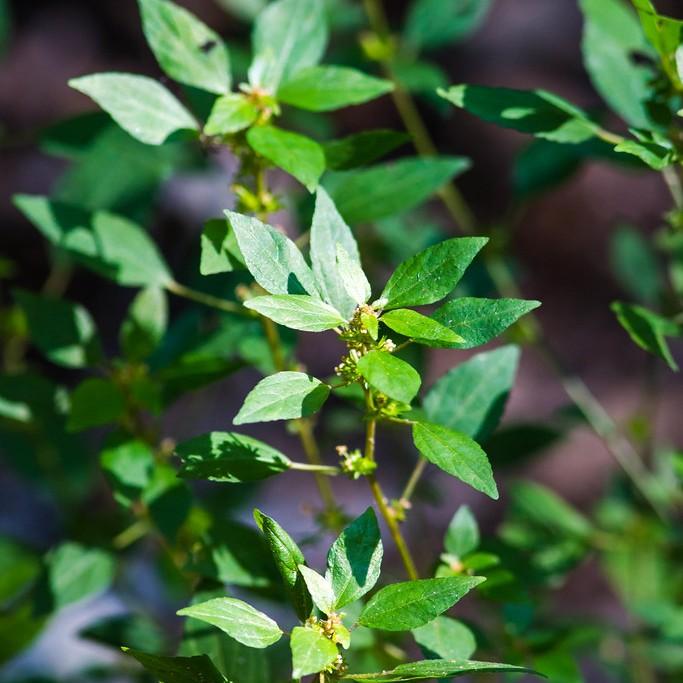
Common Copperleaf
Acalypha wilkesiana
Overview
Common copperleaf is a fast-growing tropical shrub celebrated for its striking, variegated foliage that varies widely in color and pattern across cultivars, with leaves often featuring splashes, marbling, or solid swathes of copper, crimson, gold, and deep green. In its native tropical habitat, it produces small, fuzzy, catkin-like flower spikes, though these are insignificant compared to its showy foliage. It is widely cultivated in tropical and subtropical landscapes as a hedge or accent plant, and is a popular houseplant in temperate regions for its bold, year-round color.
Care Guide
Watering
Keep the soil consistently moist but not waterlogged during the active growing season from spring to summer, watering when the top 1 inch of soil feels dry to the touch. Reduce watering frequency in fall and winter, allowing the top 2 inches of soil to dry out between sessions to prevent root rot, as the plant enters a period of slower growth. Avoid using cold or heavily chlorinated water, as this can cause leaf browning and stress the sensitive root system.
Light
Provide bright, indirect light for optimal foliage coloration and growth, as insufficient light will cause leaves to lose their vibrant variegation and revert to solid green. A spot near an east-facing window or a few feet back from a south or west-facing window works well, while direct midday sun should be filtered with a sheer curtain to prevent leaf scorch. Outdoor specimens thrive in partial shade, with dappled sunlight protecting their delicate leaves from harsh afternoon rays.
Soil
Plant common copperleaf in a well-draining, fertile, peat-free potting mix with a slightly acidic to neutral pH between 5.5 and 7.0 to support healthy root development. Amend standard potting soil with perlite or orchid bark to improve drainage and aeration, as heavy, compacted soil that retains excess moisture will quickly lead to root rot. Outdoor plants prefer loamy, organically rich soil that holds moisture without remaining saturated for extended periods.
Fertilizer
Feed established plants every 4 to 6 weeks during the active growing season from spring to early fall with a balanced, water-soluble houseplant fertilizer diluted to half the recommended strength. Avoid over-fertilizing, as excessive nitrogen can reduce leaf variegation and encourage leggy, sparse growth at the expense of vibrant foliage. Stop fertilizing entirely in late fall and winter, when the plant’s growth slows and it does not require extra nutrients.
Temperature
Common copperleaf thrives in warm temperatures between 65°F and 80°F (18°C and 27°C), consistent with its tropical native habitat, and will suffer damage if exposed to temperatures below 55°F (13°C) for extended periods. Avoid placing indoor plants near cold drafts from windows, air conditioning units, or exterior doors, as sudden temperature drops can cause sudden leaf drop and stress the plant. Outdoor specimens are only winter hardy in USDA zones 10 through 12, and must be brought indoors or grown as annuals in cooler climates.
Pruning
Prune common copperleaf in early spring before new growth emerges to control its size, encourage bushier, more compact growth, and remove any leggy, damaged, or discolored stems. Pinch back the tips of young stems regularly during the growing season to promote branching, as this will create a fuller, more dense plant with more vibrant foliage. Dispose of pruned material immediately and wear gloves when handling, as the sap can irritate sensitive skin.
Propagation
The easiest and most reliable method of propagating common copperleaf is via stem cuttings taken in spring or early summer, when the plant is actively growing. Cut 4 to 6 inch long stem tips with at least 2 to 3 healthy leaf nodes, remove the lower leaves, dip the cut end in rooting hormone, and place it in a moist, well-draining potting mix, keeping it in a warm, humid spot with bright indirect light until roots develop in 3 to 4 weeks. Seeds are rarely used for propagation, as most cultivars will not grow true to type from seed, and germination rates are very low for domestic cultivation.
Humidity
This tropical plant prefers moderate to high humidity levels between 50% and 70% to maintain healthy, vibrant foliage and prevent leaf edge browning. Increase humidity for indoor plants by placing the pot on a tray filled with pebbles and water, using a room humidifier, or grouping it with other moisture-loving plants, especially during dry winter months when indoor heating lowers ambient humidity. Avoid misting the leaves directly for extended periods, as this can increase the risk of fungal leaf spot diseases if foliage remains wet for too long.
Repotting
Repot young, actively growing common copperleaf plants every 1 to 2 years in early spring, moving them to a pot that is 1 to 2 inches larger in diameter than their current container to accommodate root growth. Mature plants only need repotting every 2 to 3 years, or when roots begin to grow out of the drainage holes at the bottom of the pot, indicating they have become rootbound. Ensure the new pot has adequate drainage holes, and refresh the potting mix each time you repot to replenish nutrients and improve soil drainage.
Uses & Symbolism
Common copperleaf is primarily grown as an ornamental plant, valued for its bold, colorful foliage that adds year-round visual interest to indoor houseplant collections, tropical landscapes, and container gardens. In warm regions, it is often planted as a low hedge or border plant, where its dense growth and vibrant colors create a striking, eye-catching living screen. Some traditional Pacific Island cultures use small, carefully prepared doses of the plant for topical medicinal applications to treat skin conditions, though it is toxic when ingested and internal use is never recommended.
Diseases & Pests
Common copperleaf is susceptible to common houseplant pests including aphids, spider mites, and whiteflies, which feed on the sap of the leaves and can cause yellowing, stippling, and leaf drop if left untreated; infestations can be controlled with regular applications of neem oil or insecticidal soap, and by wiping leaves with a damp cloth to remove pests. Overwatering and poor drainage frequently lead to root rot, a fungal disease that causes wilting, yellowing leaves, and eventual plant death if not addressed quickly by repotting in fresh, dry soil and reducing watering frequency. Fungal leaf spot diseases may occur if foliage is kept consistently wet, especially in low-airflow environments; these can be prevented by avoiding overhead watering, increasing air circulation around the plant, and removing any affected leaves promptly.
Related plants
Other plants you might like if you grow Common Copperleaf.
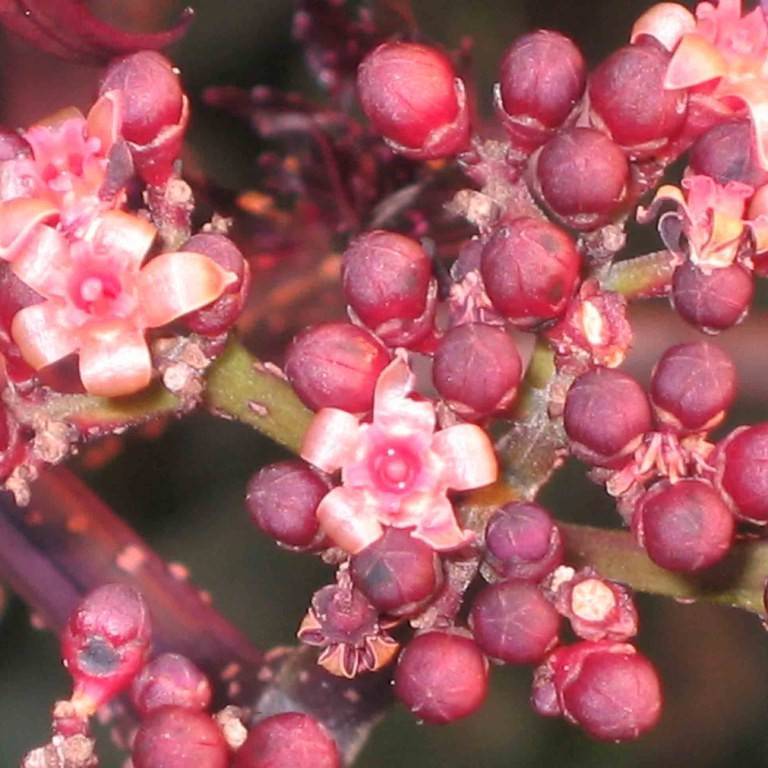
Leea
Leea coccinea
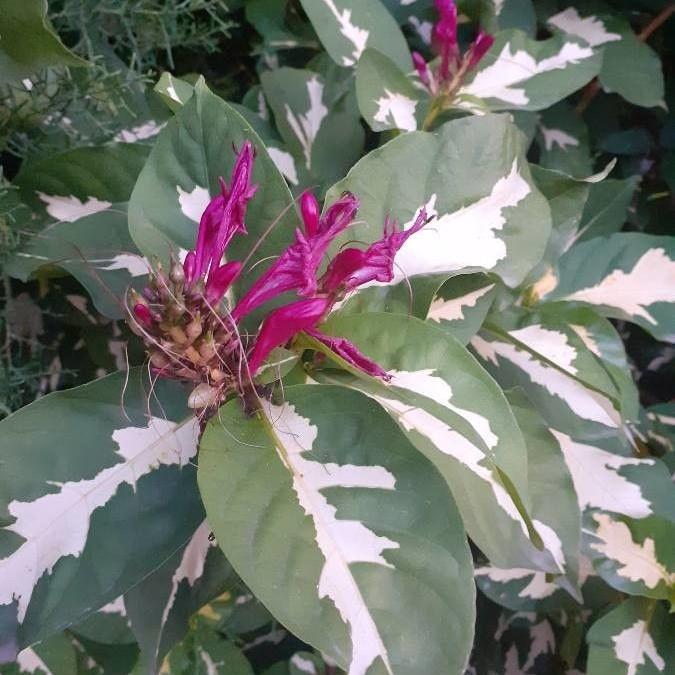
Caricature Plant
Graptophyllum pictum
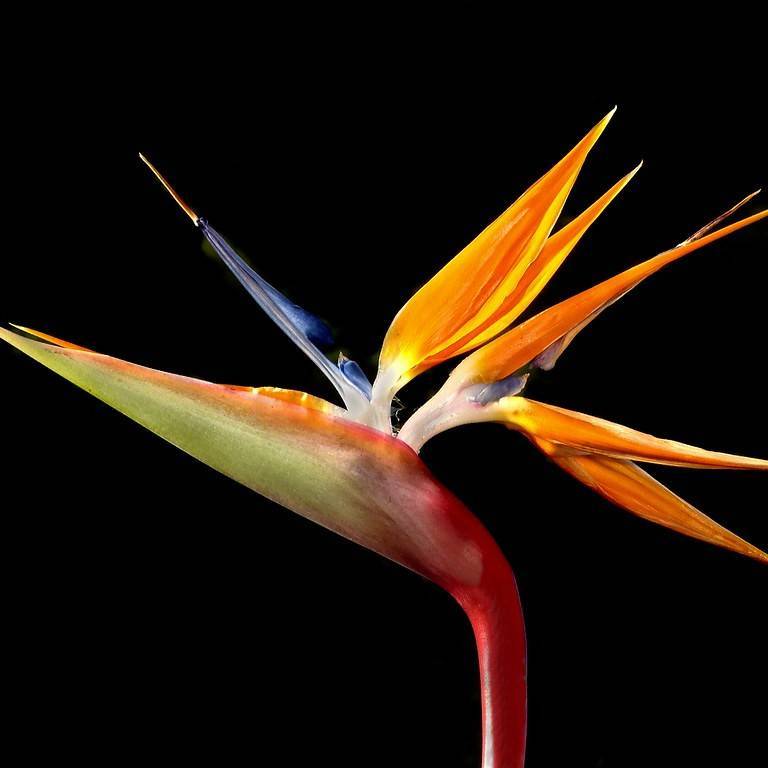
Bird Of Paradise
Strelitzia reginae
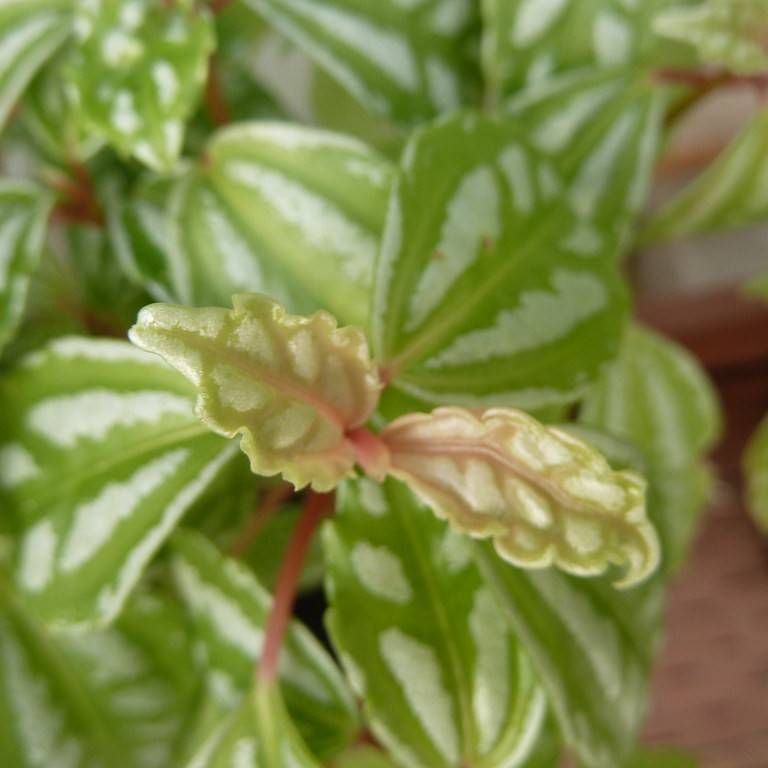
Aluminum Plant
Pilea cadierei
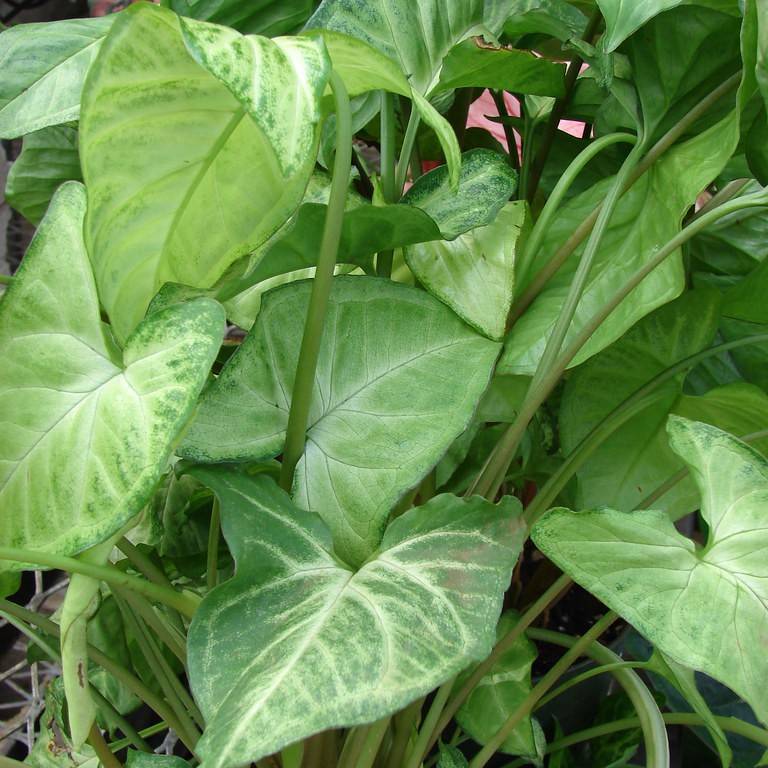
American Evergreen
Syngonium podophyllum
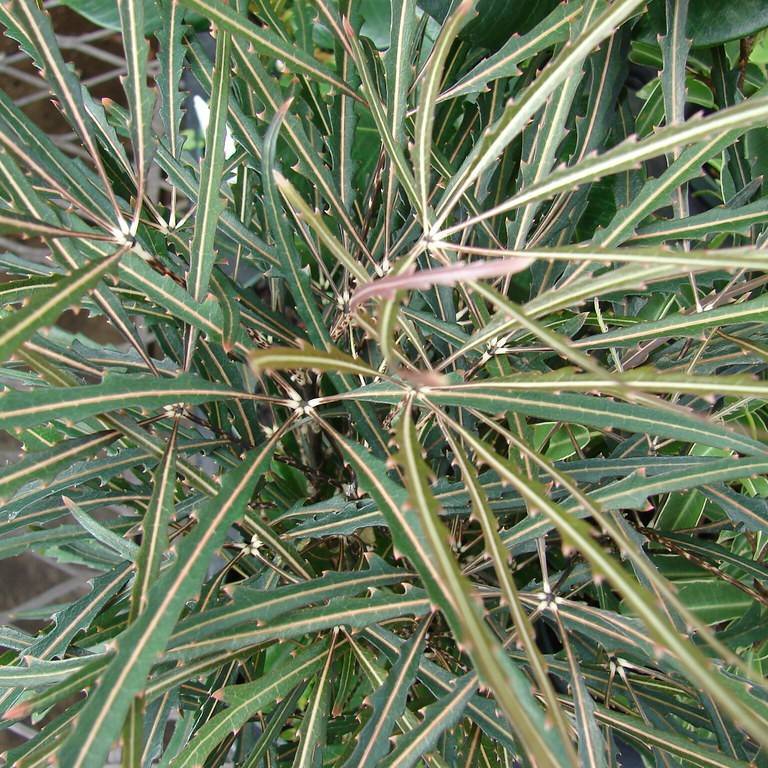
False Aralia
Plerandra elegantissima (syn. Schefflera elegantissima)
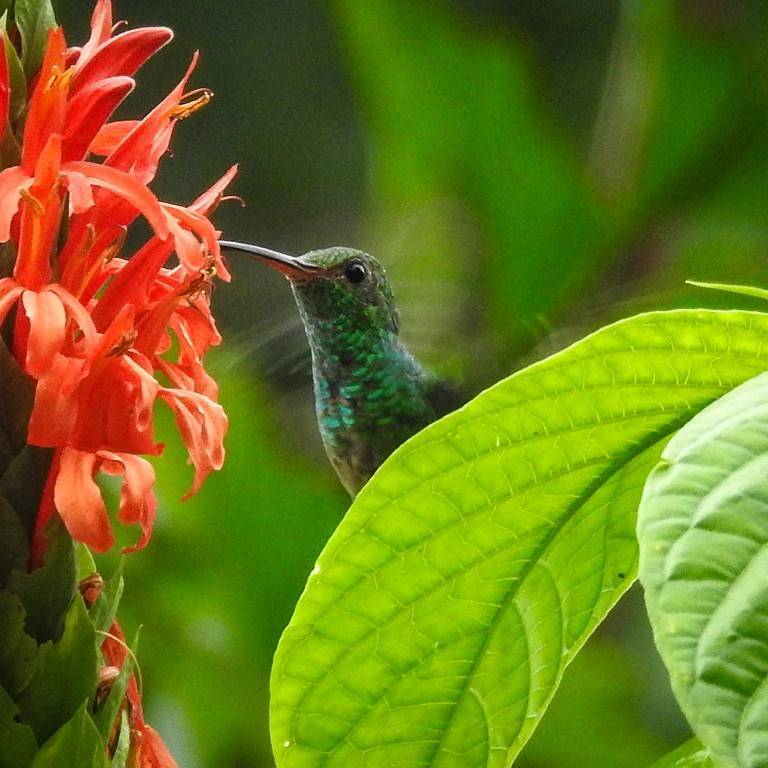
Cardinal's Guard
Pachystachys coccinea
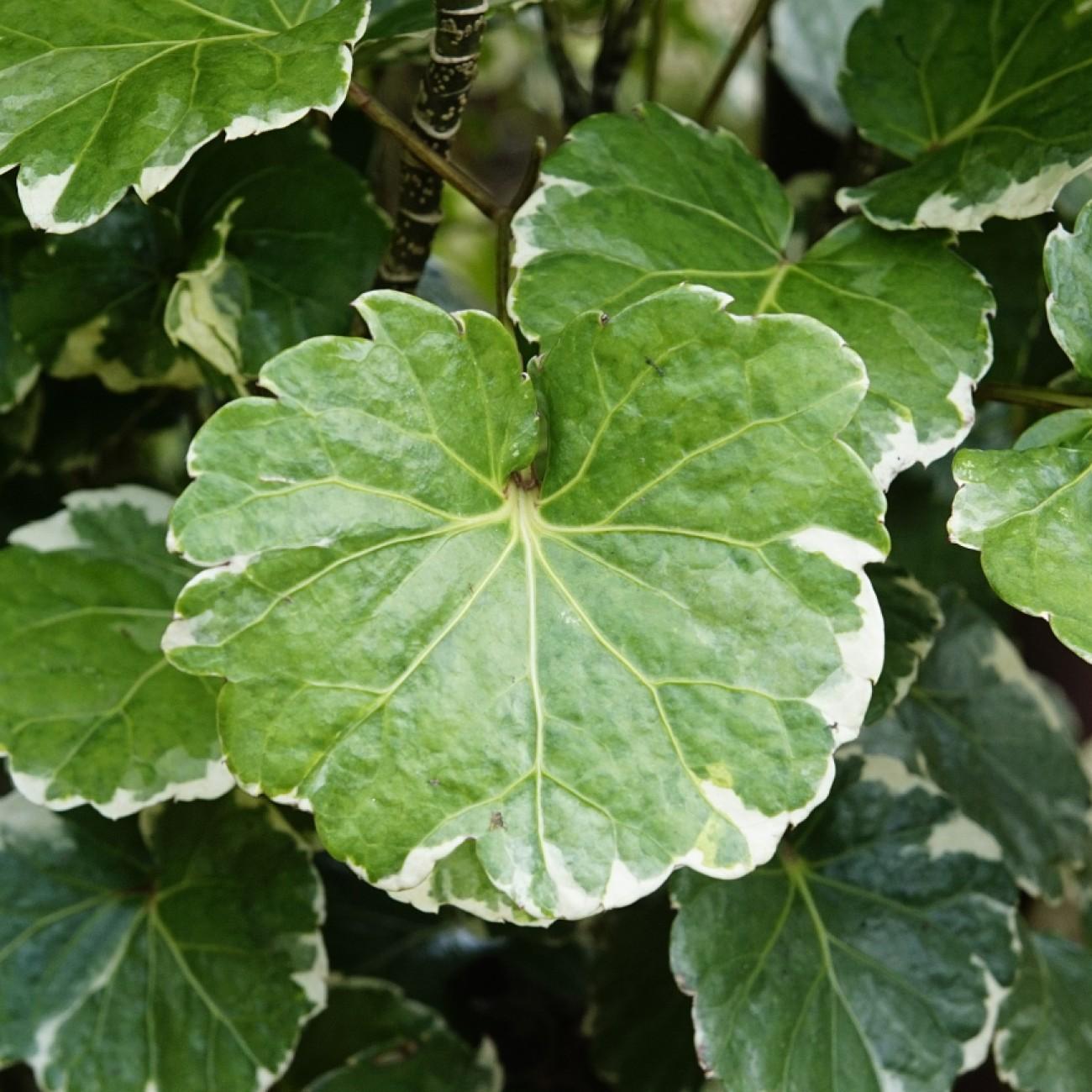
Balfour Aralia
Polyscias scutellaria 'Balfourii'