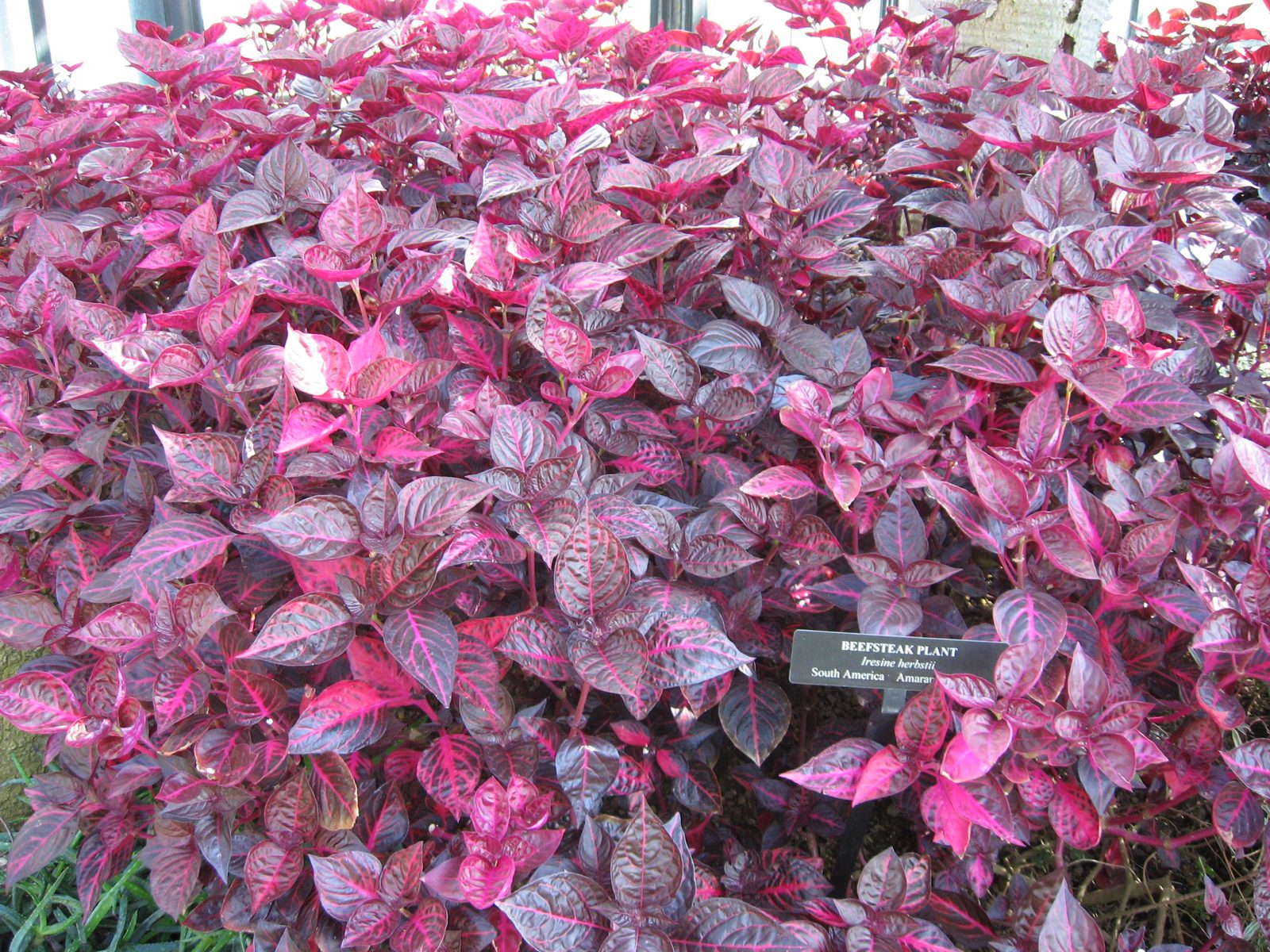
Bloodleaf
Iresine herbstii
Overview
Bloodleaf, also called Herbst's bloodleaf or chicken gizzard plant, is beloved for its eye-catching, often iridescent foliage that ranges from rich burgundy to bright magenta, with some varieties featuring contrasting green veining. In its native tropical habitat, it grows as a low, sprawling understory plant, while in temperate regions it is most commonly cultivated as a colorful houseplant or seasonal outdoor bedding plant. It produces small, insignificant greenish-white flowers that are typically removed to direct energy toward foliage growth.
Care Guide
Watering
Keep soil consistently moist but not waterlogged during the active growing season from spring to fall, allowing the top 1 inch of soil to dry out between waterings to prevent root rot. Reduce watering frequency in winter when growth slows, taking care not to let the root ball dry out completely. Overwatering is the most common issue, so ensure pots have adequate drainage holes to expel excess moisture.
Light
Thrives in bright, indirect light to maintain its vivid foliage color; insufficient light will cause leaves to fade to green and stems to become leggy. Direct midday sun can scorch delicate leaves, so provide dappled light or a spot near an east or west-facing window when grown indoors. When planted outdoors, position it in partial shade to protect it from intense afternoon sun exposure.
Soil
Prefers light, well-draining, nutrient-rich soil with a slightly acidic to neutral pH between 6.0 and 7.0. A standard houseplant potting mix amended with perlite or coarse sand works well to improve drainage and prevent compaction. Avoid heavy, clay-heavy soils that retain excess moisture, as these can quickly lead to root rot in bloodleaf plants.
Fertilizer
Feed every 2-4 weeks during the spring and summer growing season with a balanced, water-soluble houseplant fertilizer diluted to half the recommended strength. Do not fertilize in fall and winter, when the plant is in a dormant phase and new growth is minimal. Over-fertilization can cause salt buildup in the soil, leading to leaf tip burn and reduced foliage vibrancy.
Temperature
Prefers warm temperatures between 65-85°F (18-29°C), consistent with its tropical native habitat. It is not frost-tolerant, and temperatures below 50°F (10°C) will cause leaf drop and potential plant death. Keep indoor plants away from cold drafts from windows, doors, or air conditioning units to prevent temperature stress.
Pruning
Pinch back growing tips regularly during the growing season to encourage bushier, more compact growth and prevent the plant from becoming leggy. Remove any faded, yellowed, or damaged leaves as they appear to maintain the plant's appearance and reduce the risk of fungal disease. If small flower spikes form, snip them off immediately to redirect the plant's energy toward foliage production.
Propagation
Easily propagated from 3-4 inch long stem cuttings taken in spring or early summer, removed just below a leaf node and stripped of lower leaves. Place cuttings in a glass of clean water or moist, well-draining potting mix, keeping them in bright, indirect light until roots form in 2-4 weeks. Once roots are well-established, transplant cuttings into individual pots with standard potting mix and care for them as mature plants.
Humidity
Thrives in moderate to high humidity levels between 50-70%, typical of its native tropical environment. Dry indoor air can cause leaf edges to brown, so boost humidity by placing the pot on a tray filled with pebbles and water, using a small humidifier, or grouping it with other moisture-loving plants. Avoid misting leaves directly for extended periods, as this can increase the risk of fungal leaf spots.
Repotting
Repot young bloodleaf plants annually in spring, moving them to a pot one size larger than their current container when roots begin to grow through the drainage holes. Mature plants only need repotting every 2-3 years, as they prefer being slightly root-bound to encourage more vibrant foliage growth. When repotting, refresh the potting mix and ensure the new pot has adequate drainage holes to prevent waterlogging.
Uses & Symbolism
Bloodleaf is primarily grown as an ornamental plant, valued for its bold foliage that adds striking color contrast to indoor houseplant collections, hanging baskets, and outdoor container gardens or mixed bedding displays. In its native range, it has been used in traditional folk medicine to treat mild inflammation and digestive issues, though these uses are not widely studied or recommended for modern use. It is also a popular choice for seasonal landscape plantings in temperate regions, where it is used as a warm-annual foliage accent in shaded garden beds.
Diseases & Pests
Bloodleaf is relatively pest-resistant, but can be affected by common houseplant pests including aphids, spider mites, and whiteflies, which feed on sap and cause leaf discoloration and stunted growth. Overwatering or poorly draining soil frequently leads to root rot, the most common serious disease for this plant, which presents as yellowing leaves, mushy stems, and a sour odor from the soil. Fungal leaf spots can occur if foliage is kept consistently wet, so avoid overhead watering and ensure good air circulation around the plant to reduce disease risk.
Related plants
Other plants you might like if you grow Bloodleaf.
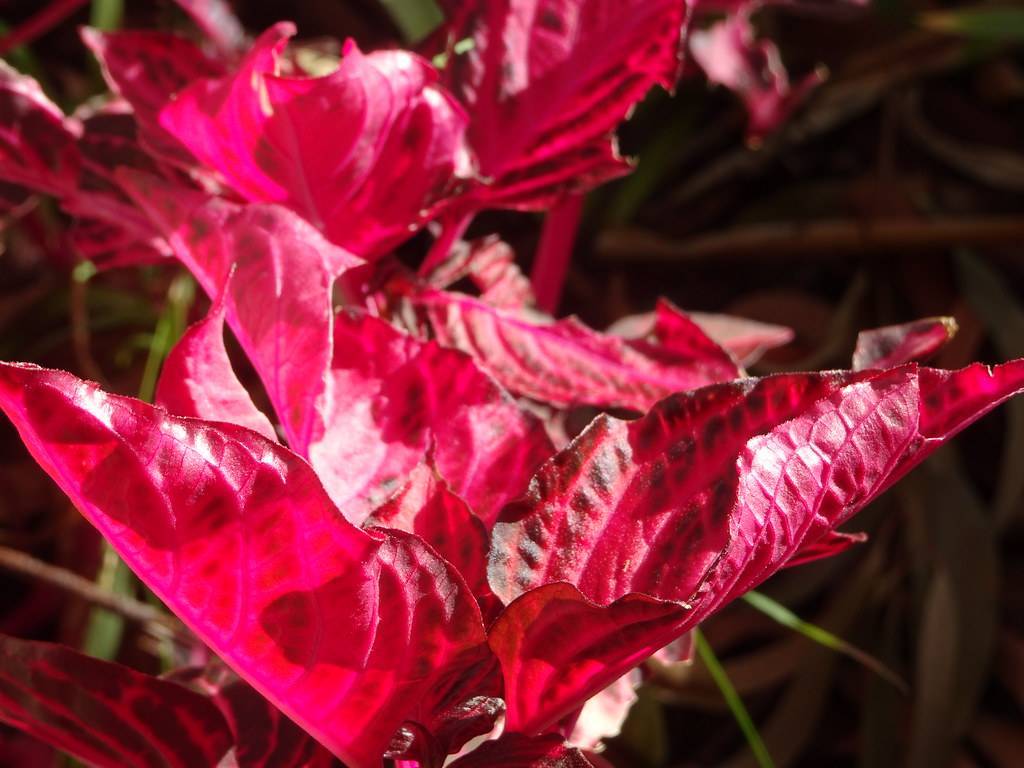
Herbst's Bloodleaf
Iresine herbstii
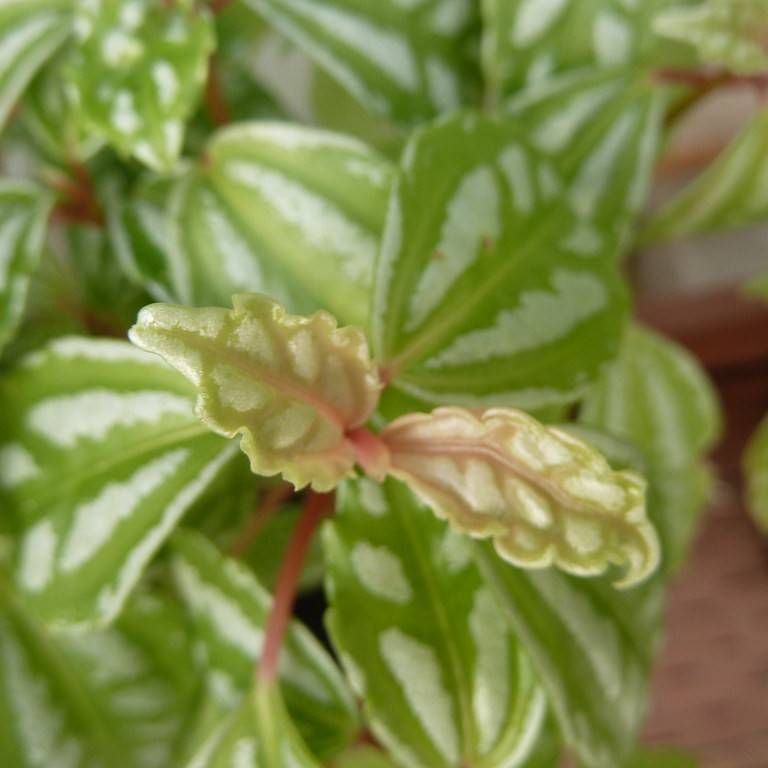
Aluminum Plant
Pilea cadierei
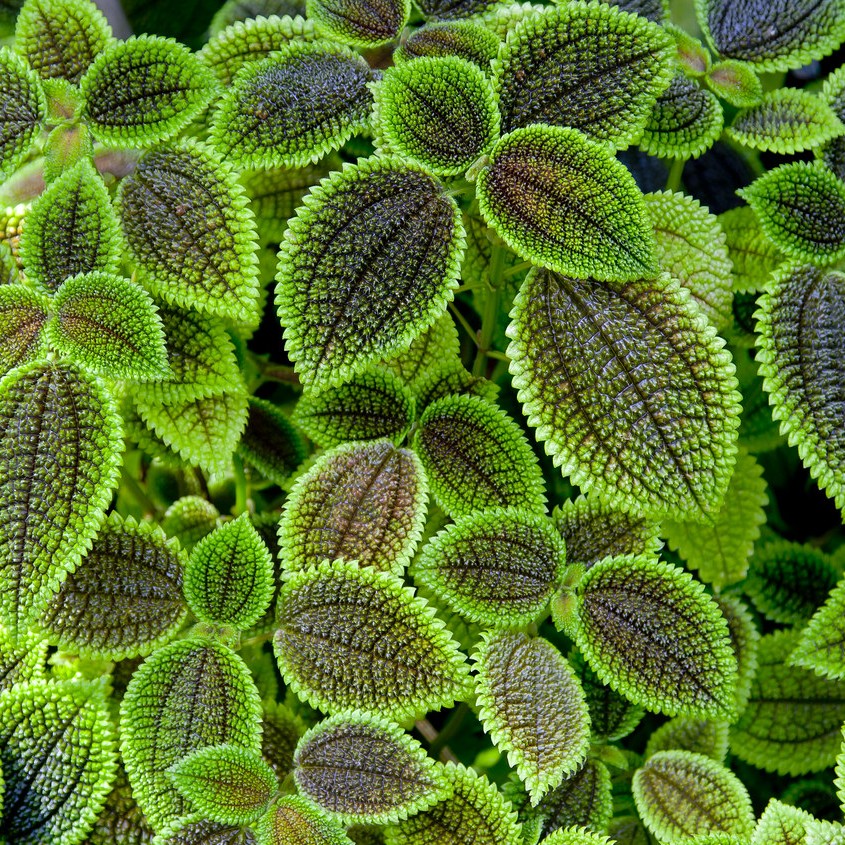
Friendship Plant
Pilea involucrata
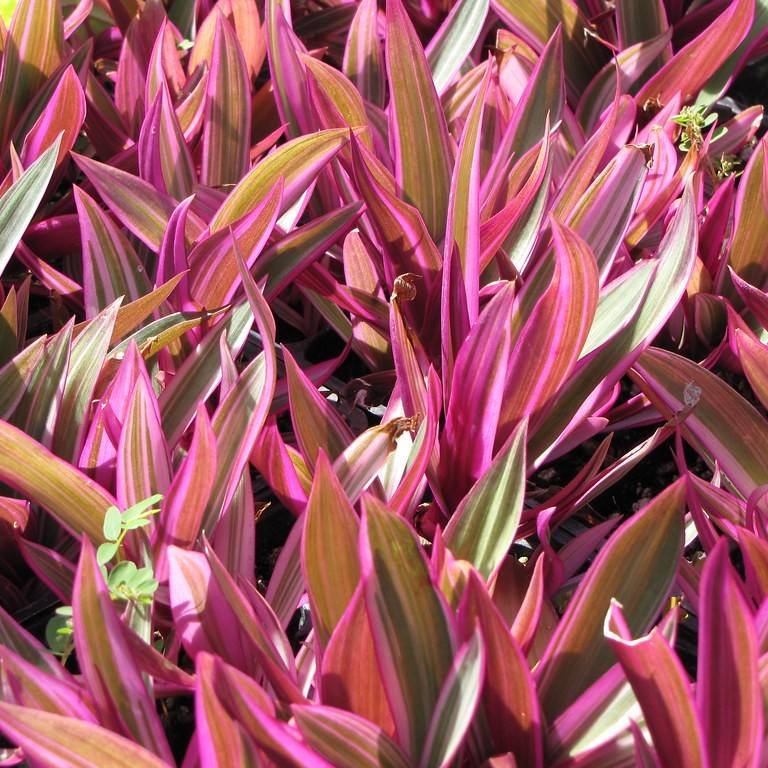
Boat Lily
Tradescantia spathacea
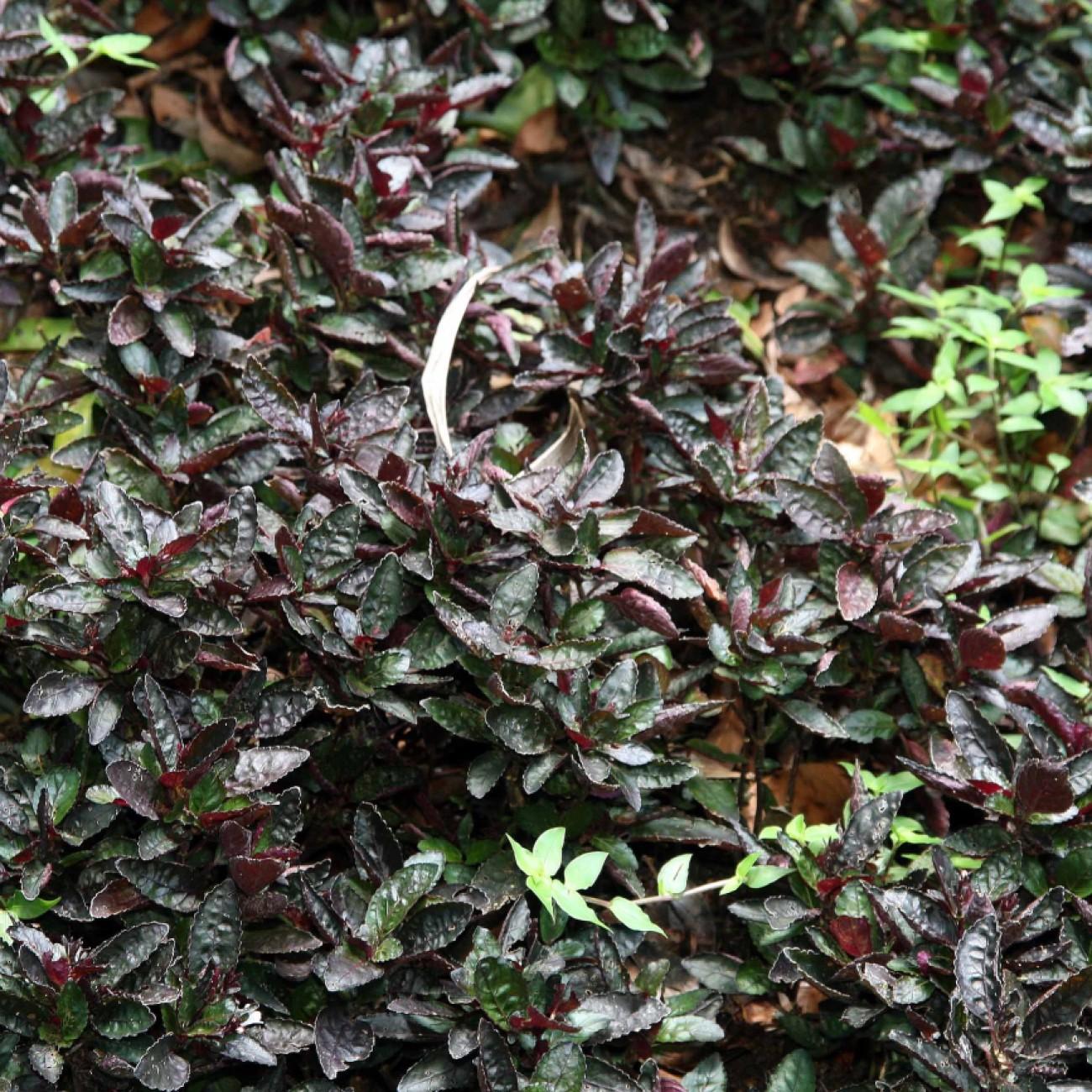
Hemigraphis
Hemigraphis alternata
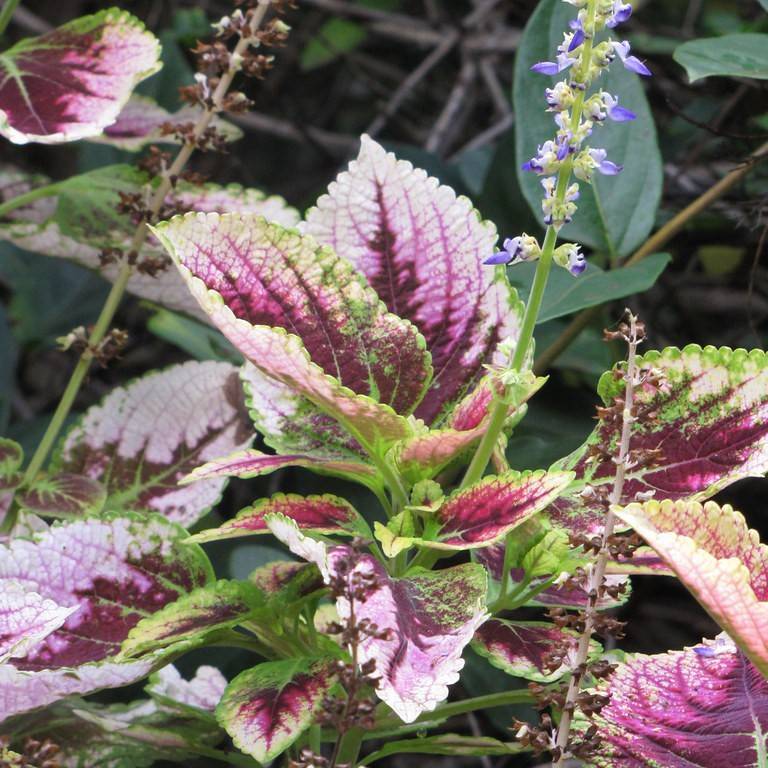
Coleus
Plectranthus scutellarioides (syn. Solenostemon scutellarioides)
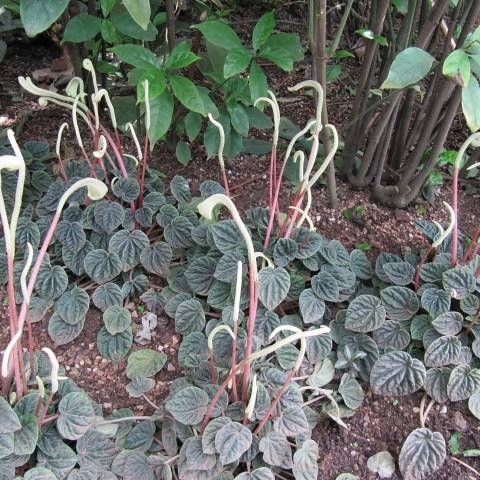
Emerald Ripple Pepper
Peperomia caperata 'Emerald Ripple'
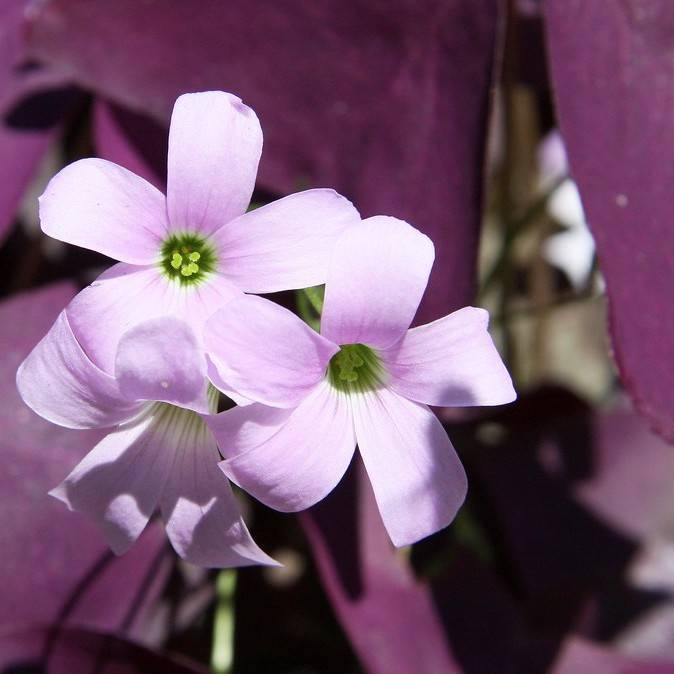
False Shamrock
Oxalis triangularis