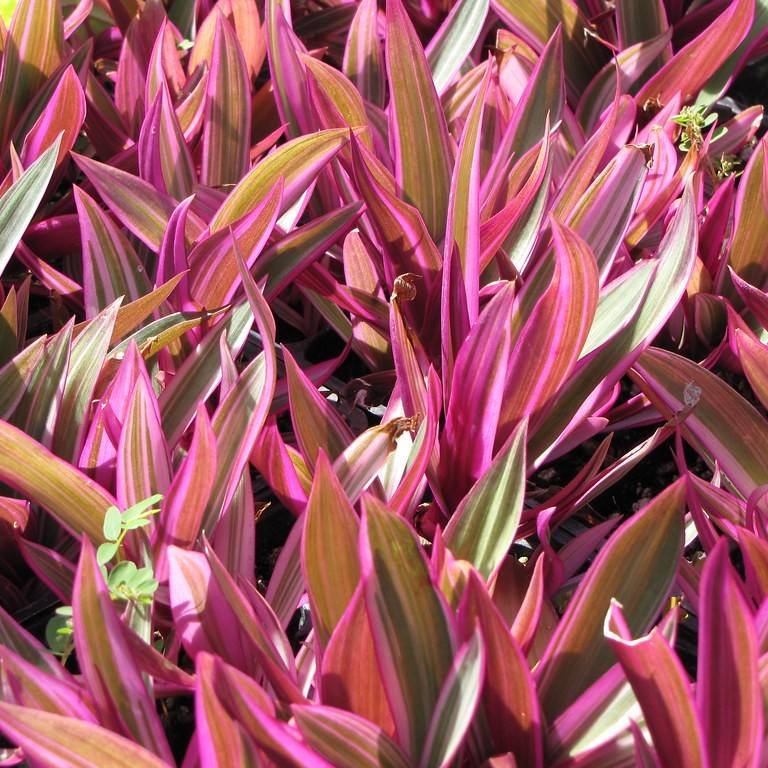
Boat Lily
Tradescantia spathacea
Overview
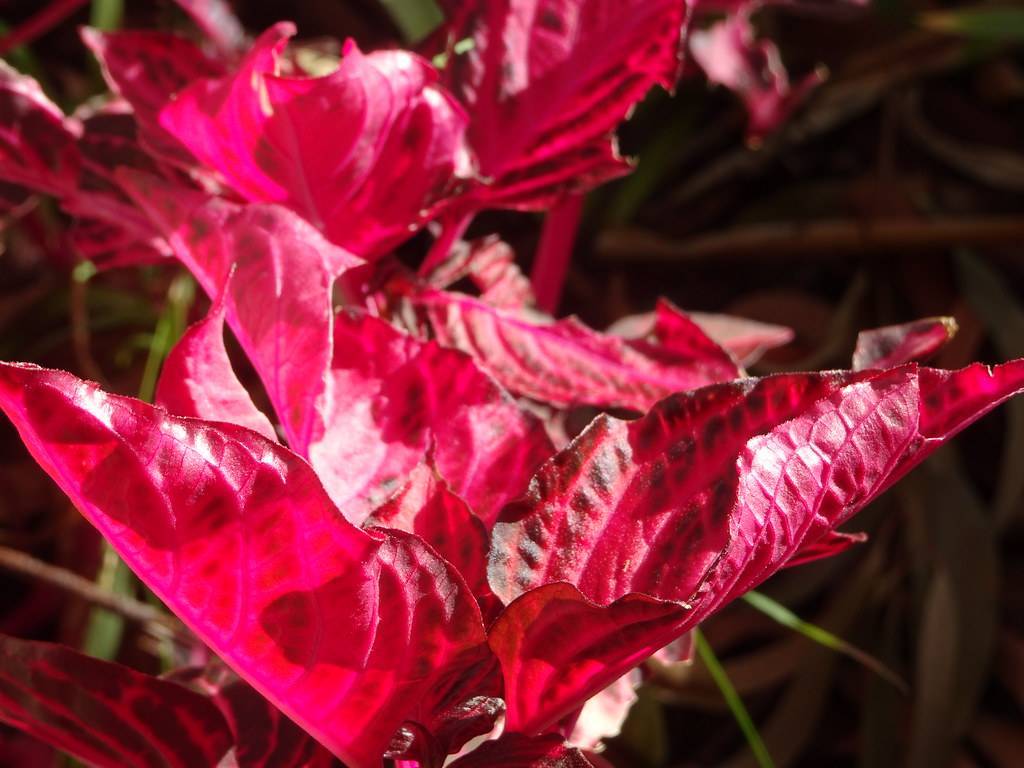
Boat lily, also called Moses-in-the-cradle or oyster plant, gets its common name from the small, boat-shaped bracts that hold its tiny white flowers year-round in warm conditions. Native to tropical Americas, it is widely cultivated as a houseplant globally and as a ground cover in frost-free regions. Its bold, bi-colored foliage and tolerance for neglect make it a popular choice for beginner plant owners and low-effort landscaping.
Care Guide
Watering
Allow the top 1-2 inches of soil to dry out completely between waterings to prevent root rot; reduce watering frequency significantly in winter when growth slows. Avoid getting water trapped in the central rosette of leaves, as this can cause fungal rot or crown damage.
Light
Thrives in bright, indirect light, which brings out the most vibrant purple coloration on leaf undersides; it can tolerate low light conditions, though foliage may become more green and leggy as a result. Protect it from direct, intense midday sun, which can scorch leaf surfaces and cause unsightly brown patches.
Soil
Requires well-draining, loamy potting mix with a slightly acidic to neutral pH between 6.0 and 7.0. Adding perlite, coarse sand, or orchid bark to standard potting soil improves drainage and prevents the saturated conditions that cause root rot.
Fertilizer
Feed once a month during the spring and summer growing season with a balanced, water-soluble houseplant fertilizer diluted to half the recommended strength. Do not fertilize in fall and winter, when the plant is in its dormant phase and extra nutrients can burn delicate roots.
Temperature
Prefers average room temperatures between 60–85°F (15–29°C), and will suffer permanent damage if exposed to temperatures below 50°F (10°C) for extended periods. Avoid placing it near cold drafts from windows, doors, or air conditioning units, which can cause leaf drop.
Pruning
Remove yellowed, damaged, or dead lower leaves at their base as needed to maintain a tidy appearance and improve air circulation around the plant. If the plant becomes leggy or overgrown, trim back stems to the desired height in early spring to encourage bushier, denser new growth from the base.
Propagation
Easily propagated by dividing the small offshoots, or pups, that grow from the base of mature plants; separate pups with a clean, sharp knife, allow cut surfaces to callous over for 24 hours, then plant in moist, well-draining soil. It can also be grown from stem cuttings: snip a 3-4 inch section of healthy stem, remove lower leaves, and root in water or moist potting mix in bright, indirect light.
Humidity
Tolerates average household humidity levels between 30–50%, but will benefit from occasional misting or placement on a pebble tray filled with water in very dry environments. Excessively high humidity combined with poor air circulation can increase the risk of fungal leaf spots, so ensure adequate ventilation if humidity levels are elevated.
Repotting
Repot young plants annually in spring to accommodate fast growth, moving to a pot just 1-2 inches larger in diameter than the current container to avoid overpotting, which can lead to excess moisture retention in unused soil. Mature plants only need repotting every 2-3 years, or when roots begin to grow out of the drainage holes at the bottom of the pot.
Uses & Symbolism
Grown primarily as an ornamental houseplant for its striking bi-colored foliage and low care requirements, often displayed in hanging baskets, tabletop pots, or mixed indoor plant arrangements. In frost-free USDA zones 9 through 12, it is used as a low-growing, drought-tolerant ground cover for shaded garden beds, borders, and rock gardens. In traditional Central American folk medicine, extracts from the leaves are used topically to soothe minor skin irritations, though ingestion is not recommended due to its toxic properties.
Diseases & Pests
Overwatering is the most common issue, leading to root rot, yellowing leaves, and soft, mushy stems; prevent this by letting the soil dry between waterings and using a well-draining potting mix. It may be affected by common houseplant pests including spider mites, mealybugs, and aphids, which can be treated with neem oil, insecticidal soap, or wiping affected leaves with a damp cloth. Fungal leaf spot can occur if foliage is consistently wet or air circulation is poor, so avoid overhead watering and space plants adequately to promote airflow.
Related plants
Other plants you might like if you grow Boat Lily.