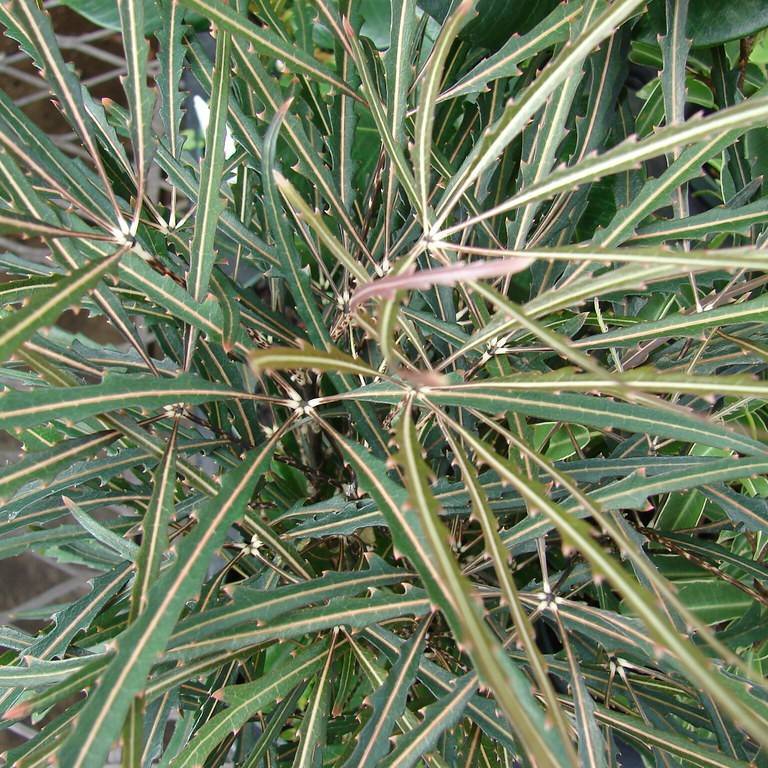
False Aralia
Plerandra elegantissima (syn. Schefflera elegantissima)
Overview
Native to the tropical islands of New Caledonia, False Aralia features delicate, feathery leaflets that emerge coppery-red before maturing to a deep, glossy dark green, with leaf shape shifting from finely serrated juvenile growth to broader, less divided leaves on older plants. It is grown almost exclusively for its ornamental foliage, as it rarely flowers when cultivated indoors. While it can reach towering heights in its native outdoor habitat, it stays a manageable, upright size when grown in containers inside homes.
Care Guide
Watering
Water False Aralia when the top 1 to 2 inches of soil feel dry to the touch, taking care not to overwater to avoid root rot. Reduce watering frequency in the fall and winter when plant growth slows, ensuring the pot has adequate drainage holes to prevent standing water.
Light
Thrives in bright, indirect light, such as near a north or east-facing window with a sheer curtain to filter harsh direct sun. Excessive direct sunlight will scorch its delicate leaflets, while too little light will cause leggy growth and leaf drop.
Soil
Requires a well-draining, peaty potting mix with a slightly acidic to neutral pH between 6.0 and 7.0. A mix of standard potting soil, perlite, and peat moss or coco coir works well to balance moisture retention and drainage.
Fertilizer
Feed with a balanced, water-soluble houseplant fertilizer diluted to half strength once a month during the spring and summer growing season. Avoid fertilizing in fall and winter when the plant is dormant, as this can lead to salt buildup in the soil that damages roots.
Temperature
Prefers consistent temperatures between 65°F and 85°F (18°C to 29°C), and cannot tolerate temperatures below 55°F (13°C). Avoid placing it near drafty windows, air conditioning vents, or heating units, as sudden temperature fluctuations will trigger leaf drop.
Pruning
Prune in early spring to control size and encourage bushier growth by trimming back the top of the main stem or overlong lateral branches. Remove any yellowed, brown, or damaged leaves as they appear to keep the plant healthy and improve air circulation around foliage.
Propagation
Easiest to propagate from stem cuttings taken in spring or early summer; cut a 4 to 6 inch section of healthy, mature stem, remove lower leaves, dip the cut end in rooting hormone, and plant in moist, well-draining potting mix. Keep cuttings in warm, humid conditions with bright indirect light until roots develop in 4 to 6 weeks.
Humidity
Requires moderate to high humidity levels between 50% and 70% to thrive, as dry indoor air will cause leaf tips to brown and drop. Boost humidity by placing the pot on a pebble tray filled with water, using a room humidifier, or grouping it with other tropical plants.
Repotting
Repot young False Aralia plants every 1 to 2 years in spring, moving to a pot one size larger than the current container to accommodate root growth. Mature plants only need repotting every 3 to 4 years, or when roots begin to grow out of the drainage holes at the bottom of the pot.
Uses & Symbolism
False Aralia is primarily grown as an ornamental houseplant, valued for its fine, airy foliage that adds texture and tropical flair to indoor spaces, and it also works well as a specimen plant in shaded outdoor gardens in warm, frost-free climates. It is sometimes used in interior landscape design for offices and commercial spaces due to its upright growth habit and relatively low-maintenance care requirements when provided with consistent conditions.
Diseases & Pests
Common pests include spider mites, mealybugs, and scale insects, which thrive in dry conditions and can be treated with neem oil, insecticidal soap, or rubbing alcohol applied directly to affected areas. Overwatering is the most common cause of health issues, leading to root rot, yellowing leaves, and leaf drop, while low humidity and sudden temperature changes can also cause widespread foliage loss.
Related plants
Other plants you might like if you grow False Aralia.
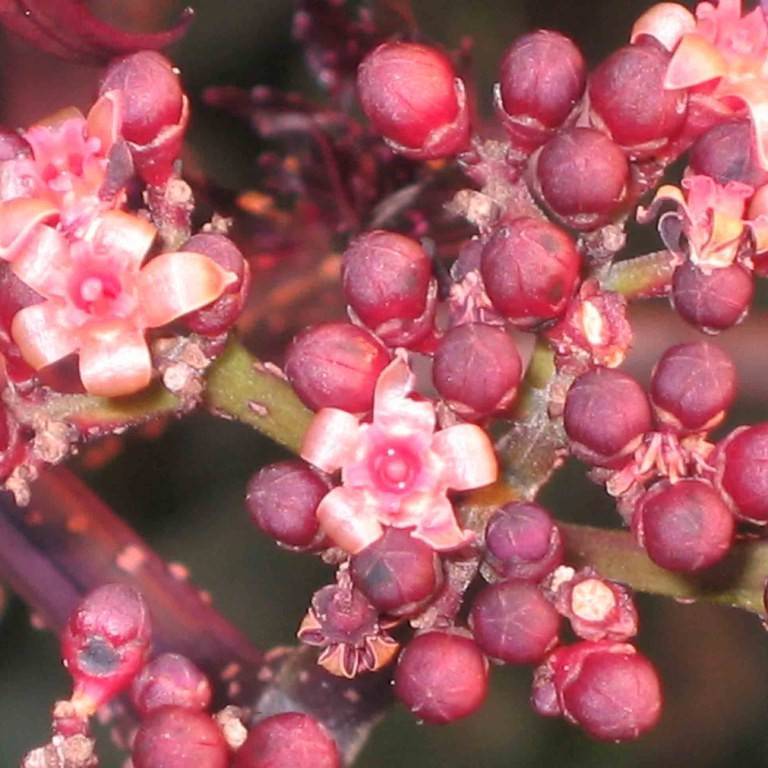
Leea
Leea coccinea
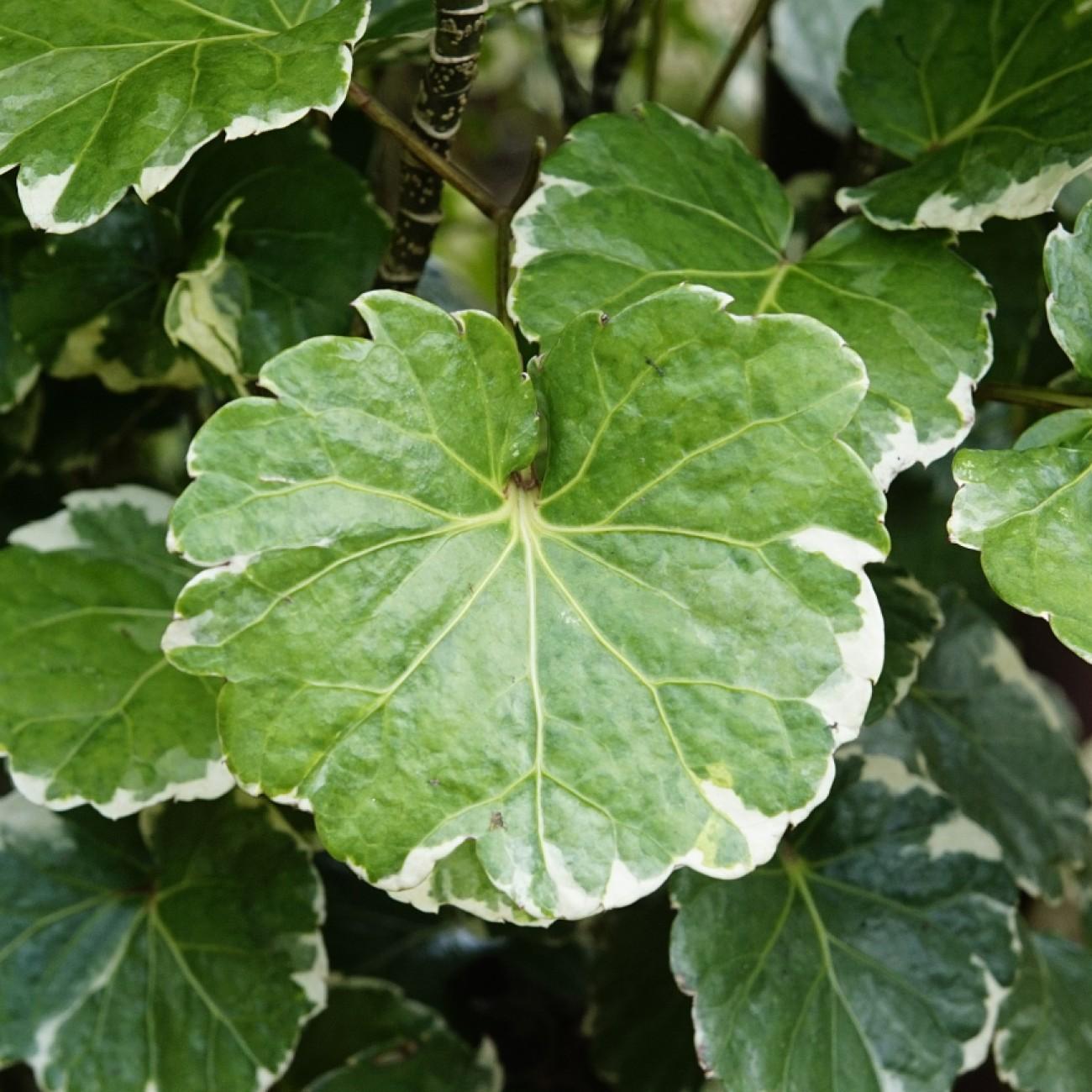
Balfour Aralia
Polyscias scutellaria 'Balfourii'
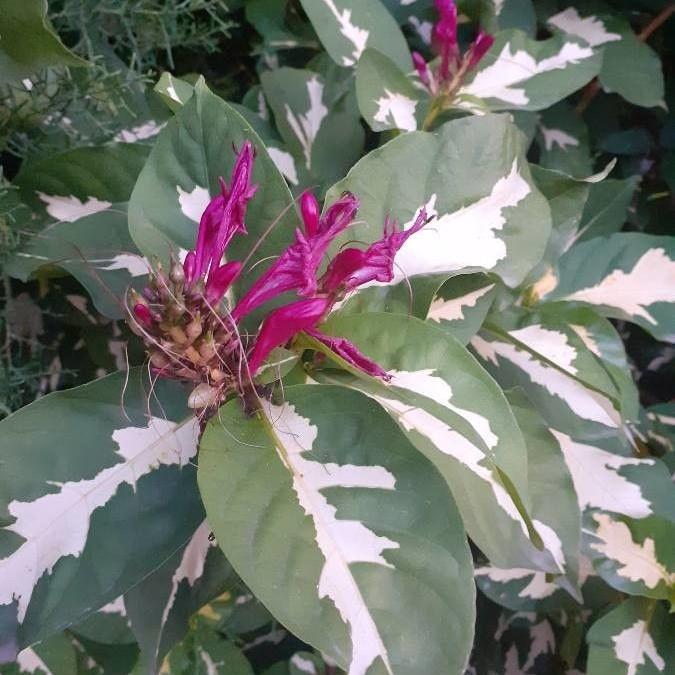
Caricature Plant
Graptophyllum pictum
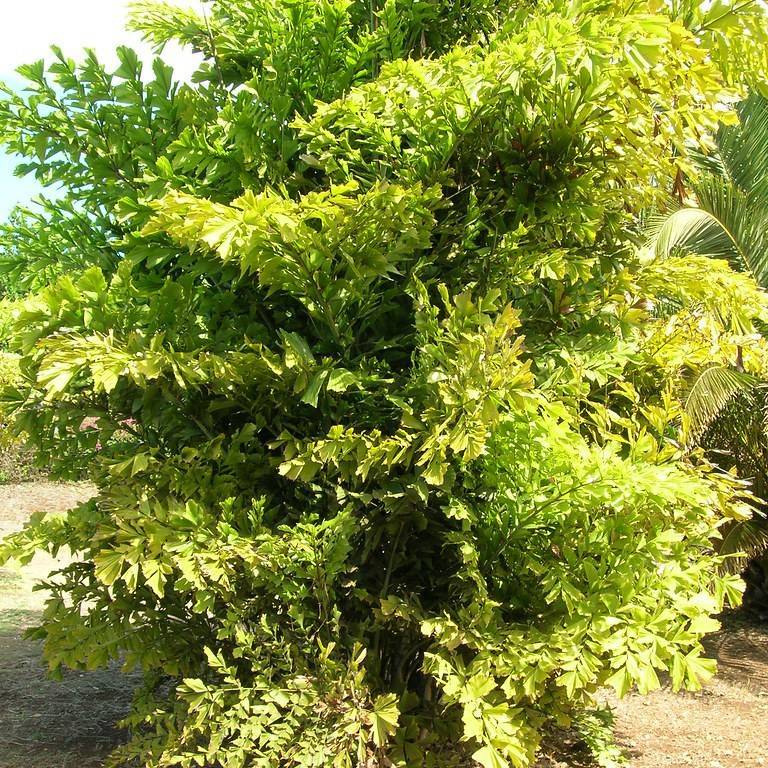
Fishtail Palm
Caryota mitis
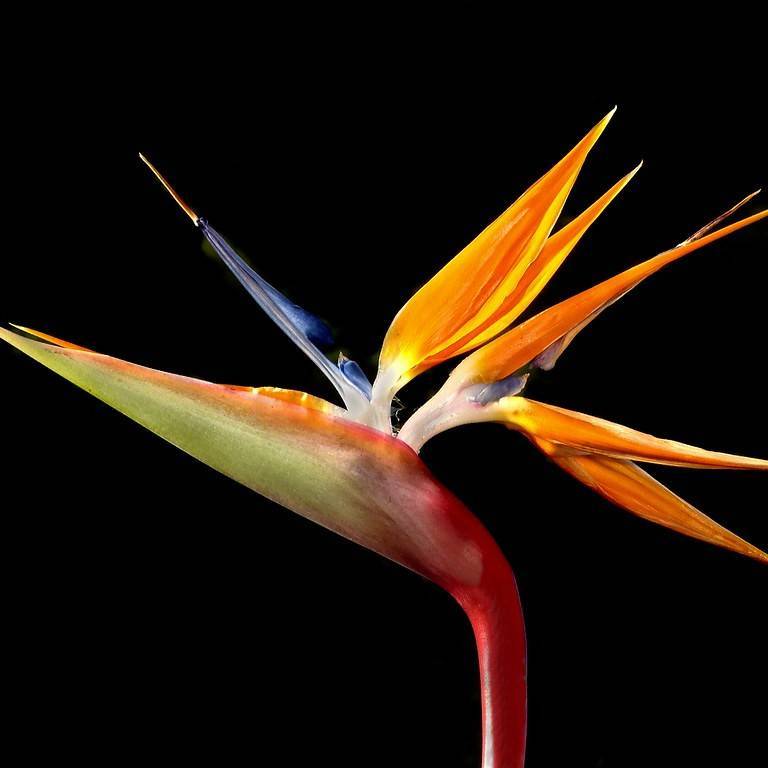
Bird Of Paradise
Strelitzia reginae
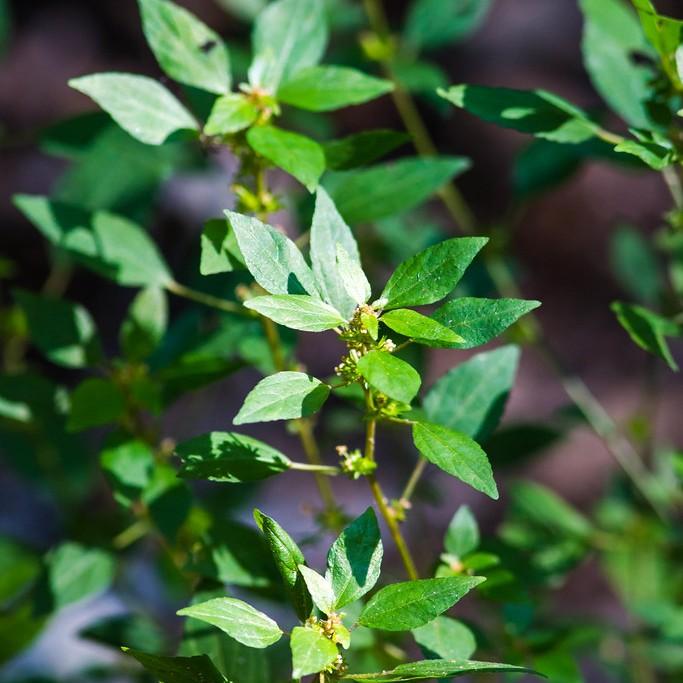
Common Copperleaf
Acalypha wilkesiana
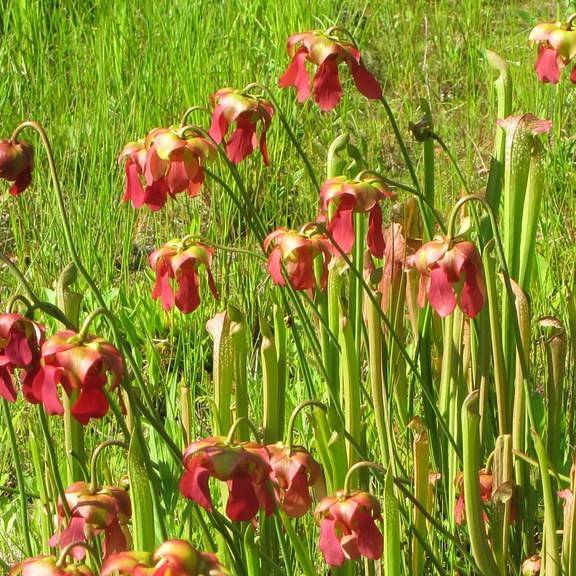
Hybrid Pitcher Plant
Nepenthes × hybrida
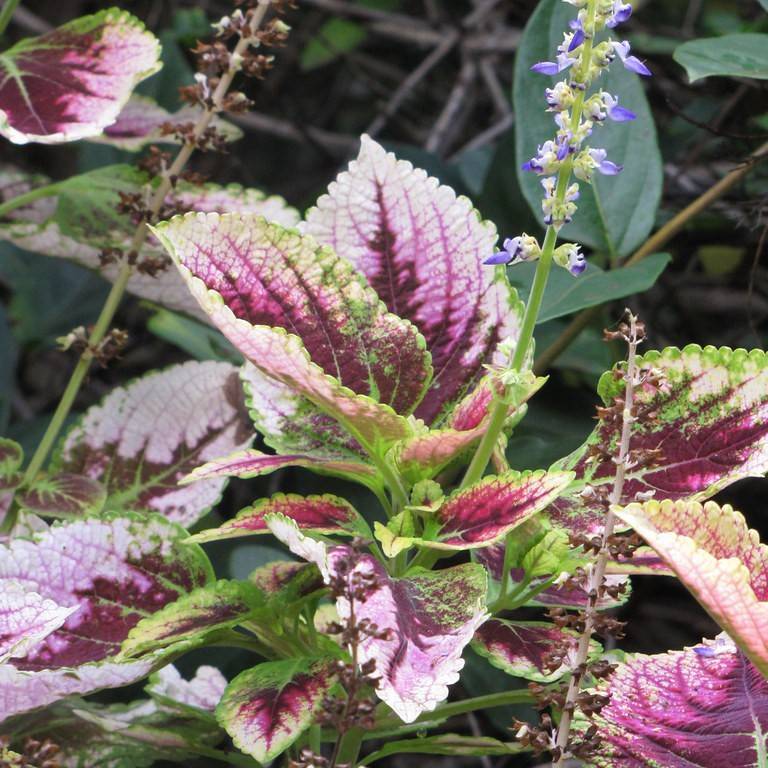
Coleus
Plectranthus scutellarioides (syn. Solenostemon scutellarioides)