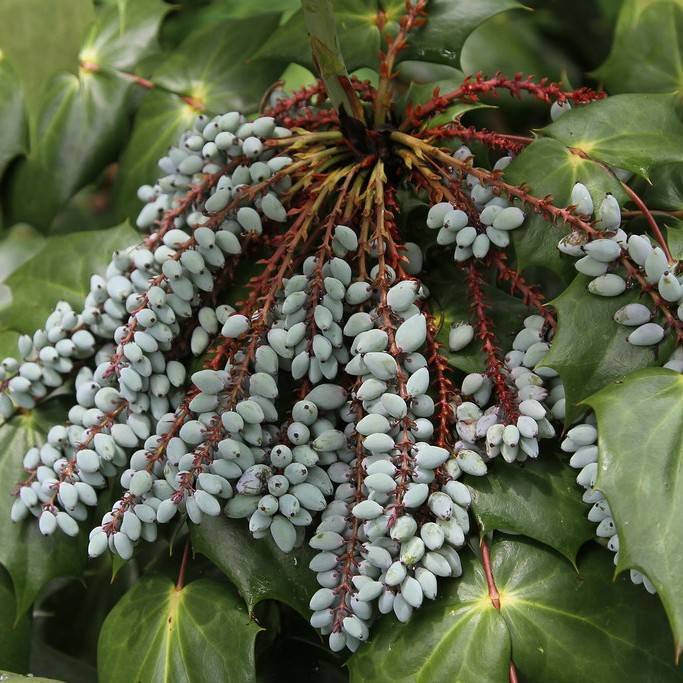
Leatherleaf Mahonia
Mahonia bealei
Overview
Leatherleaf mahonia is a broadleaf evergreen shrub distinguished by its stiff, pinnate leaves lined with sharp spines, giving it a holly-like appearance. In late winter to early spring, it produces drooping clusters of bright yellow, lemon-scented flowers that attract early pollinators, followed by powdery blue-black berries in late summer. It is widely cultivated in temperate regions as a low-fuss accent plant for shaded garden spots, and has naturalized in parts of the southeastern United States.
Care Guide
Watering
Water young leatherleaf mahonia regularly to keep soil consistently moist but not waterlogged, as excess moisture promotes root rot. Established plants are highly drought-tolerant, requiring supplemental watering only during extended periods of hot, dry weather. Avoid overhead watering to reduce the risk of foliar fungal diseases.
Light
Thrives in partial to full shade, making it ideal for understory plantings or north-facing garden spots. It can tolerate short periods of morning sun, but intense direct afternoon sun will scorch its leaves and cause unsightly browning. Too little light may reduce flowering and berry production.
Soil
Prefers moist, well-drained, humus-rich soil with a slightly acidic to neutral pH, between 5.0 and 7.0. It adapts to a wide range of soil types including clay, loam, and sandy soils, as long as drainage is adequate. Avoid waterlogged, heavy clay soils that stay saturated for long periods.
Fertilizer
Fertilize once per year in early spring, before new growth emerges, using a balanced, slow-release shrub fertilizer or a layer of well-rotted compost spread around the root zone. Over-fertilization can lead to excessive, weak growth that is more susceptible to pest damage. Skip fertilization if the plant is growing well and producing abundant flowers.
Temperature
Hardy in USDA zones 7 through 9, tolerating winter temperatures as low as 0°F (-18°C). It prefers cool, temperate climates and may struggle in regions with sustained high heat and humidity above 90°F (32°C). Winter wind can cause leaf desiccation, so plant in a sheltered spot in colder parts of its range.
Pruning
Prune in late spring after flowering has finished to maintain shape and remove any dead, damaged, or crossing branches. You can cut up to one-third of the oldest stems back to the ground every 2-3 years to encourage dense, bushy new growth. Wear thick gloves when pruning, as the sharp leaf spines can cause skin irritation.
Propagation
The most reliable propagation method is semi-hardwood cuttings taken in late summer, rooted in a moist, well-drained rooting medium under indirect light. It can also be grown from fresh seed sown in fall, though seeds require 3-4 months of cold stratification to germinate, and seedlings may take 3-4 years to reach flowering size. Suckers that form around the base of mature plants can be dug up and transplanted in early spring.
Humidity
Adaptable to average outdoor humidity levels between 40% and 70%, which is typical of its temperate growing range. It does not require additional humidity when grown outdoors, though prolonged high humidity paired with poor air circulation can increase fungal disease risk. Indoor cultivation is not common, but if grown inside, maintain moderate humidity to prevent leaf browning.
Repotting
Leatherleaf mahonia is almost exclusively grown outdoors, so repotting is rarely required. Container-grown specimens should be repotted every 2-3 years in early spring, using a high-quality acidic potting mix with good drainage. Choose a pot that is 2-3 inches larger than the root ball to avoid overpotting and excess moisture retention.
Uses & Symbolism
Widely used as a low-maintenance shade shrub in landscape designs, serving as a privacy screen, border planting, or understory accent in woodland gardens. Its fragrant winter blooms provide a critical nectar source for early emerging bees and other pollinators, while the blue berries are a food source for birds. Historically, extracts from its bark and roots have been used in traditional Chinese medicine for their antimicrobial properties, though consumption is not recommended due to toxicity.
Diseases & Pests
Common fungal diseases include leaf spot, powdery mildew, and rust, which occur most often in humid conditions with poor air circulation or overhead watering. Pests such as scale insects, aphids, and whiteflies may infest new growth, sucking sap and causing leaf yellowing or stunted growth. Root rot is a serious risk in waterlogged soils, and can kill the plant quickly if drainage is not improved.
Related plants
Other plants you might like if you grow Leatherleaf Mahonia.
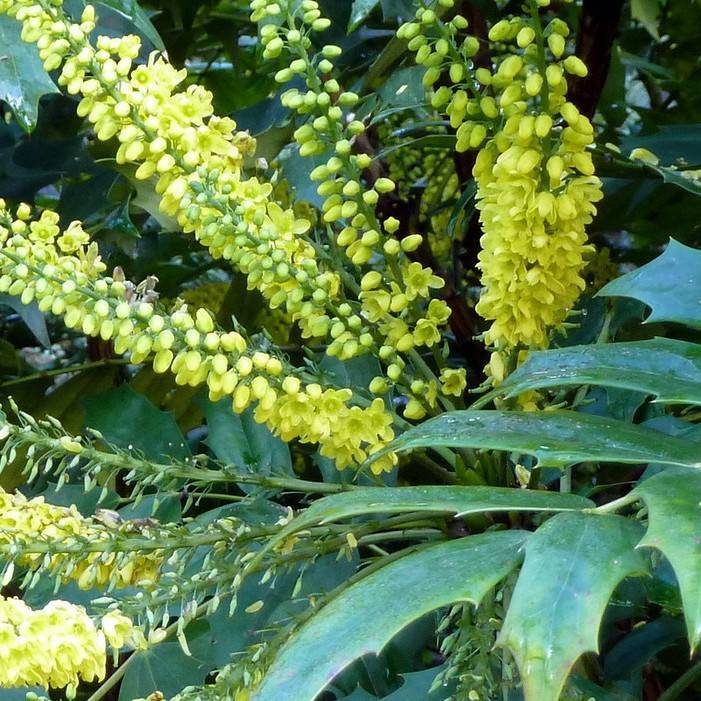
Charity Mahonia
Mahonia x media 'Charity'
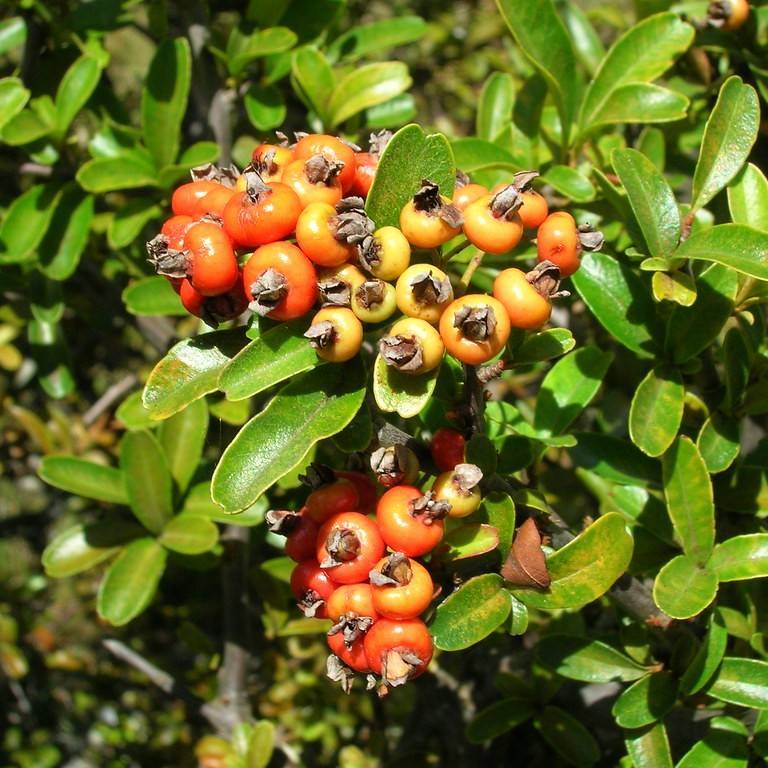
Formosa Firethorn
Pyracantha koidzumii
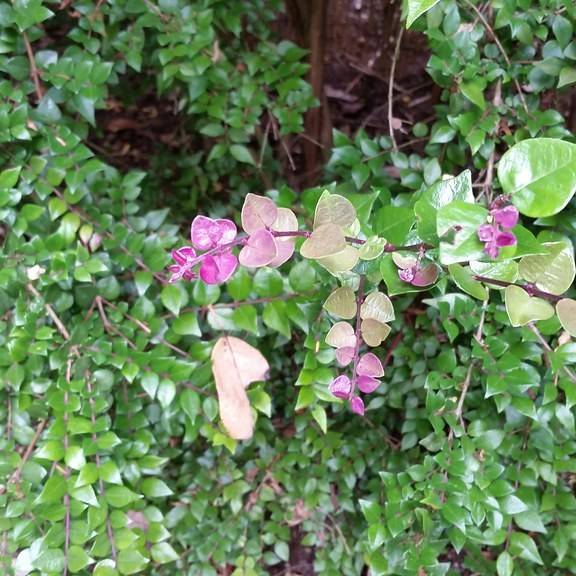
Boxleaf Honeysuckle
Lonicera nitida
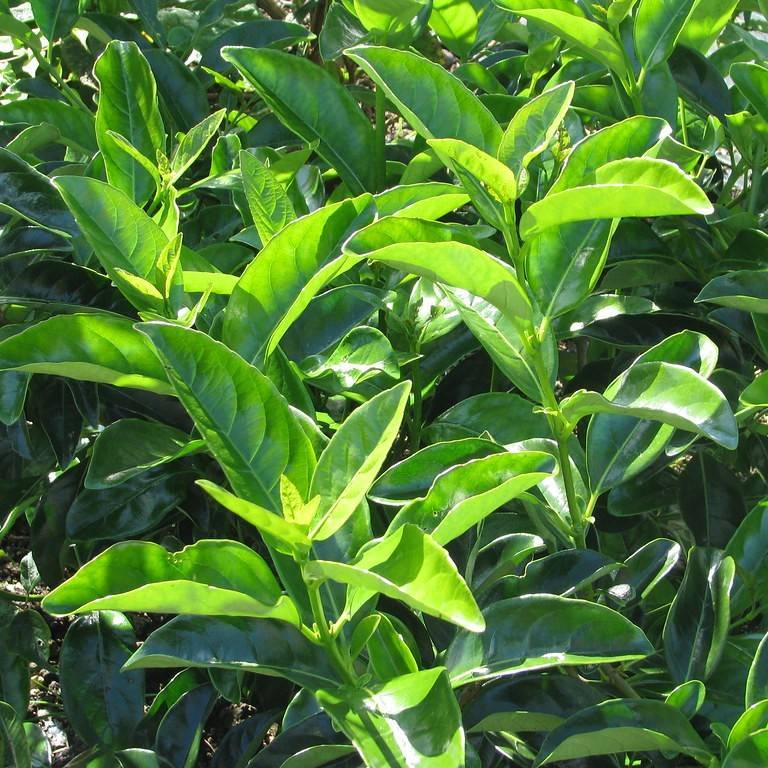
Japanese Viburnum
Viburnum japonicum
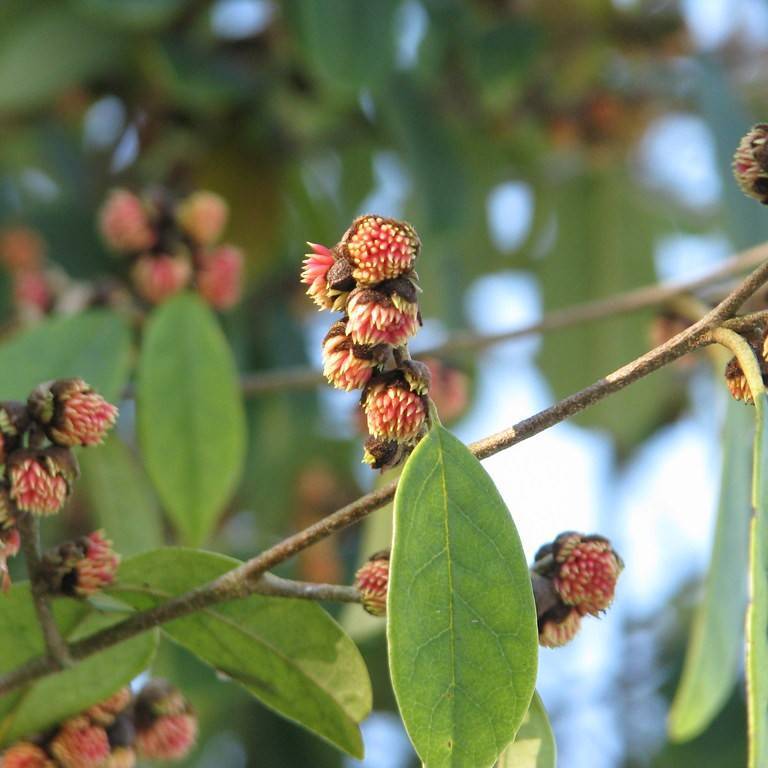
Chinese Fighazel
Sycopsis sinensis
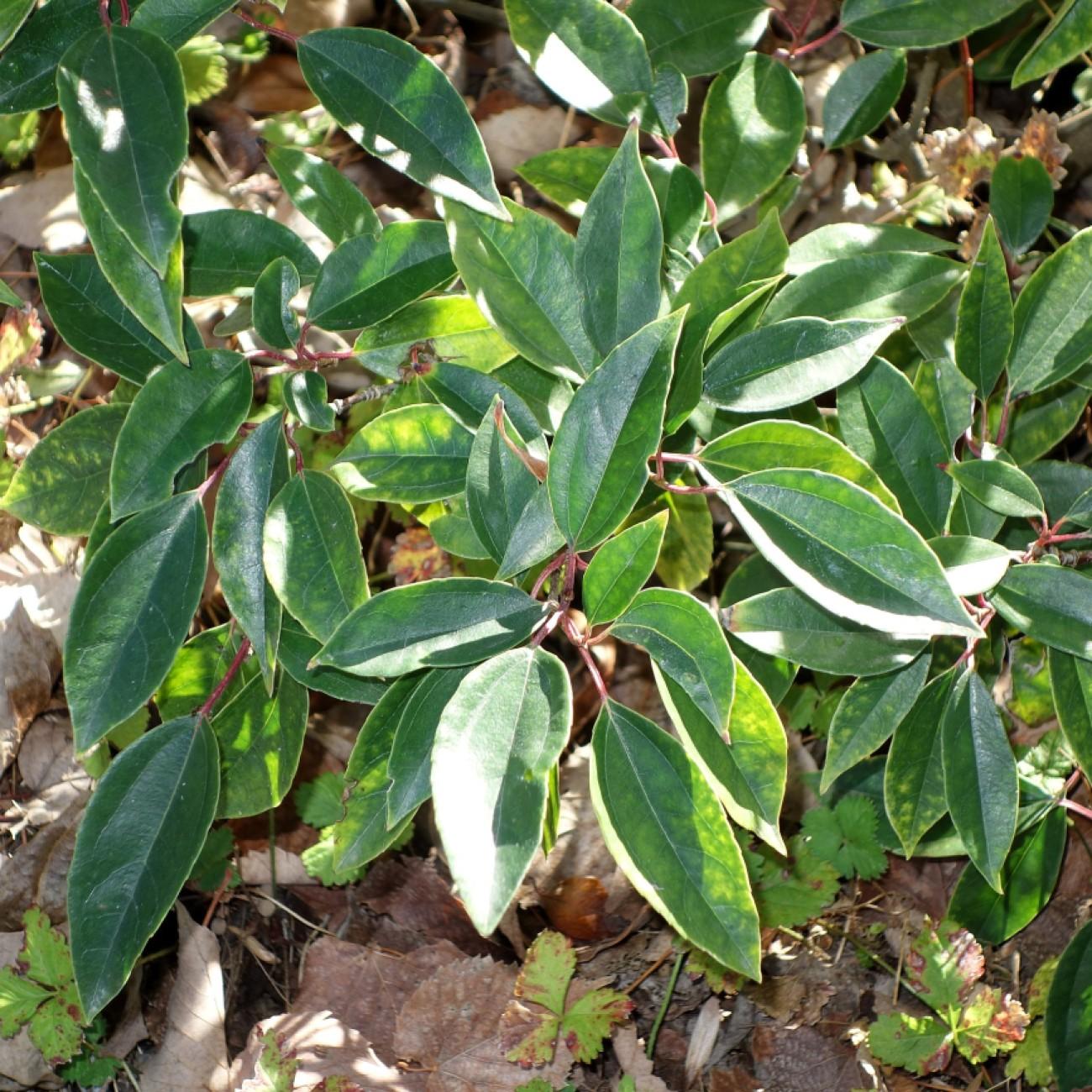
Chinese Viburnum
Viburnum macrocephalum
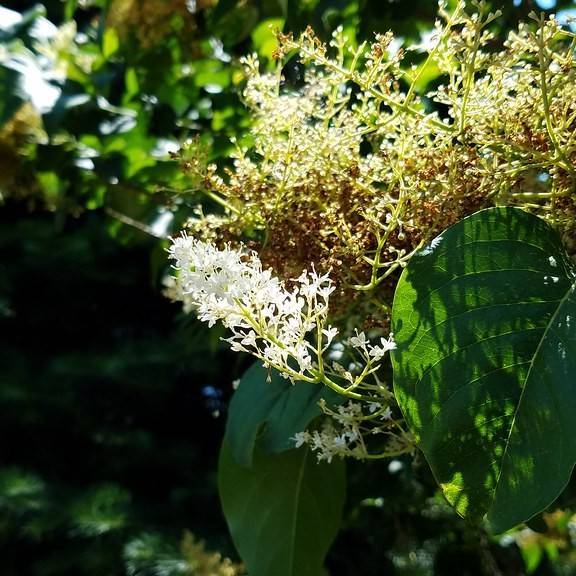
Japanese Tree Lilac
Syringa reticulata subsp. reticulata
Creeping Juniper
Juniperus horizontalis