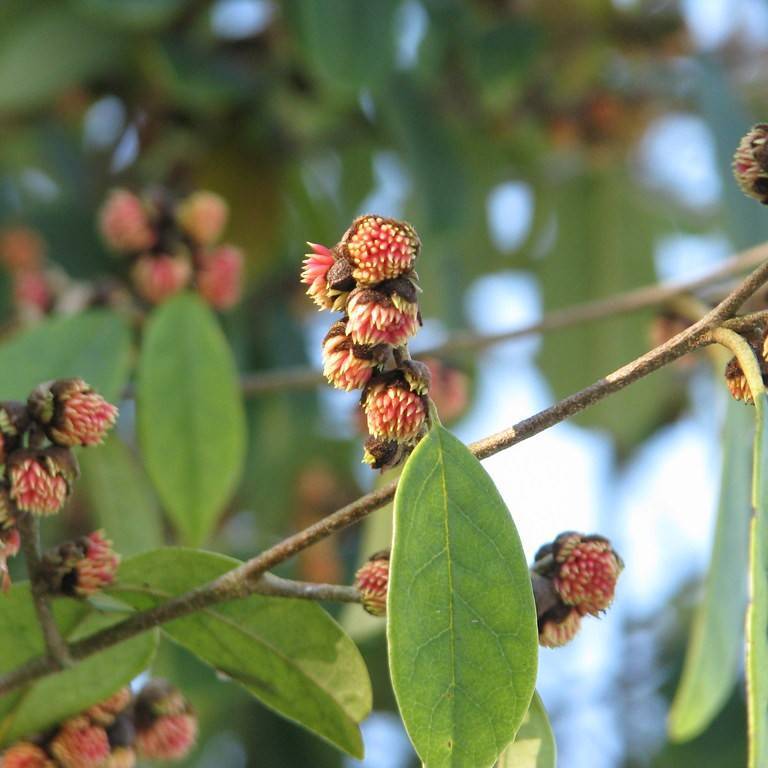
Chinese Fighazel
Sycopsis sinensis
Overview
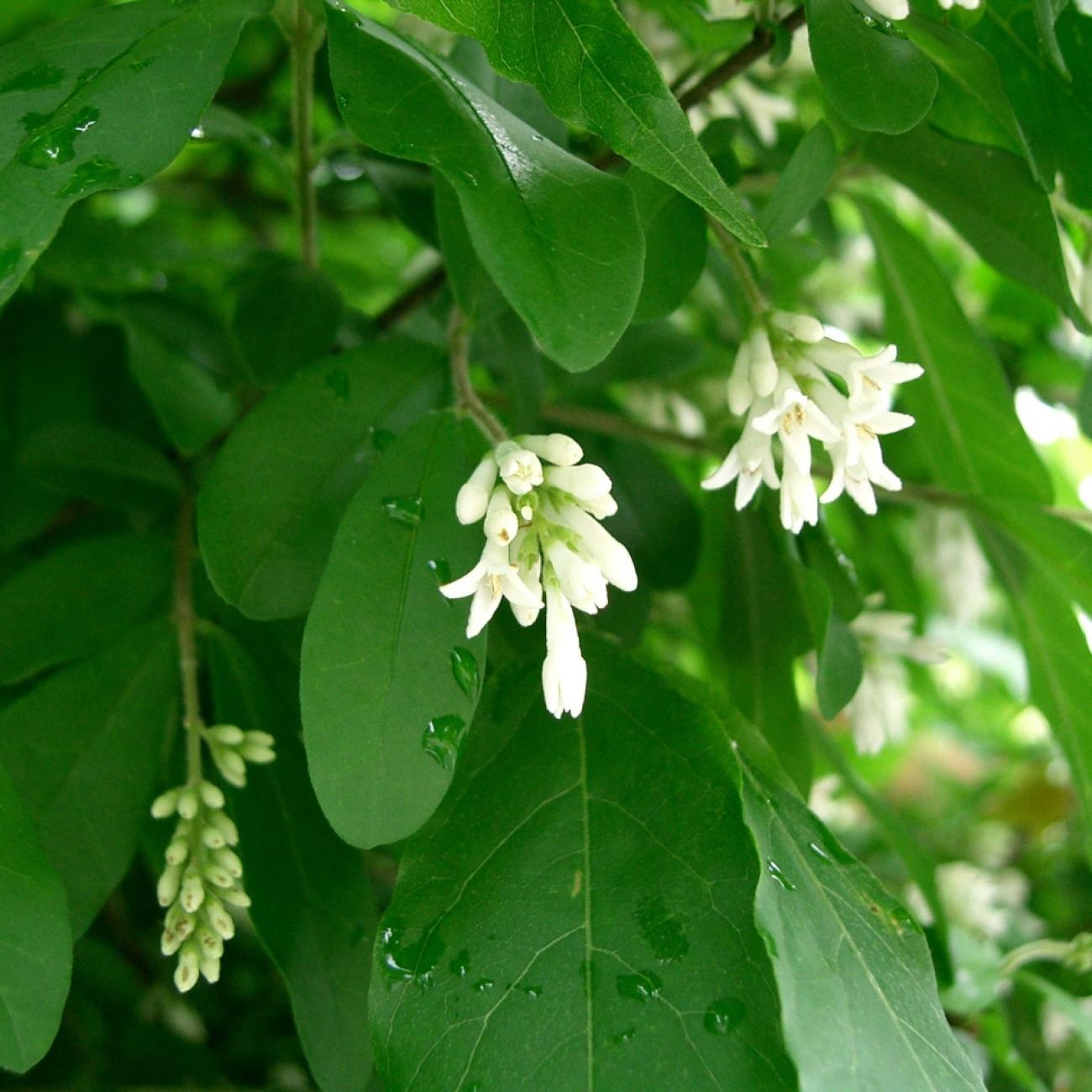
Chinese fighazel is a slow-growing, compact woody plant native to the forest understories and hillsides of subtropical China. It produces clusters of small, fragrant, spidery yellow flowers in late winter to early spring before new foliage emerges, offering early-season pollinator support. Its dark green, glossy leaves persist year-round in mild climates, making it a popular choice for low-maintenance ornamental landscaping.
Care Guide
Watering
Water regularly during the first two growing seasons to establish a deep root system, keeping soil consistently moist but not waterlogged. Once established, it is moderately drought-tolerant, requiring supplemental watering only during extended periods of hot, dry weather. Avoid overwatering, which can lead to root rot in poorly draining soils.
Light
Thrives in partial shade to full sun, though it benefits from protection from intense midday sun in hotter climates to prevent leaf scorch. In cooler regions, it can tolerate full sun for most of the day, producing more abundant blooms with increased light exposure. It grows well in dappled shade under taller deciduous trees, mimicking its native forest habitat.
Soil
Prefers well-drained, slightly acidic to neutral loam soil rich in organic matter, though it adapts to a range of soil types including clay and sandy soils as long as drainage is adequate. It does not tolerate heavy, waterlogged soils or highly alkaline conditions, which can cause nutrient deficiencies and stunted growth. Amend heavy soils with compost or leaf mold before planting to improve structure and nutrient content.
Fertilizer
Apply a balanced, slow-release shrub fertilizer in early spring before new growth emerges to support healthy foliage and bloom production. Avoid over-fertilizing, especially with high-nitrogen formulas, which can promote excessive leaf growth at the expense of flowers. In nutrient-rich soils, fertilization once every 2-3 years is sufficient for established plants.
Temperature
Hardy in USDA zones 7 to 9, tolerating minimum winter temperatures down to 0°F (-18°C) when established. Young plants may require winter protection, such as a layer of mulch around the root zone and burlap wrapping, in the colder end of its range. It tolerates high summer humidity well, as long as air circulation is adequate around the foliage.
Pruning
Prune immediately after flowering ends in spring to maintain desired shape and size, as blooms form on the previous year's growth. Remove dead, damaged, or crossing branches to improve air circulation and reduce the risk of disease. Avoid heavy pruning, as this can reduce bloom production for 1-2 growing seasons.
Propagation
Most commonly propagated from semi-hardwood cuttings taken in mid to late summer, treated with rooting hormone and placed in a well-drained propagation medium under mist. It can also be grown from seed, though seeds require cold stratification for 2-3 months to break dormancy and may take 2-3 years to reach flowering size. Grafting onto compatible rootstock is sometimes used for named cultivars to ensure consistent traits.
Humidity
Adaptable to average ambient humidity levels between 40% and 70%, which aligns with most temperate and subtropical garden conditions. It tolerates higher humidity in its native range as long as air movement is sufficient to prevent fungal growth on foliage. Dry indoor air can cause leaf browning if grown as a potted specimen, so occasional misting is recommended for indoor plants.
Repotting
If grown in containers, repot every 2-3 years in early spring before new growth starts, using a slightly acidic, well-drained potting mix. Choose a pot with ample drainage holes, and only increase pot size by 1-2 inches to avoid excess moisture retention in unused soil. For large potted specimens, top-dress with fresh compost annually instead of full repotting to refresh nutrients.
Uses & Symbolism
Widely used as an ornamental shrub in landscape borders, woodland gardens, and hedgerows, valued for its early spring blooms, evergreen foliage, and low maintenance requirements. Its dense branching structure provides shelter for small birds and pollinators, making it a popular addition to wildlife-friendly gardens. In its native China, extracts from its bark and leaves have been used in traditional folk medicine for their anti-inflammatory properties.
Diseases & Pests
Generally resistant to most common pests and diseases, though it can be susceptible to fungal leaf spots and powdery mildew in conditions of high humidity and poor air circulation. Root rot may occur in poorly drained, waterlogged soils, particularly in cooler winter temperatures. Occasional pests include aphids and scale insects, which can be controlled with horticultural oil or insecticidal soap sprays.
Related plants
Other plants you might like if you grow Chinese Fighazel.
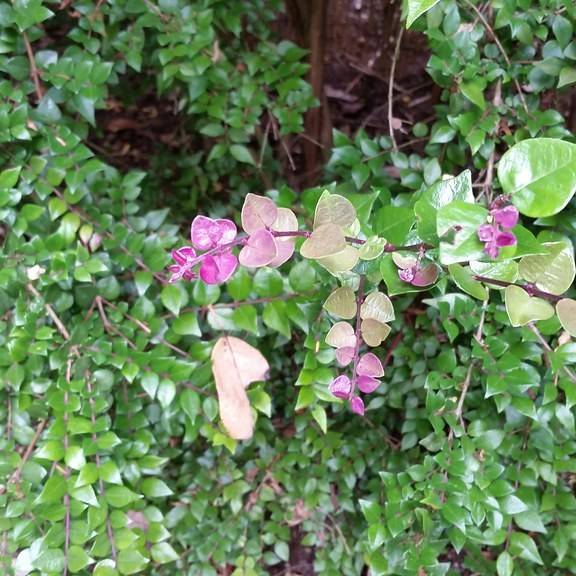
Boxleaf Honeysuckle
Lonicera nitida
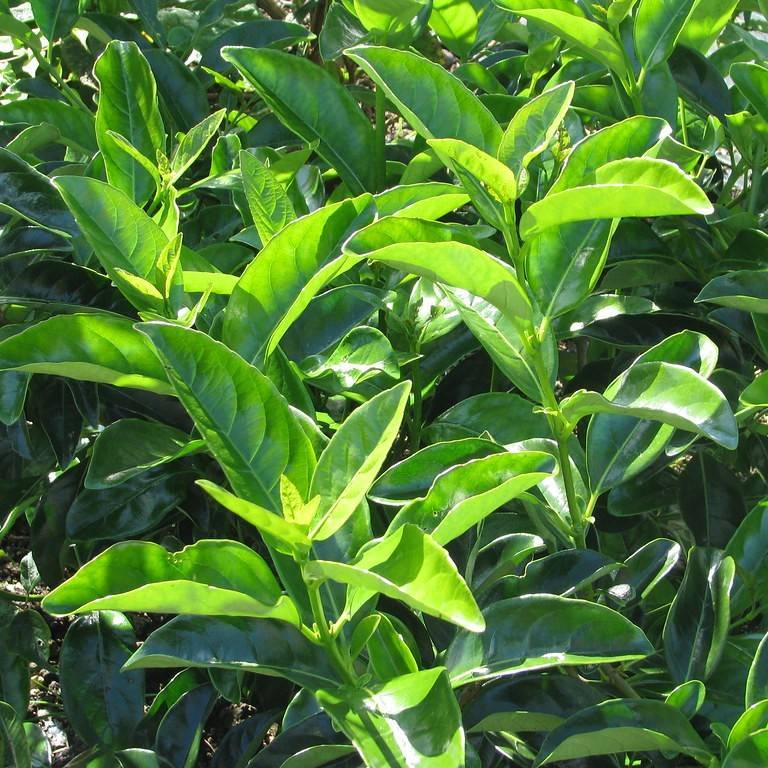
Japanese Viburnum
Viburnum japonicum
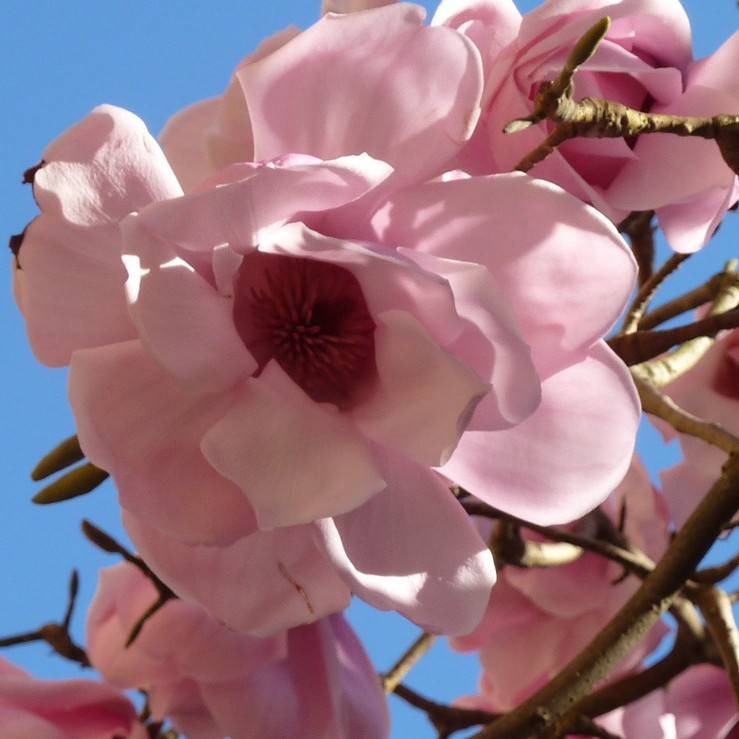
Caerhays Belle Magnolia
Magnolia 'Caerhays Belle'
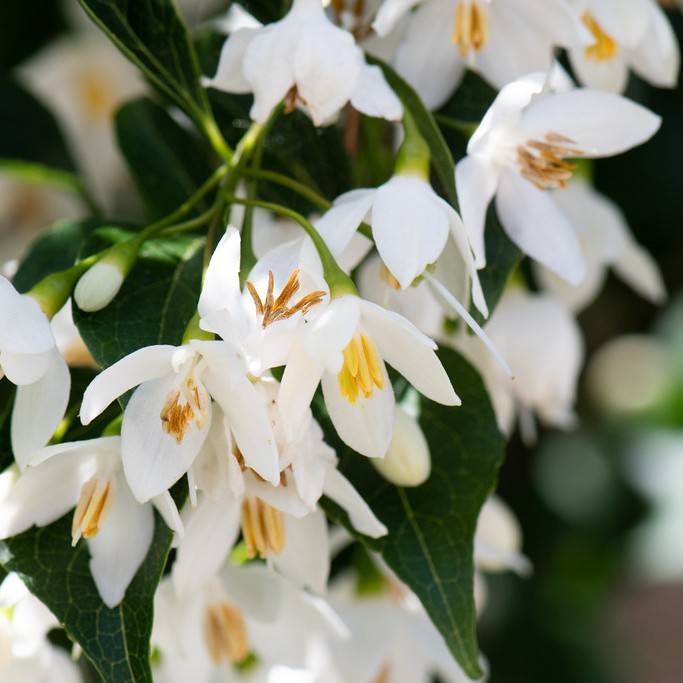
Japanese Snowbell
Styrax japonicus
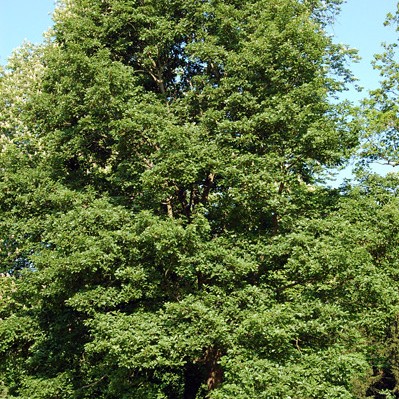
Broad Leaved Linden
Tilia platyphyllos
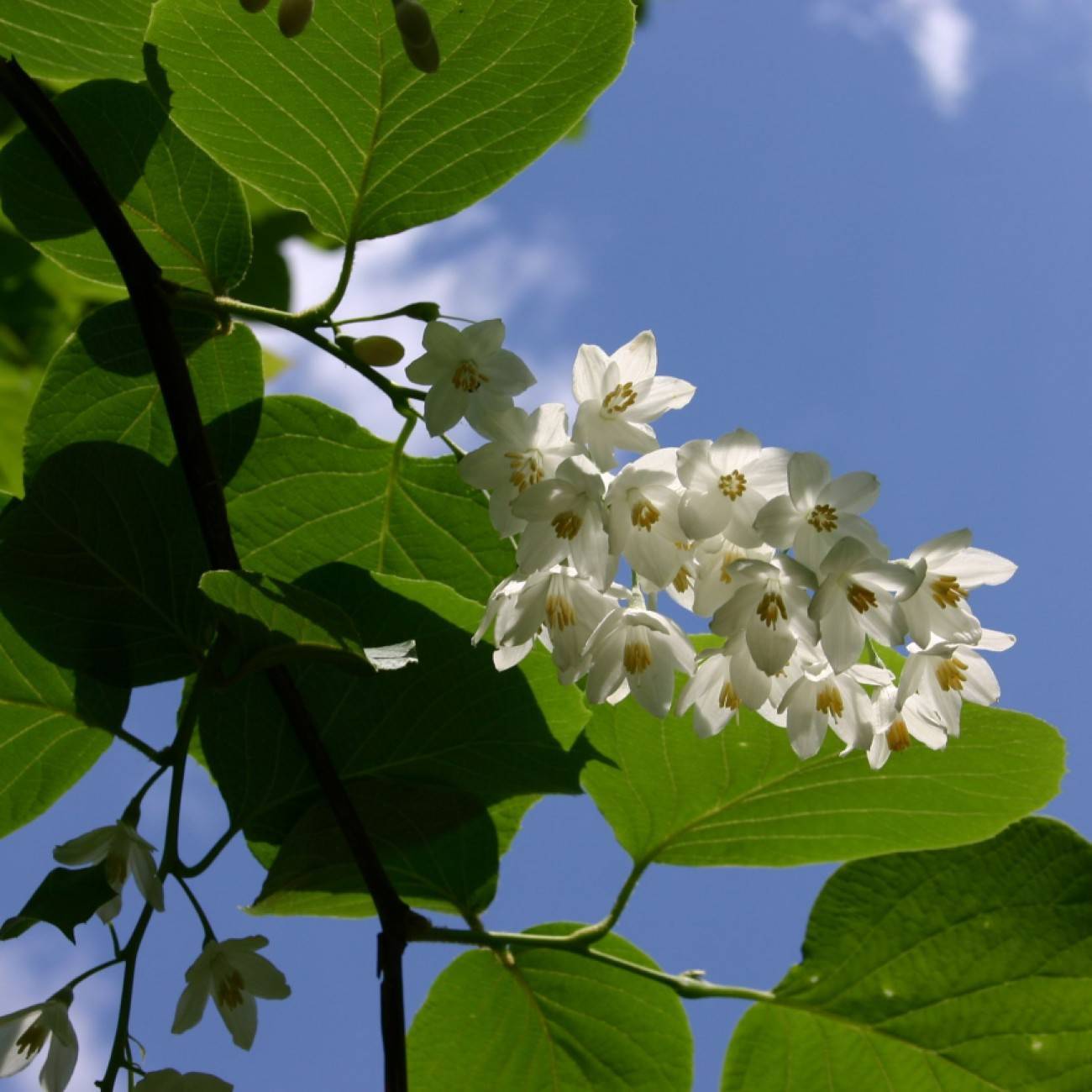
Fragrant Snowbell
Styrax obassia
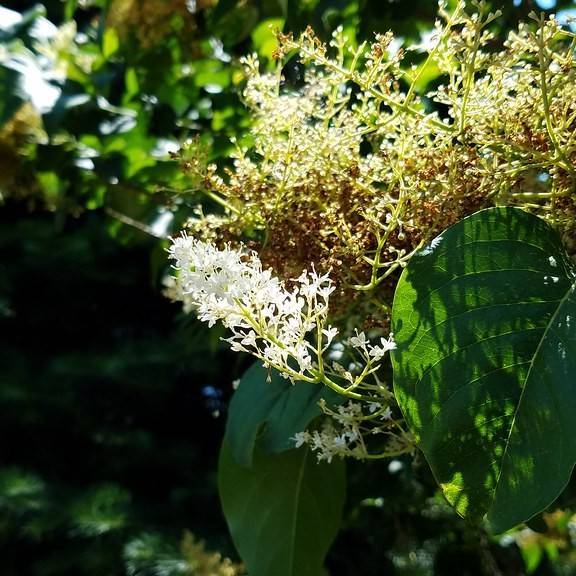
Japanese Tree Lilac
Syringa reticulata subsp. reticulata
Border Privet
Ligustrum obtusifolium