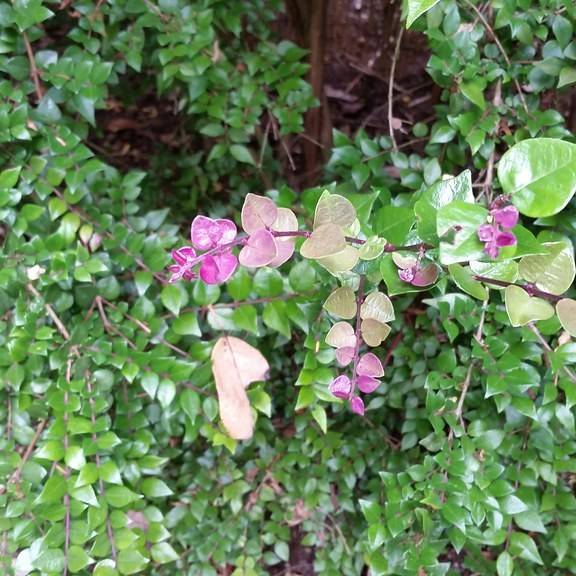
Boxleaf Honeysuckle
Lonicera nitida
Overview
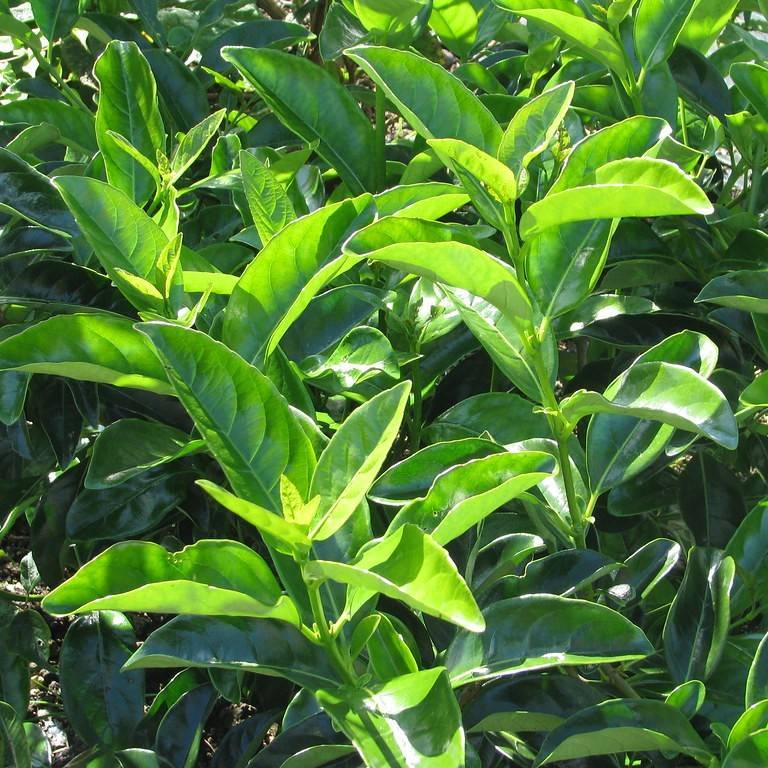
Boxleaf honeysuckle is a compact, fast-growing evergreen shrub prized for its neat, dense growth habit and tolerance of heavy shearing, making it a popular alternative to boxwood in areas prone to box blight. It produces tiny, tubular creamy-white flowers in mid-spring that emit a subtle sweet fragrance, followed by small, inedible dark purple berries in late summer that attract birds. Native to mountainous regions of western China, it has become a staple in temperate landscape designs for low hedges, border edging, topiary, and groundcover plantings.
Care Guide
Watering
Water newly planted boxleaf honeysuckle regularly for the first 1-2 years to establish a deep root system, keeping soil consistently moist but not waterlogged. Mature plants are drought-tolerant, requiring supplemental watering only during prolonged dry spells, as overwatering increases risk of root rot. Avoid watering the foliage directly to reduce fungal disease risk, applying water at the base of the shrub instead.
Light
Thrives in full sun to partial shade, with full sun exposure promoting the densest, most compact growth and heaviest flowering. It can tolerate deep shade, though growth will become sparser and less vigorous over time, with reduced flower production. In regions with extremely hot summer sun, light afternoon shade prevents leaf scorch, while cooler climates benefit from full sun placement.
Soil
Adaptable to a wide range of well-drained soil types, including loam, sand, and clay, preferring a neutral to slightly alkaline pH between 6.0 and 8.0. It tolerates moderately acidic soil but struggles in overly acidic, waterlogged conditions that suffocate roots. Amending heavy clay soils with compost or coarse sand at planting time improves drainage and supports healthier root development.
Fertilizer
Feed established plants once annually in early spring with a balanced, slow-release granular fertilizer formulated for woody shrubs, to support new growth and overall health. Avoid over-fertilizing, particularly with high-nitrogen formulas, as this promotes excessive soft growth that is more susceptible to frost damage and pest infestations. Container-grown specimens benefit from a diluted liquid fertilizer applied every 4-6 weeks during the active growing season from spring to late summer.
Temperature
Hardy in USDA zones 6 through 9, tolerating winter temperatures as low as -10°F (-23°C) when established. Young plants may require winter protection, such as a layer of mulch around the base and burlap wrapping in areas with harsh, cold winds to prevent desiccation. It tolerates high summer temperatures well, though extended periods above 95°F (35°C) may cause temporary leaf drop if moisture is insufficient.
Pruning
Tolerates very heavy pruning, best done 1-2 times per year during the active growing season, typically in late spring after flowering and again in mid-summer to maintain a neat shape. Avoid pruning after late summer, as new growth stimulated late in the season may be damaged by early fall frosts. Overgrown, leggy specimens can be rejuvenated by cutting back hard to 6-12 inches (15-30 cm) above ground level in early spring, before new growth emerges.
Propagation
Most easily propagated from semi-hardwood cuttings taken in mid to late summer, using 4-6 inch (10-15 cm) stem sections with lower leaves removed, dipped in rooting hormone, and placed in moist, well-drained potting mix under indirect light. It can also be grown from seed, though seeds require 3 months of cold stratification to germinate, and seedlings may not retain the exact growth characteristics of the parent plant. Layering is another simple method, where low-hanging stems are pinned to the soil surface and left to root for 1-2 growing seasons before being separated from the parent plant.
Humidity
Adaptable to average outdoor humidity levels between 40% and 70%, requiring no special humidity adjustments when grown in landscape settings. Container-grown indoor specimens benefit from occasional misting during very dry winter heating seasons to prevent leaf browning at the edges. High humidity combined with poor air circulation increases risk of fungal leaf spots, so ensure proper spacing between plants to promote airflow.
Repotting
Container-grown boxleaf honeysuckle should be repotted every 2-3 years in early spring, before new growth begins, moving to a pot one size larger with fresh, well-drained potting mix. When repotting, gently loosen tangled roots and trim any excessively long or rotted root sections to encourage healthy new root growth. Mature specimens can be kept in the same pot long-term by root pruning every 3-4 years, removing the outer 1-2 inches of root ball and replacing with fresh soil to prevent the plant from becoming root-bound.
Uses & Symbolism
Widely used in landscaping as a low formal hedge, border edging, topiary specimen, or erosion-controlling groundcover, valued for its dense evergreen foliage and high shear tolerance. It is a popular alternative to common boxwood (Buxus sempervirens) in regions where box blight and box tree moth infestations are prevalent, offering similar visual appeal with greater pest and disease resistance. The fragrant spring flowers support pollinators including bees and butterflies, while the late summer berries provide a food source for native bird species.
Diseases & Pests
Generally resistant to most common pests and diseases, though it may occasionally suffer from powdery mildew, leaf spot, and root rot in overly wet, poorly drained conditions or areas with poor air circulation. Aphids, scale insects, and spider mites may infest stressed plants, particularly those grown in overly dry or shaded locations, and can be controlled with horticultural oil or insecticidal soap sprays. Unlike boxwood, it is not susceptible to box blight or box tree moth, making it a hardy, low-maintenance substitute for formal hedging in affected regions.
Related plants
Other plants you might like if you grow Boxleaf Honeysuckle.