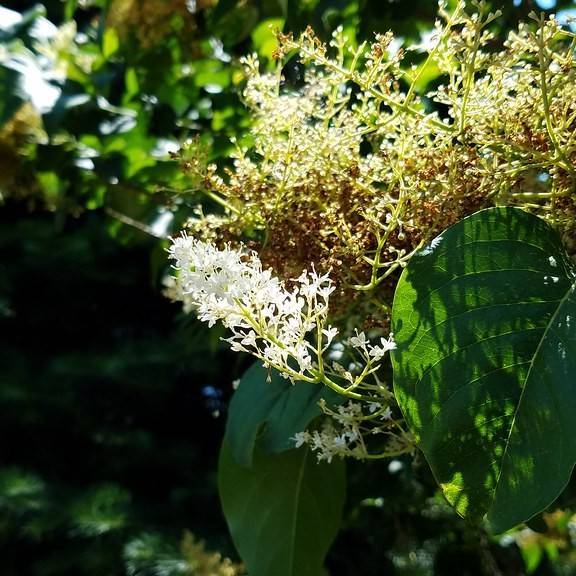
Japanese Tree Lilac
Syringa reticulata subsp. reticulata
Overview
Japanese Tree Lilac is a deciduous woody plant distinguished from smaller shrub lilacs by its single or multi-stemmed tree form, smooth reddish-brown cherry-like bark, and large, airy flower clusters. It blooms later than common shrub lilacs, typically in early to mid-summer, extending the lilac flowering season for gardeners. It is highly adaptable to urban conditions, making it a popular choice for street plantings, public landscapes, and larger residential yards.
Care Guide
Watering
Water newly planted Japanese Tree Lilacs deeply once or twice weekly for the first two growing seasons to establish a robust root system, letting the top 2-3 inches of soil dry out between waterings. Mature, established trees are drought-tolerant, requiring supplemental watering only during extended periods of hot, dry weather. Avoid overwatering or planting in waterlogged sites, as this can lead to root rot.
Light
Plant Japanese Tree Lilac in full sun, defined as a minimum of 6 hours of direct unfiltered sunlight per day, to encourage the heaviest bloom production and densest, most uniform growth. It can tolerate very light dappled shade, but reduced sunlight will lead to sparser flower clusters, leggier growth, and increased susceptibility to fungal diseases.
Soil
This adaptable tree thrives in well-drained, loamy soils with a neutral to slightly alkaline pH between 6.5 and 7.5, though it can tolerate a range of soil types including clay, sandy, and compacted urban soils. It cannot survive in consistently wet, poorly drained soils, so amend heavy clay sites with compost or grit before planting to improve drainage if necessary. Soil fertility can be low to moderate, as overly rich soils can promote excessive leaf growth at the expense of blooms.
Fertilizer
Apply a balanced, slow-release granular 10-10-10 fertilizer once per year in early spring, just before new leaf growth emerges, scattering it evenly around the drip line of the tree and watering it in thoroughly. Avoid fertilizing after mid-summer, as this can stimulate tender new growth that will be damaged by cold winter temperatures. Mature, well-established trees often require no additional fertilizer if they are planted in reasonably fertile soil and show healthy growth.
Temperature
Japanese Tree Lilac is exceptionally cold-hardy, suitable for USDA hardiness zones 3 through 7, tolerating winter temperatures as low as -40°F (-40°C) without significant damage. It prefers cool to moderate summer temperatures, and may experience leaf scorch or reduced bloom in regions with consistently hot, humid summers above 90°F (32°C). Winter temperature fluctuations, such as rapid thawing and freezing, can cause bark splitting on young trees, so wrap thin trunks in tree wrap in late fall for the first 3-5 years after planting.
Pruning
Prune Japanese Tree Lilac immediately after flowering finishes in mid-summer, as flower buds for the next year form on old wood; pruning in fall, winter, or early spring will remove developing buds and reduce bloom for the coming season. Remove any dead, damaged, or crossing branches first, then thin out crowded inner growth to improve air circulation and reduce fungal disease risk. For a single-stem tree form, prune away lower suckers and side branches on the main trunk as the tree grows, or leave multiple stems for a more natural, bushy tree shape.
Propagation
The most reliable method for home gardeners to propagate Japanese Tree Lilac is through softwood cuttings taken in early summer, selecting 4-6 inch long new growth shoots, dipping the cut end in rooting hormone, and placing them in a moist, well-drained rooting medium under high humidity. It can also be propagated from seed collected from dried seed heads in fall, but seed-grown trees will not retain the exact characteristics of the parent plant and may take 5-7 years to bloom for the first time. Grafting onto hardy lilac rootstock is the method most commonly used by commercial nurseries to ensure consistent, true-to-type plants.
Humidity
Japanese Tree Lilac prefers moderate humidity levels between 40% and 60%, which is typical of its native temperate Asian range. It can tolerate lower humidity levels in arid regions if provided with adequate soil moisture, but high, prolonged humidity above 70% can increase the risk of powdery mildew and other fungal leaf diseases. Ensure proper spacing between plants and regular pruning to improve air flow, which helps reduce humidity buildup around the foliage in more humid climates.
Repotting
Japanese Tree Lilac is a large, woody landscape tree not suitable for long-term container growth, so repotting is only required for young nursery stock before permanent outdoor planting. When transplanting potted young trees to the landscape, dig a hole twice as wide as the root ball and the same depth, gently loosen bound roots, and backfill with native soil amended with a small amount of compost to encourage root spread. Ensure the root flare sits slightly above soil level to prevent rotting, and water thoroughly after planting to settle the soil around the roots.
Uses & Symbolism
Japanese Tree Lilac is widely used as a specimen tree in residential landscapes, as a street tree in urban areas, or planted in rows as a tall, flowering privacy screen. Its fragrant blooms attract pollinators including bees, butterflies, and hummingbirds, making it a valuable addition to pollinator gardens. The dense, rounded canopy provides light summer shade, and its attractive peeling bark adds visual interest to winter landscapes.
Diseases & Pests
Japanese Tree Lilac is far less susceptible to common lilac pests and diseases than shrub lilac varieties, though it can occasionally develop powdery mildew, leaf spot, or verticillium wilt in conditions of high humidity and poor air circulation. Common pests include lilac borers, which tunnel into the wood of stressed trees, and scale insects, which feed on sap along stems and leaf undersides. Proper cultural care, including full sun planting, adequate spacing, and avoidance of overwatering, prevents most disease and pest issues.
Related plants
Other plants you might like if you grow Japanese Tree Lilac.
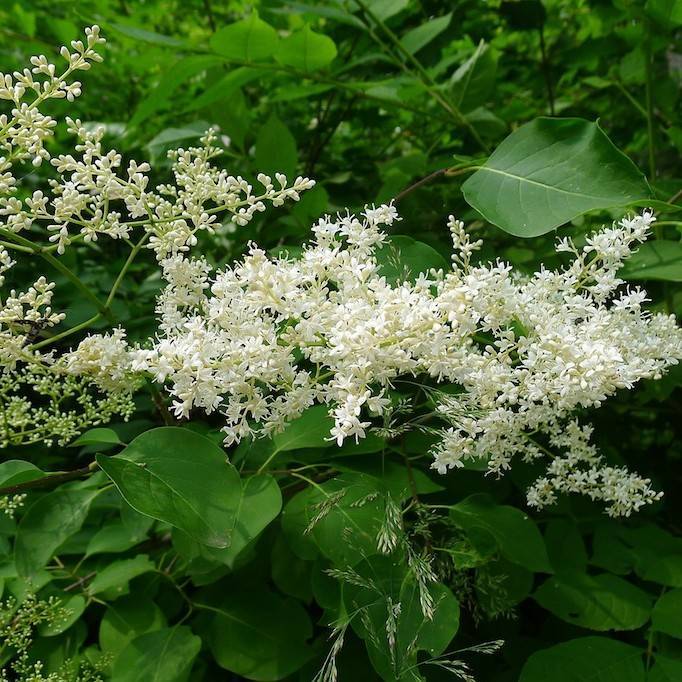
Chinese Tree Lilac
Syringa reticulata subsp. pekinensis
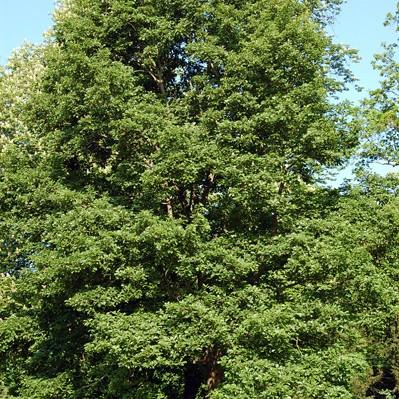
European Linden
Tilia × europaea
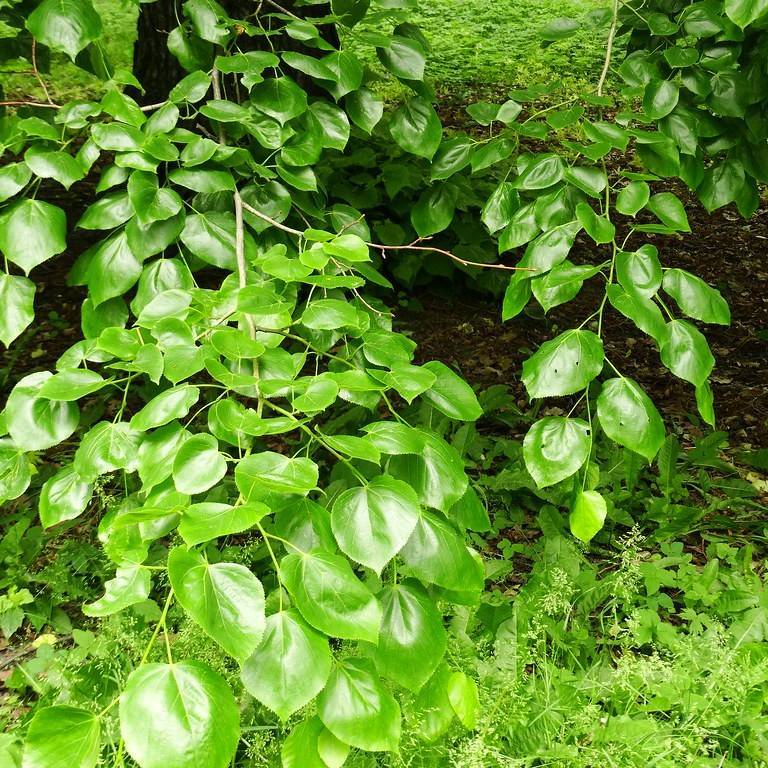
Caucasian Linden
Tilia euchlora
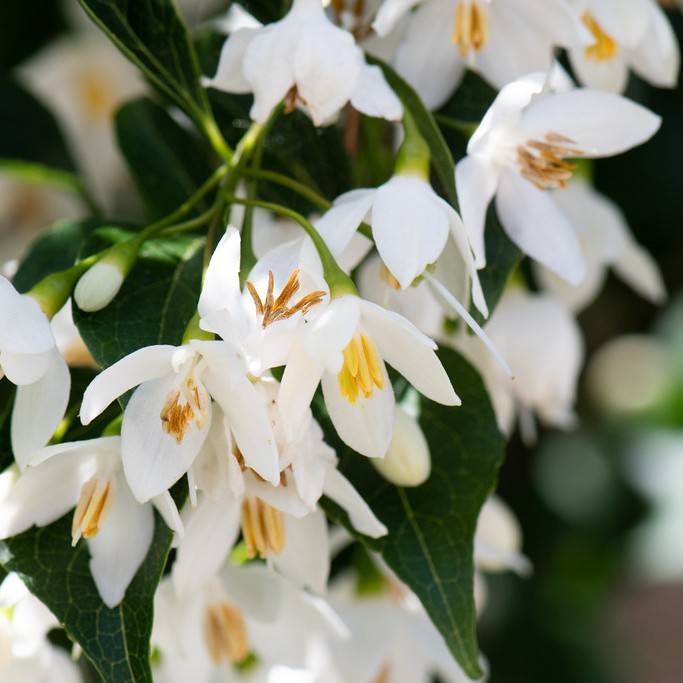
Japanese Snowbell
Styrax japonicus
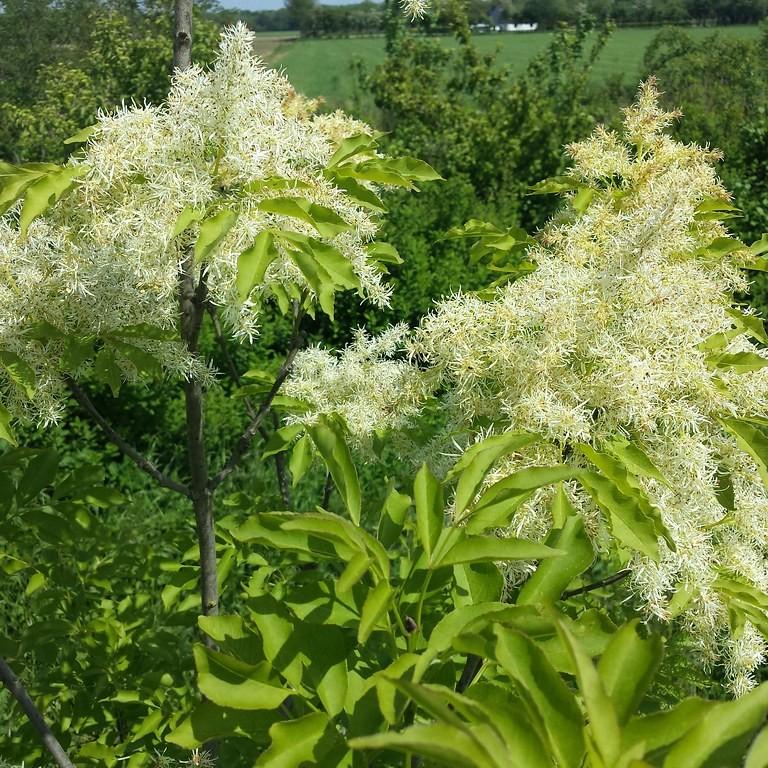
Flowering Ash
Fraxinus ornus
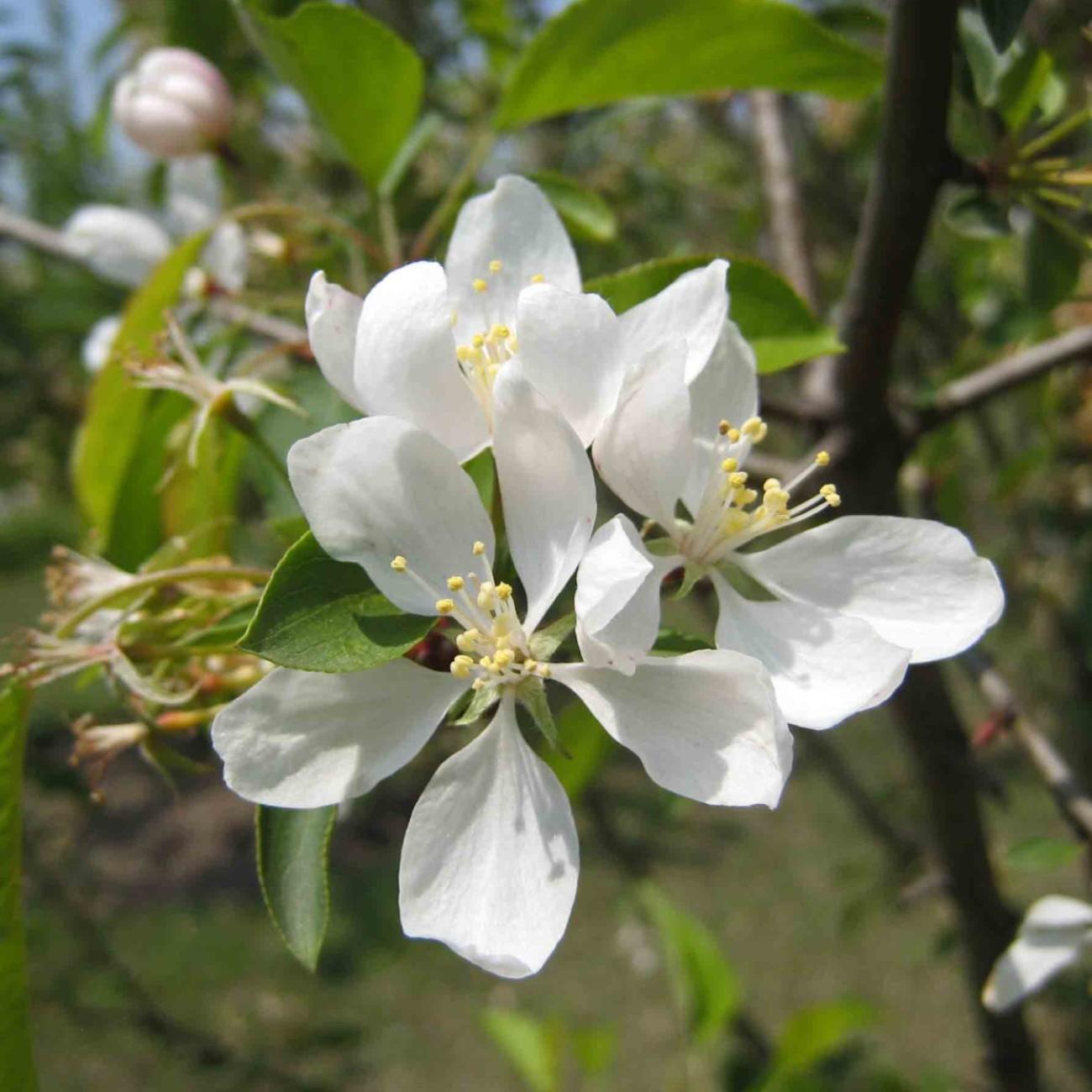
Crabapple
Malus sylvestris, Malus coronaria, and hybrid Malus cultivars
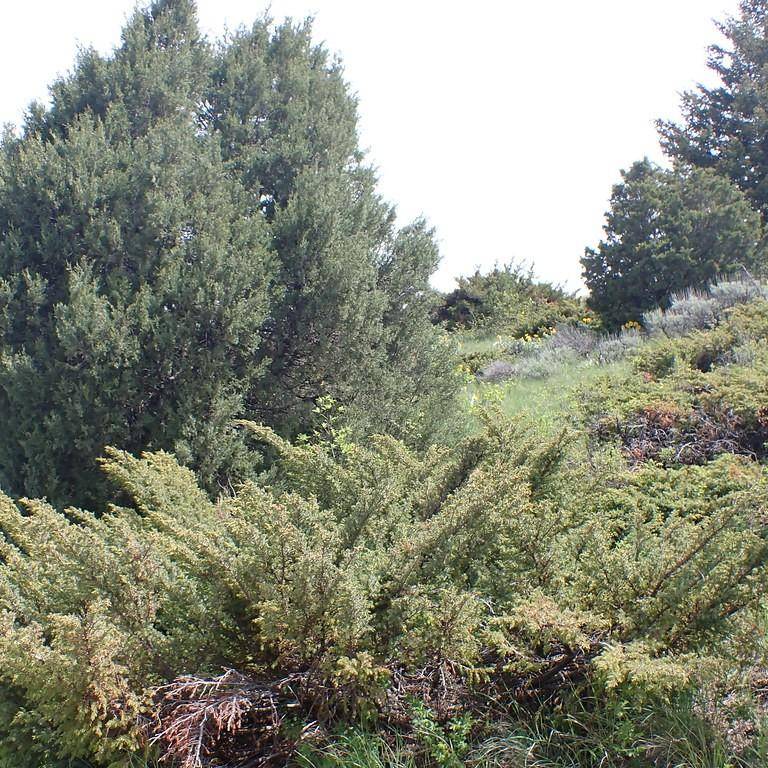
Creeping Juniper
Juniperus horizontalis
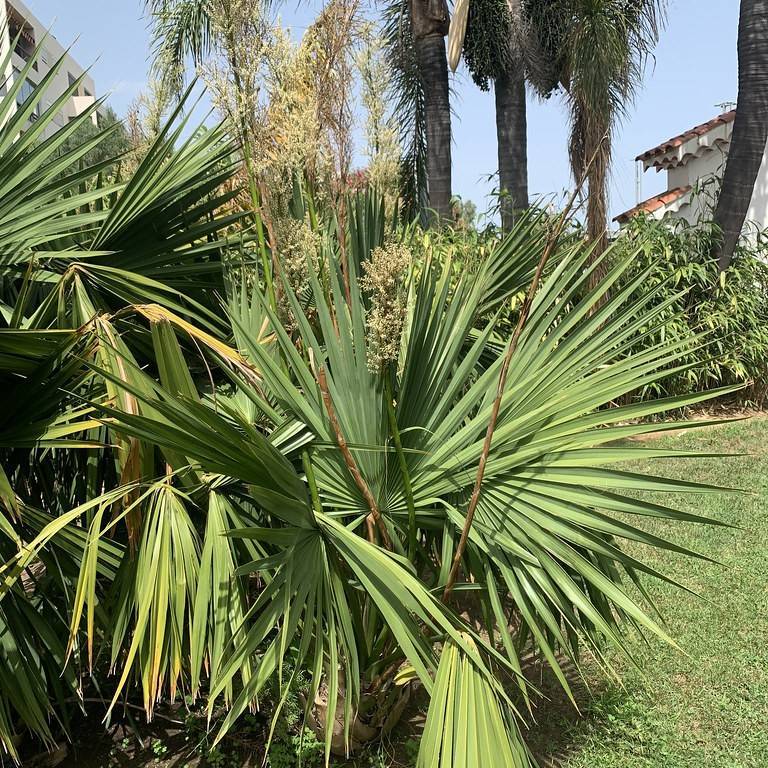
Dwarf Palmetto
Sabal minor