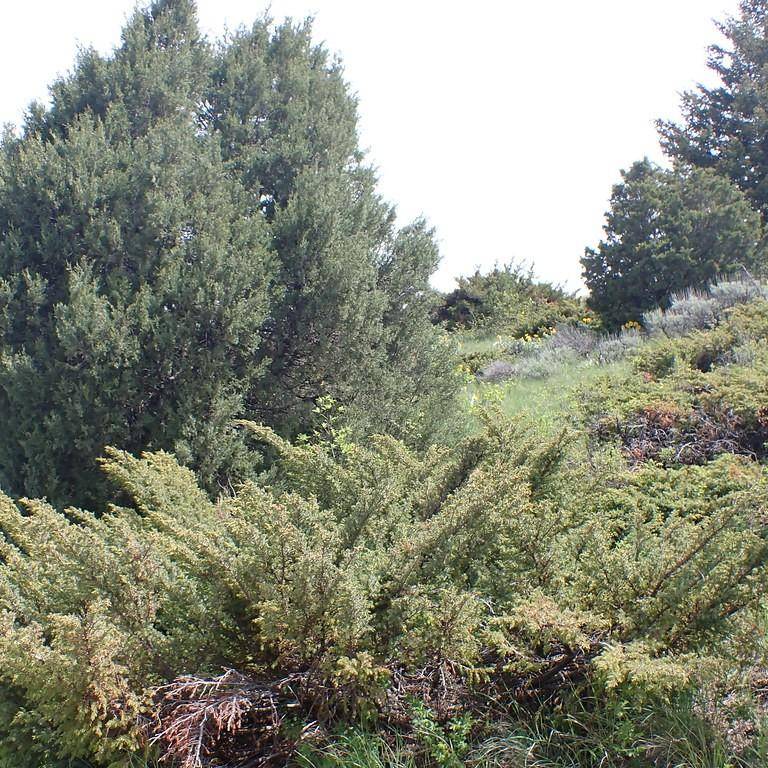
Creeping Juniper
Juniperus horizontalis
Overview
Creeping juniper is a low-spreading conifer that forms dense, mat-like colonies across its native rocky slopes, sand dunes, and prairie edges. Its foliage shifts from soft blue-green in the growing season to muted purple or bronze tones in cold winter months, adding year-round visual interest. Female plants produce small, waxy, berry-like cones that provide food for native bird species, while its dense root system helps stabilize soil on sloped sites. It is one of the most widely planted ground cover junipers for temperate landscapes due to its exceptional hardiness and low maintenance needs.
Care Guide
Watering
Water newly planted creeping junper deeply once or twice weekly for the first growing season to establish a strong root system, allowing the top 2 inches of soil to dry out between waterings. Once established, it is highly drought tolerant, requiring only occasional watering during prolonged periods of extreme heat or dryness. Avoid overwatering or allowing the plant to sit in saturated soil, as this can quickly lead to root rot.
Light
Creeping juniper thrives in full sun, requiring at least 6 hours of direct, unfiltered sunlight per day to maintain its dense growth habit and vibrant foliage color. It can tolerate very light partial shade, but growth will become sparse, leggy, and more susceptible to disease if grown in heavily shaded locations. Planting in full sun also helps reduce moisture retention on foliage that can contribute to fungal issues.
Soil
This adaptable conifer grows best in well-drained, sandy or rocky soil with a slightly acidic to neutral pH range between 5.0 and 7.0. It tolerates poor, nutrient-deficient soils, including dry, gravelly sites and saline soils common in coastal or winter road salt-exposed areas, making it ideal for challenging landscape locations. Heavy clay soils that retain moisture are unsuitable; amend heavy soils with coarse sand or gravel to improve drainage before planting.
Fertilizer
Creeping juniper has very low nutrient needs and typically does not require regular fertilization to thrive. If growth is slow or foliage appears pale, apply a balanced, slow-release evergreen fertilizer at half the recommended rate in early spring before new growth emerges. Avoid over-fertilizing, as this can cause excessive, leggy growth that disrupts the plant’s natural creeping habit and reduces its cold hardiness.
Temperature
Creeping juniper is exceptionally cold hardy, tolerating winter temperatures as low as -50°F (-46°C) in USDA hardiness zones 3 through 9. It adapts well to a wide range of summer temperatures, thriving even in hot, dry conditions as long as it is planted in well-drained soil. Young plants may benefit from a light layer of winter mulch to protect roots from extreme temperature fluctuations in their first 1 to 2 years of growth.
Pruning
Pruning is rarely required for creeping juniper, as it maintains its low, spreading habit naturally with minimal intervention. If desired, trim back stray or overgrown branches in early spring before new growth appears to shape the plant or contain its spread to desired landscape areas. Avoid cutting back into old, woody bare stems, as these will not produce new foliage, leaving unsightly gaps in the mat.
Propagation
Creeping juniper is most easily propagated from semi-hardwood cuttings taken in late summer or early fall, when new growth has partially matured. Dip cut ends in rooting hormone, plant in a well-drained, sterile rooting medium, and keep consistently moist and shaded until roots develop, which typically takes 3 to 6 months. It can also be grown from seed, but seeds require cold stratification for 3 to 4 months and have very slow germination rates, making this method far less common for home cultivation.
Humidity
Creeping juniper tolerates a wide range of humidity levels, thriving in both dry, arid climates and moderately humid temperate regions. Good air circulation around the foliage is important to reduce the risk of fungal diseases, especially in areas with high summer humidity. It does not require any supplemental humidity, even when grown in dry indoor or greenhouse environments.
Repotting
Creeping juniper is rarely grown in containers long-term, but if potted for temporary landscape use or bonsai cultivation, repot every 2 to 3 years in early spring before new growth begins. Use a coarse, well-drained potting mix designed for conifers or cacti, and prune back up to one-third of the root ball to keep the plant compact and prevent it from becoming root-bound. Ensure the container has ample drainage holes to prevent waterlogging, which is the most common cause of container-grown creeping juniper failure.
Uses & Symbolism
Creeping juniper is most widely planted as a low-maintenance ground cover for sloped yards, rock gardens, coastal landscapes, and erosion control sites, where its dense mat suppresses weeds and stabilizes soil. It is a popular choice for xeriscaping and water-wise gardens due to its extreme drought tolerance, and it is also commonly used as a trailing accent in retaining walls, container planters, and bonsai. Its small, berry-like cones are sometimes used as a less pungent substitute for common juniper berries in culinary applications, though they are not as widely preferred.
Diseases & Pests
Creeping juniper is relatively pest and disease resistant when grown in optimal conditions, but it is susceptible to fungal blights including phomopsis tip blight and kabatina blight, which cause browning and dieback of new growth, especially in wet, poorly ventilated locations. Common pests include spider mites, juniper scale, and bagworms, which feed on foliage and can cause discoloration or defoliation if infestations are left untreated. Root rot is the most common issue for plants grown in poorly drained or overwatered soil, leading to yellowing foliage, wilting, and eventual plant death if drainage is not improved.
Related plants
Other plants you might like if you grow Creeping Juniper.
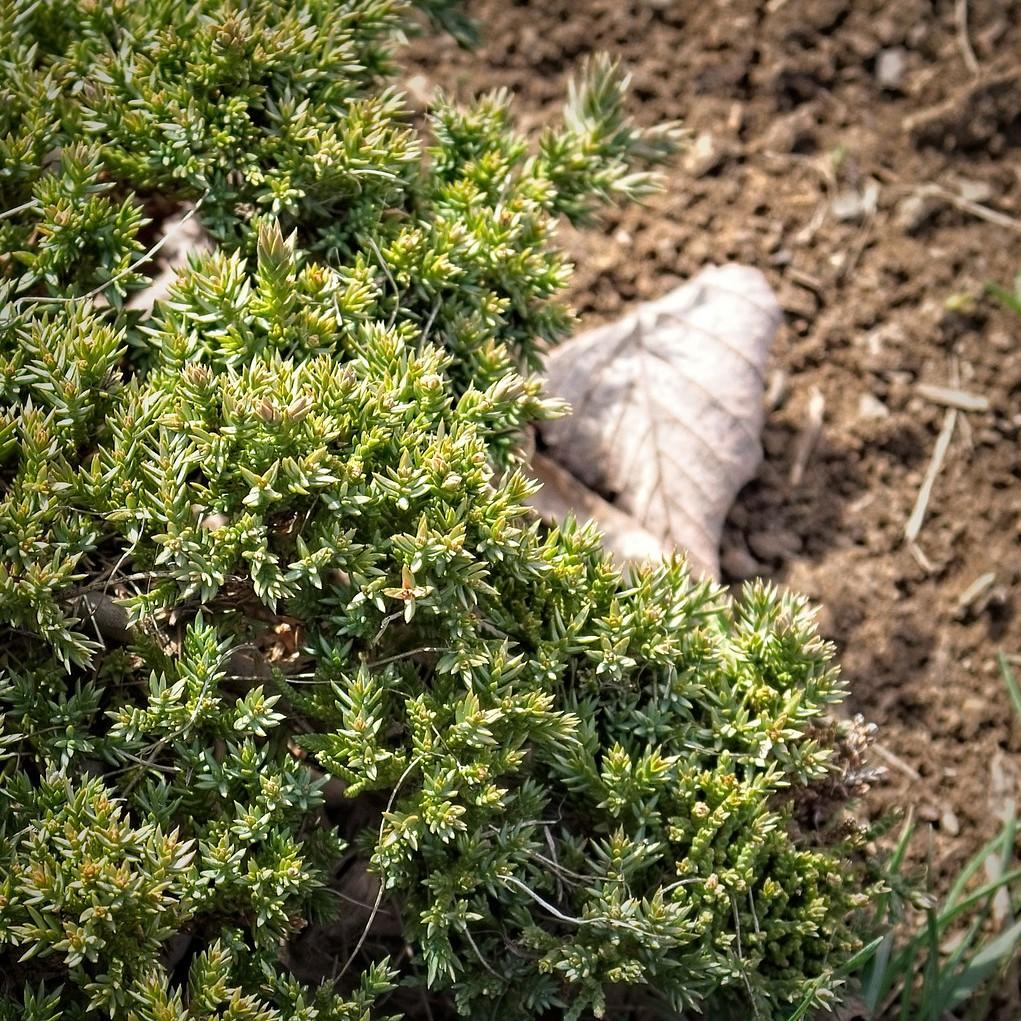
Japanese Garden Juniper
Juniperus procumbens
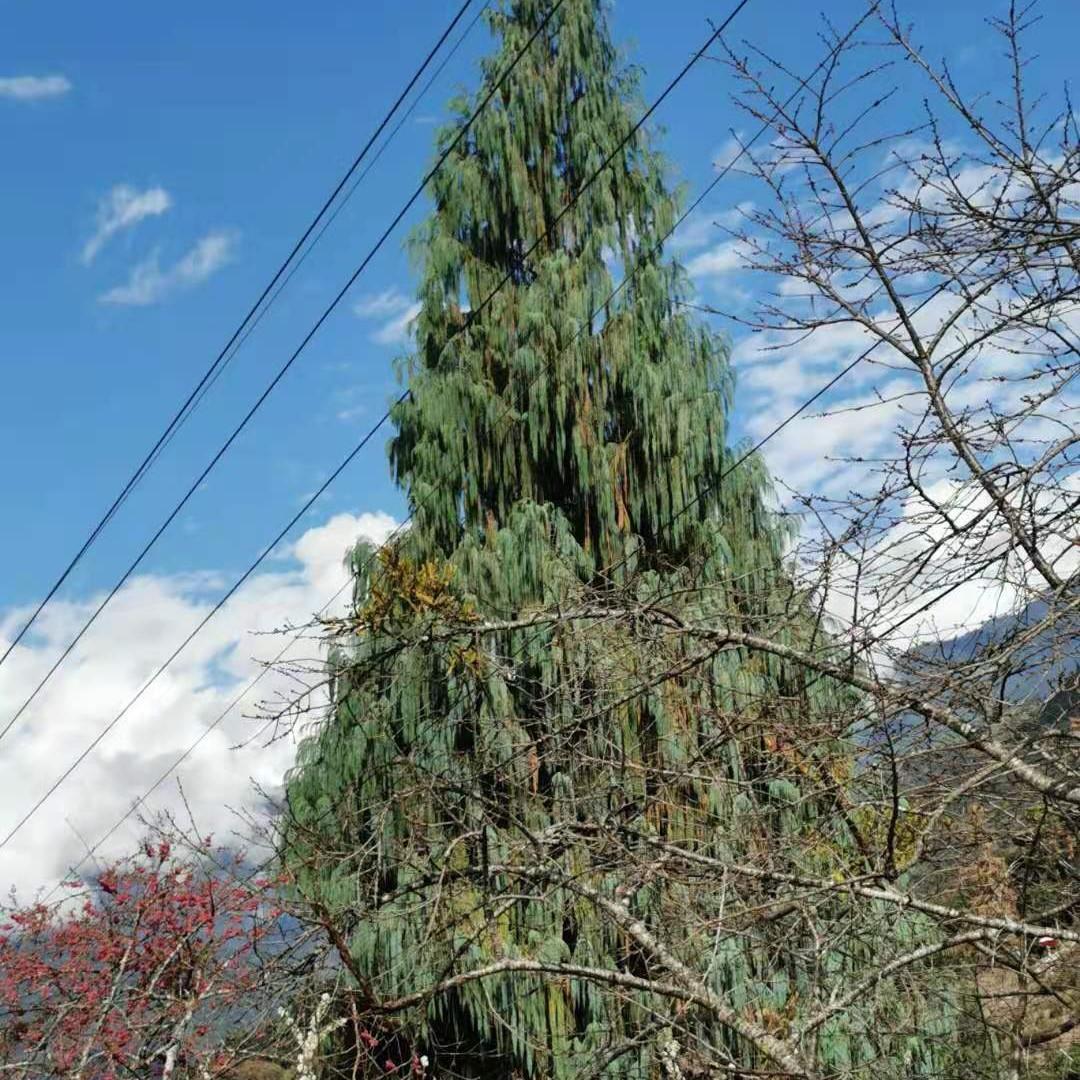
Coffin Juniper
Juniperus horizontalis 'Wiltonii'
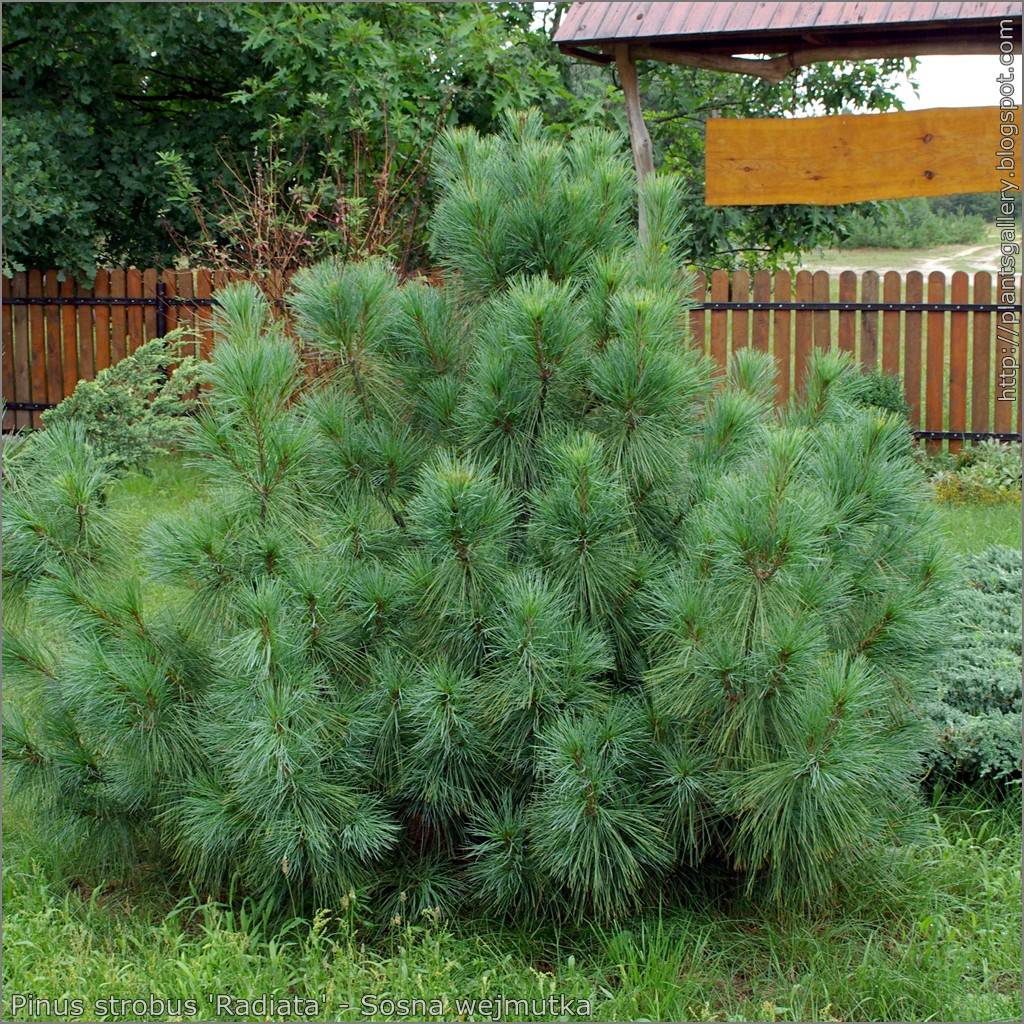
Dwarf Eastern White Pine
Pinus strobus 'Nana'
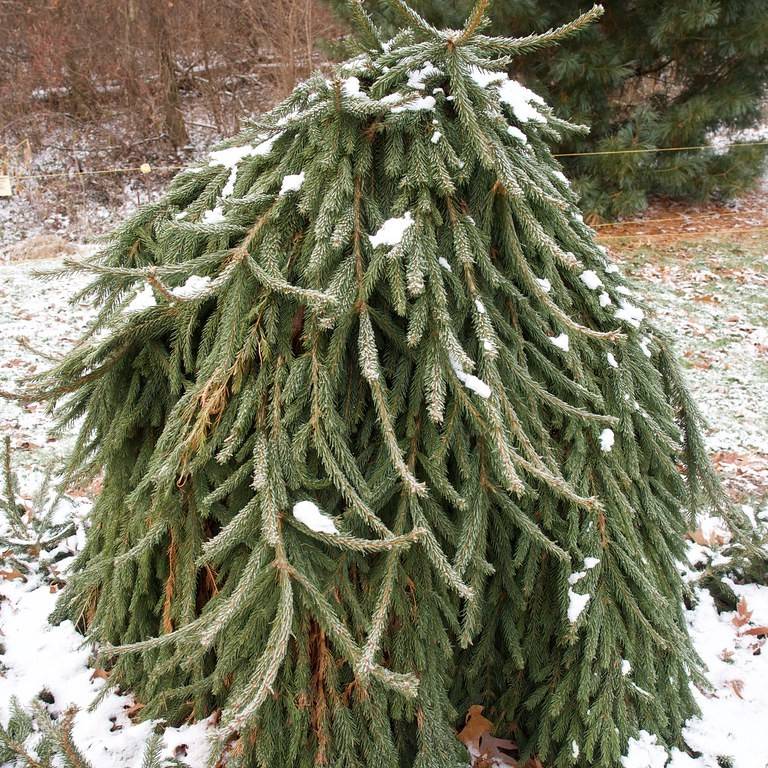
Dwarf Norway Spruce
Picea abies 'Nana'
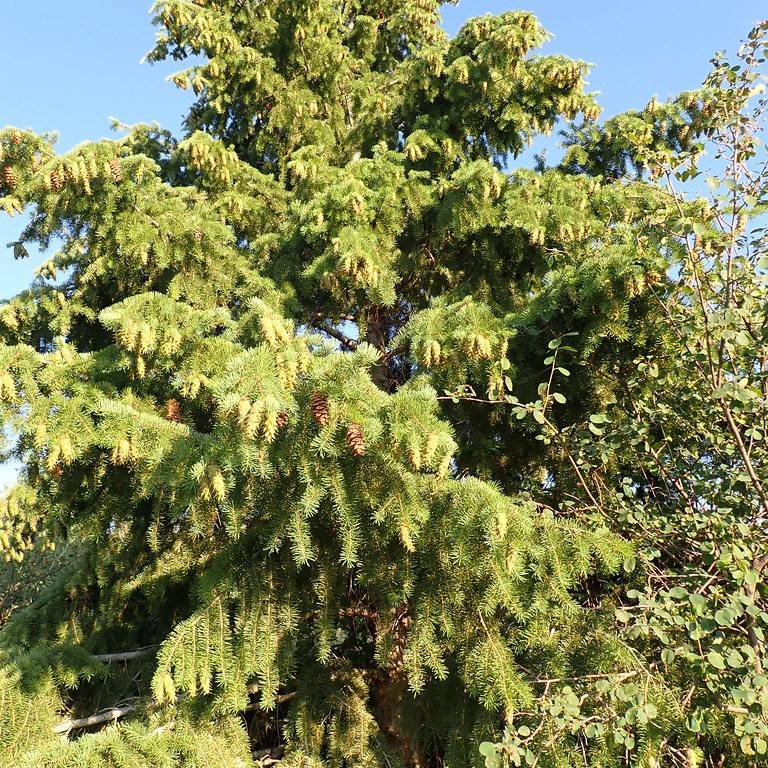
Common Juniper
Juniperus communis
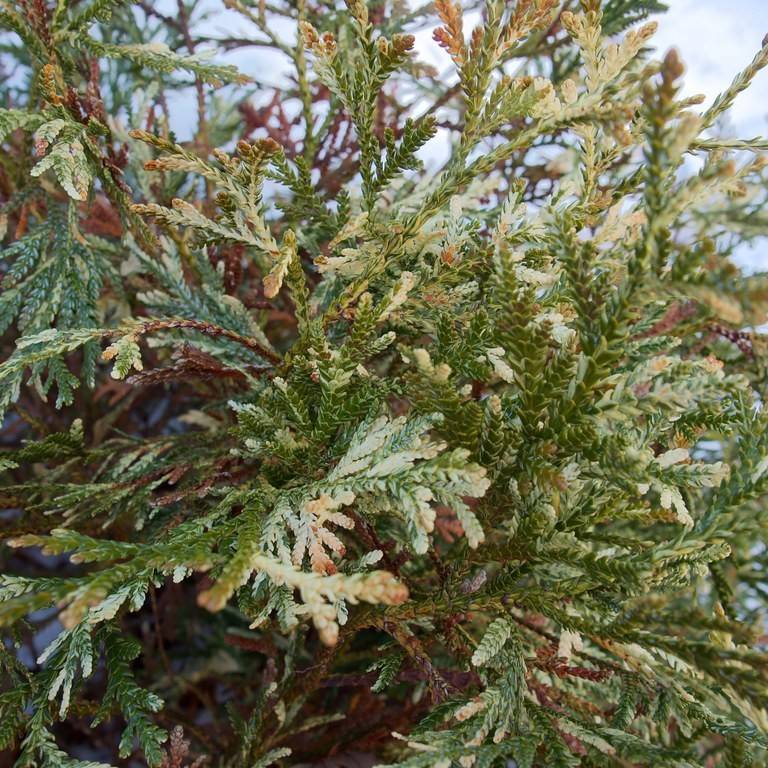
Boulevard False Cypress
Chamaecyparis pisifera 'Boulevard'
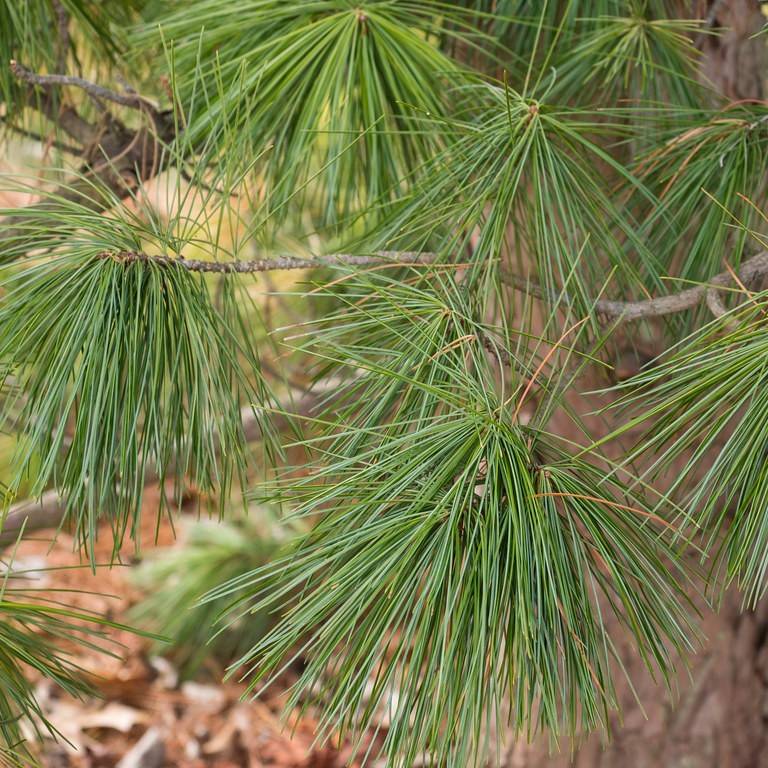
Chinese Pine
Pinus tabuliformis
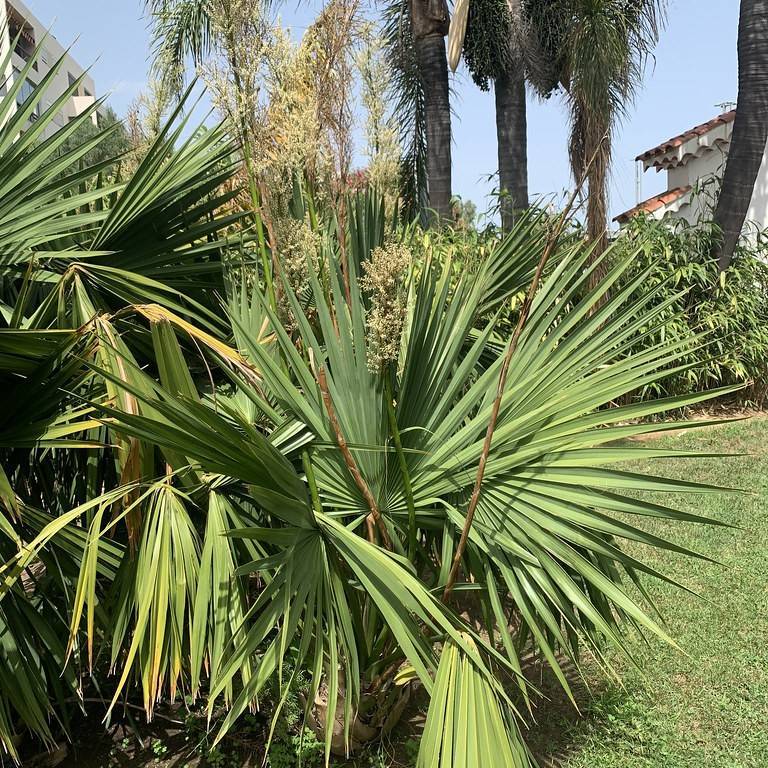
Dwarf Palmetto
Sabal minor