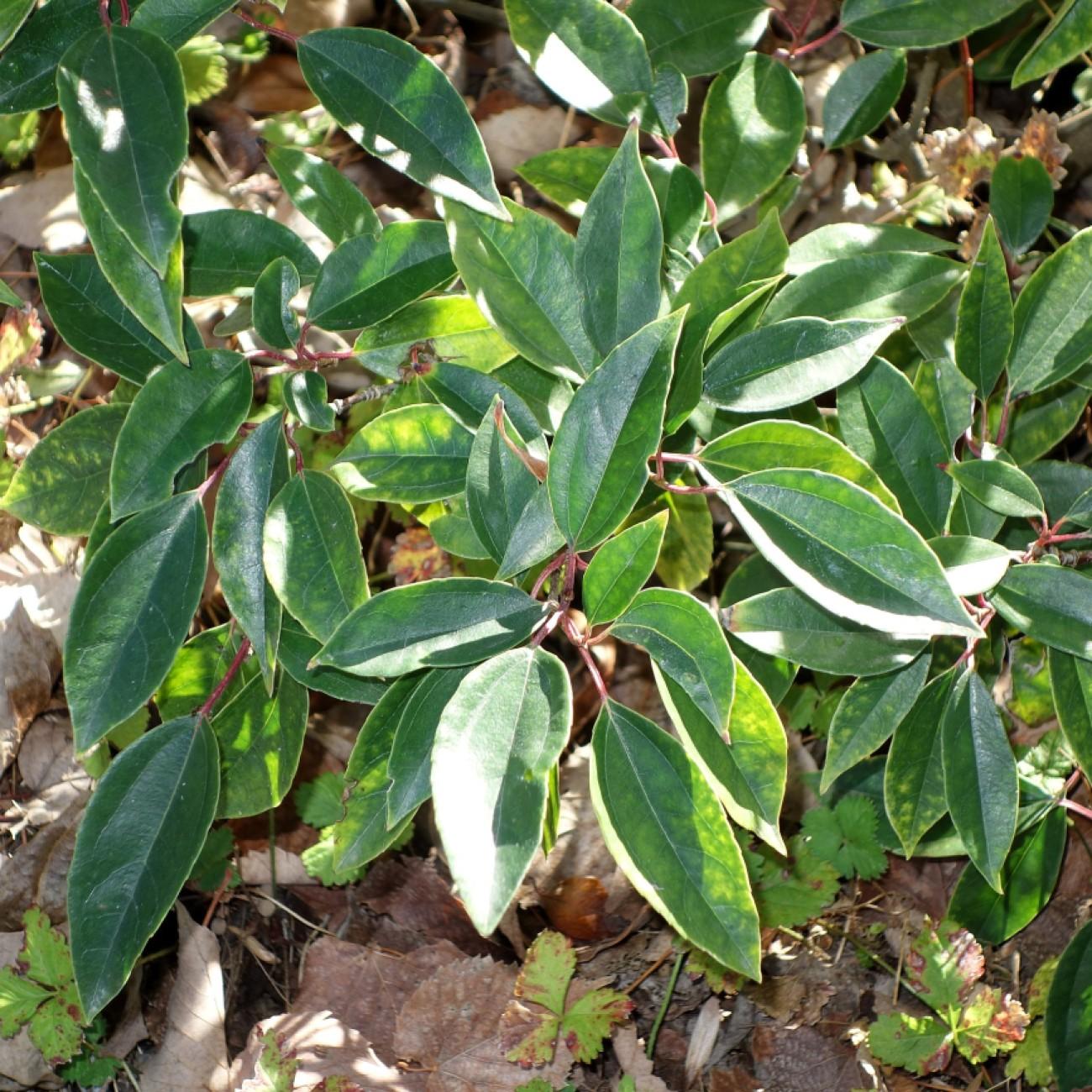
Chinese Viburnum
Viburnum macrocephalum
Overview
Chinese viburnum, also known as Chinese snowball viburnum, is a popular deciduous shrub distinguished by its massive, 6-8 inch wide spherical inflorescences that emerge pale lime green before maturing to bright, snowy white in mid to late spring. Unlike many viburnum species, its showy blooms are sterile, so it does not produce berries. It has a rounded, bushy growth habit with dark green, oval-shaped leaves that develop subtle purple-red tints in autumn, adding multi-season landscape interest.
Care Guide
Watering
Chinese viburnum prefers consistently moist, well-drained soil, requiring regular watering during the first 2-3 growing seasons to establish a deep root system. Once established, it is moderately drought tolerant, though supplemental watering during prolonged dry periods will support healthier blooming and foliage. Avoid overwatering or planting in waterlogged sites, as this can lead to root rot.
Light
This shrub thrives in full sun to partial shade, with at least 4-6 hours of direct sunlight daily required to produce abundant, full flower clusters. In regions with extremely hot, intense summer sun, it benefits from light afternoon shade to prevent leaf scorch and reduce moisture stress. Too much deep shade will result in sparse blooming and a leggy, open growth habit.
Soil
Chinese viburnum adapts to a wide range of soil types, including loam, sandy loam, and clay loam, as long as the substrate is well-drained. It prefers a slightly acidic to neutral pH between 5.5 and 7.0, though it can tolerate mildly alkaline conditions. Amending heavy clay or sandy soils with organic matter such as compost before planting will improve soil structure and nutrient retention.
Fertilizer
Apply a balanced, slow-release granular fertilizer formulated for woody ornamental shrubs in early spring, just before new growth emerges. Avoid high-nitrogen fertilizers, as these can promote excessive foliage growth at the expense of flower production. A second light application of fertilizer after blooming can support healthy foliage development, but feeding after mid-summer is not recommended, as it can stimulate tender new growth vulnerable to frost damage.
Temperature
This viburnum is hardy in USDA zones 6 through 9, tolerating winter lows down to -10°F (-23°C) once fully established. It prefers temperate climates with moderate summer temperatures, and may require extra mulch around the root zone in the coldest parts of its range to protect roots from freeze-thaw cycles. Extreme heat above 95°F (35°C) can cause temporary wilting, which is usually resolved with adequate watering.
Pruning
Prune Chinese viburnum immediately after it finishes blooming in spring, as it sets flower buds for the next year on old wood. Remove any dead, damaged, or crossing branches to improve air circulation and maintain the shrub’s desired rounded shape. You can thin up to one-third of older, woody stems every 2-3 years to encourage vigorous new growth that will produce more abundant blooms in subsequent seasons.
Propagation
Chinese viburnum is most commonly propagated via softwood cuttings taken in early summer, after the current season’s growth has partially hardened. Dip cut end in rooting hormone, plant in a moist, well-drained propagation medium, and keep under high humidity with indirect light until roots form, typically within 4-6 weeks. It can also be propagated via layering in spring, where a low-hanging stem is nicked, partially buried in soil, and left to root while still attached to the parent plant before separation the following year.
Humidity
This shrub adapts well to a wide range of humidity levels, thriving in the moderate humidity typical of its native Chinese temperate habitats as well as the drier conditions found in many temperate North American and European landscapes. It does not require extra humidity when grown outdoors, though extremely dry, windy conditions can cause leaf edge browning, which can be mitigated with occasional deep watering. Indoors, it is not suitable for typical household humidity levels, as it requires cool winter temperatures and high light that are difficult to replicate inside.
Repotting
Chinese viburnum is almost exclusively grown as an outdoor landscape shrub and is not suitable for long-term container growth, as its large root system requires ample space to spread. If temporarily potted for transplanting, ensure the container has ample drainage holes and use a well-drained, loamy potting mix amended with compost. Transplant to its permanent landscape location as soon as possible, ideally in early spring or late fall when the plant is dormant to minimize transplant shock.
Uses & Symbolism
Chinese viburnum is a highly popular ornamental landscape shrub, used as a specimen planting, in mixed shrub borders, or as a informal flowering hedge to provide spring color and seasonal privacy. Its large, long-lasting cut flowers are a favorite addition to fresh floral arrangements, adding a dramatic, fluffy focal point to bouquets. Its dense growth habit also provides shelter for small birds and beneficial pollinators, though its sterile blooms do not produce berries for wildlife forage.
Diseases & Pests
Chinese viburnum is relatively pest and disease resistant, though it can be susceptible to aphids, spider mites, and scale insects, which typically infest new growth and can be controlled with horticultural oil or insecticidal soap. Fungal diseases including powdery mildew, leaf spot, and root rot can occur in conditions of poor air circulation, excessive shade, or waterlogged soil, so proper site selection and spacing are key to prevention. In regions where the viburnum leaf beetle is present, the shrub may suffer foliage damage from larval and adult feeding, which can be managed with targeted insecticides or manual removal of infested leaves in early spring.
Related plants
Other plants you might like if you grow Chinese Viburnum.
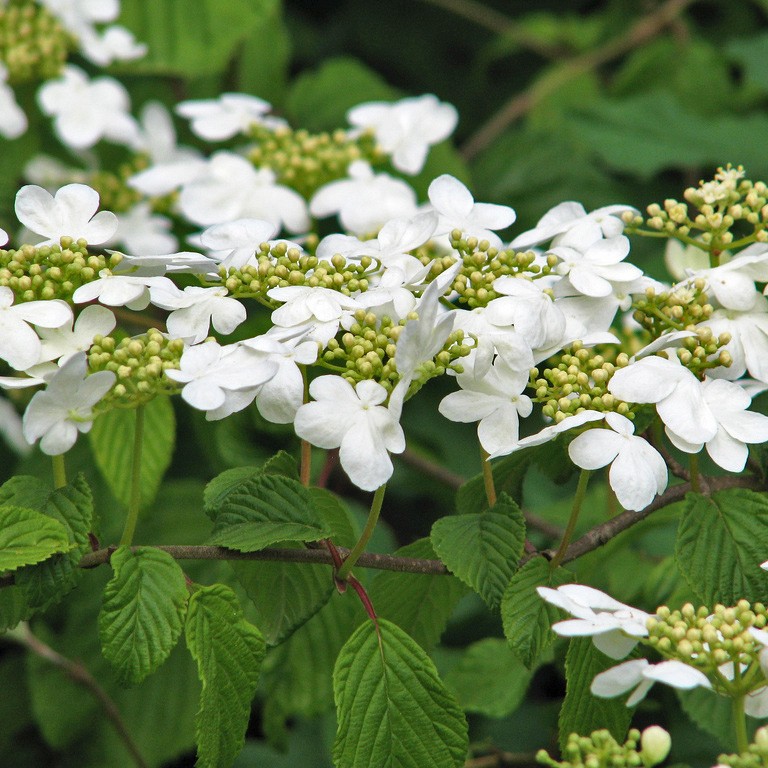
Doublefile Viburnum
Viburnum plicatum f. tomentosum
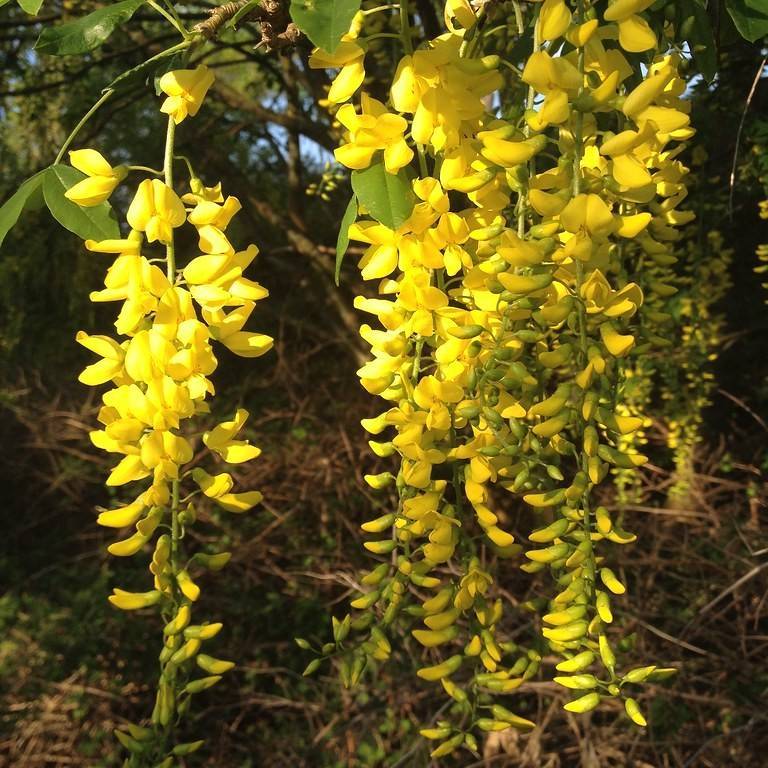
Common Laburnum
Laburnum anagyroides
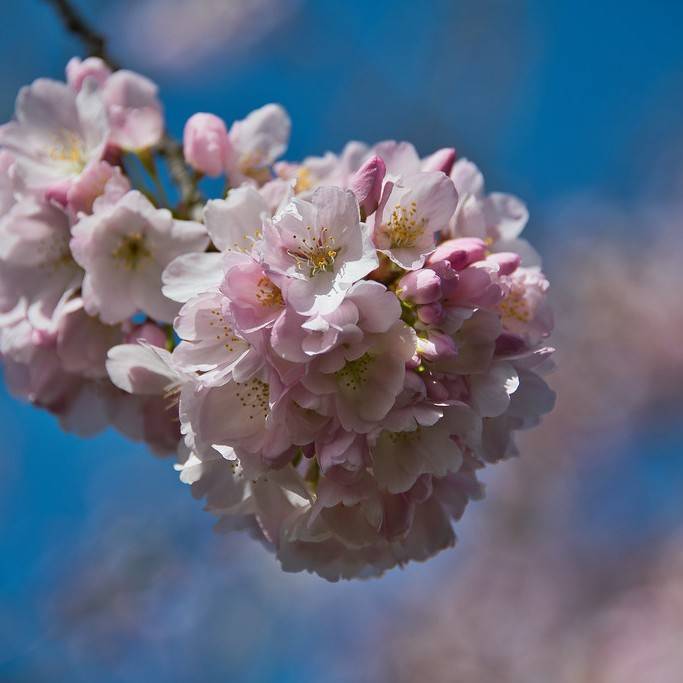
Flowering Cherry
Prunus serrulata
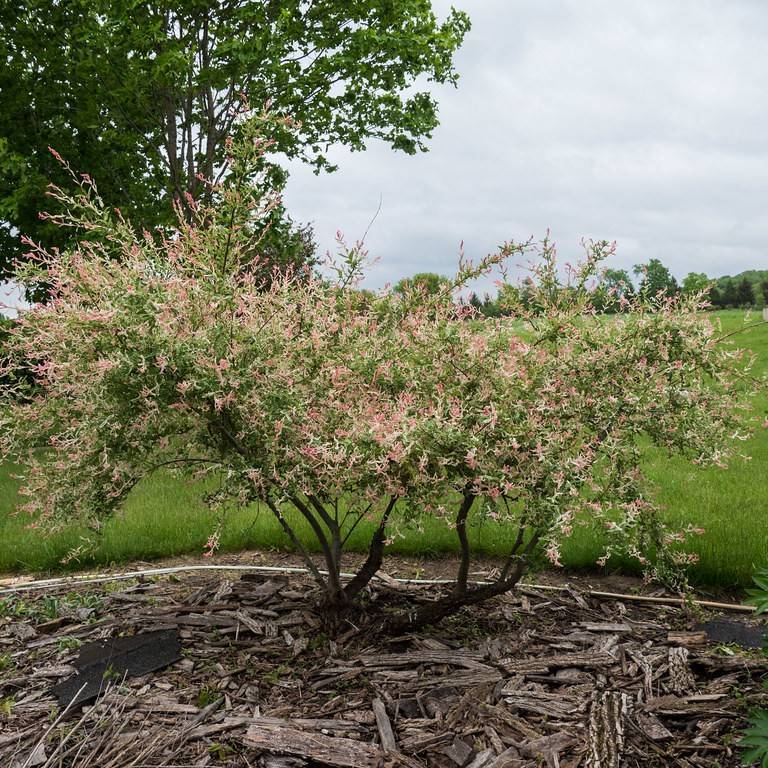
Dappled Willow
Salix integra 'Hakuro-nishiki'
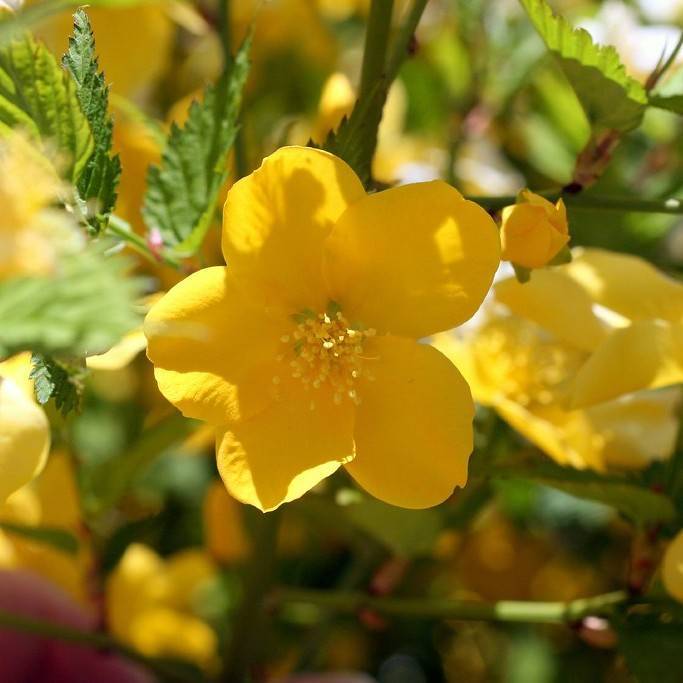
Japanese Kerria
Kerria japonica
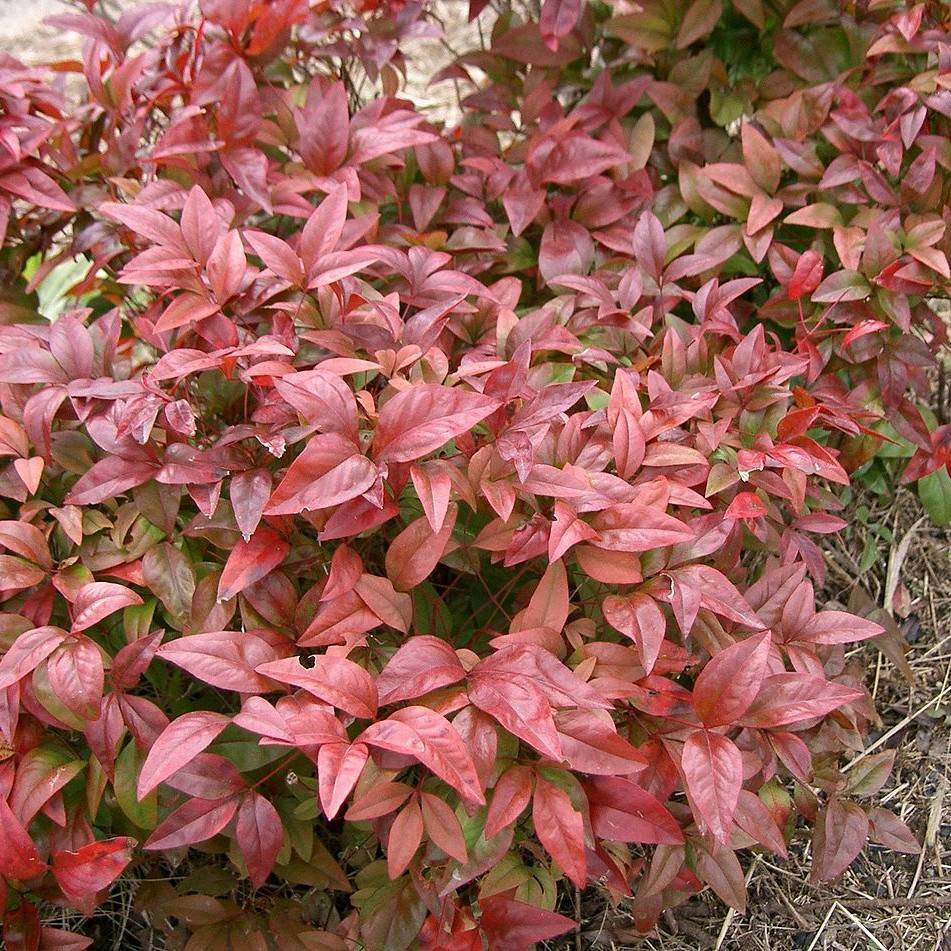
Heavenly Bamboo
Nandina domestica
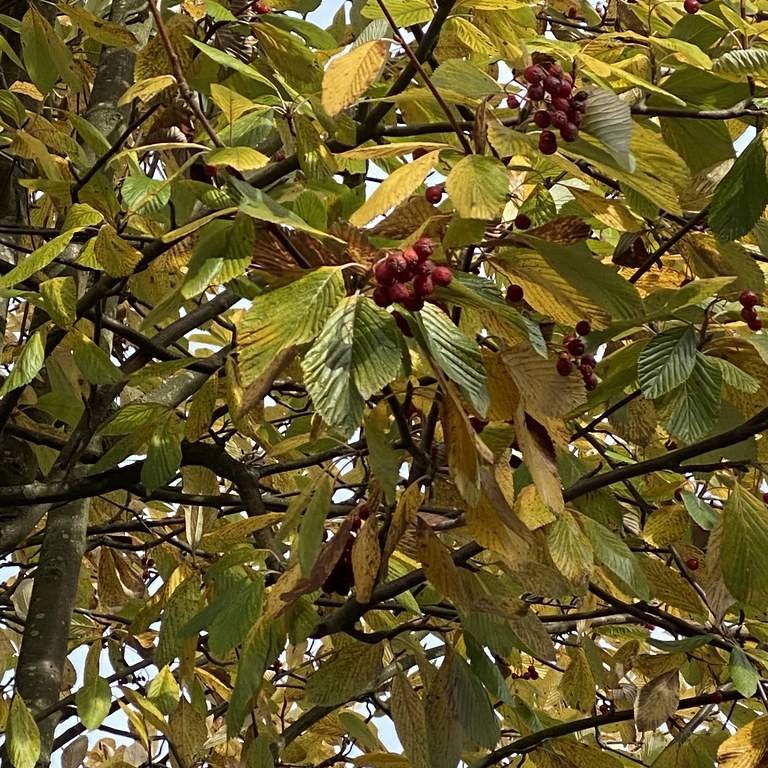
Japanese Flowering Cherry
Prunus serrulata
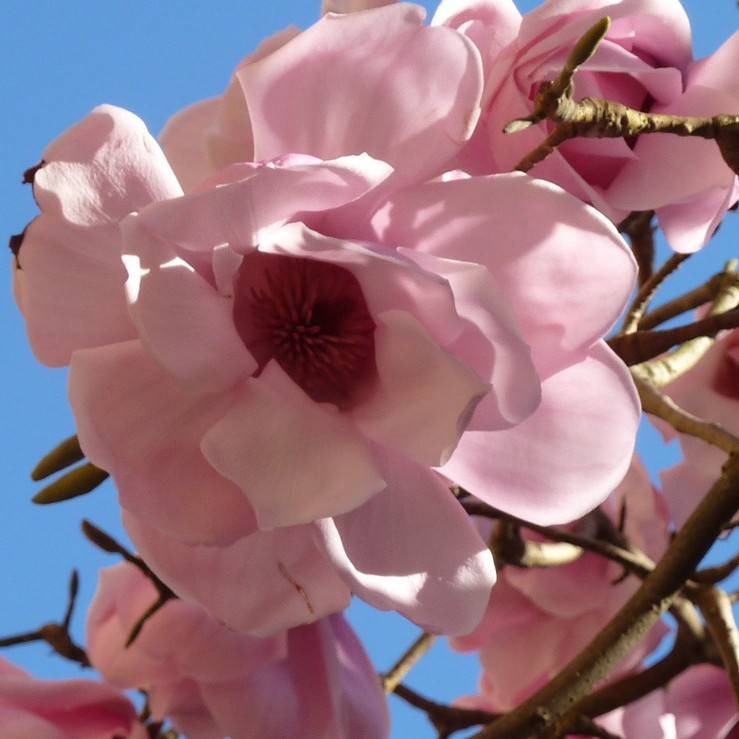
Caerhays Belle Magnolia
Magnolia 'Caerhays Belle'