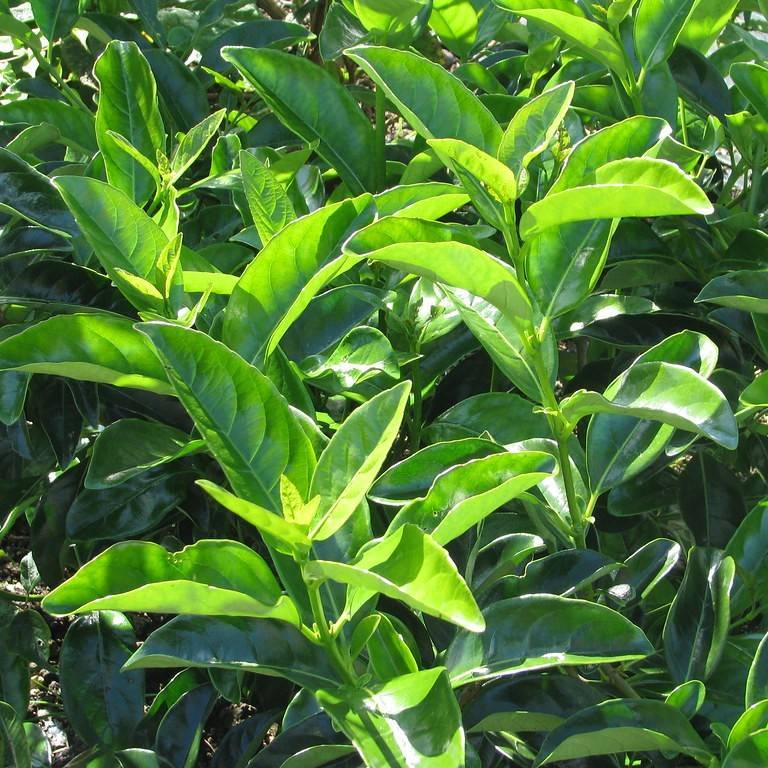
Japanese Viburnum
Viburnum japonicum
Overview
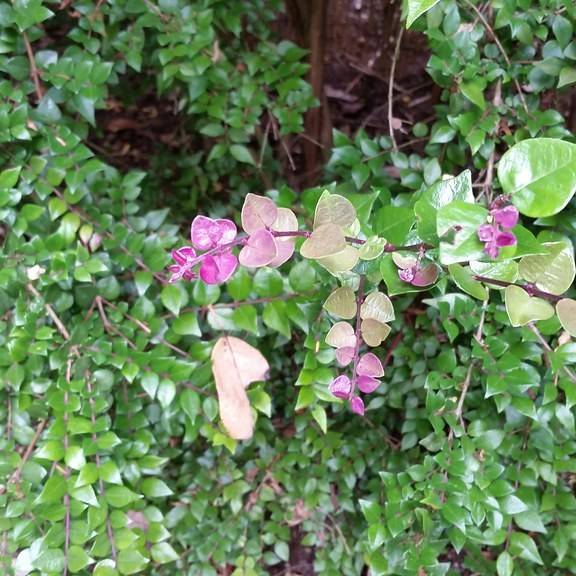
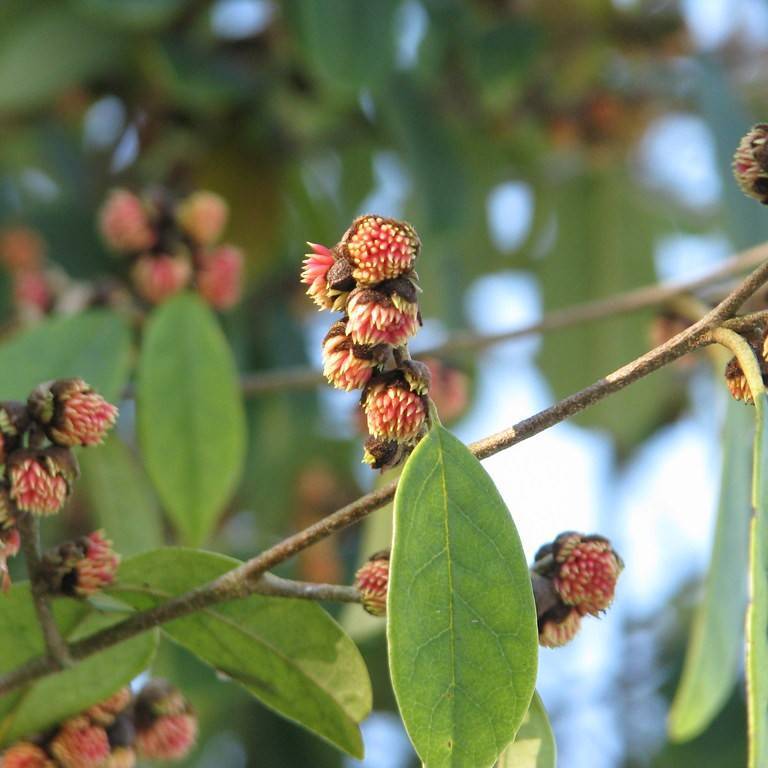
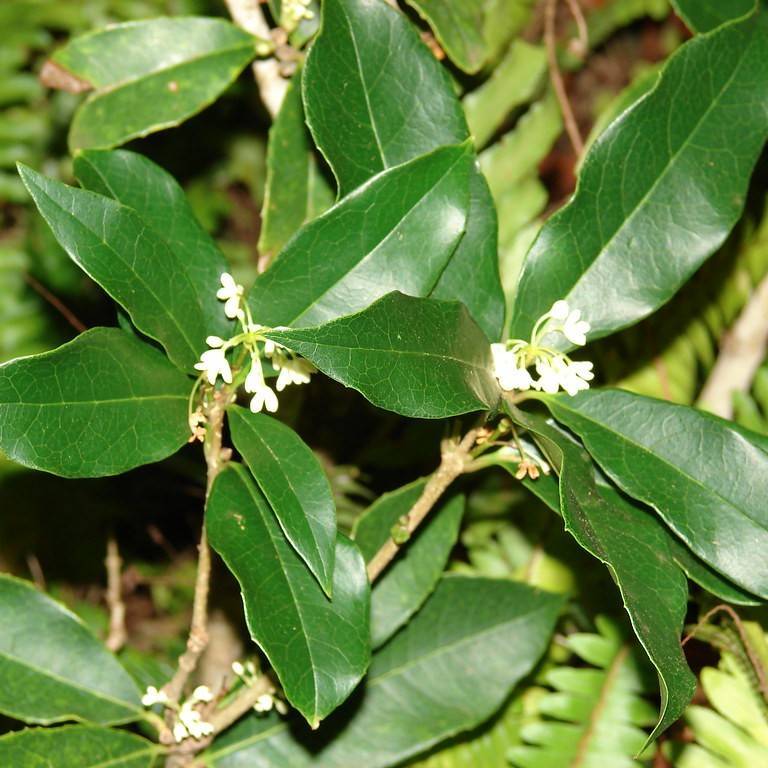
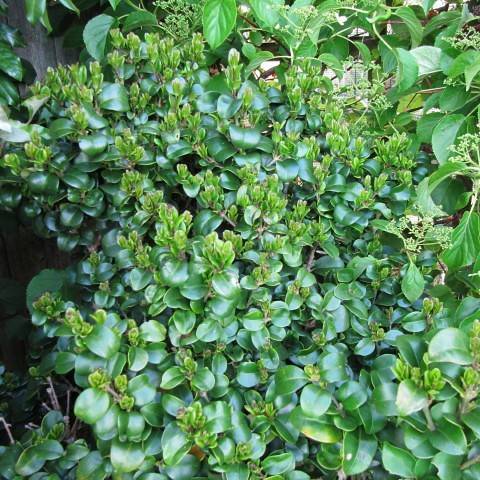
Japanese viburnum is a rounded, evergreen shrub native to East Asia, valued widely in temperate landscapes for its year-round visual interest. It produces clusters of small, creamy white, fragrant flowers in spring, followed by glossy red berries that ripen in fall and persist through winter, providing a critical food source for birds. Its thick, dark green, leathery leaves are highly resistant to damage from pests and urban pollution, making it a versatile choice for a range of growing conditions.
Care Guide
Watering
Water newly planted Japanese viburnum deeply 1-2 times per week for the first growing season to establish a robust root system, allowing the top 2 inches of soil to dry out between waterings. Once established, it is highly drought-tolerant, requiring supplemental watering only during extended periods of hot, dry weather. Avoid overwatering or planting in waterlogged sites, as this can lead to root rot.
Light
It thrives in full sun to partial shade, with at least 4 hours of direct sunlight daily to support abundant flowering and berry production. In regions with extremely hot, intense summer sun, it benefits from light afternoon shade to prevent leaf scorch. Too much deep shade will result in sparse growth, reduced blooms, and fewer berries.
Soil
Japanese viburnum adapts well to most well-drained soil types, including loam, sandy, and clay soils, with a preferred slightly acidic to neutral pH range of 5.5 to 7.0. It tolerates moderately alkaline soils but may develop mild chlorosis (yellowing leaves) in highly alkaline conditions, which can be corrected with soil sulfur amendments. Adding organic matter such as compost or leaf mold at planting time improves soil structure and nutrient retention for healthier growth.
Fertilizer
Apply a balanced, slow-release shrub fertilizer (10-10-10 NPK) in early spring before new growth emerges to support foliage development, flowering, and berry production. Avoid over-fertilizing, as excess nitrogen can lead to lush, weak growth that is more susceptible to pest damage and reduces bloom and berry yields. An optional topdressing of well-rotted compost in fall can provide a gentle nutrient boost and improve soil health over time.
Temperature
It is hardy in USDA zones 7 through 9, tolerating winter temperatures as low as 0°F (-18°C) without significant damage. Young plants may benefit from a layer of mulch around the base and a burlap wrap in the first 1-2 winters to protect from harsh cold winds and frost damage. It tolerates summer heat well, as long as it receives adequate moisture during extreme heatwaves.
Pruning
Prune Japanese viburnum immediately after flowering in late spring to shape the shrub, remove dead or damaged branches, and thin out overcrowded growth to improve air circulation. Avoid heavy pruning in fall or winter, as this will remove the developing flower buds and reduce the following year’s bloom and berry display. Mature, overgrown shrubs can be rejuvenated with gradual pruning over 2-3 years, removing up to one-third of the oldest stems at ground level each season.
Propagation
The most reliable method for home gardeners is semi-hardwood cuttings taken in mid to late summer, using 4-6 inch long stem sections from the current year’s growth, dipped in rooting hormone and planted in a moist, well-drained propagation medium. It can also be grown from fresh seed collected in fall, but seed requires a 3-4 month period of cold stratification to germinate, and seedlings may take 3-5 years to reach flowering maturity. Root suckers that form around the base of mature shrubs can be dug up and transplanted in early spring for easy clonal propagation.
Humidity
Japanese viburnum tolerates a wide range of humidity levels, thriving in the moderate humidity of its native East Asian habitats as well as the drier conditions of many temperate landscapes. It does not require extra humidity when grown outdoors, but indoor container specimens may benefit from occasional misting during very dry winter heating periods. Good air circulation around the foliage helps prevent fungal diseases in high-humidity climates.
Repotting
Container-grown Japanese viburnum should be repotted every 2-3 years in early spring before new growth starts, moving to a pot 2-3 inches larger than the current one with drainage holes to prevent waterlogging. Use a high-quality, well-drained potting mix amended with compost to provide nutrients and improve soil structure. Mature shrubs that have reached their desired container size can be top-dressed annually with fresh potting mix and compost instead of full repotting to refresh nutrients.
Uses & Symbolism
Japanese viburnum is widely used in landscape design as a hedge, screening plant, specimen shrub, or border planting, providing year-round structure and visual interest. Its fragrant spring blooms attract pollinators such as bees and butterflies, while its persistent winter berries are a valuable food source for native songbirds. It is also occasionally grown as a large container plant for patios or entryways, and its cut branches with berries are popular for holiday floral arrangements.
Diseases & Pests
Japanese viburnum is relatively pest and disease resistant, but it may occasionally be affected by aphids, spider mites, and scale insects, which can be controlled with horticultural oil or insecticidal soap. Fungal diseases such as powdery mildew, leaf spot, and root rot can occur in overly wet, poorly drained conditions or where air circulation is limited, so proper site selection and spacing are important prevention measures. It is largely resistant to the viburnum leaf beetle, a major pest of many other viburnum species, making it a low-maintenance alternative for affected regions.
Related plants
Other plants you might like if you grow Japanese Viburnum.