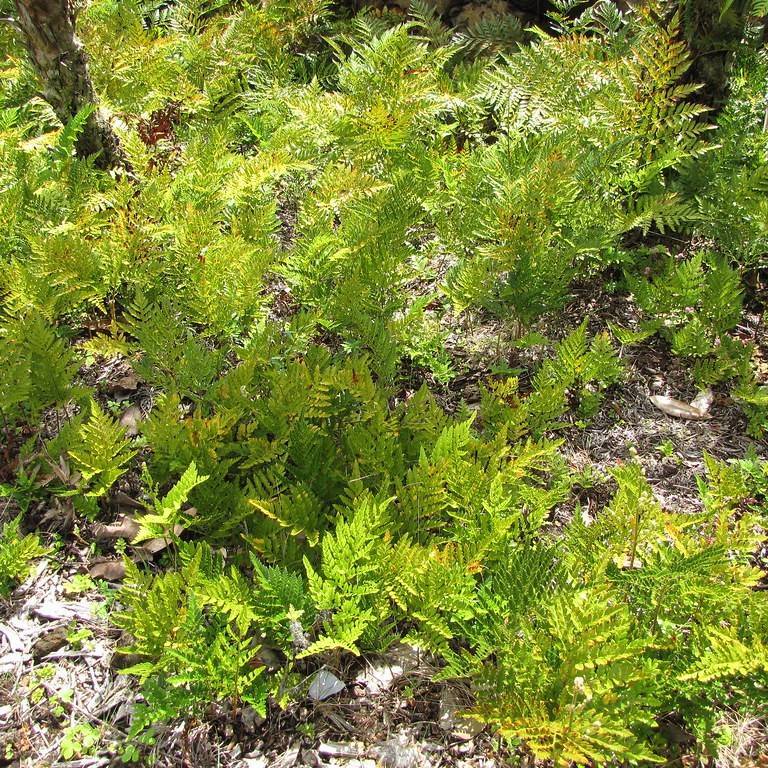
Leather Fern
Rumohra adiantiformis
Overview
Leather fern, also known as leatherleaf fern, is distinguished by its thick, dark green, triangular fronds that retain their shape and color long after being cut, making them a staple in the cut flower industry. It grows in dense clumps, spreading slowly via creeping rhizomes to form lush ground cover in mild, shaded climates. Unlike many delicate fern species, it tolerates moderate drought, wind, and indirect sunlight, making it far more adaptable to varied growing conditions.
Care Guide
Watering
Water leather fern regularly to keep the soil consistently moist but not waterlogged, reducing frequency in the winter months when growth slows. Avoid overwatering, which can lead to root rot, and always allow the top 1 inch (2.5 cm) of soil to dry out slightly between waterings for container-grown specimens.
Light
Thrives in partial to full shade, with indirect, filtered light being ideal for both indoor and outdoor plants. Protect it from direct midday sun, which can scorch its fronds and cause unsightly brown discoloration. Indoor plants do well near north or east-facing windows that receive soft, diffused light year-round.
Soil
Prefers well-draining, loamy soil rich in organic matter, with a slightly acidic to neutral pH between 5.5 and 7.0. For potted indoor plants, use a high-quality peat-based potting mix amended with perlite or orchid bark to improve drainage and aeration. Outdoor plants benefit from a 2-inch (5 cm) layer of mulch around the base to retain moisture and regulate soil temperature.
Fertilizer
Feed leather fern with a balanced, water-soluble fertilizer diluted to half strength once a month during the spring and summer active growing season. Avoid fertilizing in fall and winter, when the plant is dormant, as this can lead to salt buildup in the soil and damage the root system. Over-fertilization may cause frond tips to turn brown, so err on the side of underfeeding if unsure.
Temperature
Grows best in temperatures between 60–75°F (15–24°C), and can tolerate short dips down to 30°F (-1°C) if planted outdoors in USDA hardiness zones 9 to 11. Indoor plants should be kept away from cold drafts from windows, doors, or air conditioning units, as sudden temperature fluctuations can cause frond drop. Prolonged exposure to temperatures below 25°F (-4°C) will kill the above-ground growth, though the rhizomes may resprout in spring if well-mulched.
Pruning
Remove any brown, yellowed, or damaged fronds at the base with clean, sharp pruning shears as needed to maintain a tidy appearance and encourage new growth. Pruning is best done in early spring before new fronds emerge, but light trimming can be done any time of year. Cut back entire fronds to the soil line if they become too large or unsightly, as the plant will quickly produce new growth from its rhizomes.
Propagation
The easiest method of propagation is division of mature clumps in early spring, before new growth begins. Carefully dig up the entire plant, gently separate the rhizome into sections with at least 2–3 healthy fronds and a portion of the root system attached, then replant each section at the same depth it was originally growing. Spores can also be collected from the undersides of mature fronds and sown on sterile potting mix, though this method is slower and more labor-intensive than division.
Humidity
Prefers moderate to high humidity levels between 50% and 80%, though it is more tolerant of dry air than many other fern species. For indoor plants in dry environments, mist the fronds 2–3 times a week, place the pot on a tray filled with pebbles and water, or use a room humidifier to boost ambient humidity. Low humidity may cause frond edges to turn brown, but the plant will usually recover once humidity levels are increased.
Repotting
Repot container-grown leather fern every 2–3 years in early spring, or when roots begin to grow out of the drainage holes at the bottom of the pot. Choose a pot that is 1–2 inches (2.5–5 cm) larger in diameter than the current one, and ensure it has adequate drainage holes to prevent waterlogging. When repotting, gently loosen the root ball, remove any dead or rotting roots, and add fresh potting mix around the plant, pressing lightly to secure it in place.
Uses & Symbolism
Leather fern is one of the most widely used foliage plants in floral arrangements, as its cut fronds stay fresh for up to 2 weeks in vases and provide a lush, green backdrop for cut flowers. Outdoor, it is planted as a ground cover in shaded gardens, under trees, or along borders, where it forms dense, evergreen clumps that suppress weeds. It also makes a low-maintenance houseplant for shaded rooms, adding tropical texture to interior spaces without requiring frequent care.
Diseases & Pests
Leather fern is relatively pest-resistant, but may occasionally be affected by common houseplant pests such as aphids, mealybugs, and scale insects, which can be treated with insecticidal soap or neem oil. Overwatering or poorly draining soil can lead to root rot, a fungal disease that causes yellowing fronds, wilting, and eventual plant death if not corrected. Leaf spot fungus may occur in overly humid, poorly ventilated conditions, causing small brown spots on fronds; remove affected foliage and improve air circulation to prevent spread.
Related plants
Other plants you might like if you grow Leather Fern.
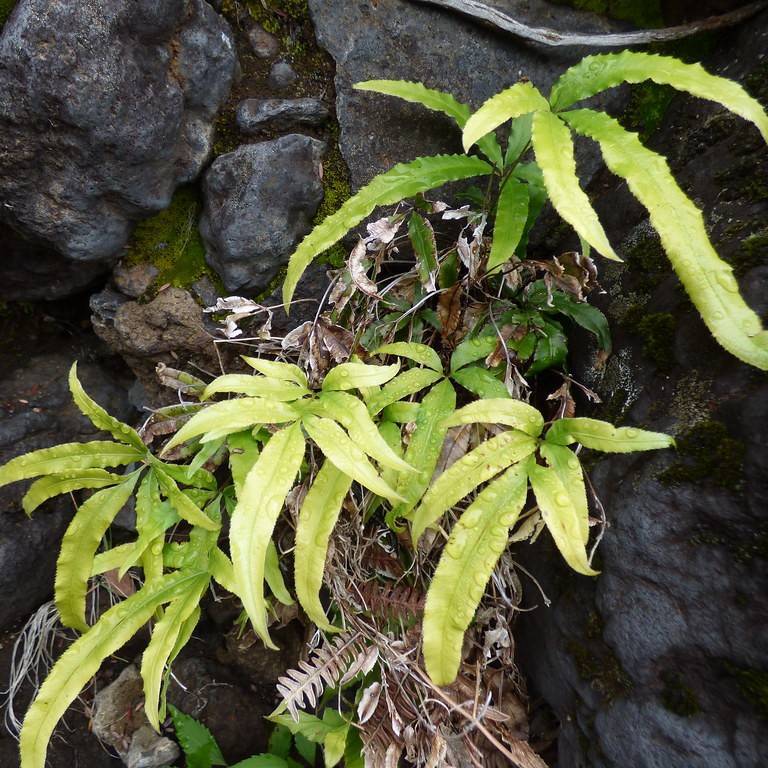
Cretan Brake
Pteris cretica
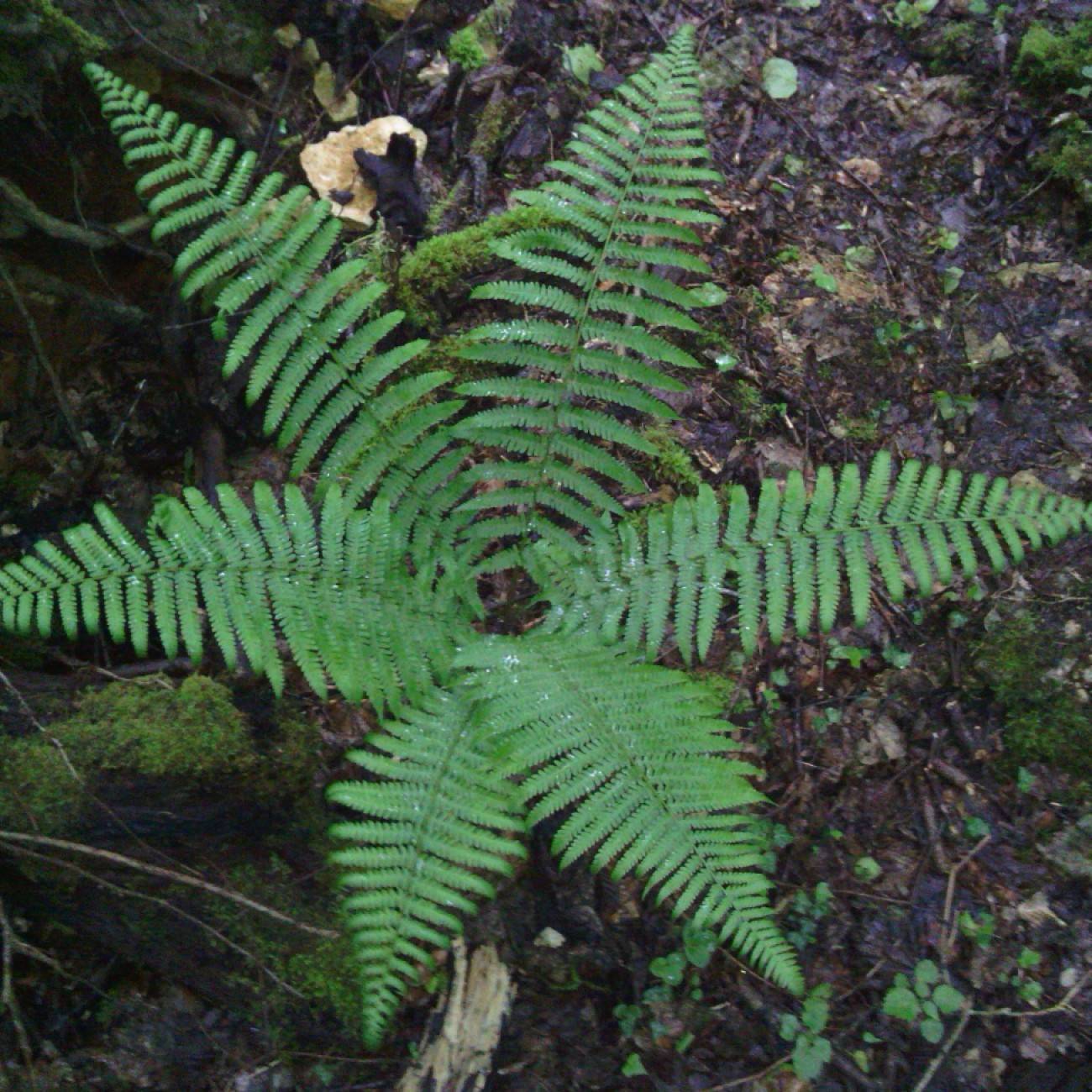
Dwarf Holly Fern
Cyrtomium falcatum 'Rochfordianum'
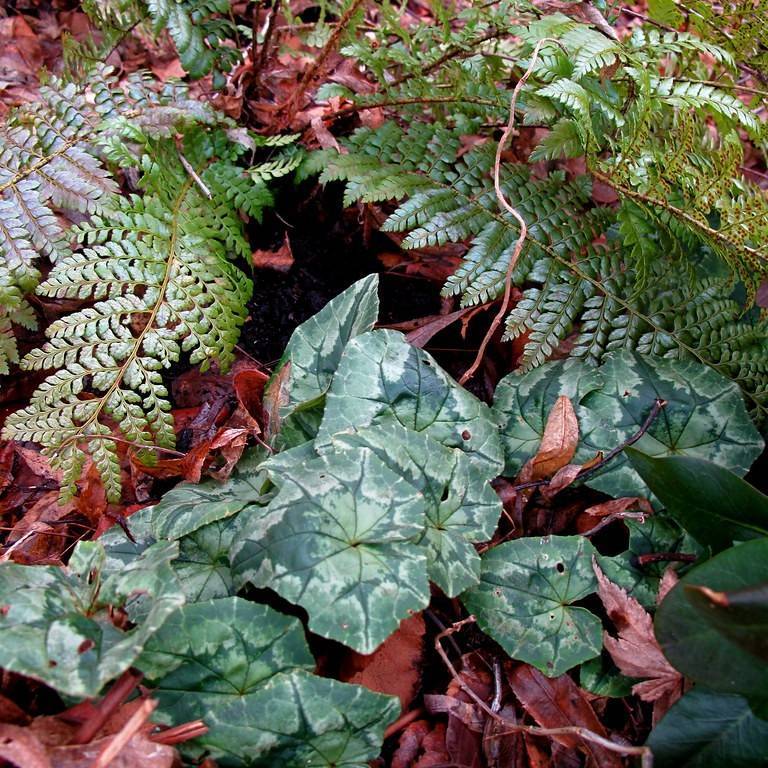
Dyce S Holly Fern
Cyrtomium fortunei 'Dycei'
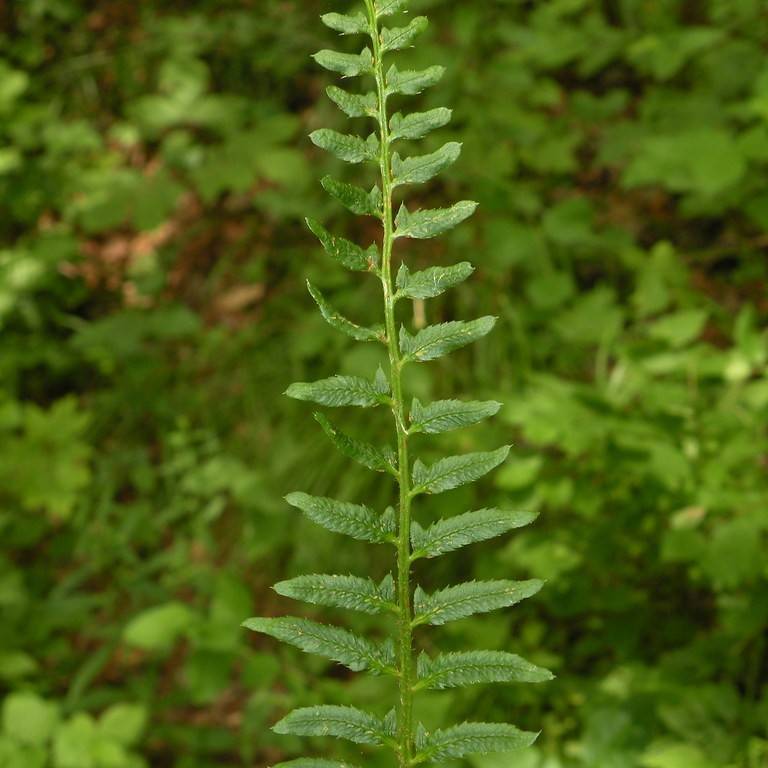
Christmas Fern
Polystichum acrostichoides
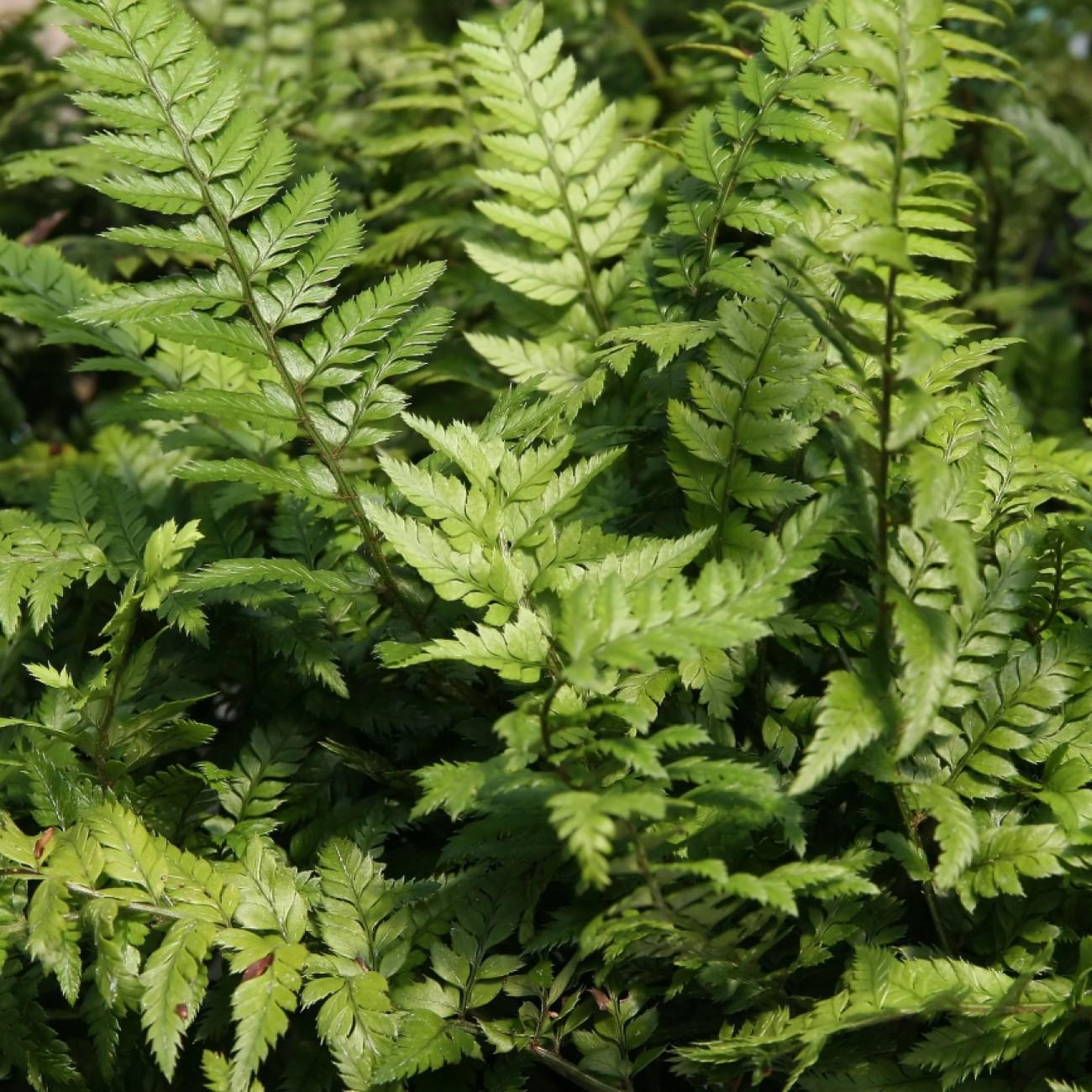
Korean Rock Fern
Polystichum tsus-simense
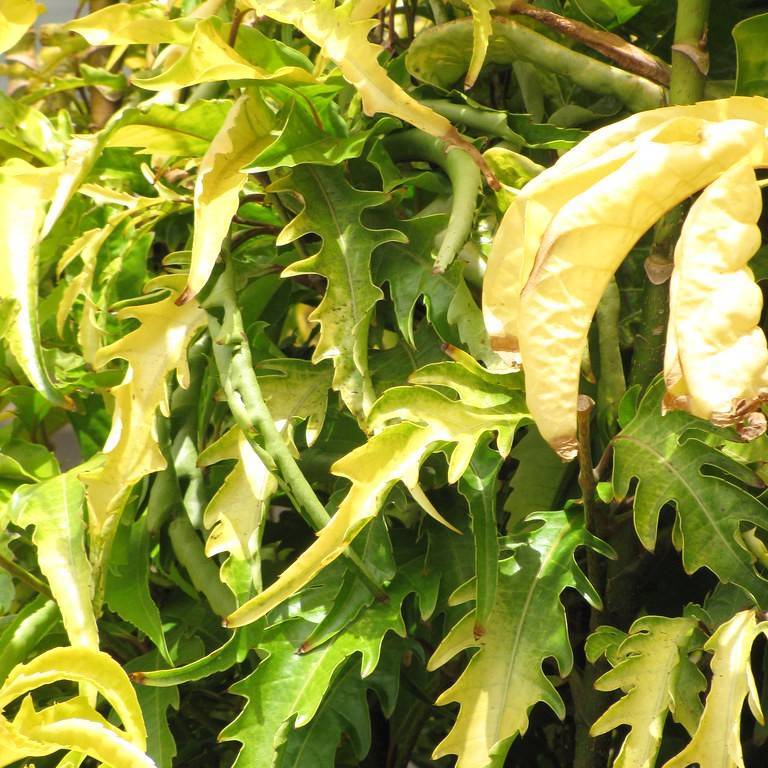
Fern Leaf Aralia
Polyscias filicifolia
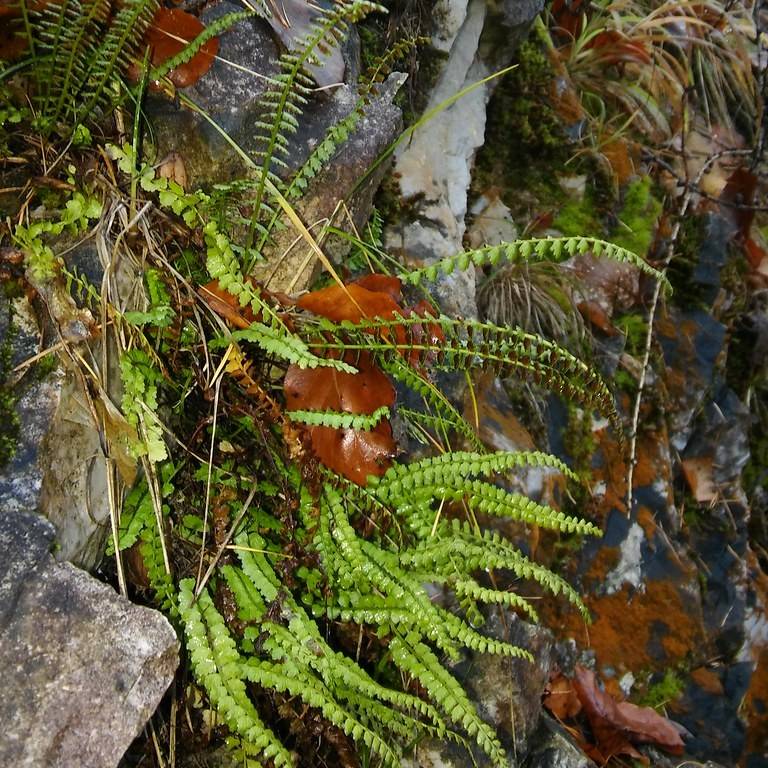
Green Spleenwort
Asplenium viride
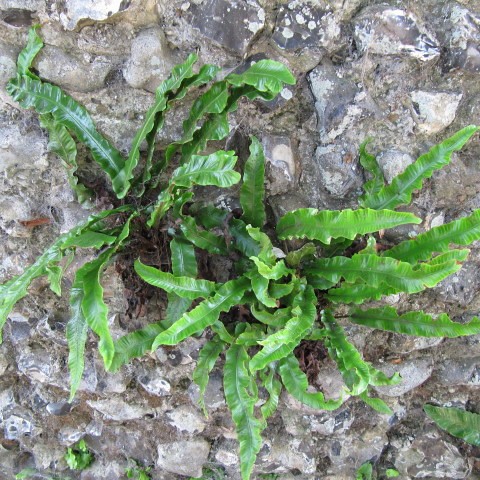
European Hart's Tongue Fern
Asplenium scolopendrium